Time on the Job
Most of the spring calls we take in Mineral Springs trace back to the same thing
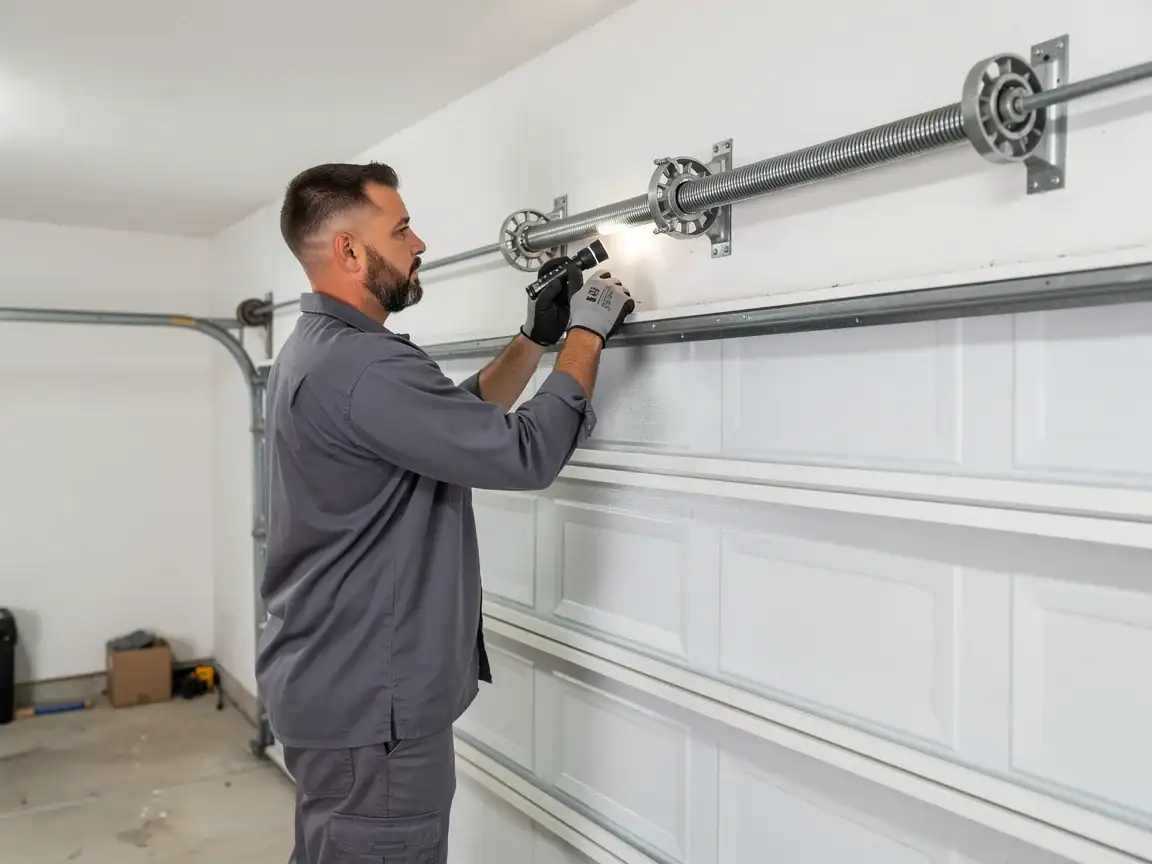
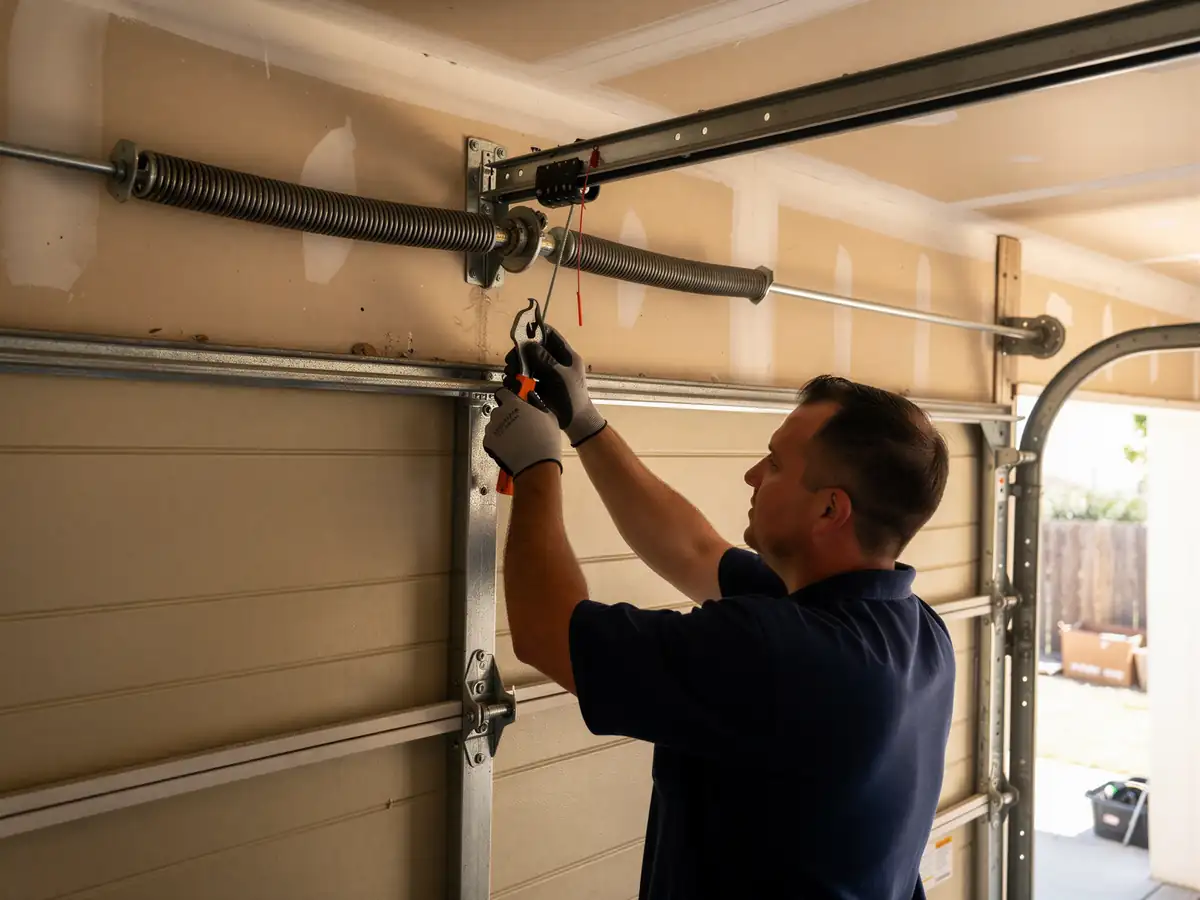
A torsion spring that's been winding and unwinding on the same shaft since the house was built. The median home here went up around 1991, which means a lot of these springs are original or close to it - thirty-plus years of cycles on hardware nobody's touched since the final inspection. That's not a scare number. A properly sized torsion spring is rated for thousands of cycles, but galvanized coating thins over time and once it starts flaking, the spring is on borrowed time regardless of how clean the rest of the door looks.
Mineral Springs sits about 3 miles from our shop in Waxhaw
So it's a short run for us - we're not quoting a drive-across-the-county job when a cable snaps on a Tuesday morning. The housing stock across this part of the service area runs 1974 to 2005 with a median around 1993, and Mineral Springs lands right in the middle of that window. Same era, same hardware generation, same failure points we see block after block.
- 3 miles
What Causes It Around Here
Early-1990s construction in this area almost always used torsion spring systems rather than the older extension-spring-over-the-track setup, so Mineral Springs doors are mostly torsion failures - a spring that's lost its temper, cracked at a coil, or simply reached the end of its wind life. Extension springs do show up on a handful of older outbuildings and detached garages, but they're the exception here, not the rule.
The climate plays a role too. This area sits in a cold-moderate band - real winter cold spells mixed with humid summers - and that swing is hard on steel. Cold mornings make springs brittle right when the door gets its heaviest pull of the day, the first open after a cold night. It's a slow wear pattern, not a sudden one, which is why most owners don't notice anything until the day it lets go.
The Complications
A straightforward torsion spring swap on a single door is a contained job. Where it gets complicated in Mineral Springs is when the original springs were undersized or mismatched for the door weight - something we see more often than you'd expect on houses from this build era, especially if the door's been swapped once already for a heavier insulated model without re-rating the spring.
The other complication is parts. Original hardware from the early '90s isn't always something we carry on the truck, and if the drum, shaft, or end bearing plate is worn beyond the spring itself, that's a second trip or a longer first one. We'd rather tell you that up front than quote a 20-minute fix and come back with bad news.
What the Fix Involves
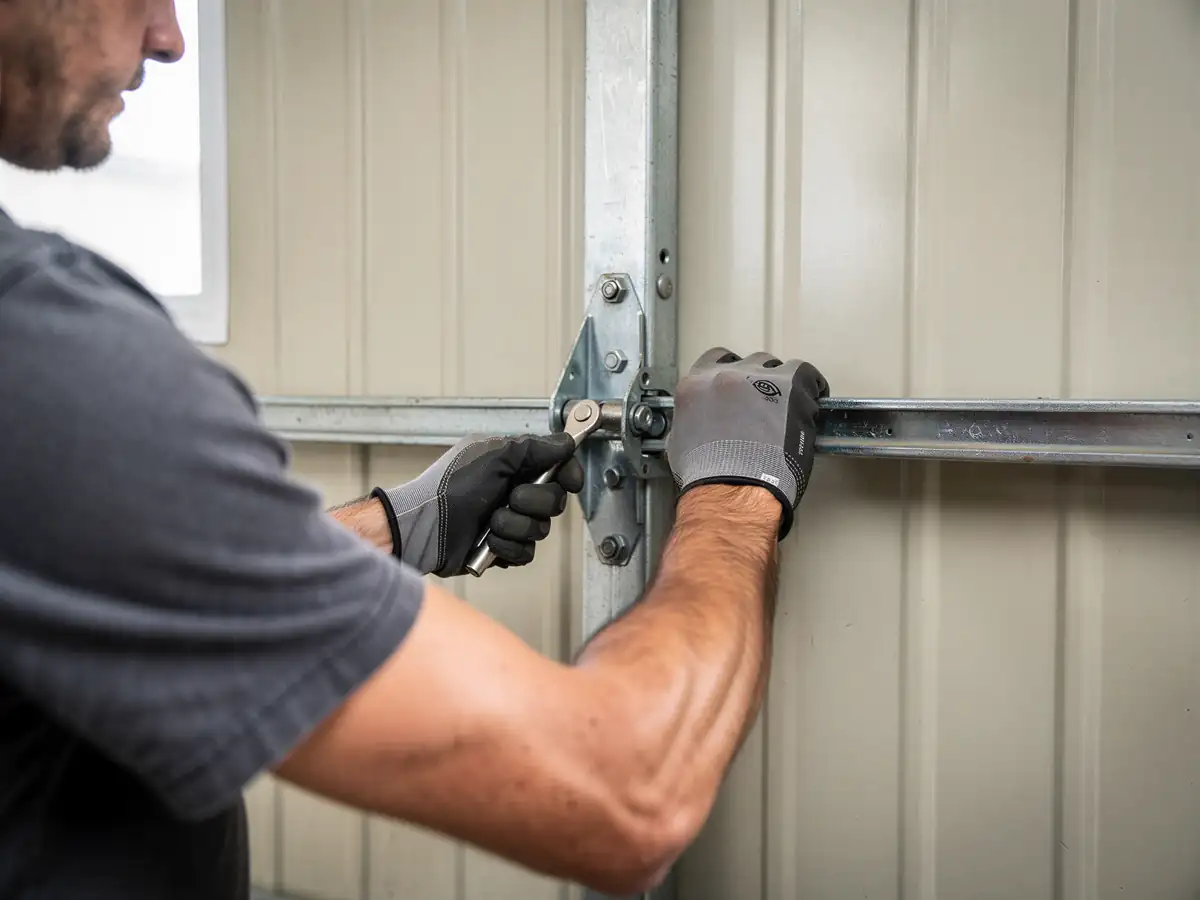
We measure the door, weigh the panel if needed, and match spring wire size, coil diameter, and wind length to what the door actually needs
Not just what was there before, since what was there before may have been wrong from day one. For a standard double door we're usually replacing both torsion springs as a pair, even if only one has failed, because the other is running the same hours and failing soon is not a matter of if.
We check the cables, the drums, and the center bearing while the system's open
Since those parts take the same wear as the spring and a half-fixed job isn't worth the trip out here.
How It Shows Up
The classic sign is a door that won't move, or an opener that strains and stalls partway up - the motor isn't dying, it's just not built to lift a door with no spring tension helping it. Some owners hear a loud bang from the garage first, which is the spring letting go, usually followed by a door that feels twice as heavy to lift by hand.
A slower version: the door starts drifting sideways when it opens, or one side lags the other. That's a spring losing tension unevenly, not yet snapped but close.
The DIY Question
Don't. A torsion spring under tension can break a hand or worse, and the tools to wind one safely aren't something most garages have lying around. This is the one repair on a garage door where the cost of a mistake is genuinely high, not just inconvenient.
What you can do yourself: listen for the bang, don't force the door with the opener once it's stuck, and call before you try to muscle it open by hand.