What Causes It Around Here
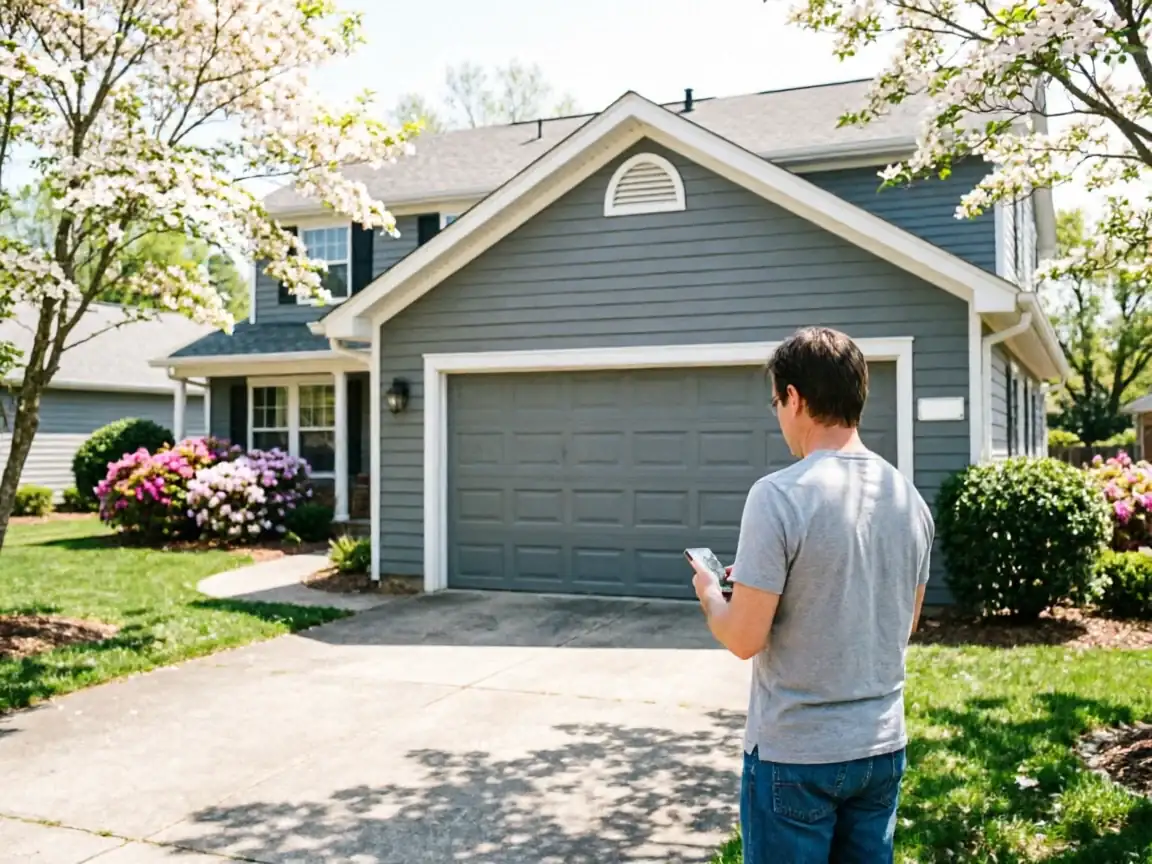
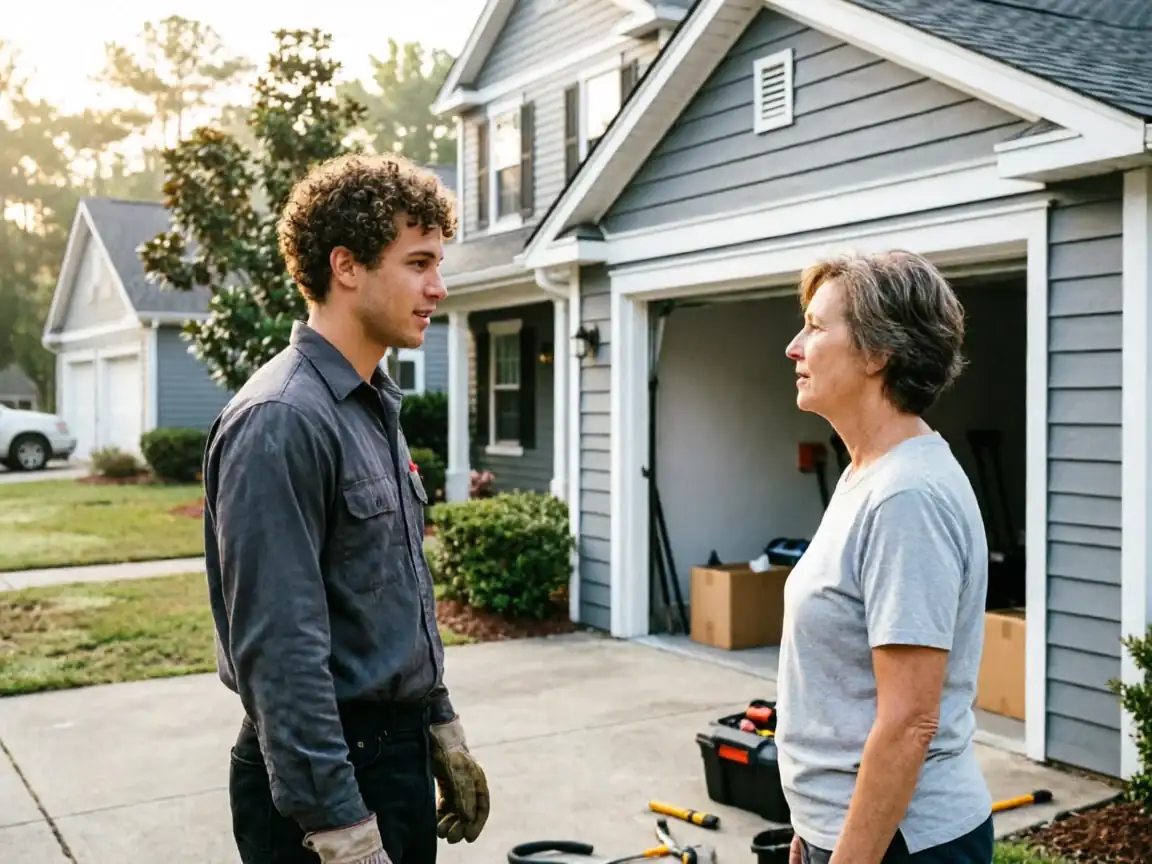
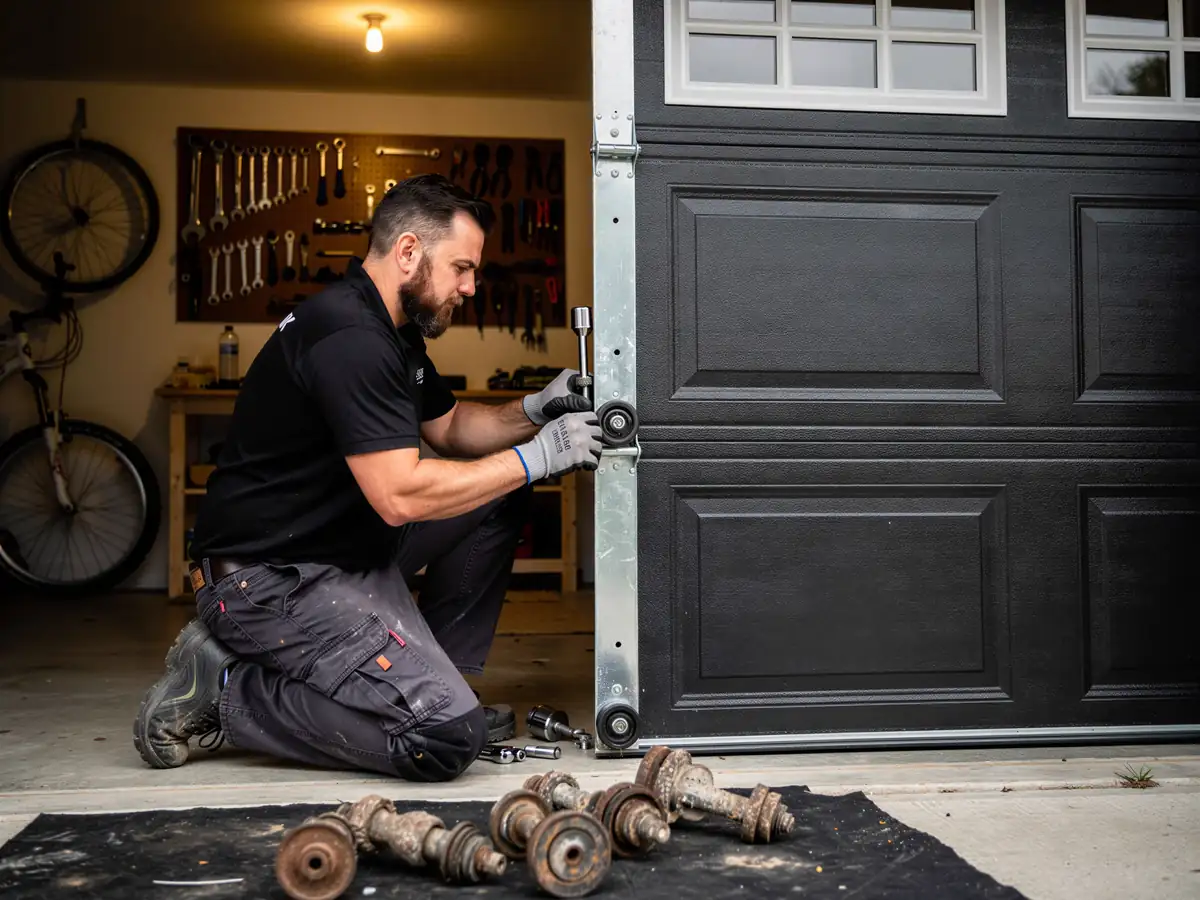
Most of the housing in this corner of the service area went up in the early-to-mid 1990s, with the surrounding stretch running anywhere from the mid-1970s through the mid-2000s. Doors and openers installed in that window are old enough now that the original lubrication has long since dried out and factory-set spring tension has drifted. Add in the area's cold-but-moderate winters - real cold snaps mixed with mild stretches rather than one long freeze - and you get metal that contracts and expands more than owners expect. Track bolts back out, torsion springs lose a little tension every cycle, and nylon rollers that were fine for a decade start to crack. With income levels here among the higher end of the area, median near $88,000, more owners choose to have small issues like this addressed with a service call rather than letting them turn into a full spring replacement. None of this is dramatic. It's slow wear from doors old enough to need attention but not old enough that most owners have thought to call anyone yet.
The Complications
This part of the service area is smaller than some of the suburbs we cover - just under 1,200 households - so there isn't the same density of newer-build neighborhoods pulling the average installation age down. That means more of what we find on a maintenance visit is original hardware: chain-drive openers from the early 1990s, steel torsion springs rated for the cycle counts of that era, and logic boards old enough that nobody manufactures a direct replacement anymore. When a part on one of these systems does fail, we sometimes have to order it rather than pull it off the truck, which can add a few days to a repair that would otherwise be same-visit. Preventive maintenance is the way to stay ahead of that - catching a worn roller or a loose bracket before it turns into a part we have to wait on.
How It Shows Up
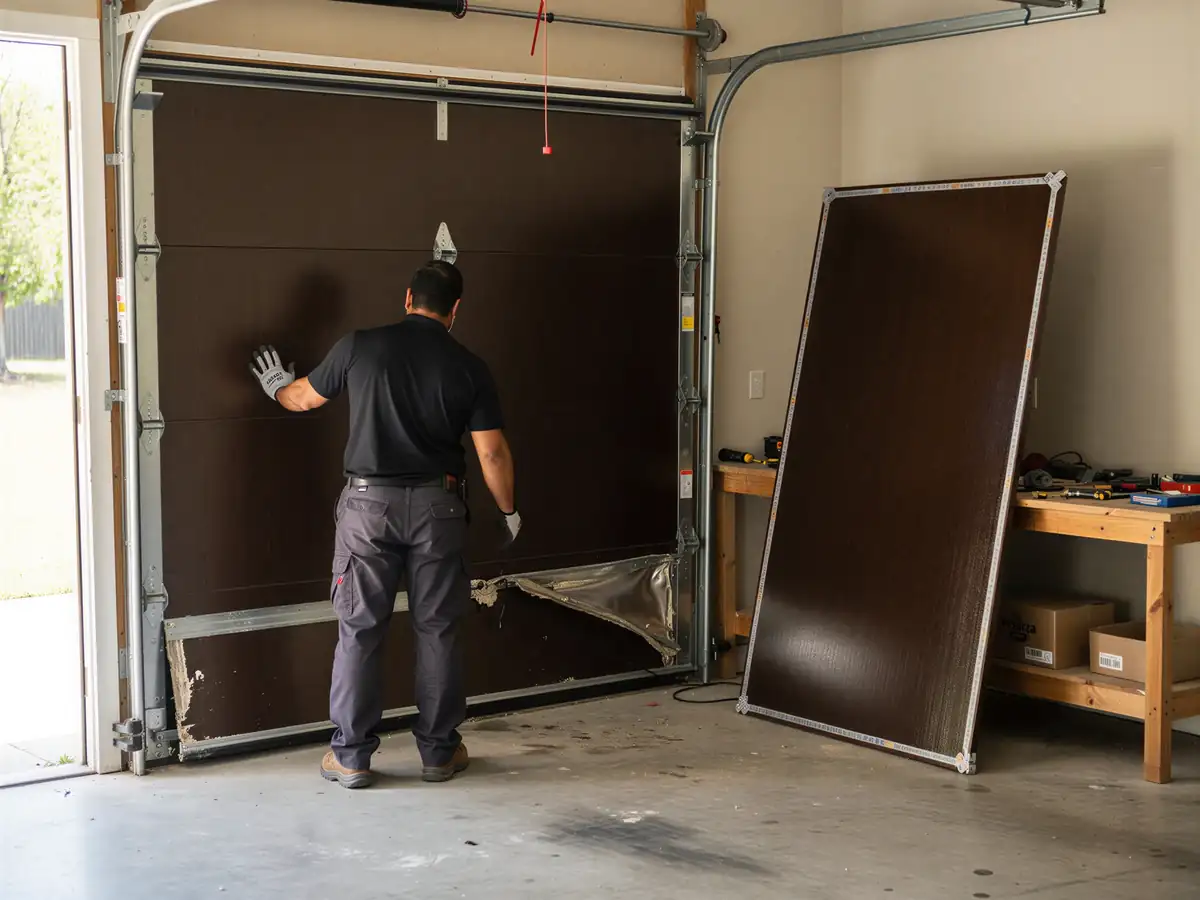
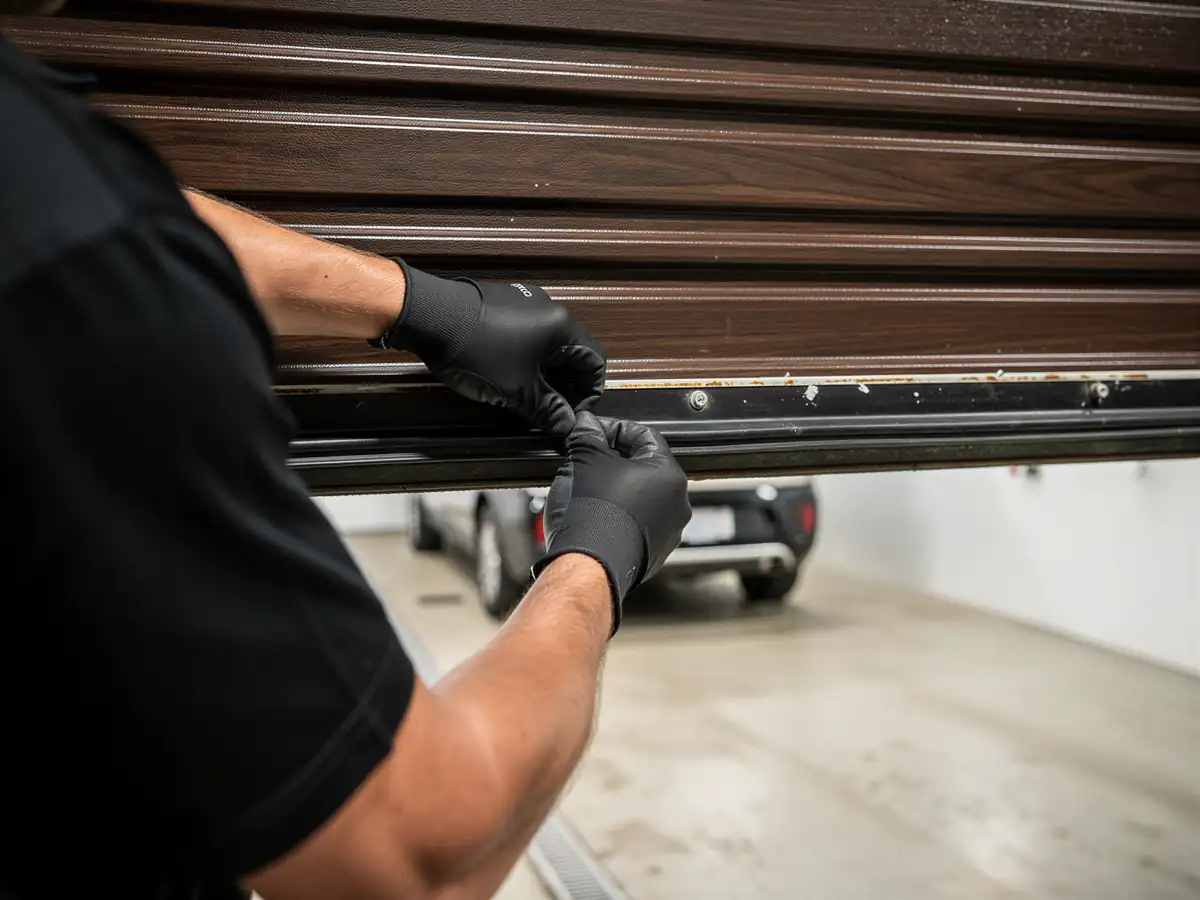
On doors this age, the signs are usually the same: a grinding or popping sound when the door opens, a door that shudders partway through its travel, or an opener that strains and takes a beat longer to get the door moving than it used to. Some owners notice the door doesn't sit flush at the bottom anymore, which usually points to a track that's shifted slightly out of alignment rather than anything wrong with the panel. None of these on their own mean a repair is urgent, but on hardware from the early 1990s they're worth a look sooner rather than later, since a spring that's been straining for years tends to let go all at once rather than give much warning.
The DIY Question
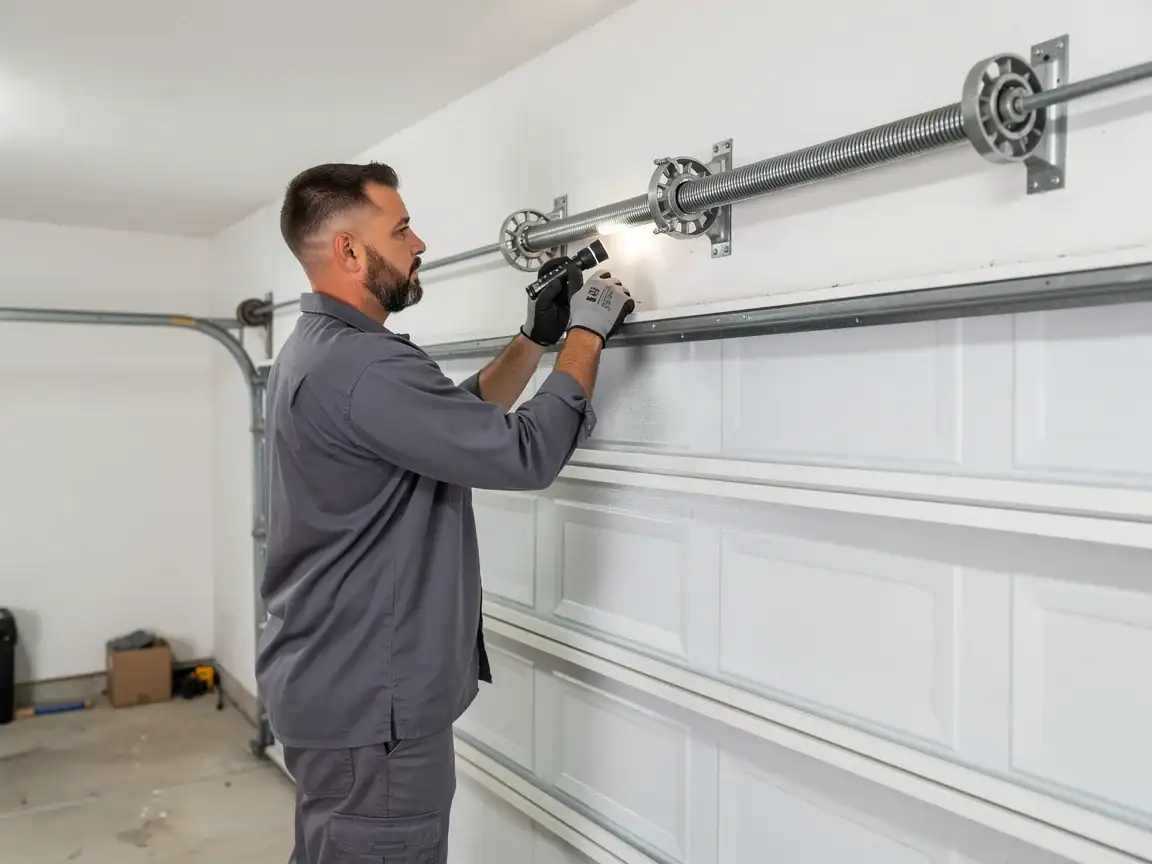
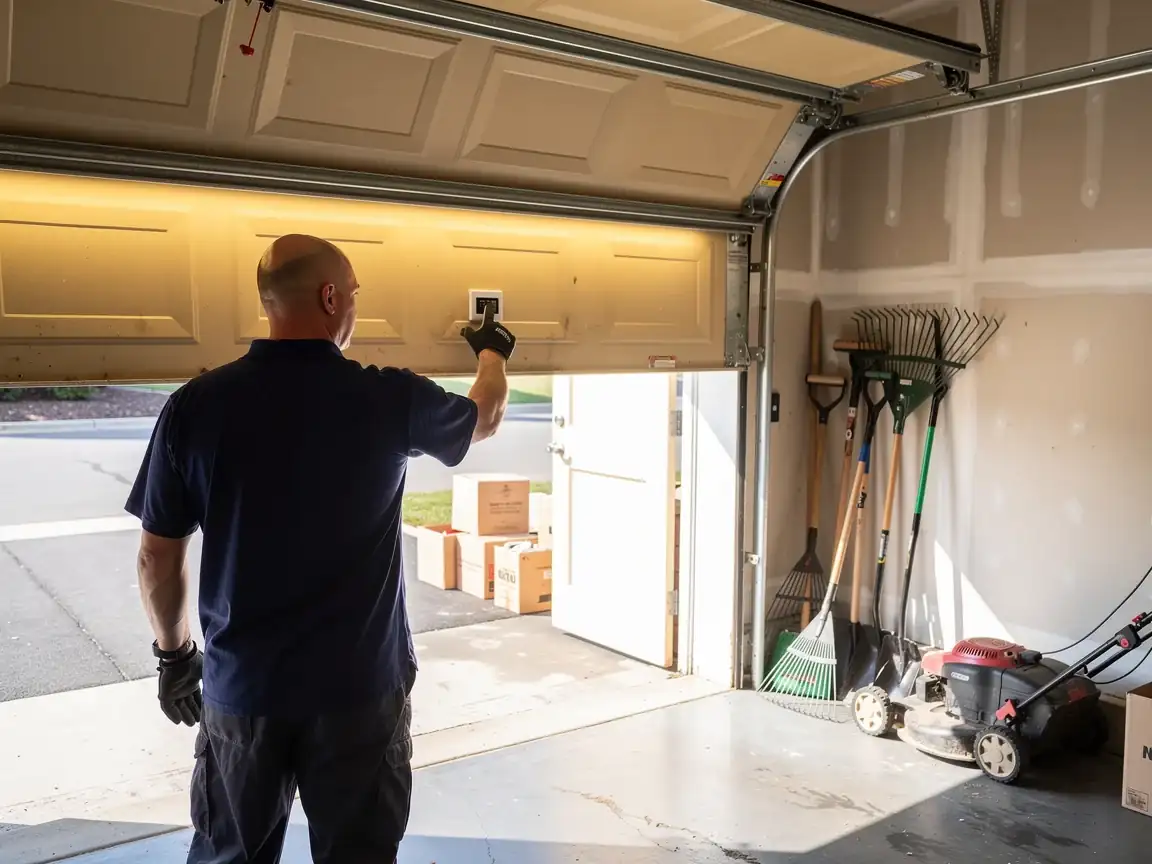
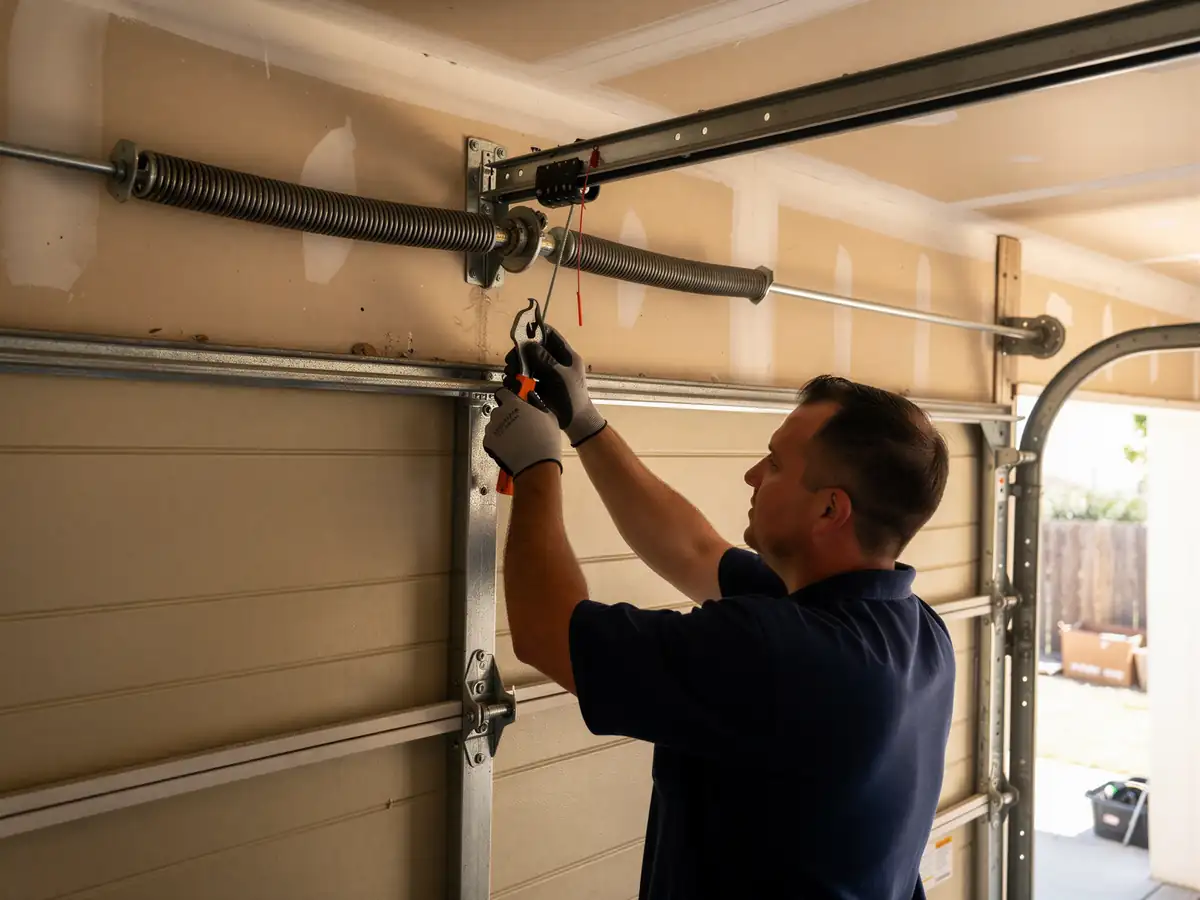
There's real maintenance an owner can do without calling anyone: wipe down the tracks, put a few drops of garage-door-specific lubricant on the rollers and hinges twice a year, and keep an eye out for visible rust on the spring coil. What you shouldn't touch is the torsion spring itself - the tension in a spring that's been holding up a door since the early 1990s is nothing to loosen by hand, and it's the one job on this list that sends people to the emergency room. If your opener is original to the house, it's also worth asking a tech to check the auto-reverse sensors during a visit rather than assuming they still work the way they did when the door first went in.