What Causes It Around Here
Across the wider service area, the housing stock runs 1974 to 2005 with a median build year of 1993, and it's mostly 1980s-90s construction across the nine areas we work. Mineral Springs sits right in that window, with a median build year around 1991 - just ahead of the service-area median. That two-year gap matters more than it sounds: doors and openers installed right around 1991-1993 landed on either side of the federal rule requiring photo-eye reversal sensors on residential openers, which took effect in 1993. A lot of these original openers predate that sensor requirement entirely, which is one of the more common reasons we get called out for a full install rather than a repair - you can't legally or safely retrofit an old opener to meet that standard, you replace it.
The Complications
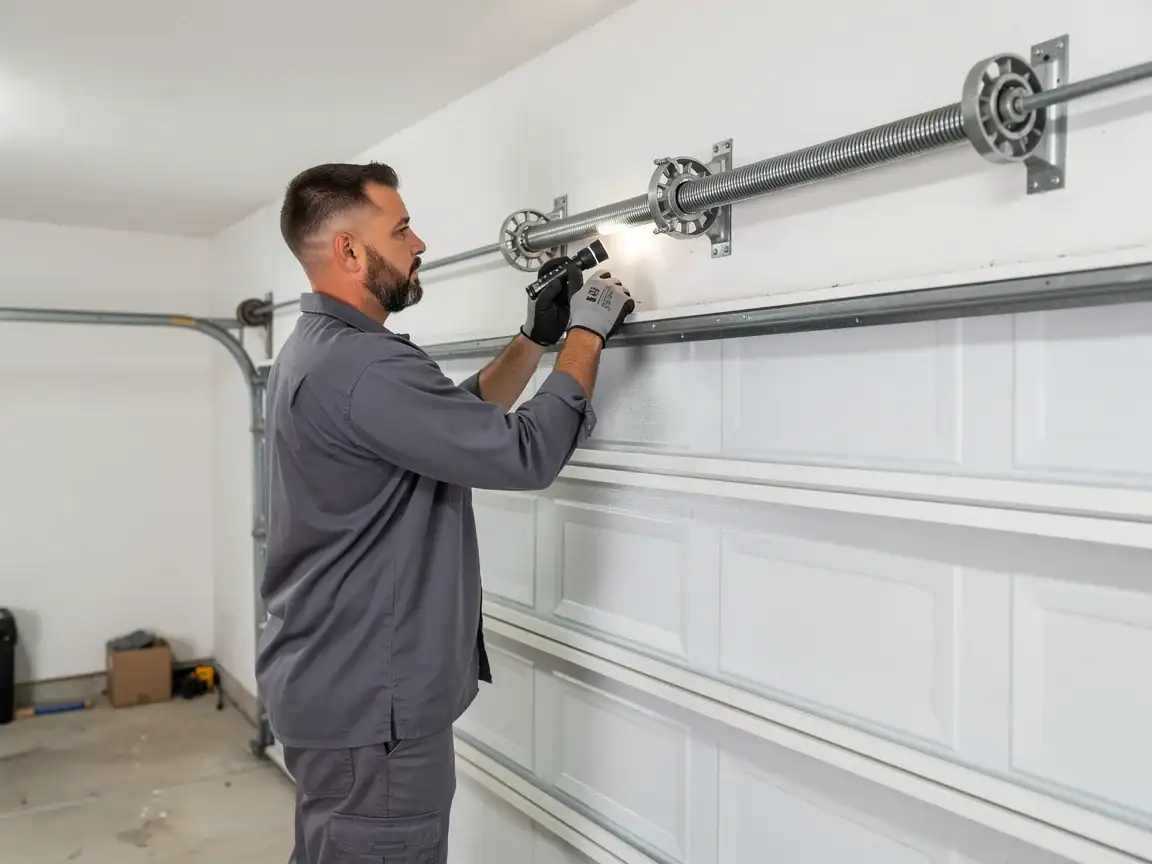
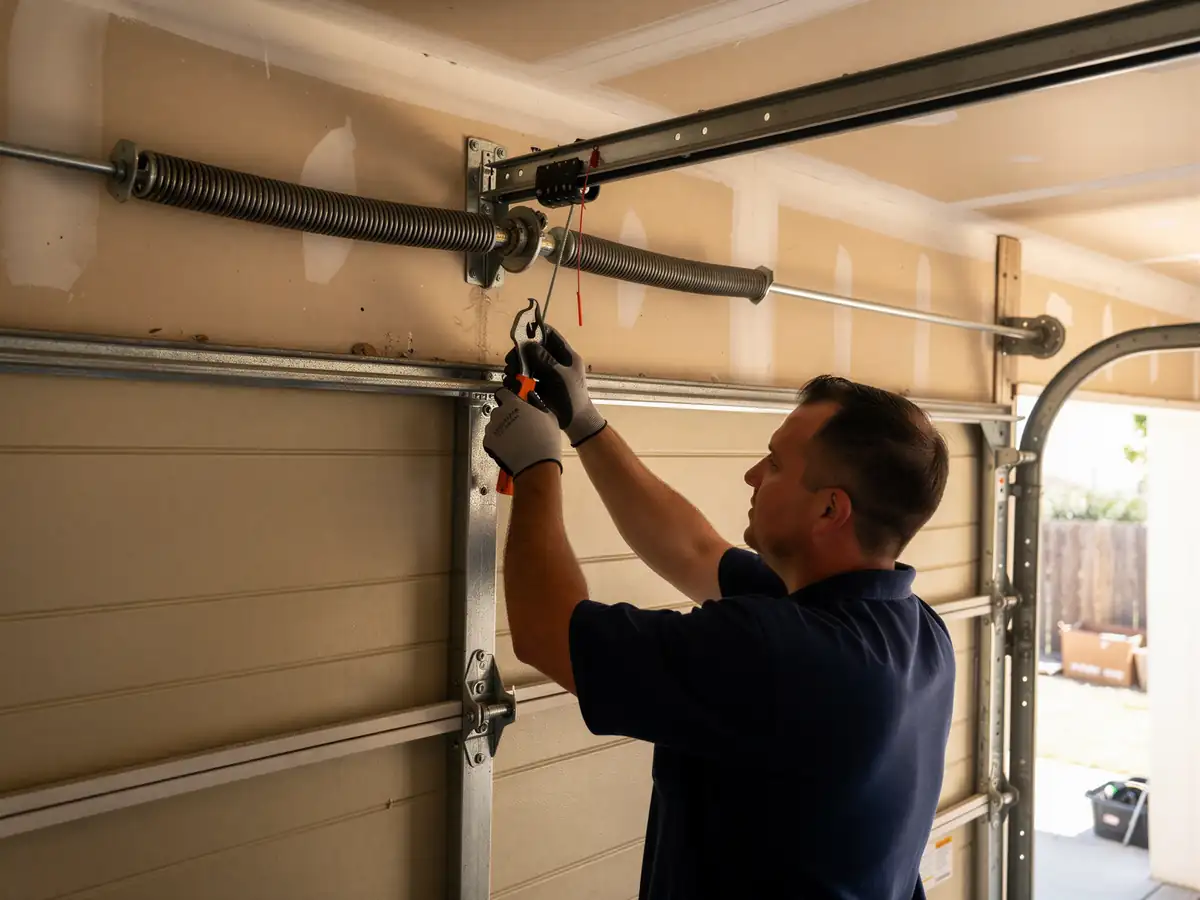
The service area sits in a cold-moderate climate band, which is harder on garage door hardware than people expect from a region that doesn't get brutal winters. Steel sectional doors from the early 90s typically ran non-insulated or single-layer, and the galvanized coatings of that era weren't what they are now - bottom panels near grade corrode from the inside out long before the door looks bad from the street. Torsion springs sized for mild-climate duty cycles also fatigue faster with repeated cold-to-warm swings, which is part of why a spring on a 1991-built house can snap well before the rated cycle count. None of this is dramatic weather - it's just thirty-some years of ordinary seasonal stress on hardware that was never built for that long a service life.
How It Shows Up
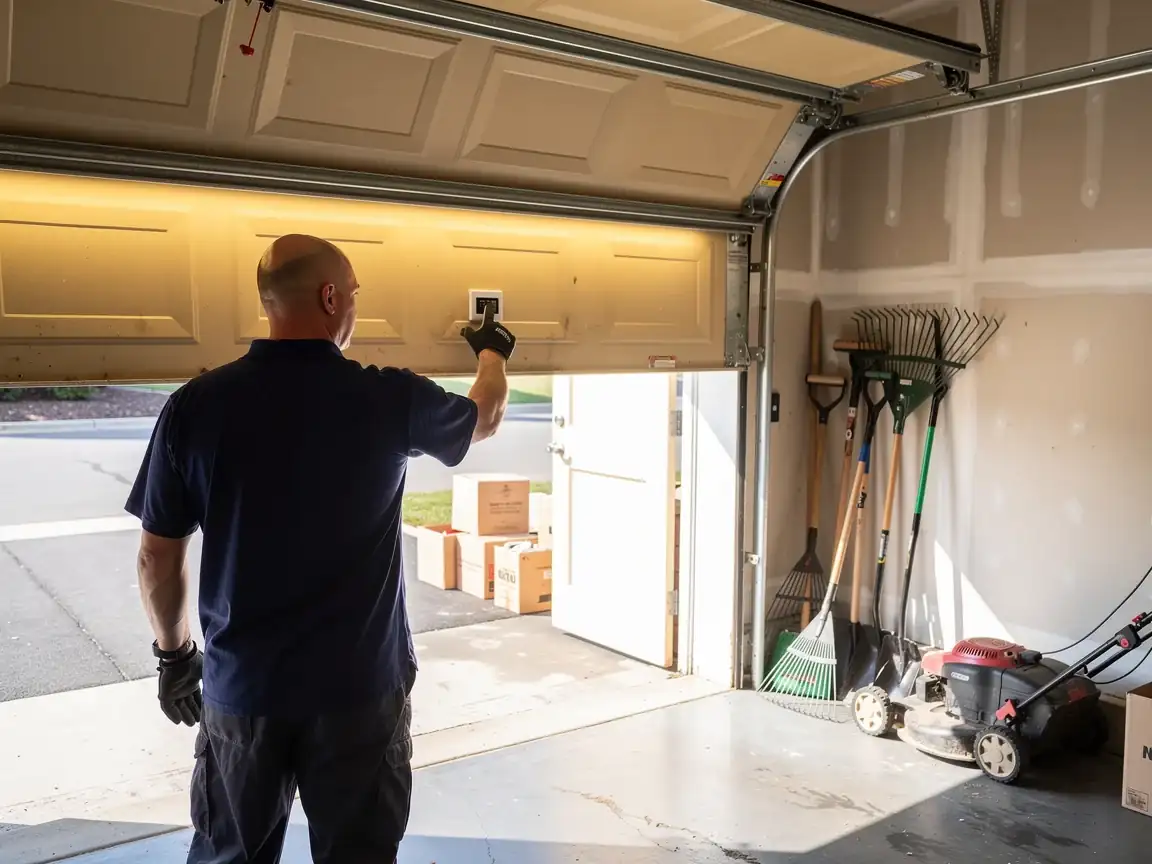
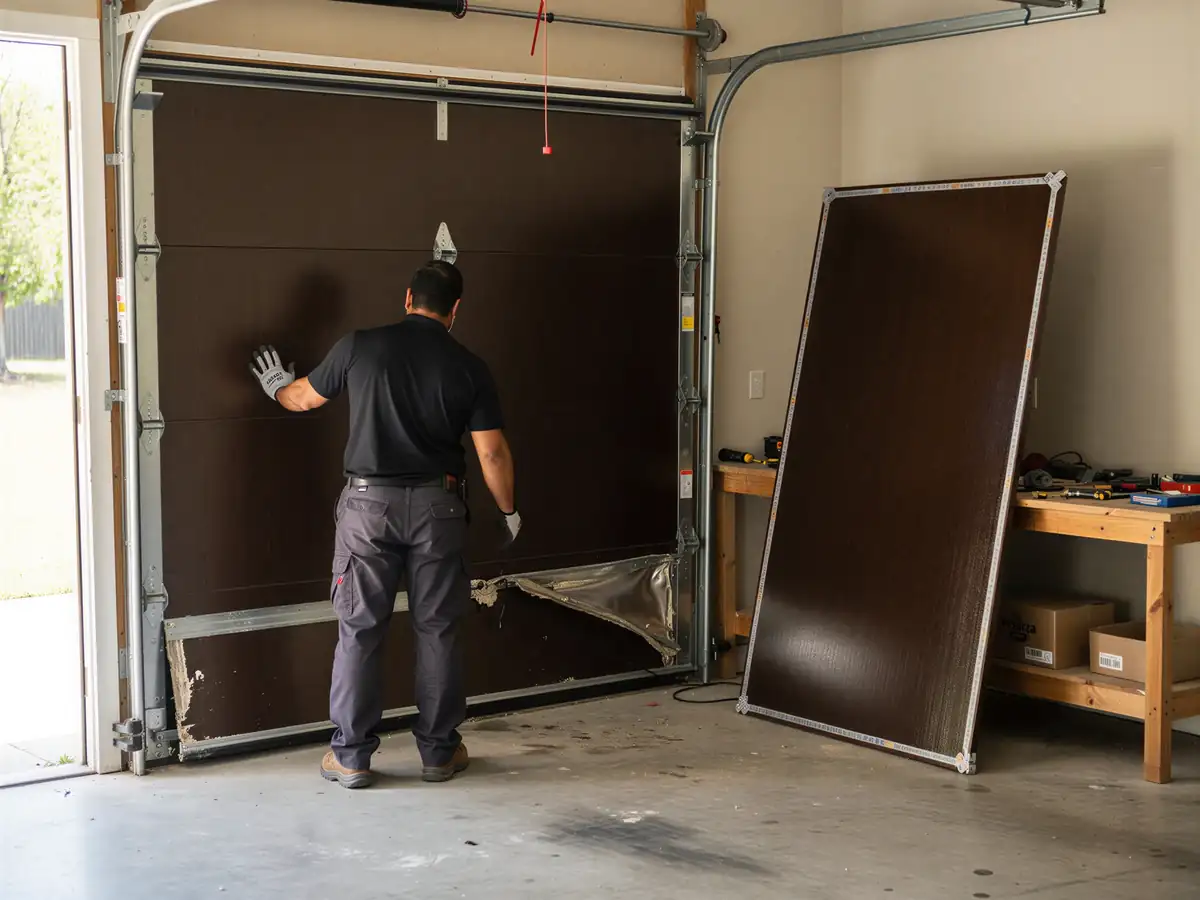
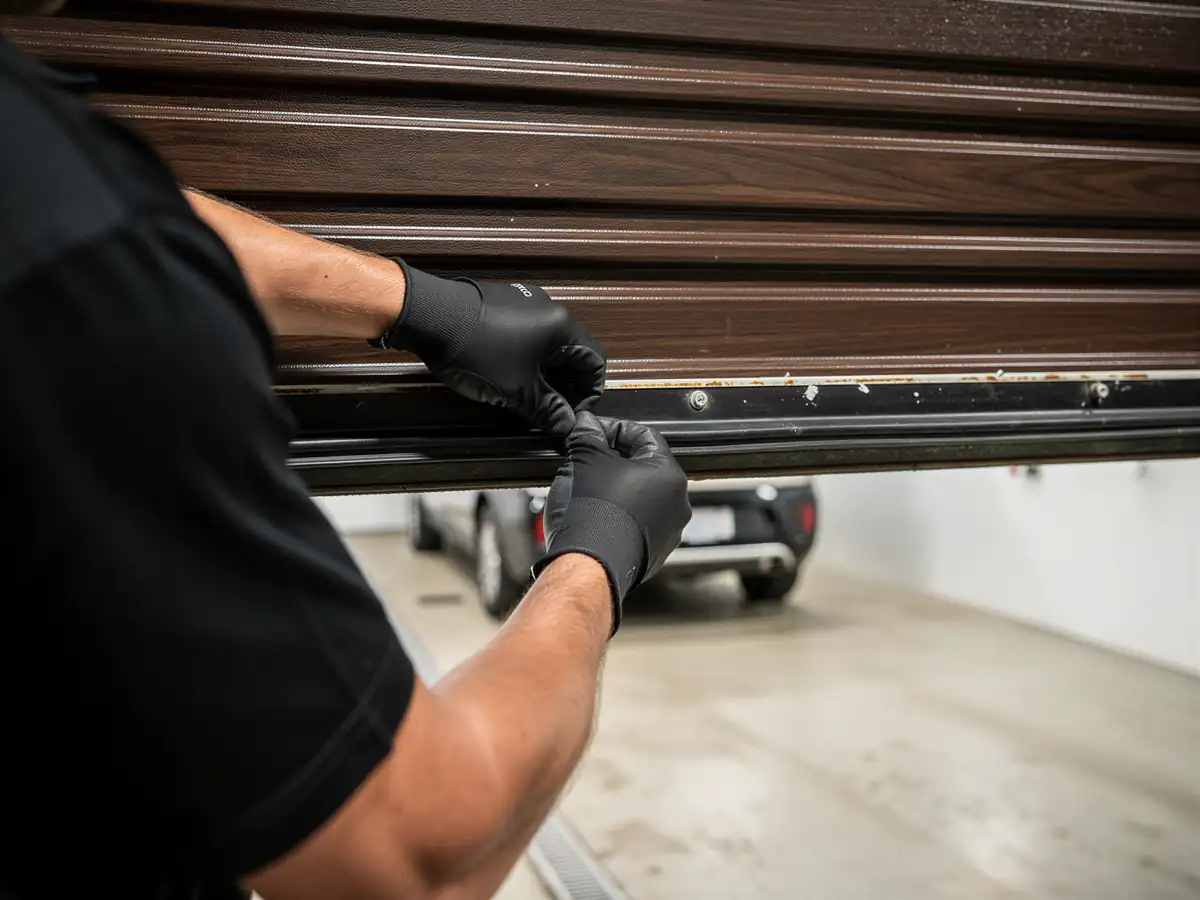
The call usually starts with one of a few patterns on houses from this build era: a door that's noticeably heavier to lift by hand than it used to be, a bottom panel with rust bubbling through the paint near the weather seal, or an opener that runs but doesn't reverse when something's under the door - a real safety issue on pre-1993 units. Sometimes it's simpler: the door still works, but the owner wants off a door that doesn't have a photo-eye sensor at all, especially with kids or pets in the house. We'll tell you straight if the door itself is fine and it's really just the opener that needs replacing, rather than selling a full door swap nobody needs.
The DIY Question
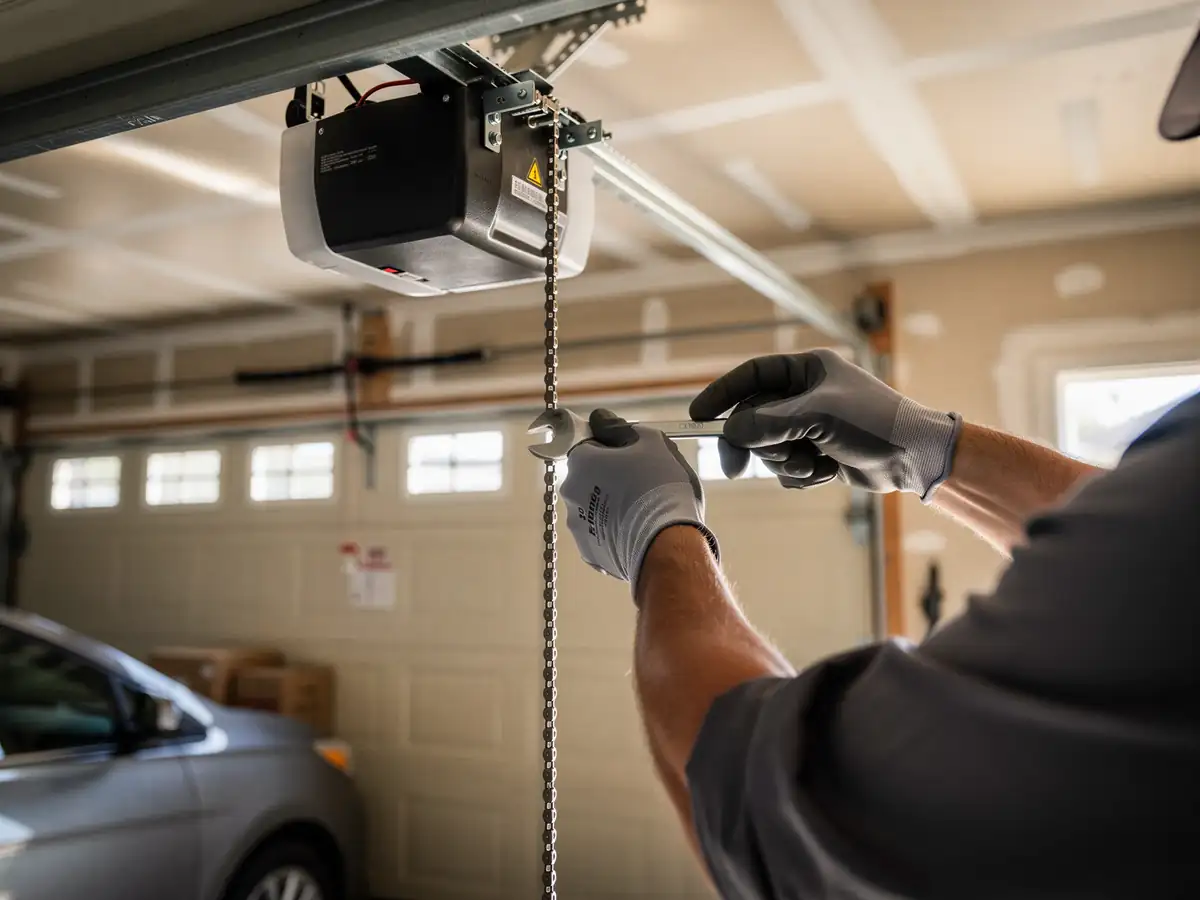
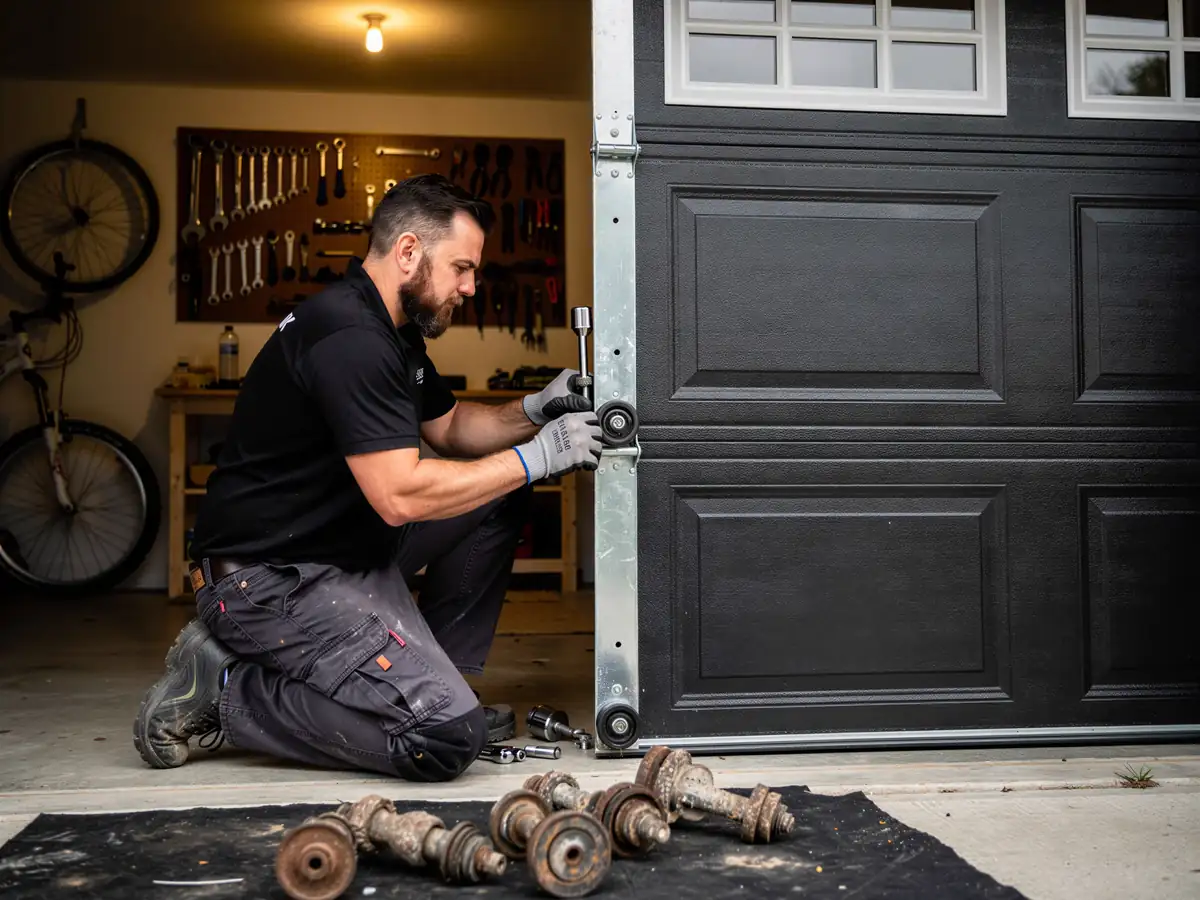
Swapping an opener head unit is within reach for a handy homeowner if the existing track and springs are sound - that part isn't the dangerous end of the job. Replacing the door itself, resizing a torsion spring, or rewiring safety sensors on a 1991-era setup is not a weekend project; torsion springs store enough force to cause serious injury, and getting the sensor height and track plumb wrong on a new door creates a safety problem rather than fixing one. If your main goal is just getting a reversal sensor onto an old opener, that's sometimes a smaller job than a full install - worth a conversation before you commit to replacing the whole door.