Is Your Waxhaw Garage Door Worth Fixing, or Time to Replace
Most Waxhaw homes date to 1974-2005. Here's how that housing stock and our cold-moderate winters decide whether a garage door is worth repairing or replacing.
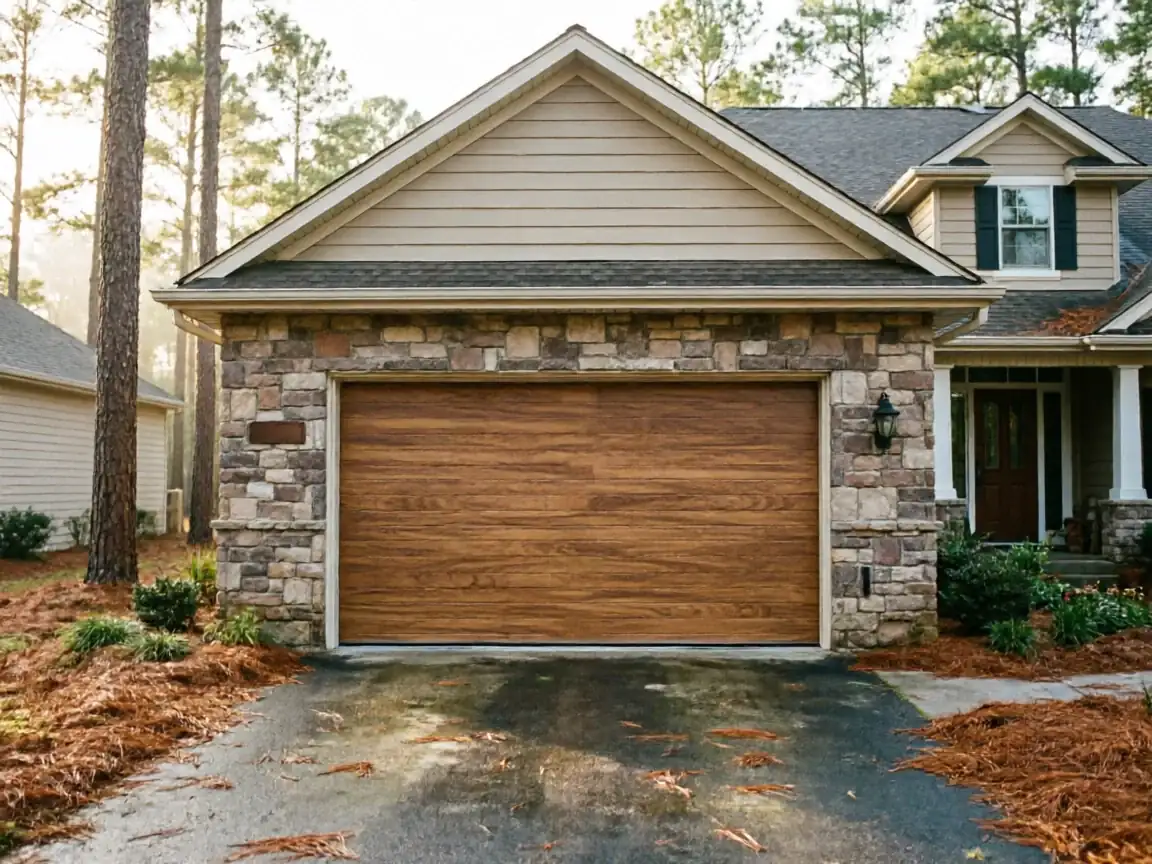
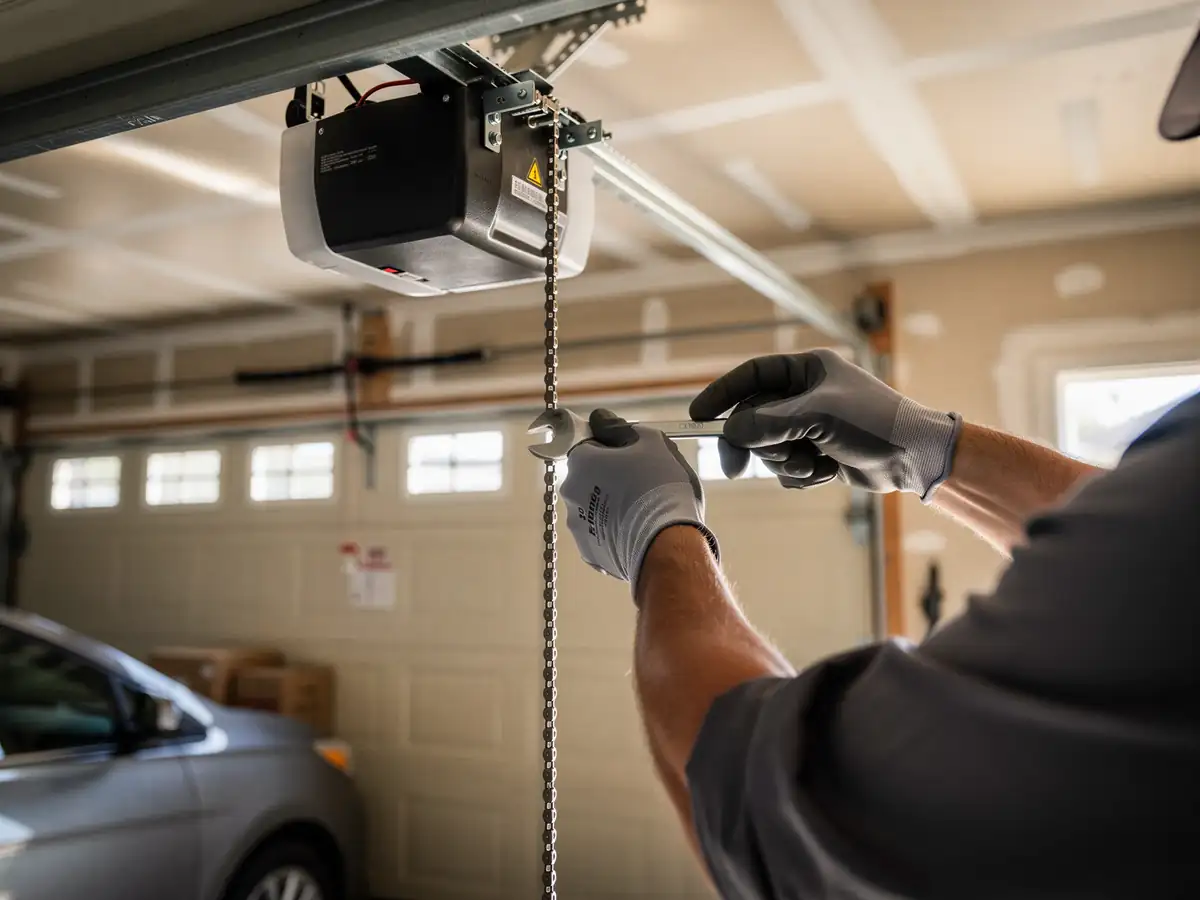
Waxhaw's housing stock is young compared to a lot of the Carolina piedmont - most of it went up between 1974 and 2005, with the median build year sitting around 1993. That matters more than people think when you're deciding whether to fix a door or replace it. A door installed when a house was built in the early 90s is now thirty-plus years old, and the springs, rollers, and openers from that era weren't built to last forever. Across the nine named pockets that make up this service area, the stock runs mostly 1980s and 90s construction, which means a lot of garages still have their original torsion hardware or a first-generation chain-drive opener bolted to ceiling joists that have never been touched since the house was framed. That's not a bad thing - it's consistent, and it means a tech can usually guess what's behind the panel before pulling it off. But it also means a huge share of calls in this area involve parts that have simply aged out, not parts that were installed wrong. Fixing a door here is rarely about correcting a mistake. It's about catching metal fatigue before it catches you.
The Problem
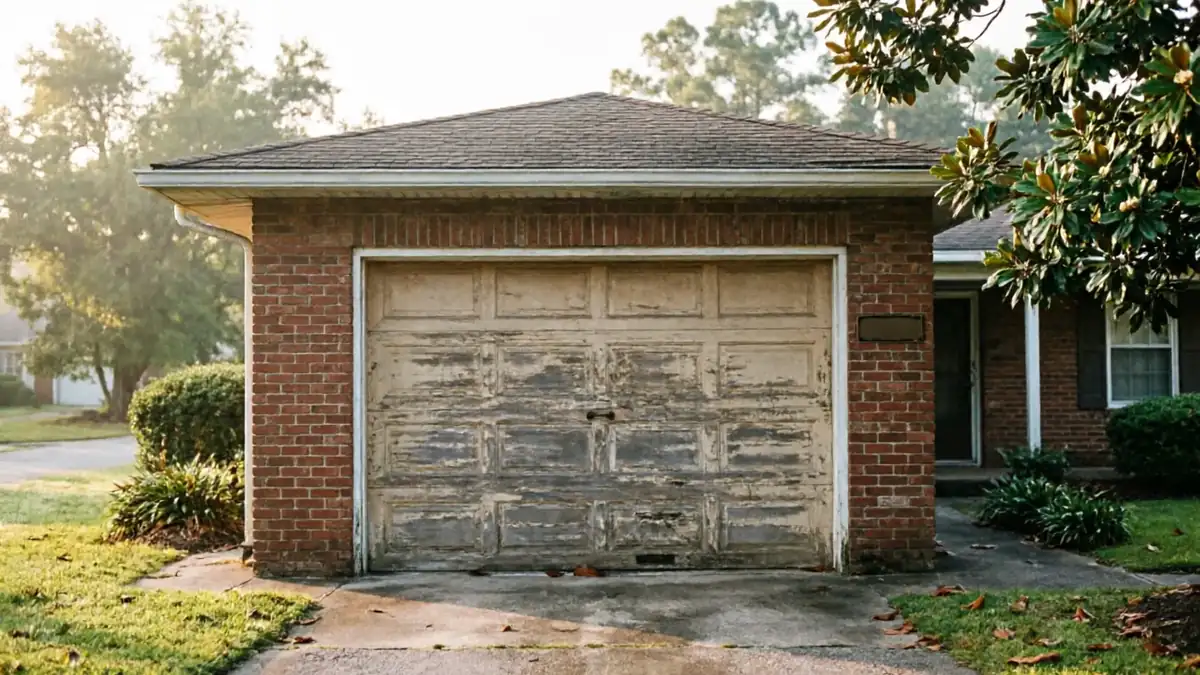
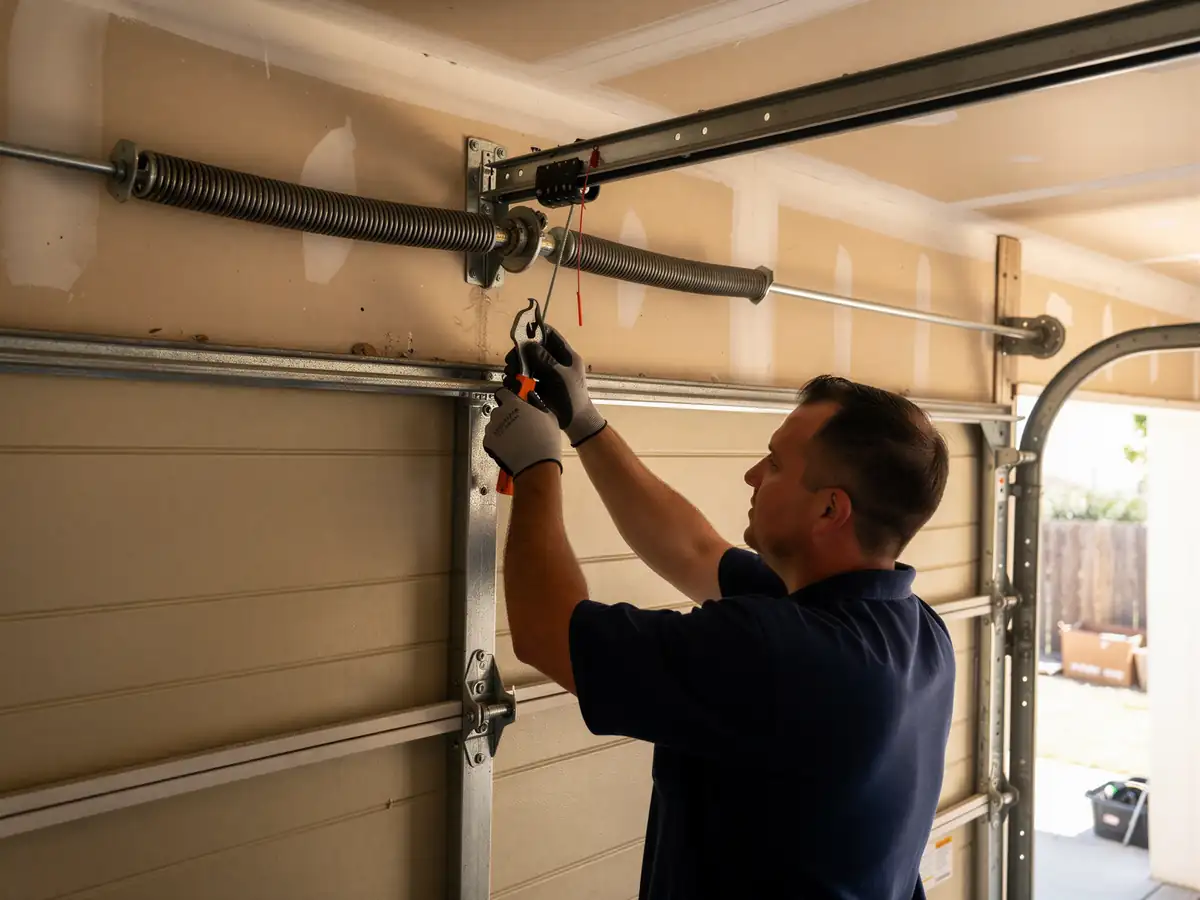
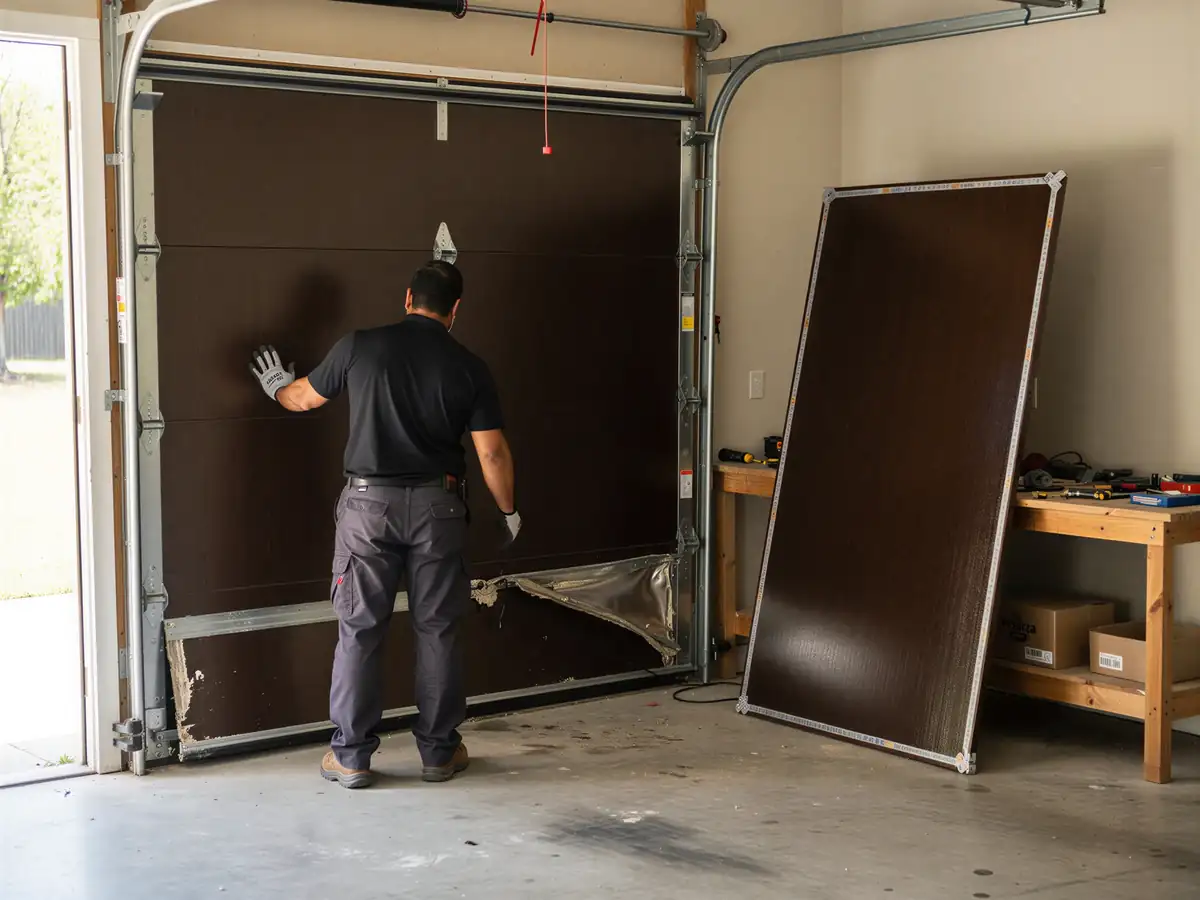
The question homeowners actually ask is simpler than it sounds: do I put another spring on this door, or do I replace the whole unit. The honest answer depends on the door, not the house's price point. A steel sectional door from the 90s with intact panels and a track that still runs true is almost always worth fixing - a new torsion spring and a serviced opener will often get another decade out of it. What's not worth fixing is a door where the bottom panel has rusted through, the track is bent from someone backing into it, or the opener is an original unit with a logic board nobody stocks parts for anymore. With median household income in this area at $89,417 and roughly 15,065 owner-occupied houses across the service area, most of these are owned homes where a $150-250 repair beats a $1,200 replacement nine times out of ten - but only when the bones of the door are sound. We won't talk you into a new door because the old one is inconvenient. We'll tell you straight if the panel's shot and a patch job is throwing money at it.
The Seasonal Bit
This area sits in a cold-moderate climate band, which means winters cold enough to stiffen grease and shrink metal, but not cold enough to crack a door the way a true northern climate would. What that does to an older door: the torsion spring loses a little tension every cold snap, rollers that were already worn start binding on cold mornings, and openers with aging capacitors struggle to pull a heavier door in the cold before they finally quit. If your door is from the 80s or 90s stock that's common here, that seasonal stress is cumulative - it's not one bad winter that kills a spring, it's twenty of them. That's also why late fall is the best time to have an older door looked at here: catching a spring that's down to its last few winters before it snaps saves you a stuck car and a cable whipping loose in a closed garage.
Where People Go Wrong
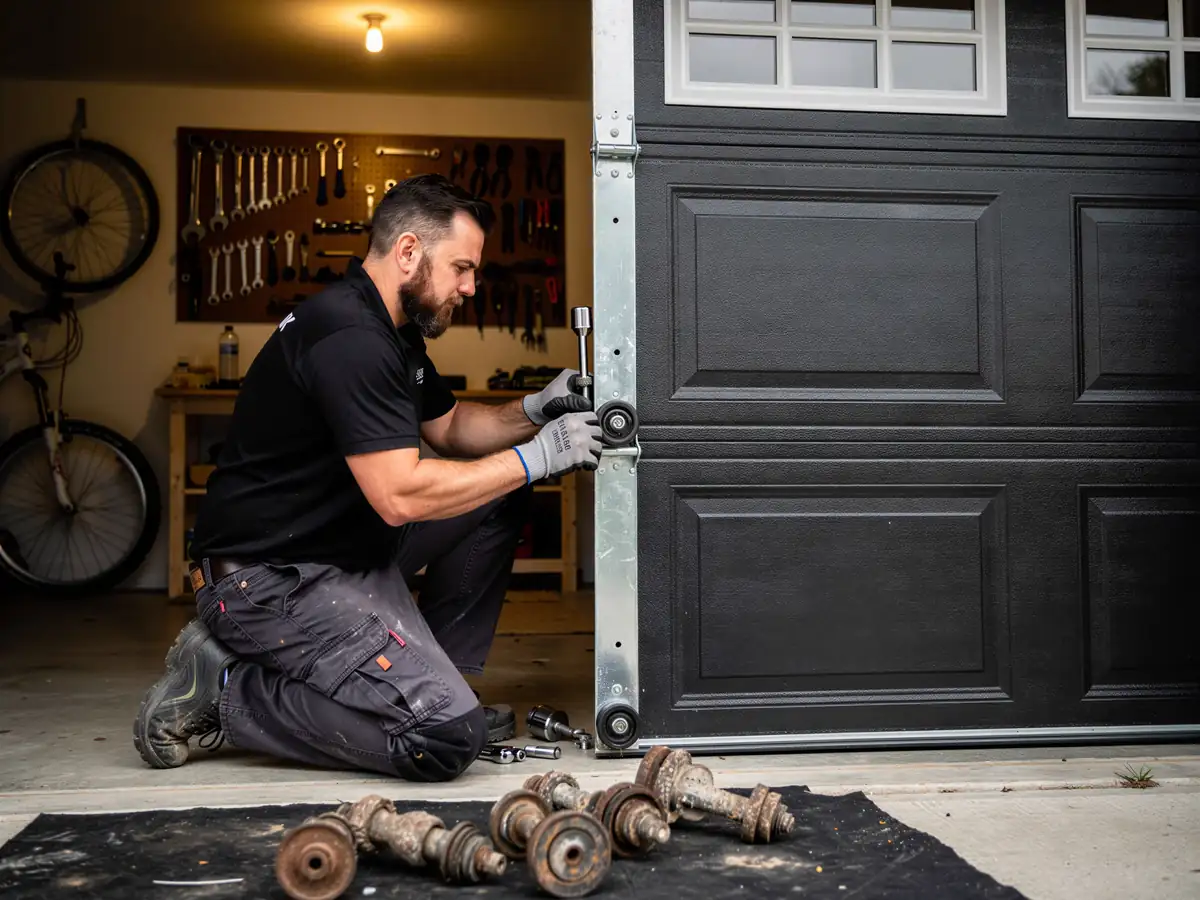
The mistake we see most in this area, from Mineral Springs out to Wesley Chapel and Weddington, is homeowners replacing a single part - a roller, a cable - on a door that's actually failing as a system. If your door was built with the house back in the 80s or 90s, the springs, rollers, hinges, and opener gears all aged together. Fixing one part on a door that old often just shifts the load onto the next weakest part, and you're back out here in six months for something else. The other mistake is waiting until a spring fully snaps before calling anyone - by then you're also dealing with a jammed track or a bent panel from the door dropping unevenly. We don't do full replacements just because a door is old; a sound steel door from this era with good panels is still worth repairing. But we'll tell you when the smarter move is one full-system fix instead of three separate ones.
How it works
From “it’s stuck” to “it’s fixed”
01
Tell us what’s wrong
Describe the symptom - won’t open, loud bang, opener runs but the door won’t move.
02
On-site diagnosis
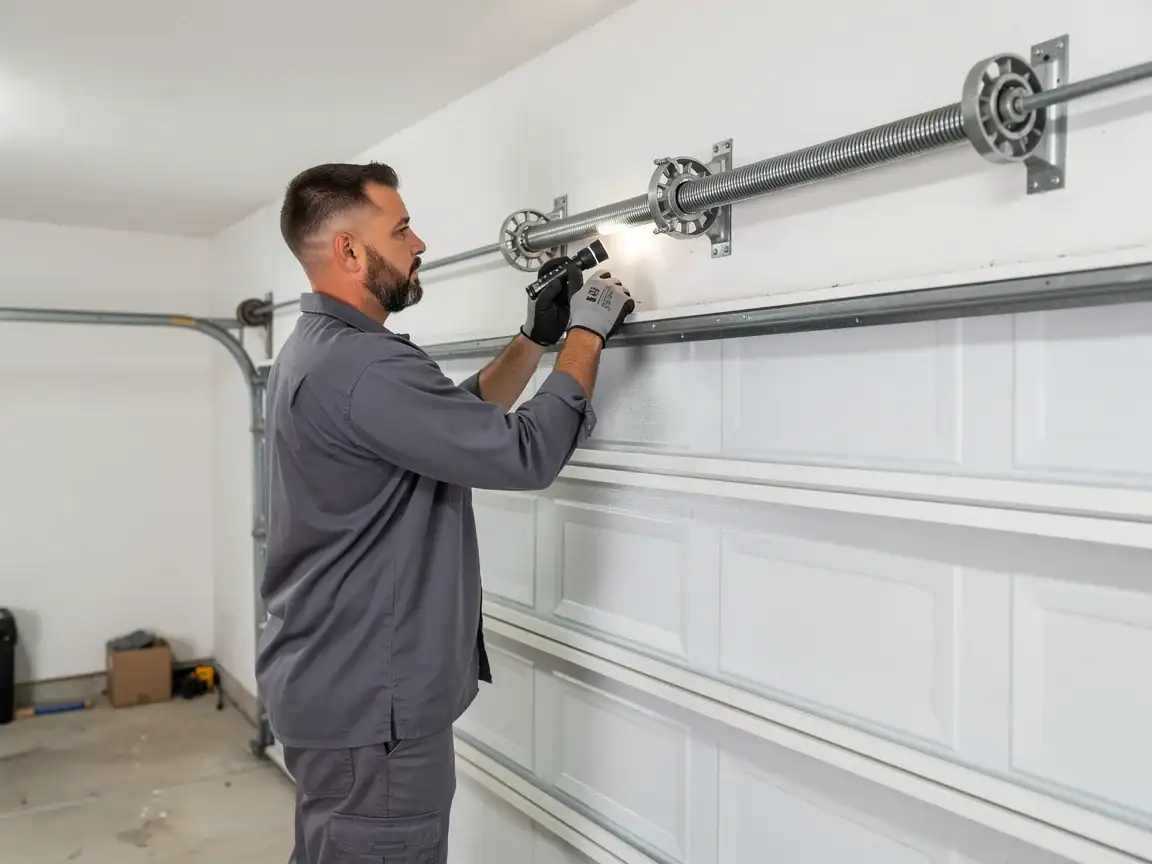
A technician tests the door under power and by hand and finds what actually failed.
03
Clear, up-front plan
You get the fix that’s needed and what drives the cost - before any work starts.
04
Repaired & tested
The repair is done, the door is set true and tested, and the work area left clean.
Not sure which repair your door needs in Waxhaw, NC? Describe what it’s doing - every job starts with a diagnosis.
My garage door is from when the house was built in the early 90s. Is it too old to fix?
Not necessarily. A lot of houses in this area date to that era, and a steel sectional door from the 90s with solid panels and a straight track is usually a good repair candidate. Age alone doesn't rule out fixing it - rust-through panels, a bent track, or a dead opener board do.
Why does my door act up more in winter here?
This area sits in a cold-moderate climate band. Cold doesn't crack doors here the way it does further north, but it does stiffen grease, shrink metal slightly, and add load to springs and openers that are already worn. Older doors from this area's 80s and 90s housing stock feel that cumulative stress first.
Is it cheaper to fix a spring or replace the whole door?
Fixing a torsion spring on a door with sound panels and a straight track typically runs far less than a full replacement. We only recommend replacement when the panels are rusted, the track is bent, or the opener is an old unit we can't get parts for anymore.
Do you serve areas outside Waxhaw proper?
Yes, this service area covers Waxhaw and the surrounding named areas including Mineral Springs, Wesley Chapel, Weddington, Marvin, and out as far as Hemby Bridge and Pineville.