What Causes It Around Here
Most of the housing stock in and around Waxhaw went up between 1974 and 2005
With the bulk of it dating to the 1980s and 90s across the nine neighborhoods that make up this area. That's a 20 to 45 year window on garage door openers now, and that's the exact age bracket where original motors, logic boards, and limit switches give out. A lot of these homes still have their first opener - nobody upgrades a part they can't see failing slowly.
- 45 year
The cold winters here add a second layer
This area sits in a moderate cold climate band, which means openers in unheated garages deal with real temperature swings season to season. Grease inside the gearbox stiffens in the cold, drive belts and chains contract, and capacitors that were already marginal from age give up faster when they're cycling through freeze-thaw months. A unit that's been limping along since the Clinton administration doesn't need much of a push.
With roughly 15,065 owner-occupied houses across a service area of over 20,000 households
We're not talking about a handful of outliers. This is a predictable wave of openers reaching end of life at roughly the same time, because they were installed at roughly the same time.
- 15,065 owner-occupied
- 20,000 households
How It Shows Up
The door doesn't move when you hit the remote, but the opener light comes on - that's usually a dead capacitor or a stripped drive gear, not the motor itself. Other times the door starts up fine and stops halfway, which points to worn limit switches or a sensor that's lost calibration after years of minor vibration.
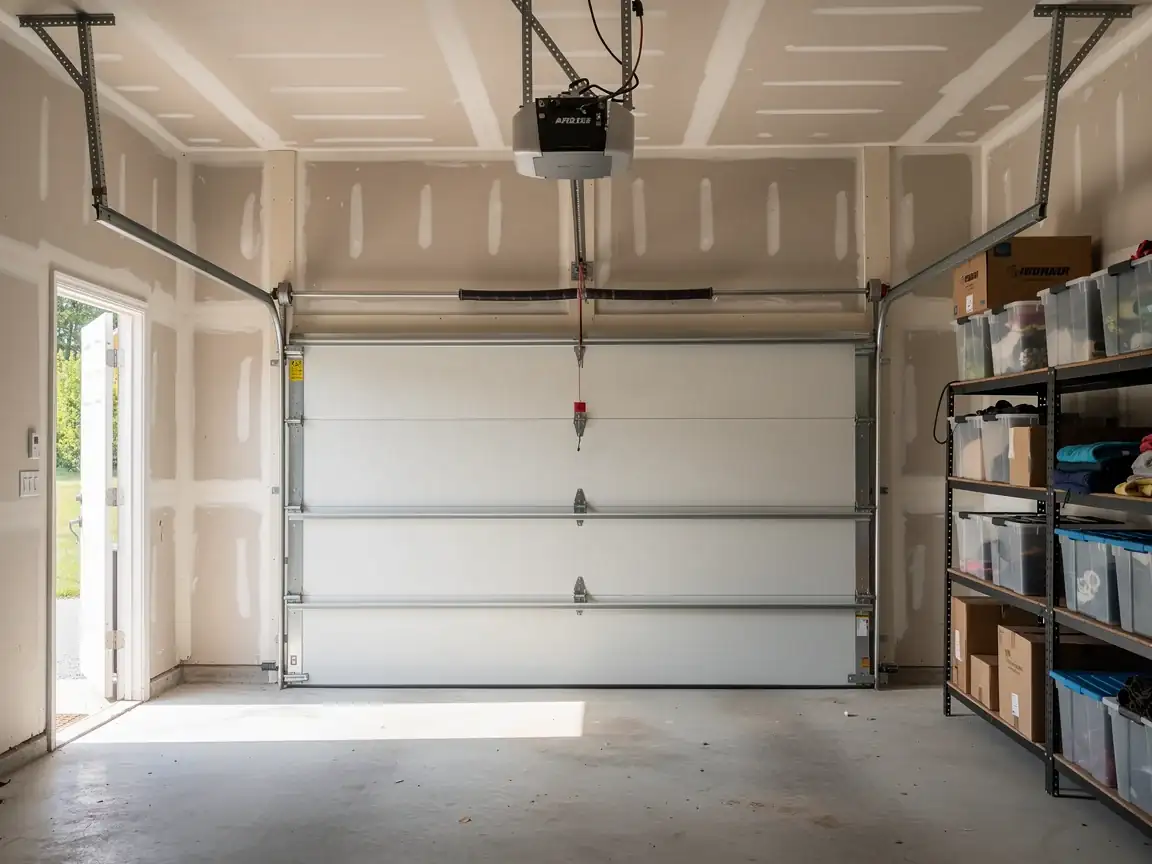
You'll also hear it before you see it fail outright: grinding on the chain or belt, a motor that hums but doesn't engage, or a remote that only works if you're standing right under the unit. In older openers from the 1980s and 90s stock common in this area, the circuit board itself is often the weak link - these boards weren't built to last 30-plus years, and once one trace corrodes or a relay sticks, the whole board usually needs replacing rather than patching.
Cold mornings tend to expose problems that don't show up in summer. An opener that works fine in July but hesitates or reverses on its own in January is telling you the gearbox grease or a weak spring balance is struggling with the temperature swing, not that the opener itself is brand new to failing.
What the Fix Involves
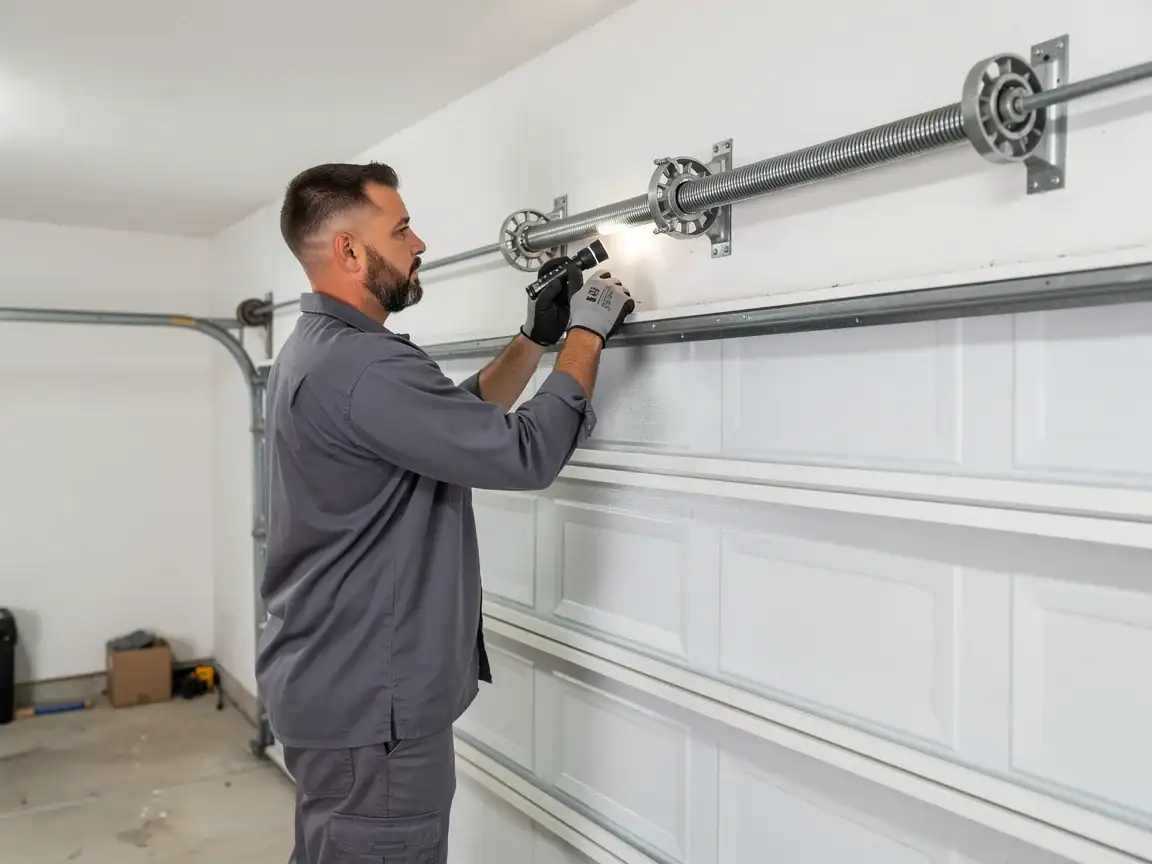
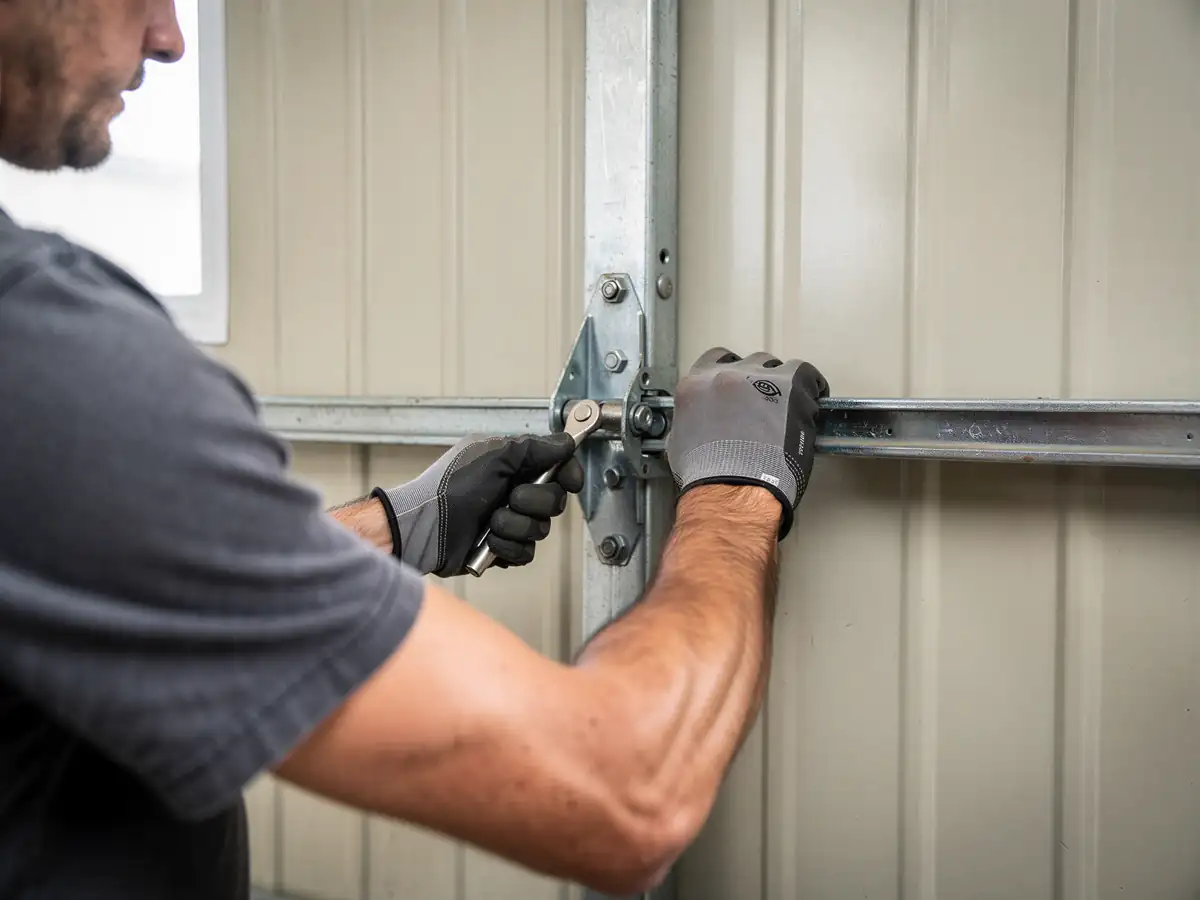
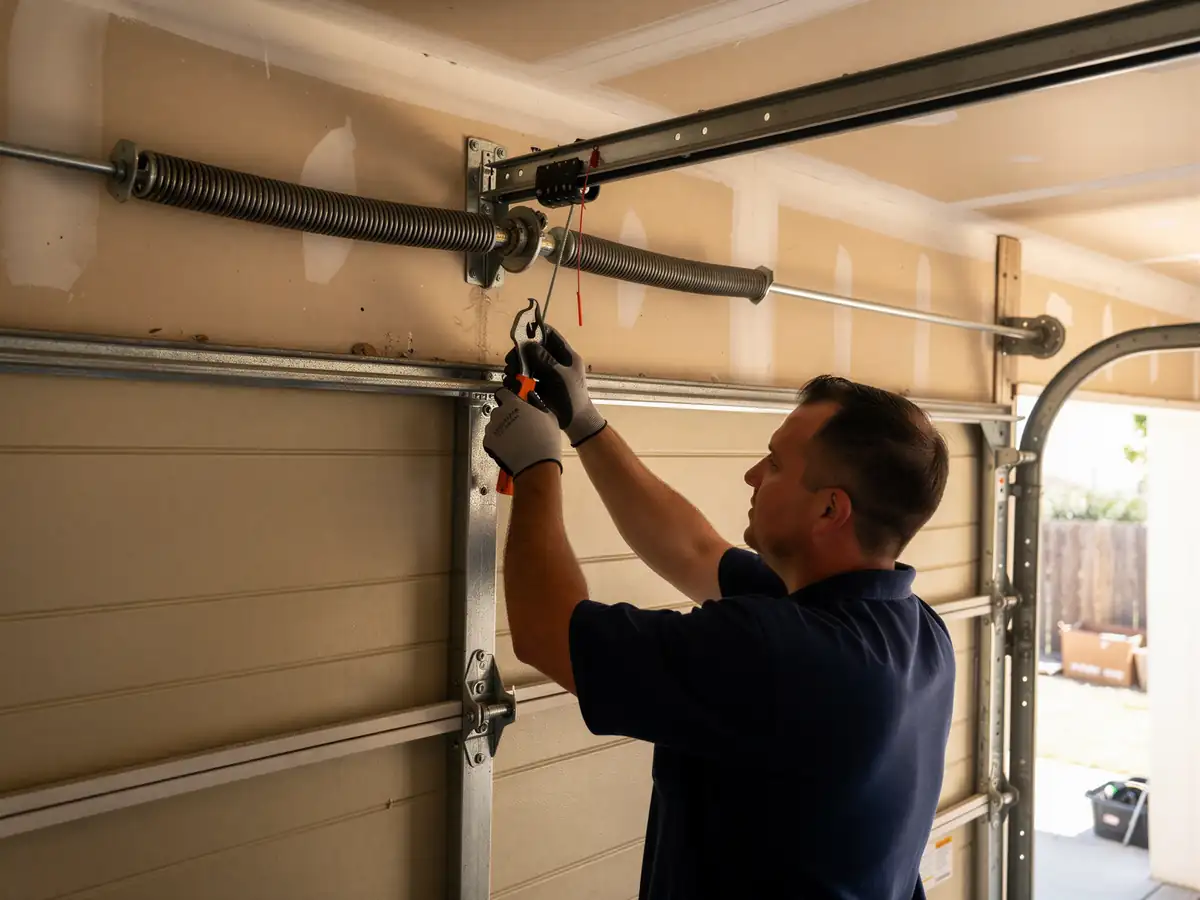
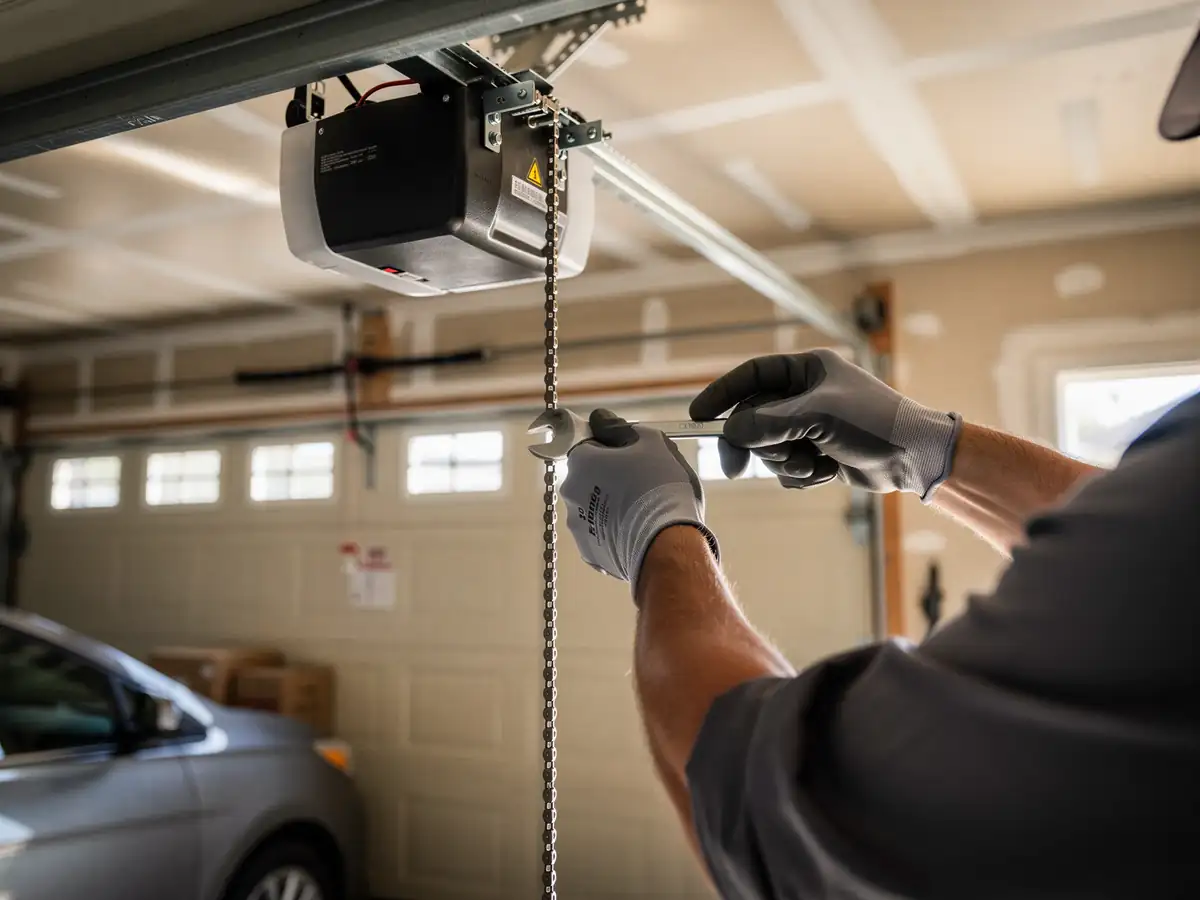
We start by figuring out if the opener head is the actual problem or if a tired torsion spring is just making the motor work harder than it should - a lot of what looks like 'opener failure' is really the door fighting an imbalanced spring. On units from the 1974-2005 build era common here, we check the circuit board, the capacitor, the limit switches, and the drive mechanism (chain, belt, or screw) separately, since any one of them can fail without the others.
Sometimes it's a straightforward swap: a new logic board, a new capacitor, or a drive gear kit if the original is stripped. Other times, especially on openers original to a 1980s or 90s build, parts simply aren't made anymore and a full opener replacement is the honest answer rather than chasing discontinued parts.
We test the safety reversal sensors every time, regardless of what brought us out, because a sensor that's drifted out of alignment is a liability nobody should leave unresolved once we're already under the hood.
The Complications
Here's the limitation worth knowing up front
If your opener is original to a house built in the 1980s or early 90s, the manufacturer may no longer make the board or gear kit it needs. We'll always tell you straight when a part is obsolete rather than quote you a repair that depends on finding one. In that case, replacement is usually the better money anyway - older motors draw more power and don't have the safety reversal standards that are now baked into current units.
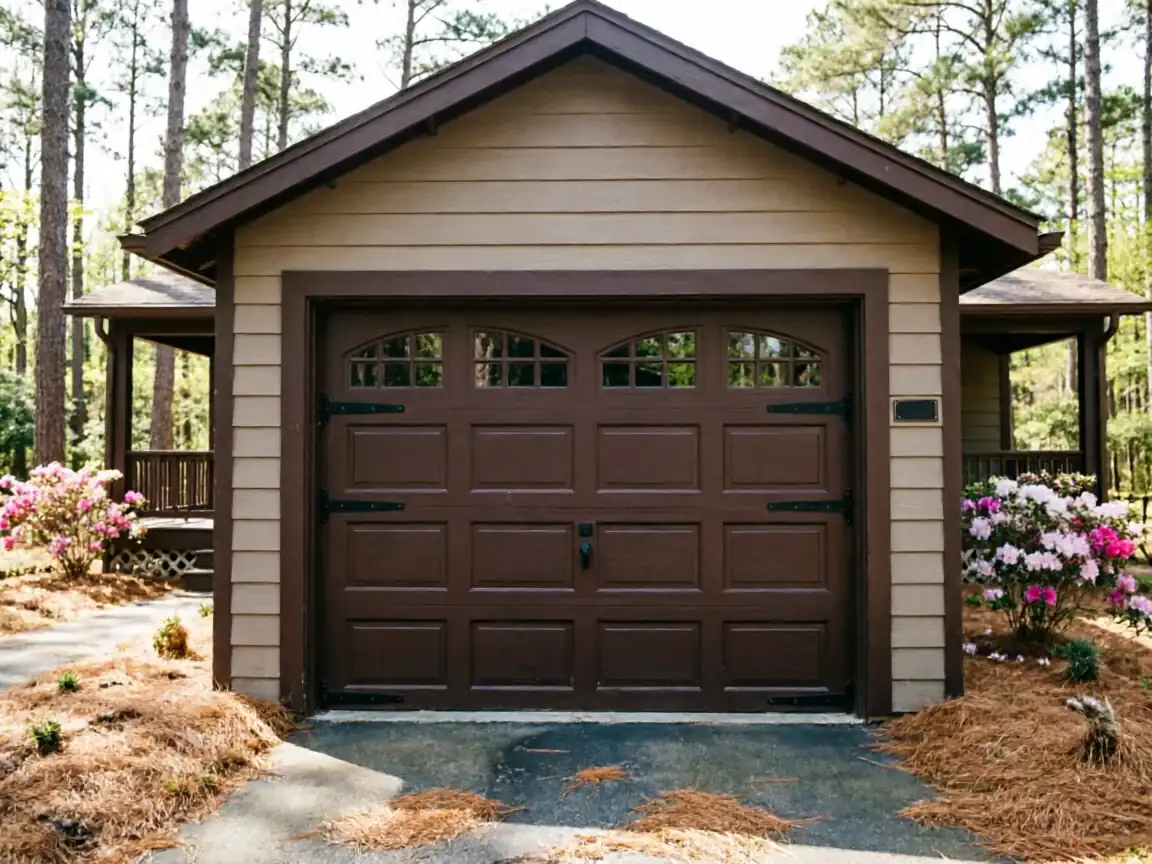
Another wrinkle: homes in this area with detached or unheated garages see opener issues tied to cold-weather lubrication more than attached-garage homes do
Since the unit never benefits from the house's own heat. That's not something a repair fixes permanently - it's something you manage with the right grease and occasional seasonal checks.
Finally, if the real issue is a spring, cable, or track problem and the opener just happens to be the symptom you noticed first
Fixing the opener alone won't solve it. We'll flag that distinction before any work starts, not after.