How That Shows Up in the Door
Wesley Chapel is a newer build than most of the rest of our coverage area
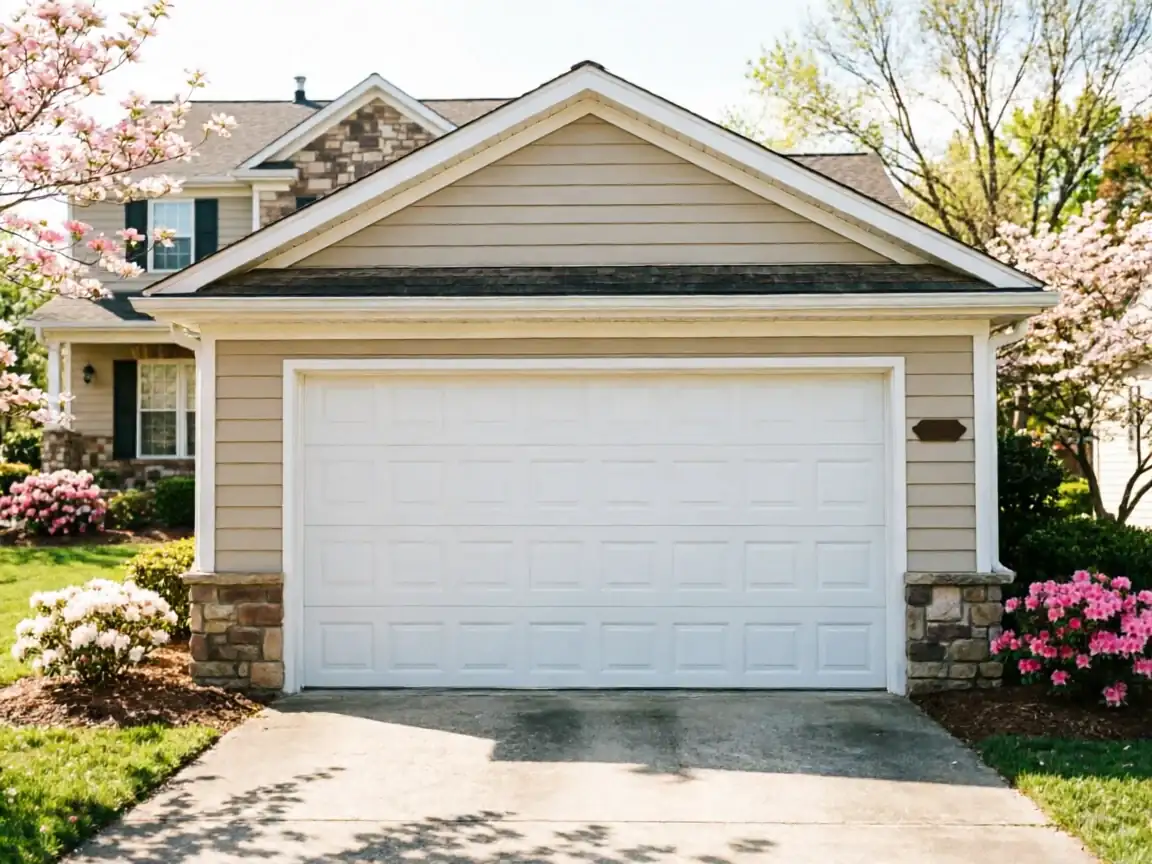
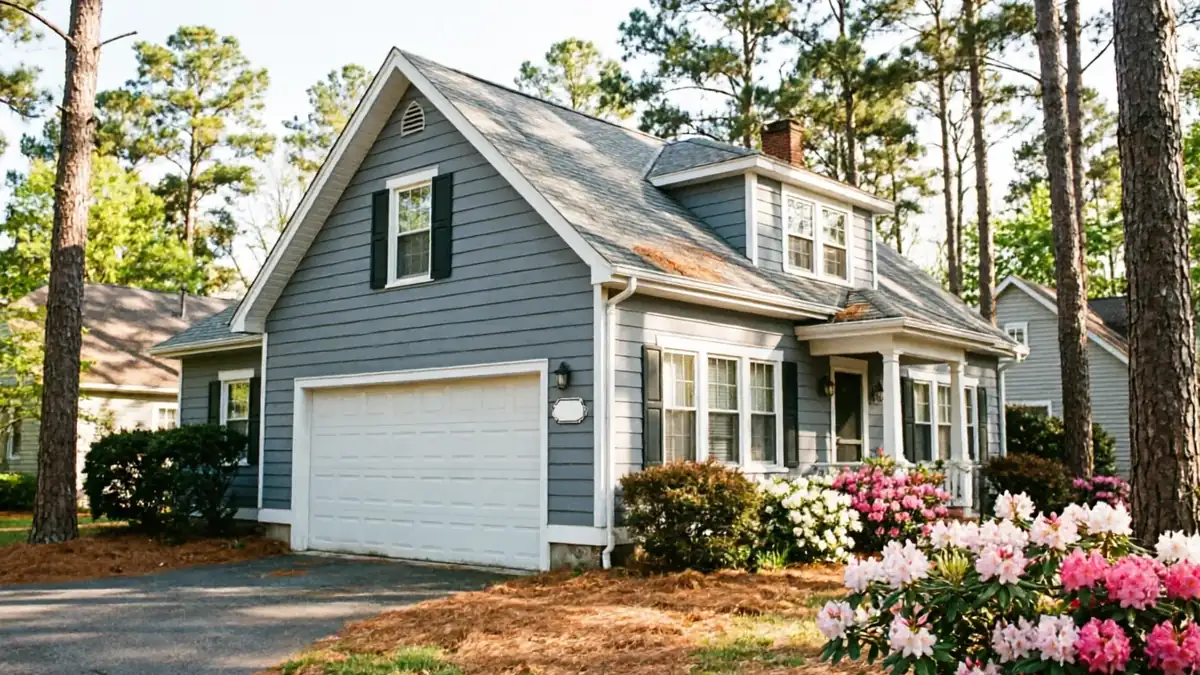
The typical house here went up around 2003, which puts it a full decade or more past the median for the service territory as a whole. That matters more than it sounds like it should.
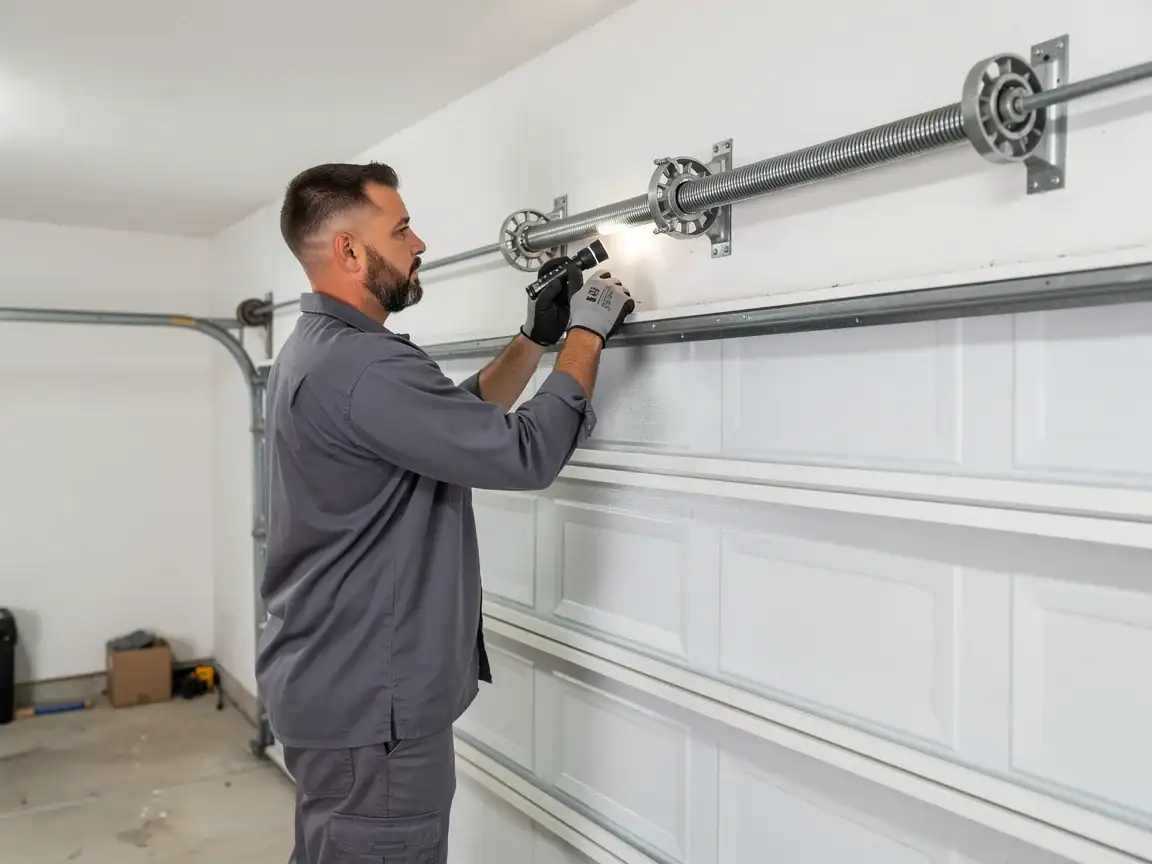
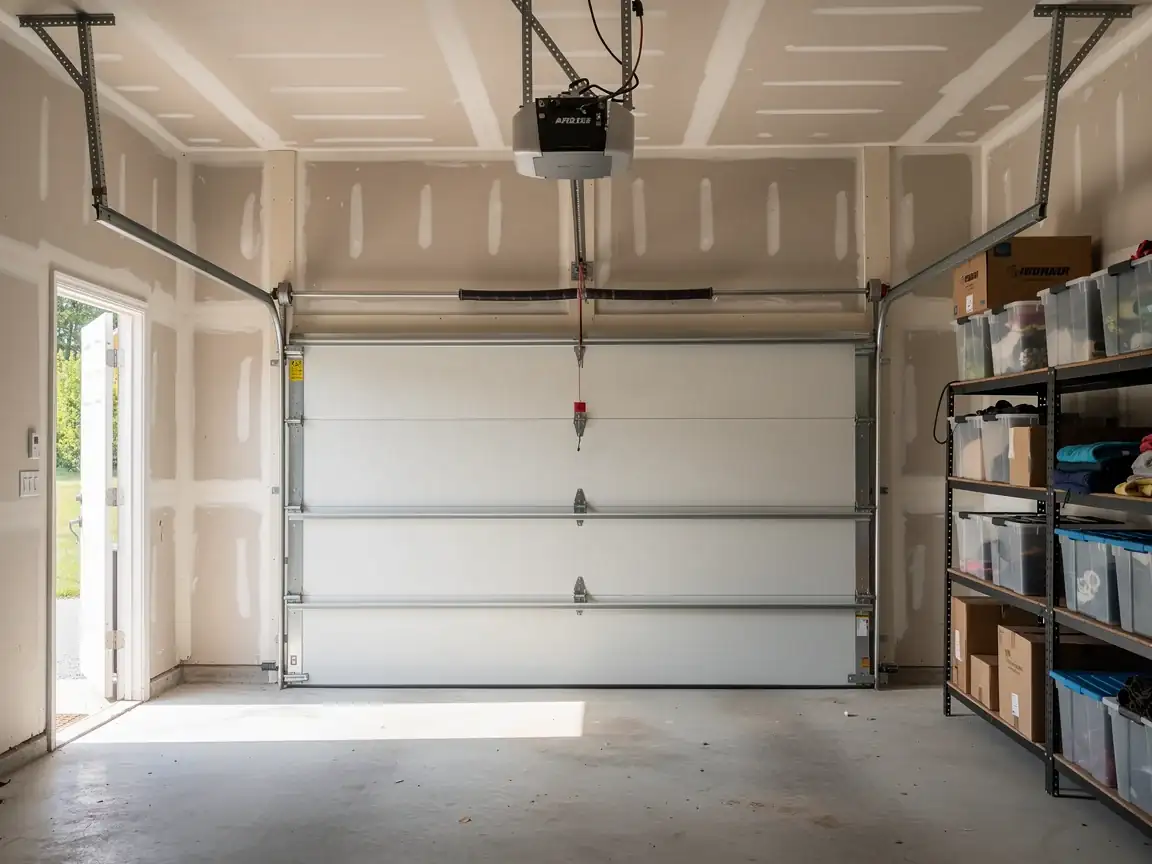
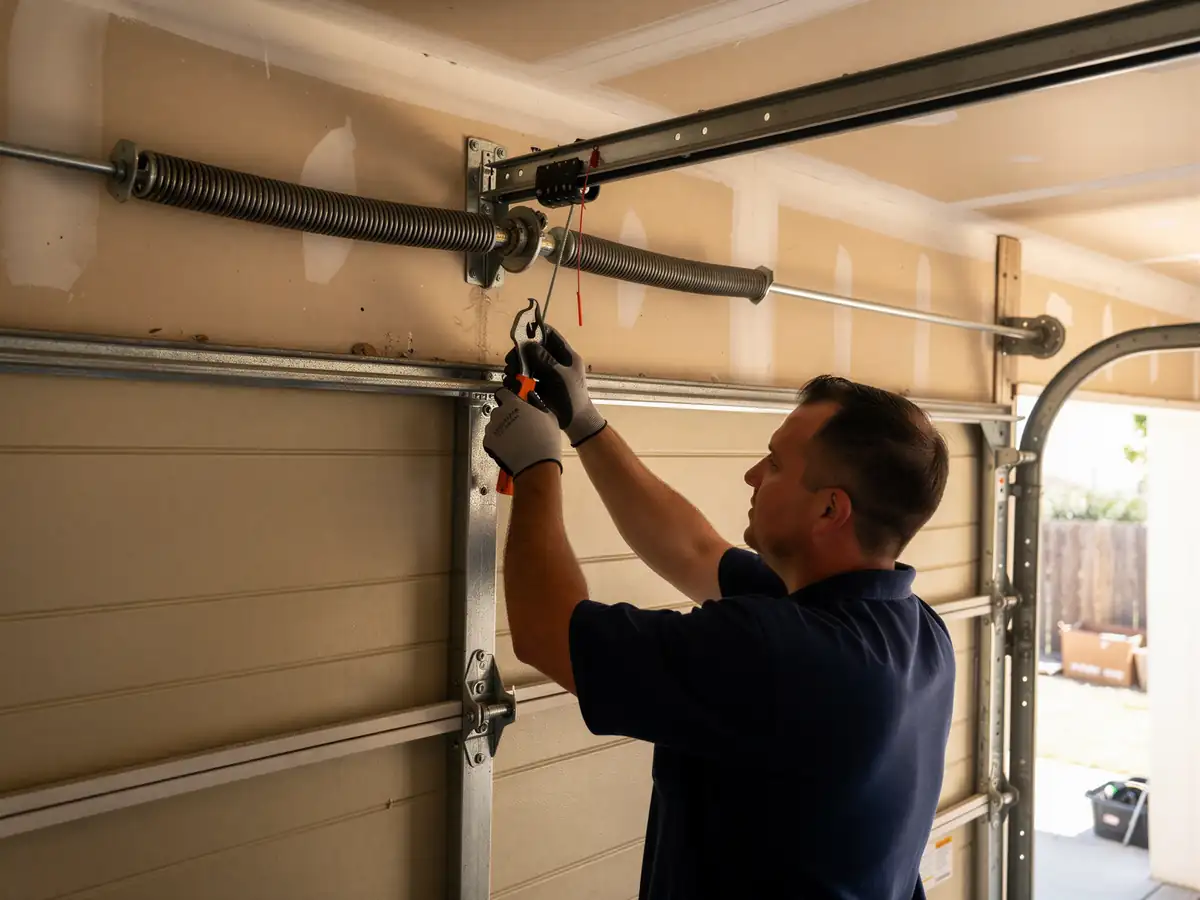
Homes from this era came with steel doors on torsion springs as standard
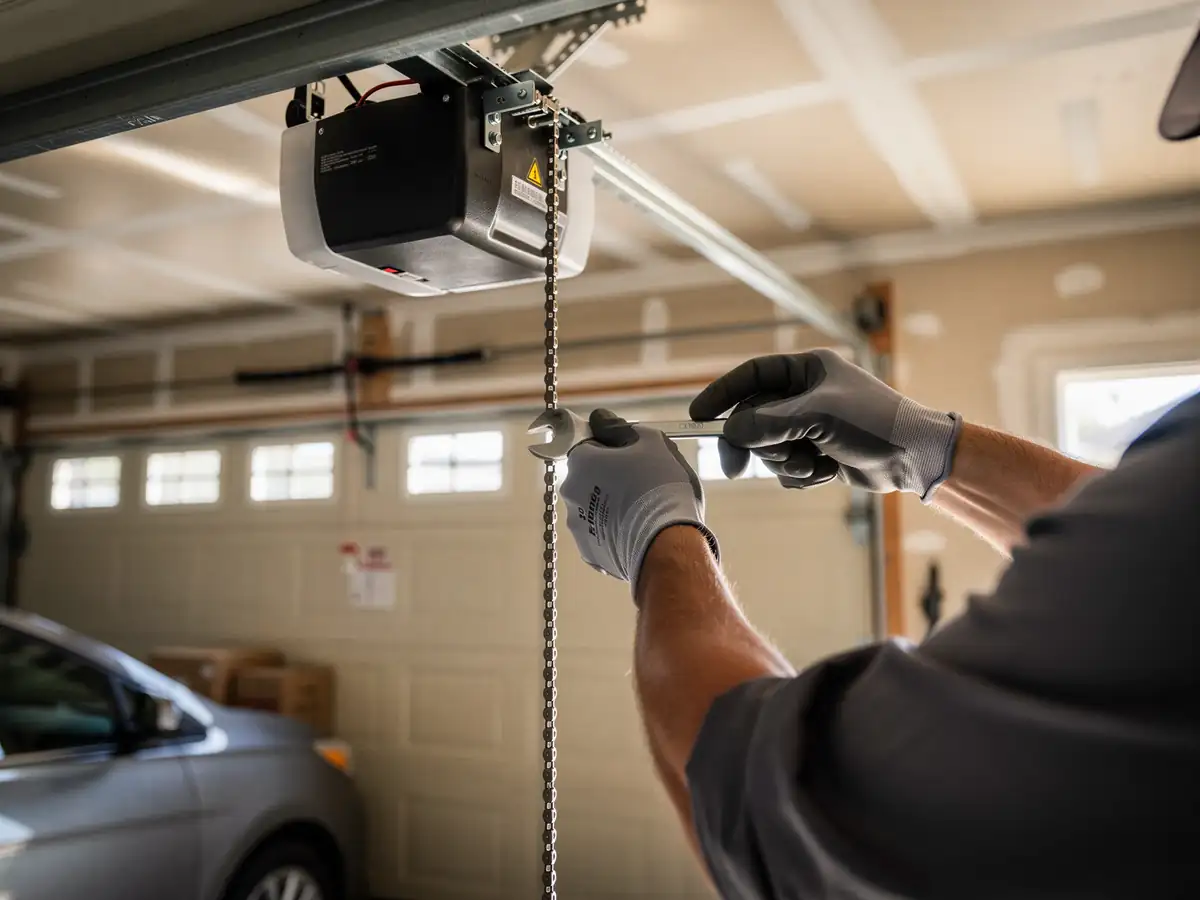
Not the extension-spring setups you still find on older stock nearby. Openers from this period usually already have the photo-eye safety sensors required after 1993, so we're rarely pulling a unit out here because it predates code - that's an older-house problem, not a Wesley Chapel one.
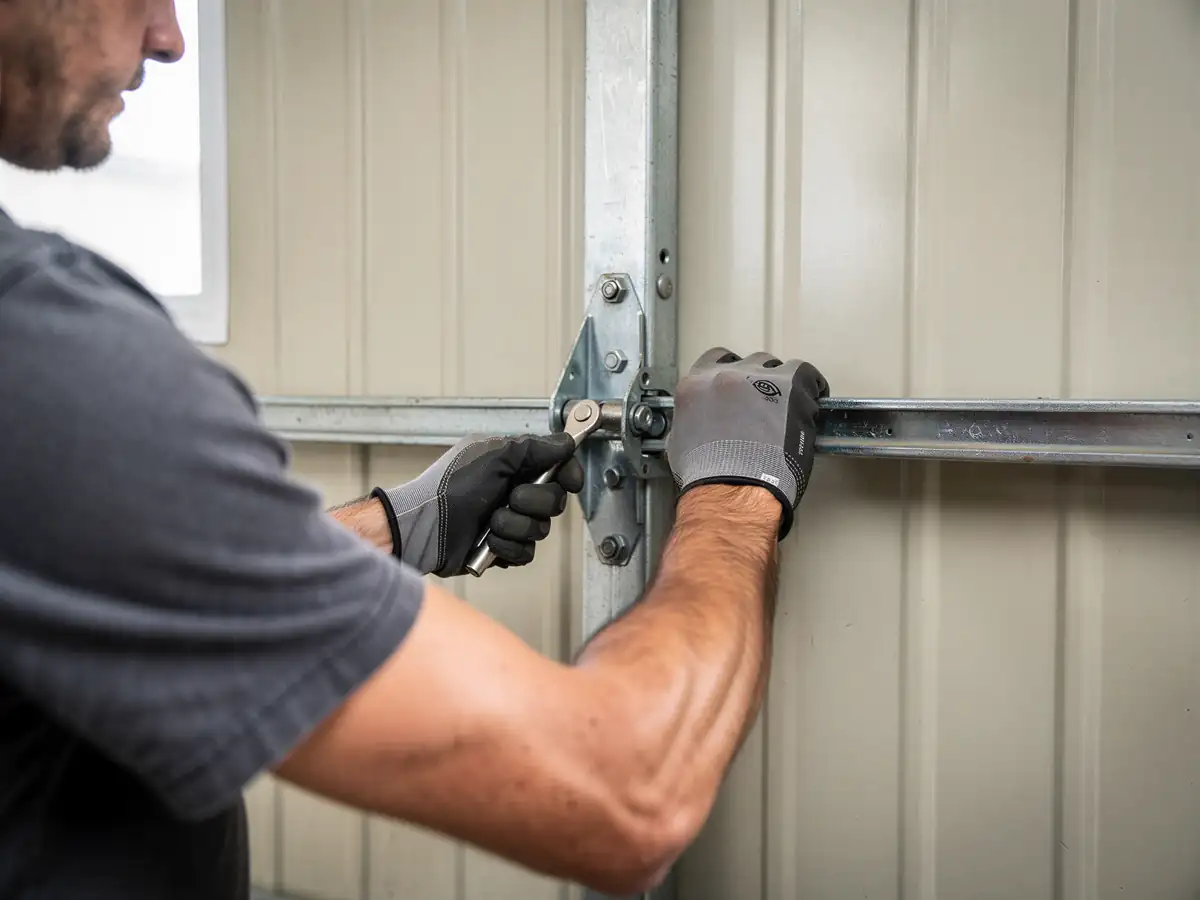
What we do see: factory springs reaching the end of their cycle count around the same time across a lot of houses built in the same few years
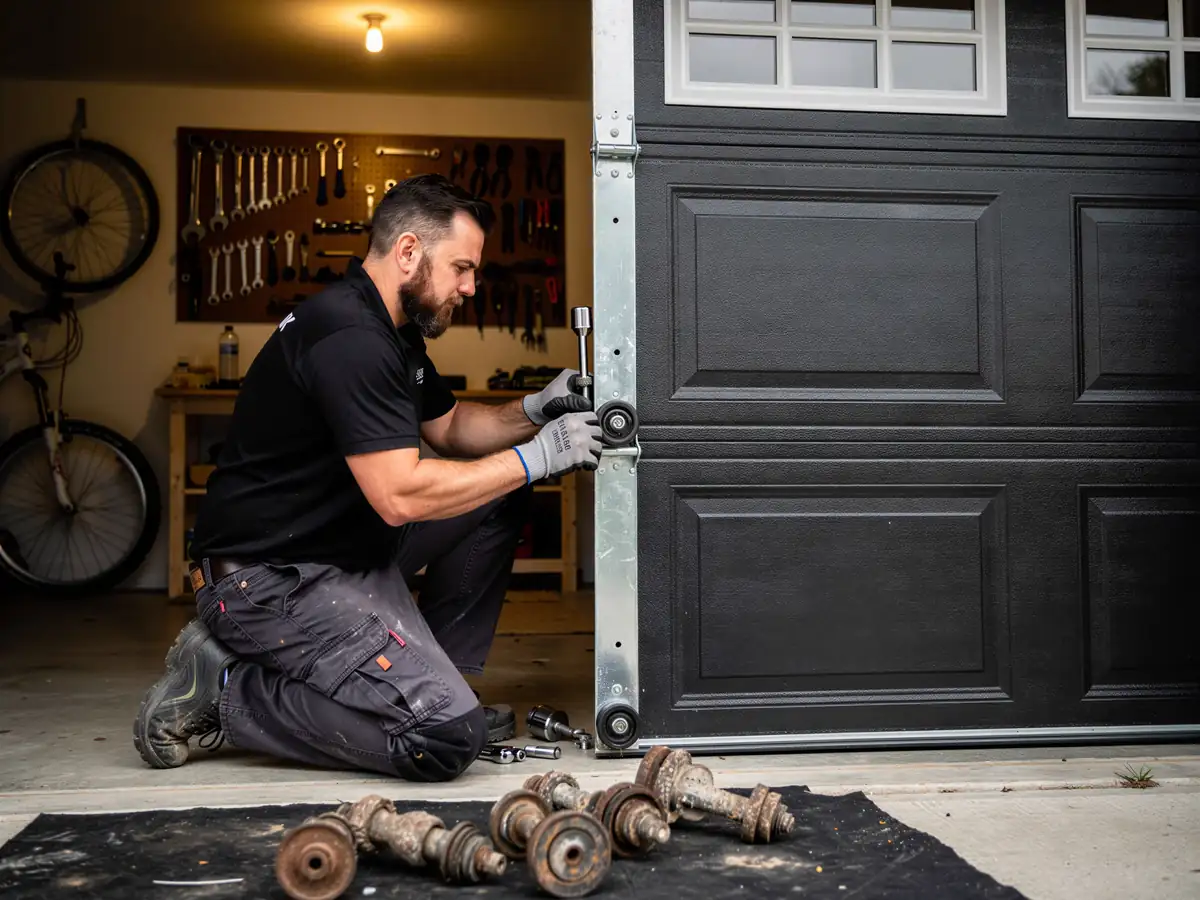
Since subdivisions here went up in waves. Nylon rollers from original builder-grade kits wearing out together. And openers with circuit boards from the early 2000s starting to fail - not from age alone, but because that generation of board didn't hold up as well as what's made now. None of that is dramatic, but it's specific to the age of the house, and it's different from what we find on streets built twenty years earlier.
The Houses Here
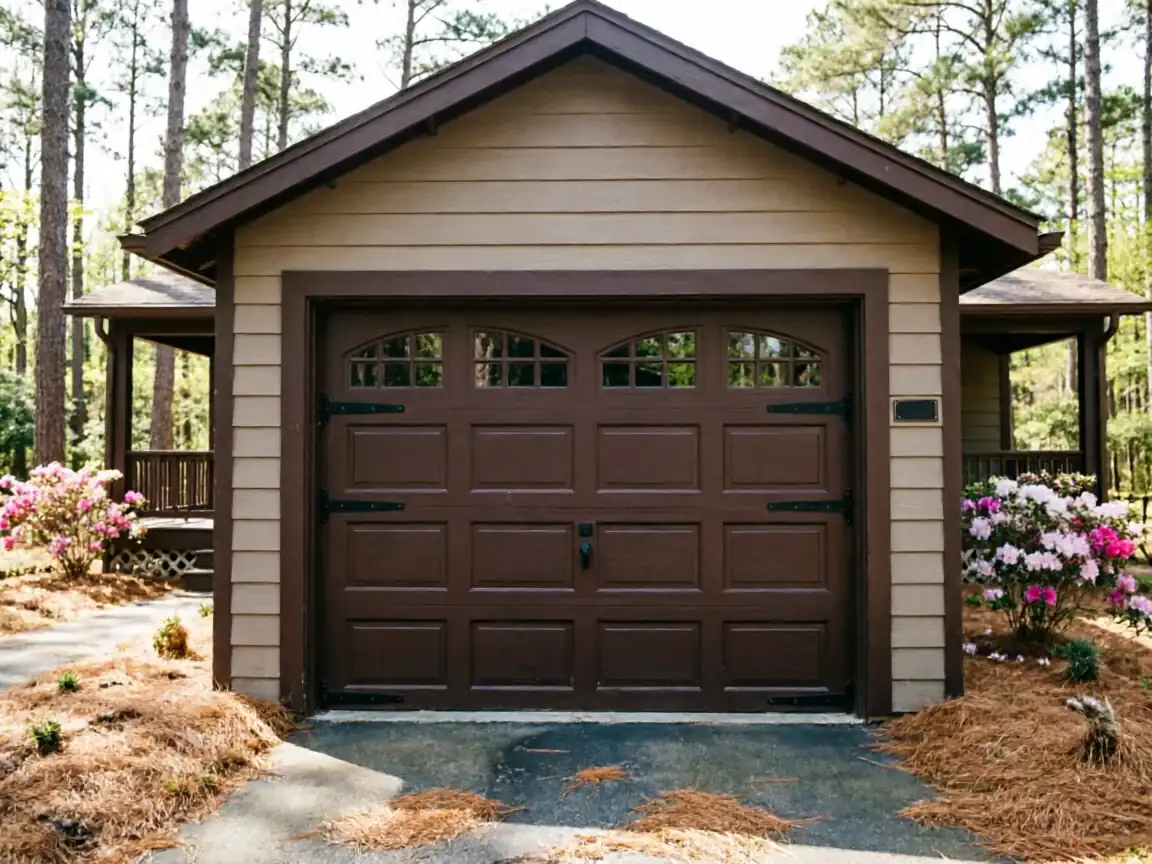
With roughly 2,923 households and a median income north of $129,000, Wesley Chapel runs higher-income than the broader service area, and the houses reflect that - larger garages, often two-and-a-half or three-bay, with doors sized accordingly. A wider door puts more load on the torsion spring, and a spring sized for a two-car opening installed on a three-car door (a builder shortcut we still find once in a while) wears out faster than it should.
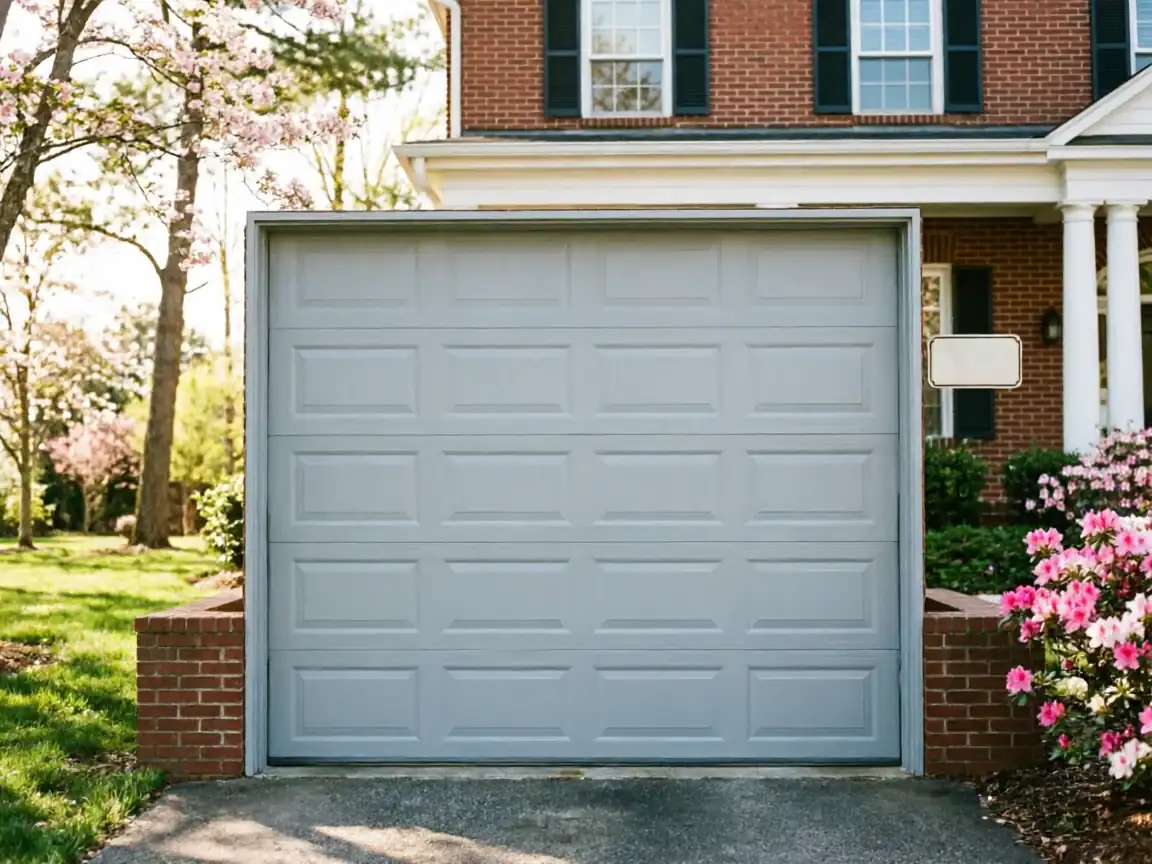
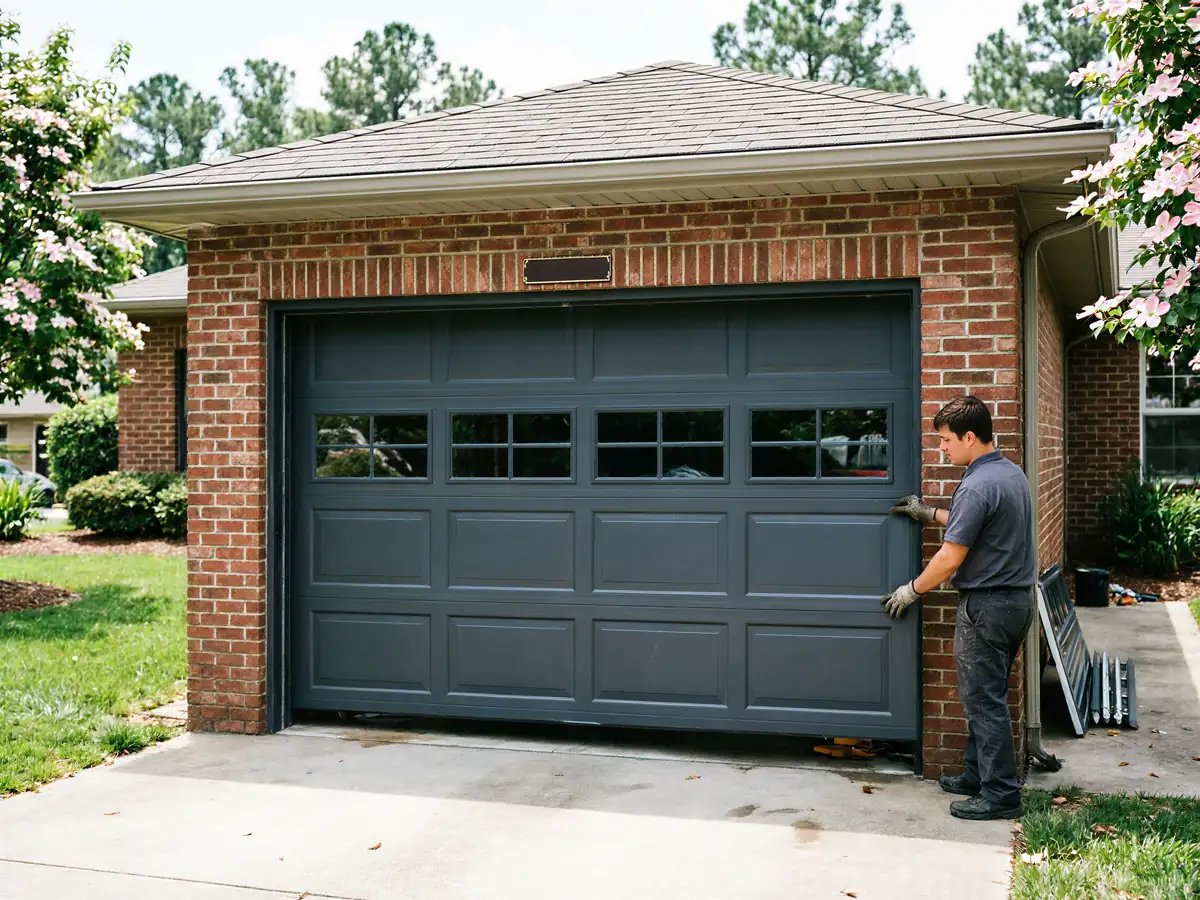
Because most of this housing stock is within a fairly tight band of construction years, the doors, tracks, and openers tend to be similar from one street to the next. That's useful for us - when one torsion spring on a 2003-built house is at the end of its life, odds are decent the identical model two doors down is close behind it.
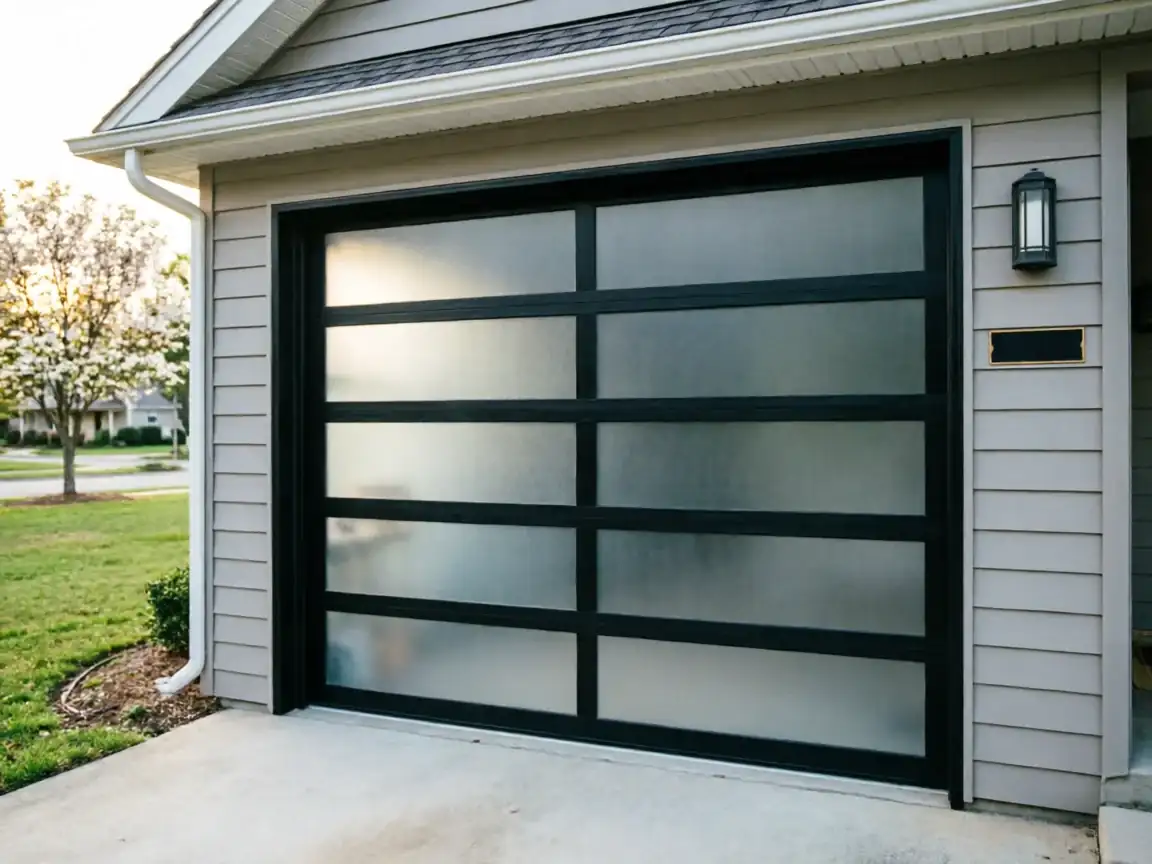
We don't try to guess brand or install date before we see the door. What we can say is that a door and opener installed when this neighborhood was built is now north of twenty years old, which is past the point where we'd recommend repairing a bad spring versus just replacing the pair.
Timing on This Area
We're based in Waxhaw, about 5 miles from Wesley Chapel. That's a short run, but we don't keep a crew stationed here, so we don't promise a same-hour arrival - we schedule the day's route and let you know where you land on it.
Winters in this region sit in the cold-moderate band, not the deep-freeze end of things, but cold enough that a torsion spring already near the end of its cycle count is more likely to finally let go on a cold morning than a mild one. If your door is sticking or banging through a cold snap, it's usually the spring telling you it's done, not the cold itself doing new damage.
One honest limit: if a part is specific to an opener board or a less common track width from this era, we may need a day or two to get it rather than carrying it on the truck. We'd rather tell you that up front than promise same-day and miss it.
Old Streets and New Ones
Wesley Chapel sits between a few other communities we also cover
Marvin and Weddington are both about 6 miles off, Mineral Springs is closer at 3 miles is about 8 miles to the northwest. None of those are relevant to your door, but they tell you something about the area: this is newer suburban growth filling in the gaps between older crossroads towns, and the construction dates track that pattern.
If you're on one of the original roads that predates the subdivisions
Your house may be noticeably older than 2003 and worth a different conversation about hardware - extension springs instead of torsion, for instance. If you're in one of the newer sections built in the last run of development, the door is likely original to the house and getting close to the age where opener boards start acting up even if the door itself still looks fine.
Either way, we go by what's actually on your garage
Not by the year the subdivision sign went up.