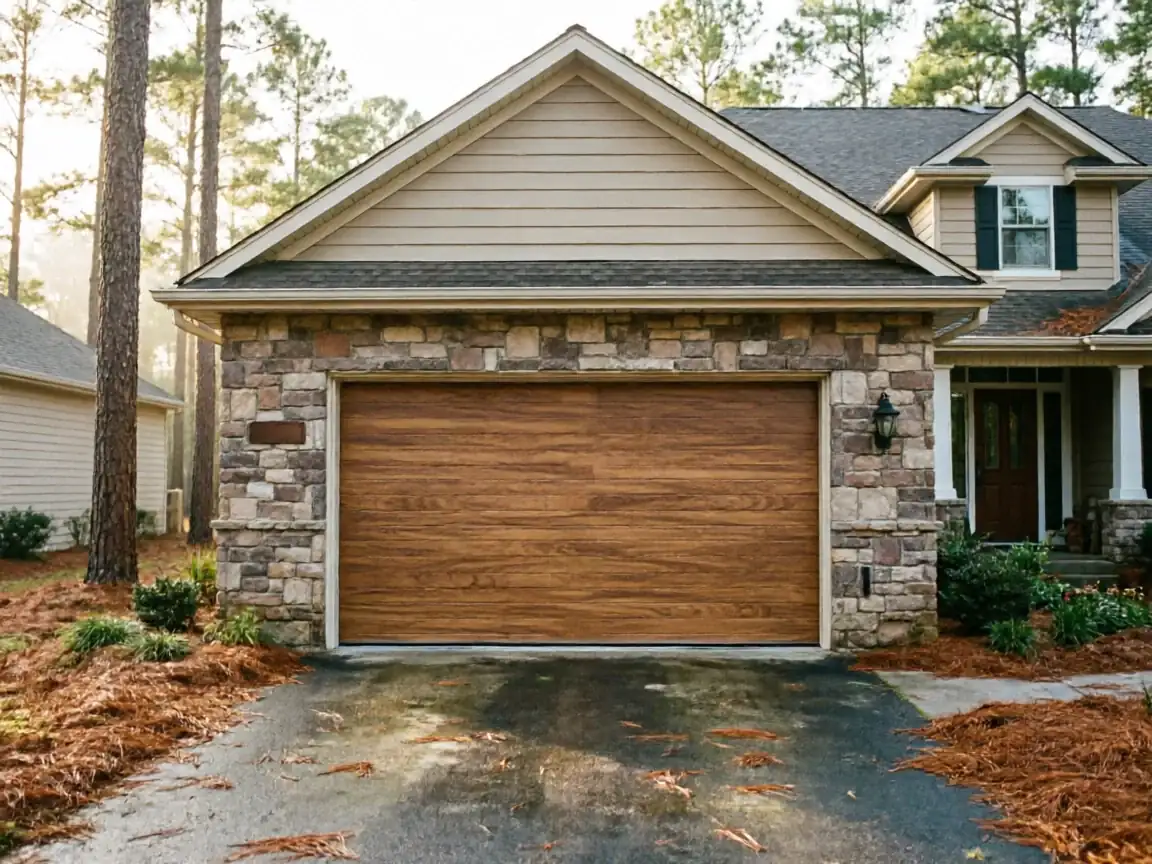
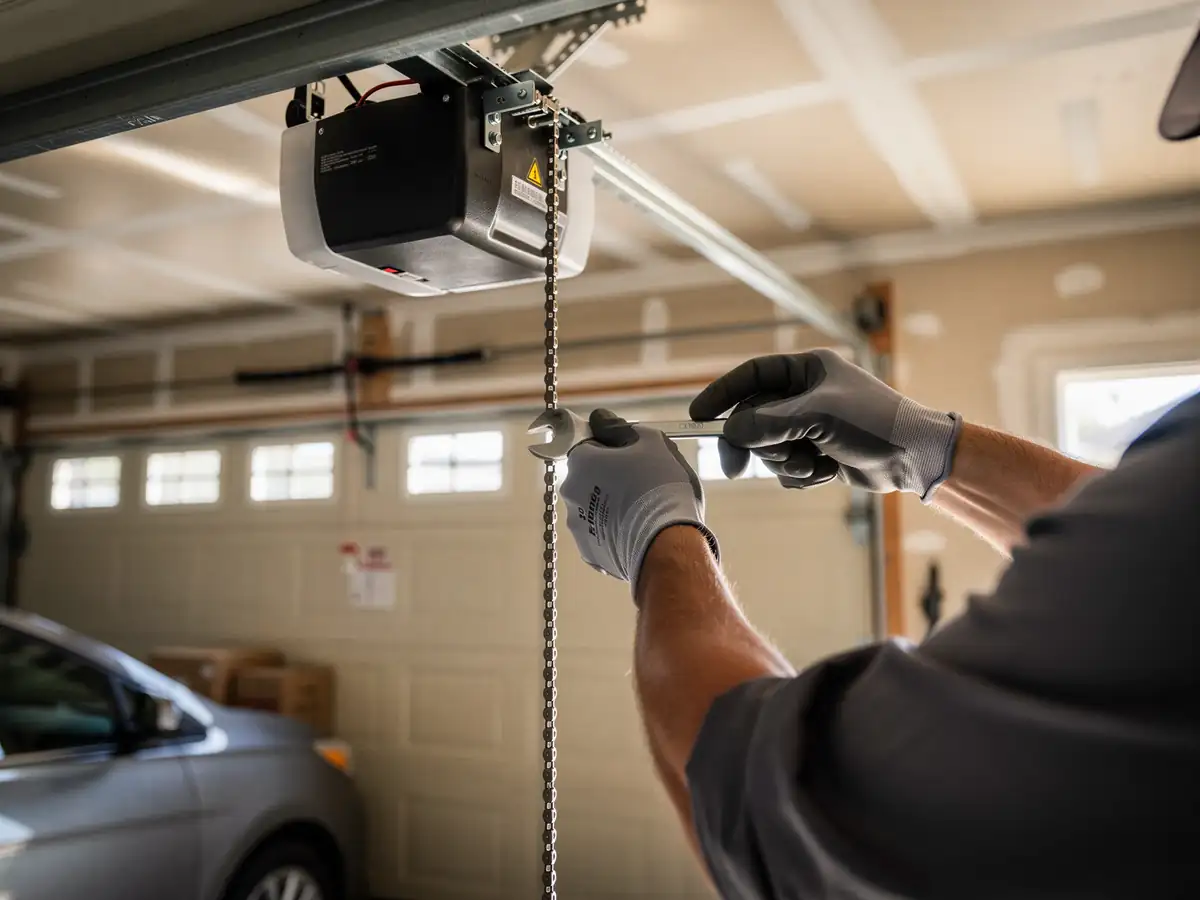
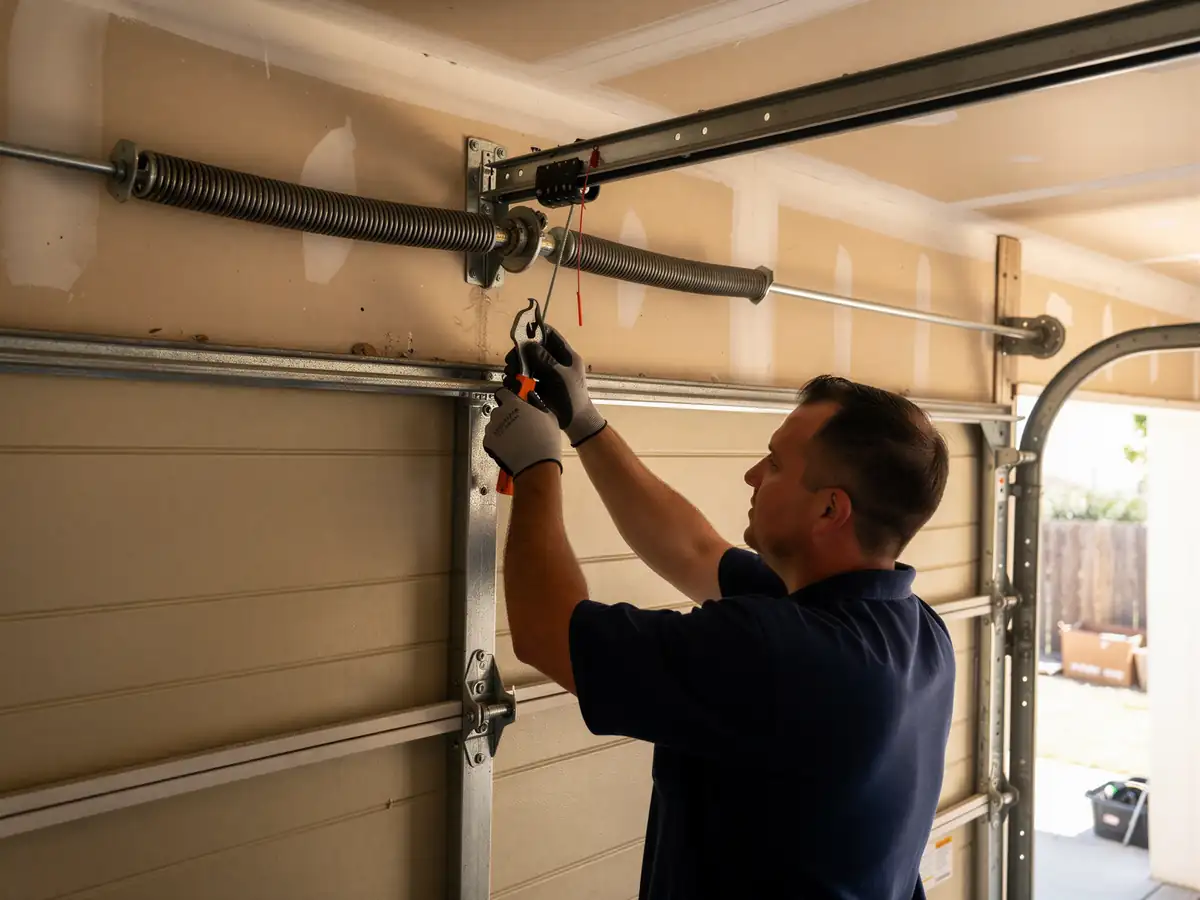
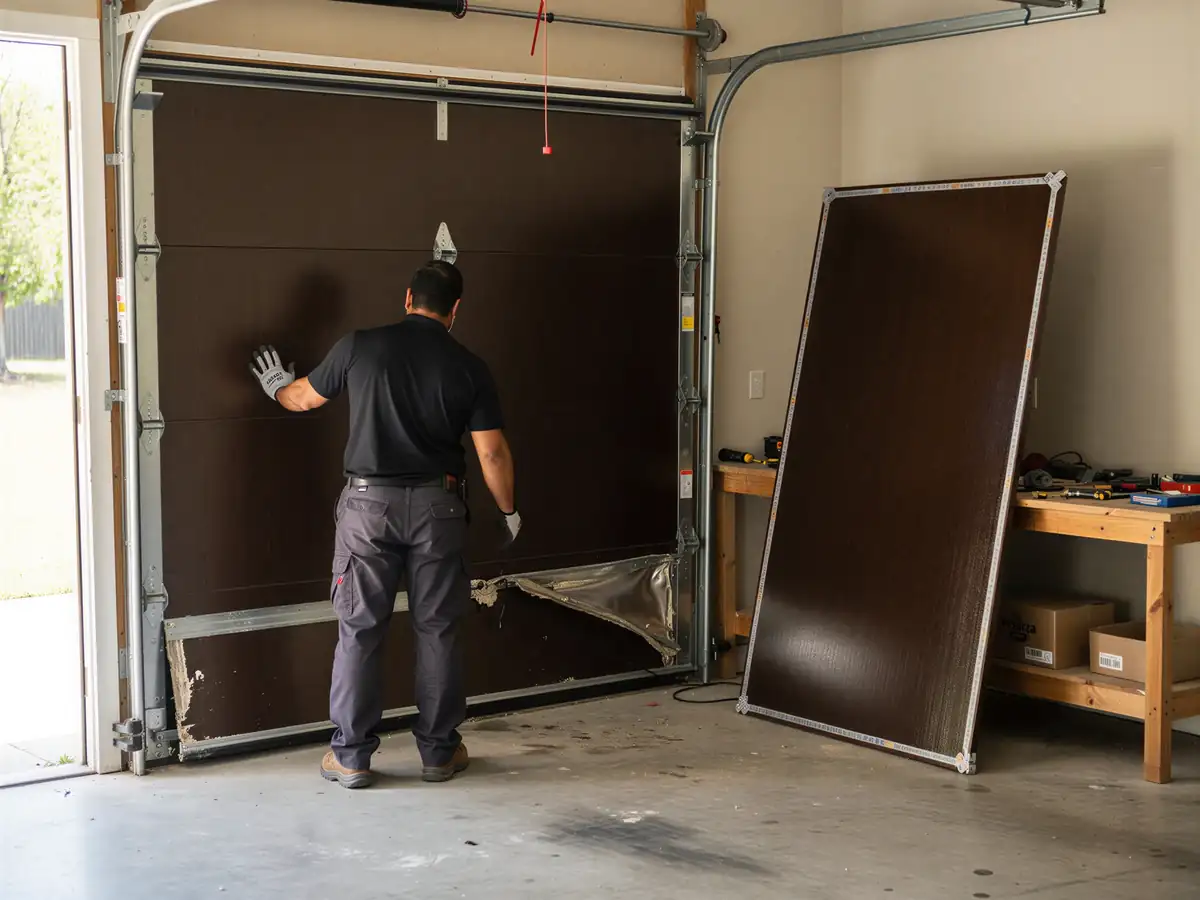
Most Waxhaw homes were built between 1974 and 2005, with original hardware aging out. We fully repair and replace garage doors and openers across the area.
Waxhaw's housing stock runs from 1974 to 2005, with the median build year landing around 1993. That's a narrow, specific window, and it matters because garage door hardware from that era was almost always builder-grade: standard torsion springs sized for the door weight at the time, steel track, and openers that have long since been swapped out or are on borrowed time. Across the nine named areas that make up most of the service territory, the pattern repeats - subdivisions built in waves through the 80s and 90s, all aging on roughly the same clock. That means a lot of doors in this area are hitting spring-cycle limits and opener end-of-life within a few years of each other, not spread out randomly like you'd see in a town with mixed-era housing. We size what we quote to the door and the house, not to a generic average, because a 1976 build and a 2003 build in the same neighborhood can need different hardware even if the houses look similar from the street.
The Problem
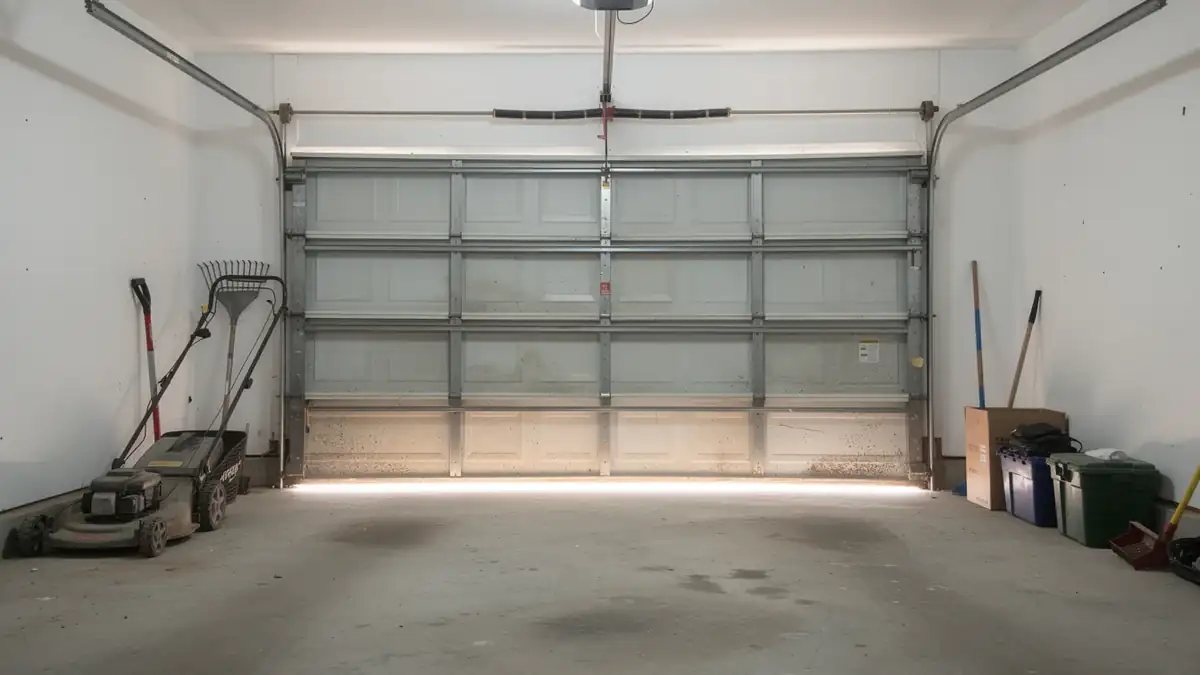
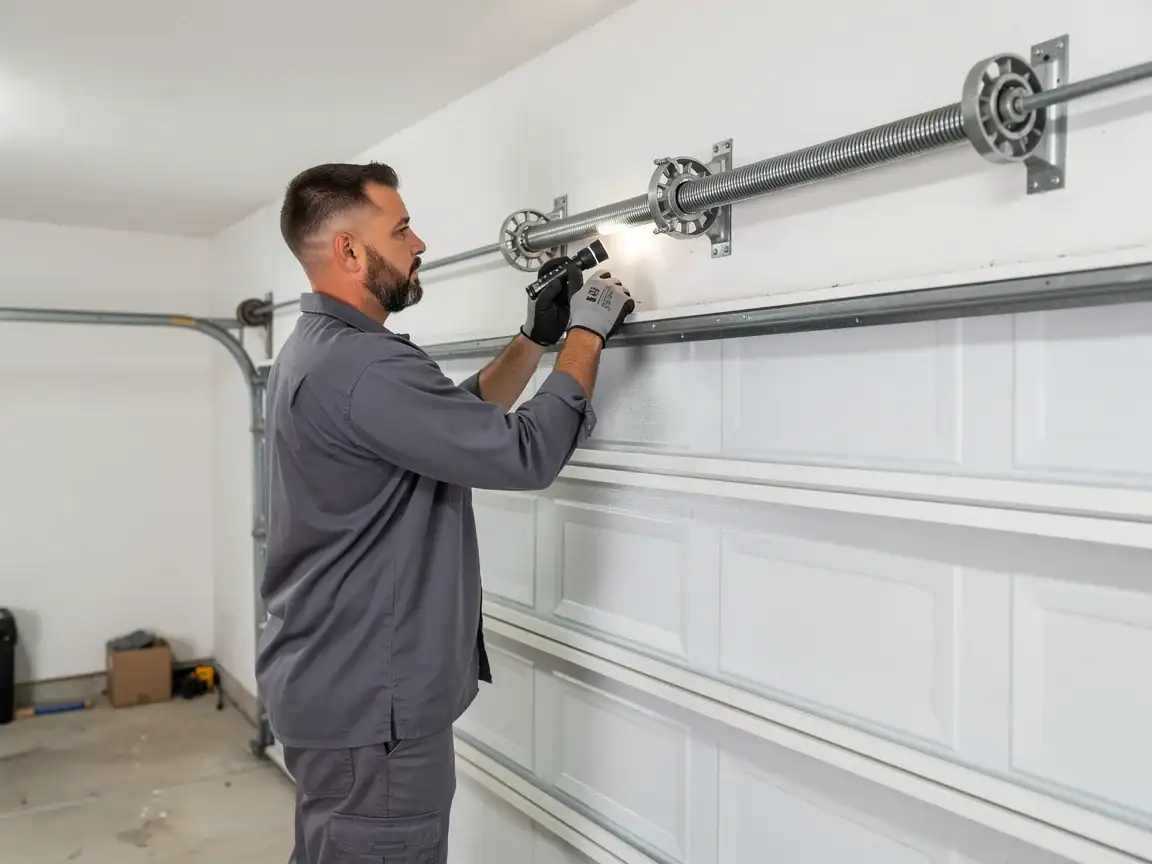
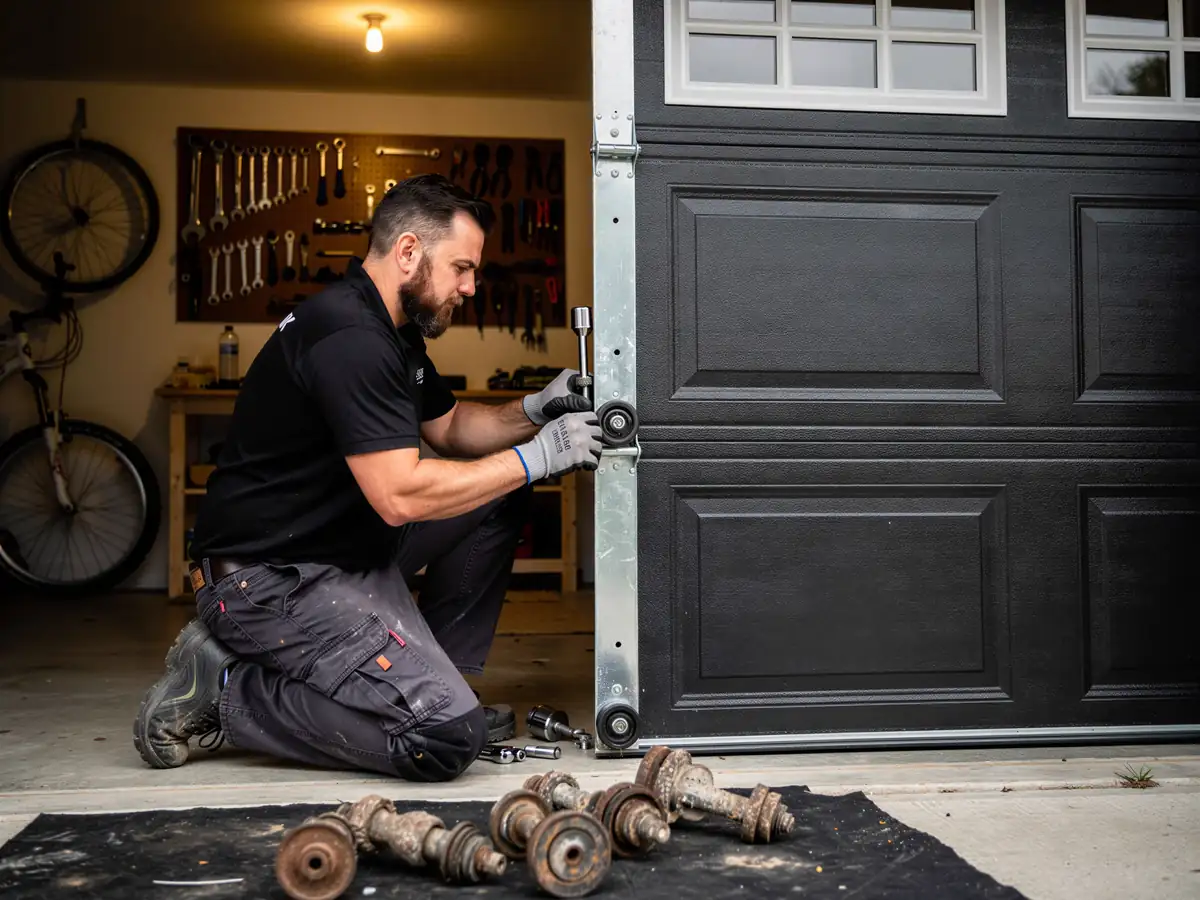
A torsion spring rated for 10,000 cycles installed when a house went up in the late 1980s has had three decades to use those cycles. Most homeowners never get a number on this because nobody tracks door cycles - you just notice the door getting louder, the opener straining, or one day the spring lets go. In this service area, where houses cluster so heavily in the 1974-2005 window, we see a lot of springs failing not from damage but from simple age, right around the point you'd expect given when the neighborhood was built. The honest limitation here: if your opener is original to a house built in the early 90s, we're not going to try to source parts for it. Openers that age get replaced, not patched, because the circuit boards and drive components from that period aren't stocked anywhere anymore. Doors are different - a steel panel door from that era is often still structurally sound and worth keeping, even when the spring and opener around it need full replacement.
The Seasonal Bit
This area sits in a cold-moderate climate band, which means winter isn't severe but it's real enough to matter for hardware that's already decades old. Steel contracts in cold snaps, and torsion springs that have stretched slightly from age lose a bit more tension when the temperature drops, which is when a spring that was barely getting by in October finally snaps in January. Grease in old rollers and hinges stiffens too, so a door that opened quietly all summer starts grinding the first cold week. None of this is dramatic weather - this isn't a place with ice storms wrecking doors - but it's enough of a swing that hardware installed when a house was built in, say, 1991 is going to show its age on the first genuinely cold morning rather than gradually. If your door has been getting louder through fall, that's usually the warning, not the breakdown itself.
Where People Go Wrong
The most common mistake we see in this area is homeowners trying to service a torsion spring themselves on a door that's original to a house from the 80s or 90s. Spring tension on older systems doesn't match what's printed in modern DIY guides, and the winding cones on hardware that old are often rusted or undersized for current safety standards. Second mistake: replacing just the opener and assuming that fixes the noise, when the actual problem is a spring or rollers that are the same age as the house and were never touched. With median household income here at $89,417 and a high rate of owner-occupied houses, a lot of people in this area can afford to just replace the opener and move on - but that doesn't address hardware that's 20 to 40 years old and failing for the same reason. If your door is loud, slow, or uneven, get the whole system looked at, not just the box on the ceiling.
How it works
From “it’s stuck” to “it’s fixed”
01
Tell us what’s wrong
Describe the symptom - won’t open, loud bang, opener runs but the door won’t move.
02
On-site diagnosis
A technician tests the door under power and by hand and finds what actually failed.
03
Clear, up-front plan
You get the fix that’s needed and what drives the cost - before any work starts.
04
Repaired & tested
The repair is done, the door is set true and tested, and the work area left clean.
Not sure which repair your door needs in Waxhaw, NC? Describe what it’s doing - every job starts with a diagnosis.
How do I know if my garage door's hardware is original to the house?
If your house was built between 1974 and 2005, which covers most of this area, there's a good chance you're still on original torsion springs or at least an original track, even if the opener has been swapped. Look for rust on the spring coils or a model plate with no barcode - newer hardware always has one. We can check it on-site.
Is it normal for my door to get louder in winter?
Yes, especially on hardware that's already old. Cold tightens steel and stiffens grease in rollers and hinges, so a spring or track that's been quietly wearing out all year tends to announce itself on the first cold morning. It's usually a sign the hardware needs attention soon, not an emergency by itself.
Do you work outside Waxhaw itself?
We cover the surrounding area, including Mineral Springs, Wesley Chapel, Weddington, and Marvin, plus the farther towns like Hemby Bridge, Pineville, Unionville, Wingate, and Fairview. Call and tell us where you are and we'll let you know if it's in range.
My opener is original to the house - can you fix it instead of replacing it?
If it's from the 1980s or 90s, no. Parts for openers that old simply aren't made anymore, so repair isn't realistic. The door itself is usually a different story - steel panel doors from that era often just need new springs, rollers, or weatherstripping rather than full replacement.