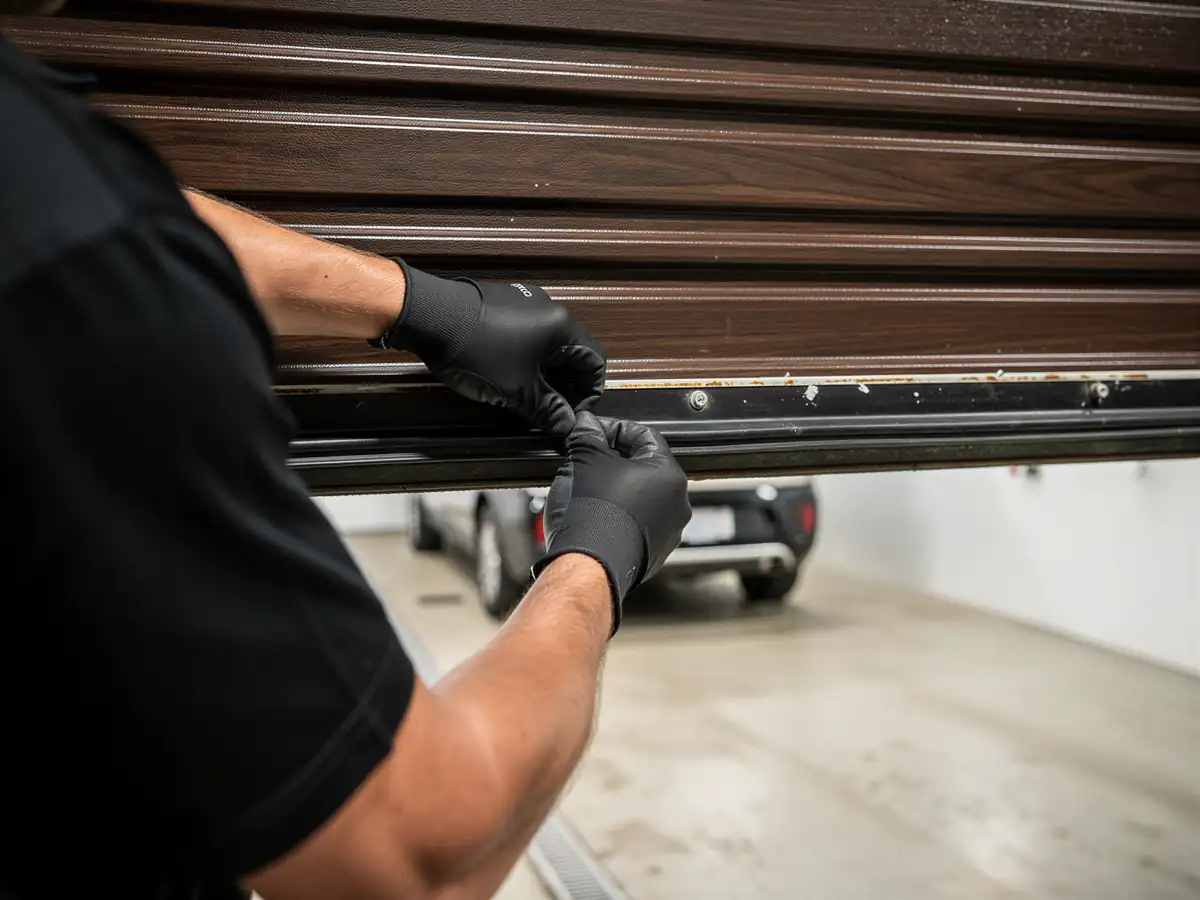
How That Shows Up in the Door
Marvin sits about 6 miles from our shop in Waxhaw
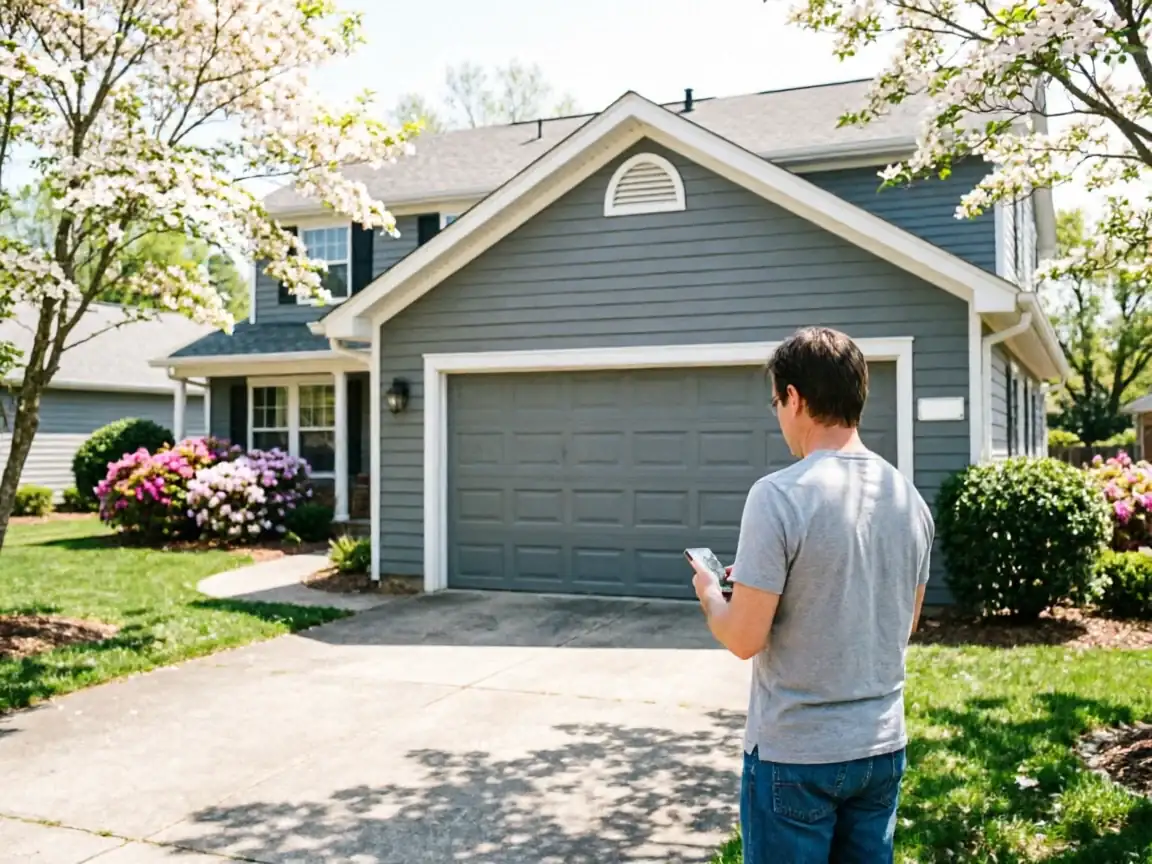
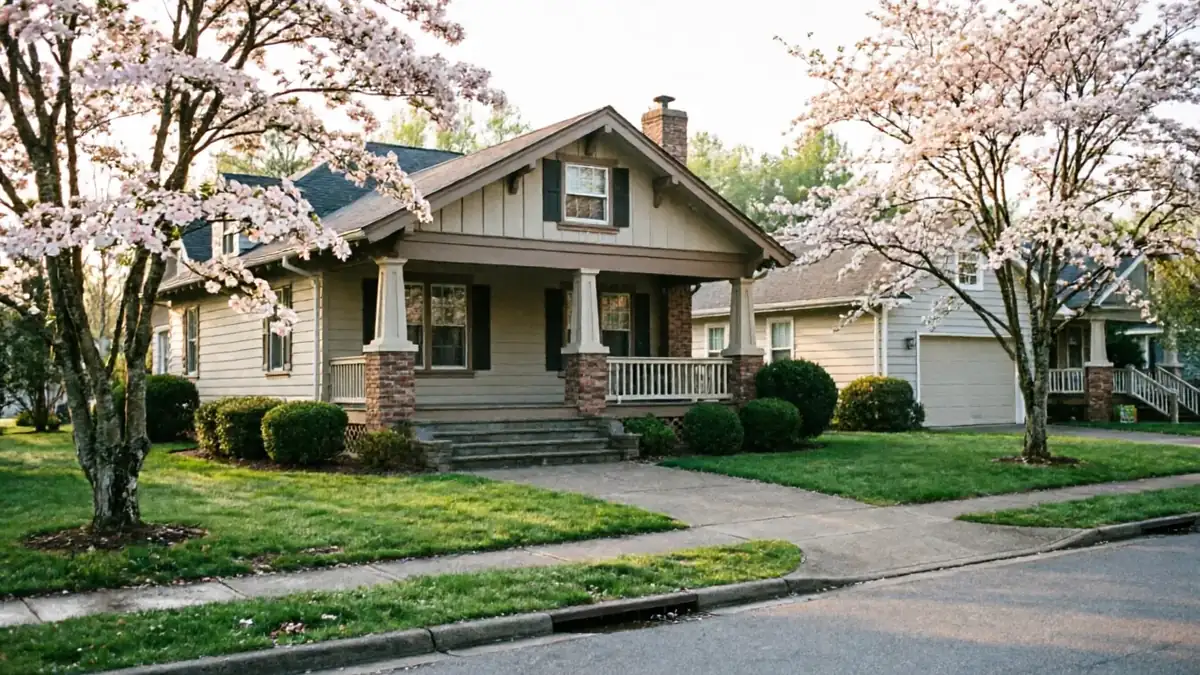
And the houses here are newer than what you'll find across most of the wider service area. The typical Marvin home dates to around 2005, which puts it a decade or more past the 1993 median for the area as a whole. That gap matters more than it sounds like it should.
- 6 miles
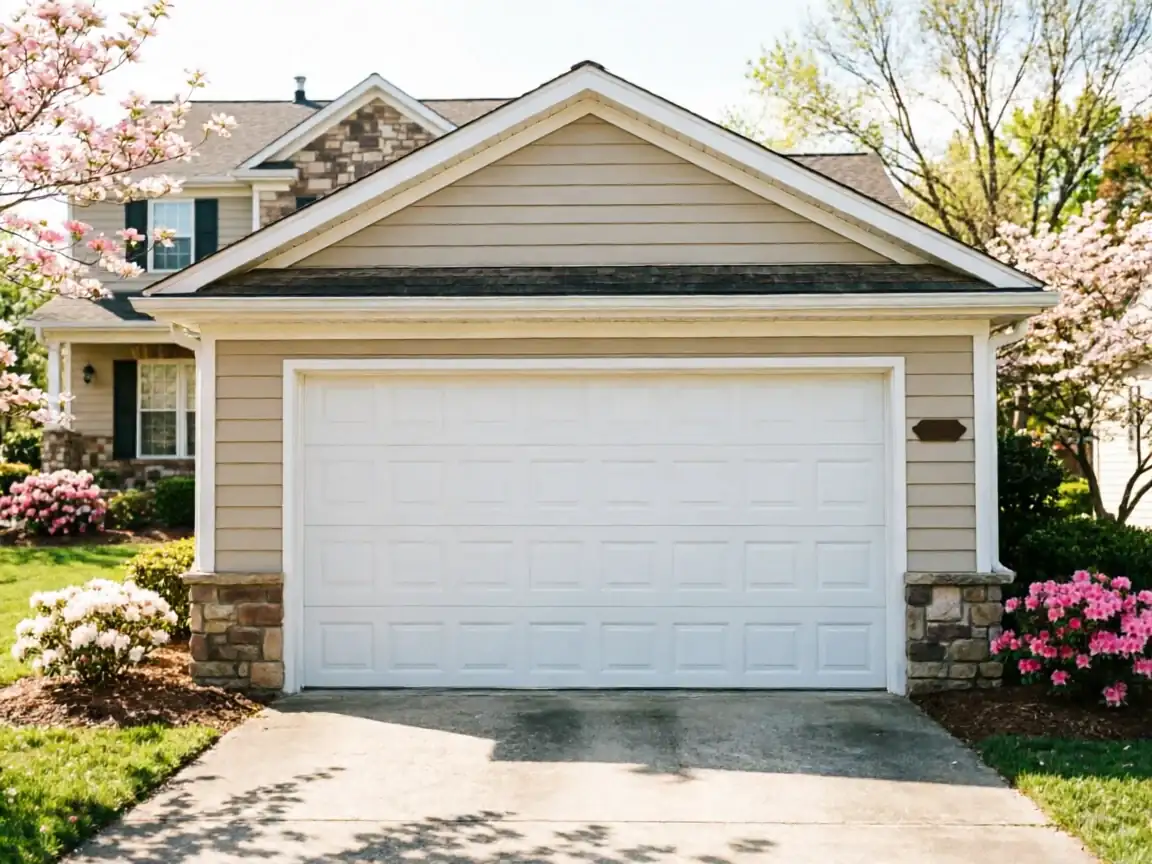
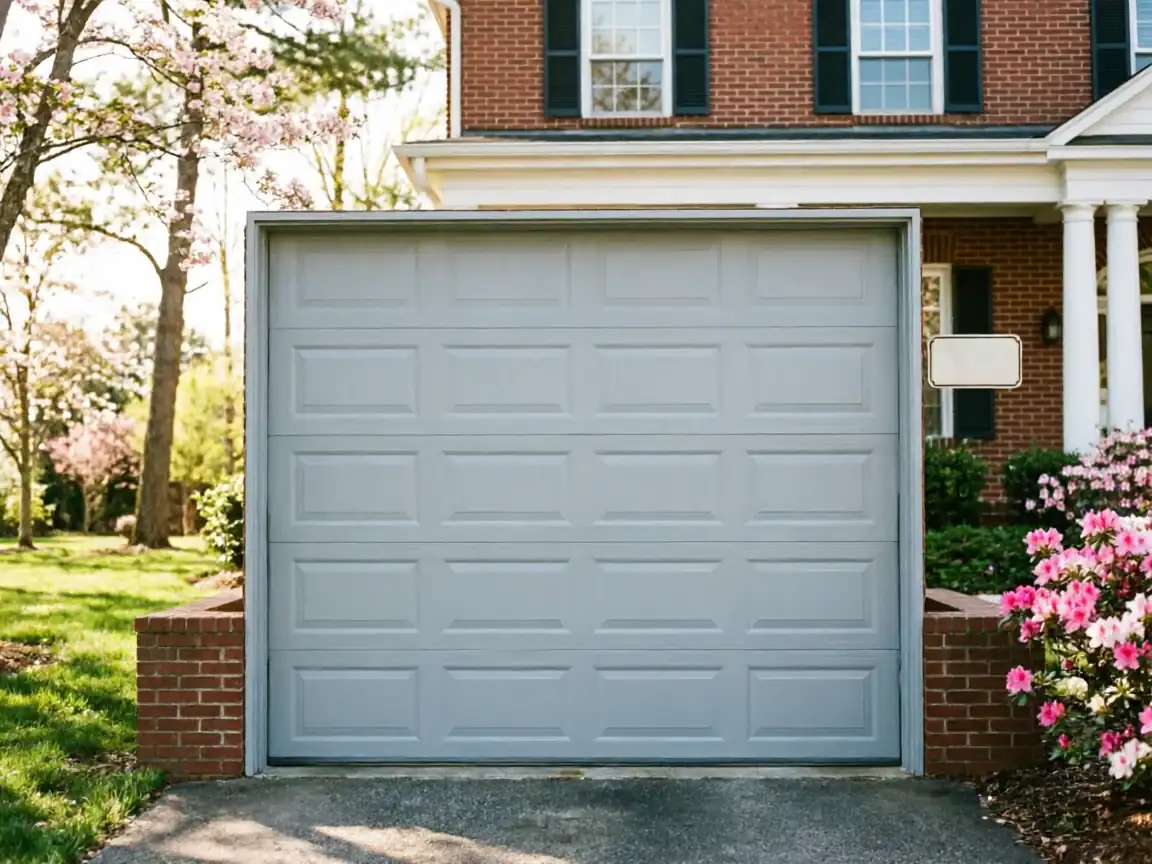
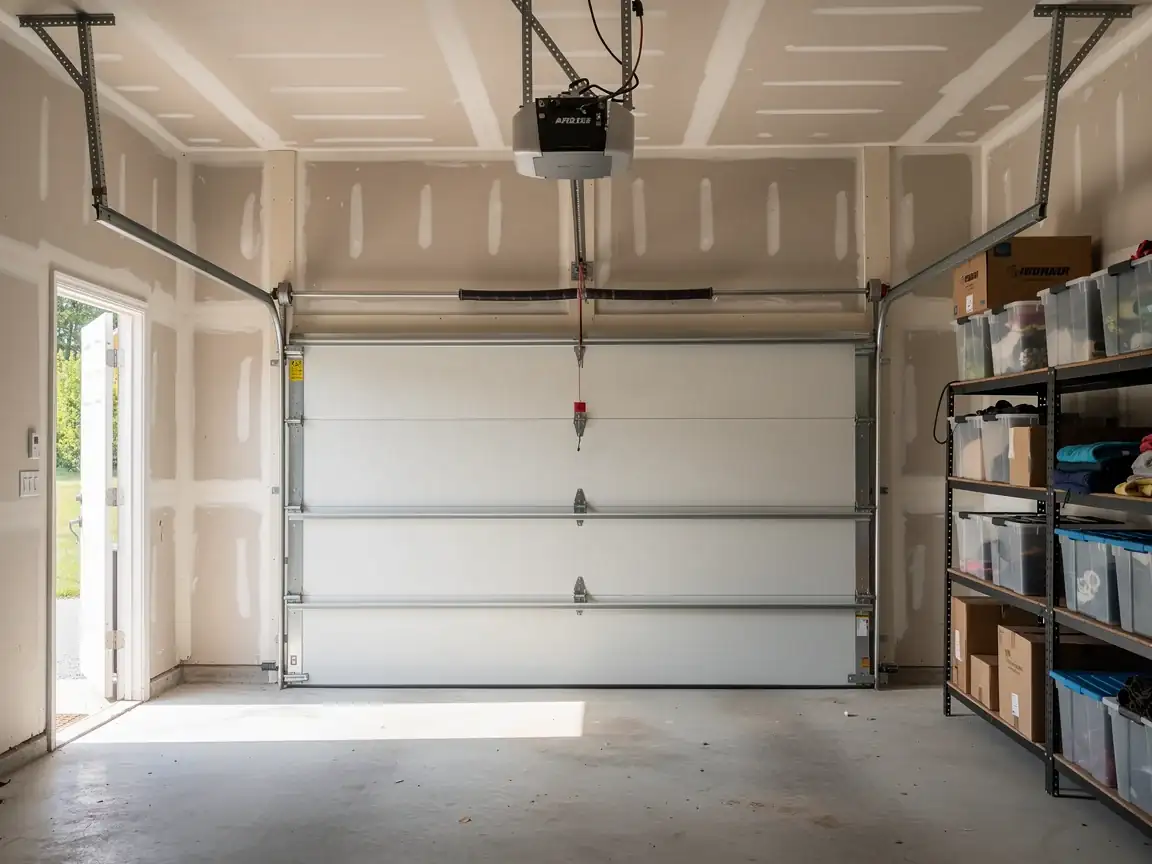
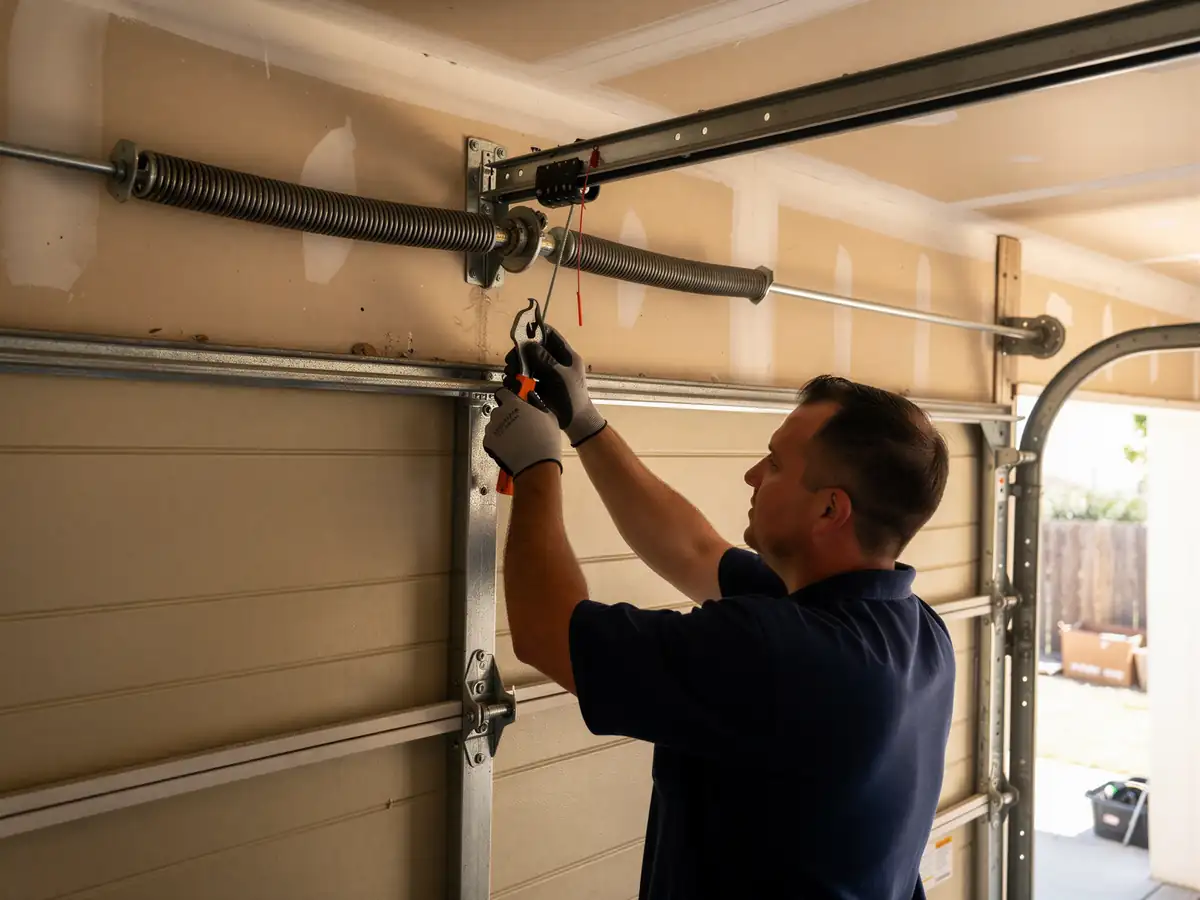
A house built in 2005 almost always shipped with a factory steel door on a standard torsion spring
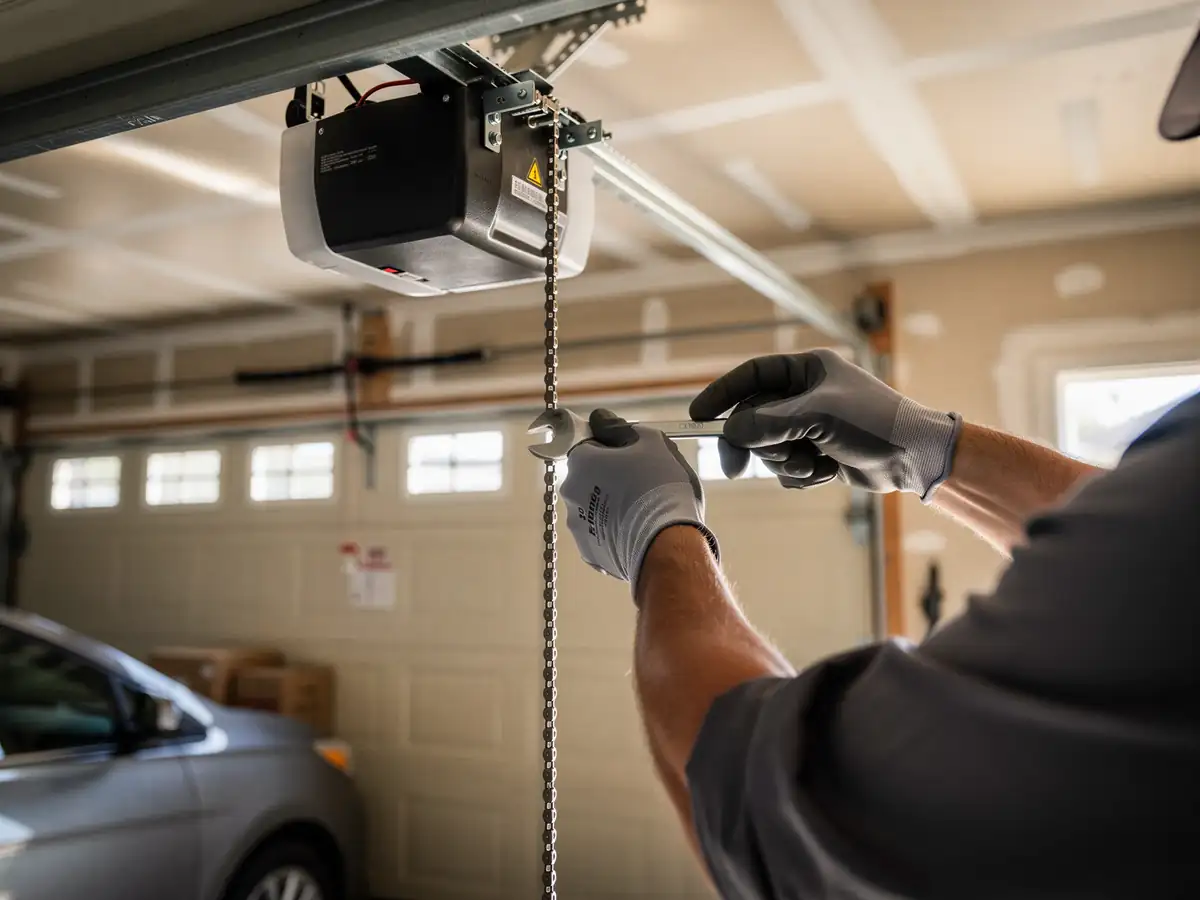
Often with a belt or chain-drive opener already wired to a wall switch and maybe a keypad. The hardware is modern enough that parts aren't a scavenger hunt - springs, rollers, and safety sensors for doors this age are still in normal production and on the shelf at most suppliers.
What we see going wrong in Marvin isn't the same as what we see in a neighborhood of 1980s split-levels
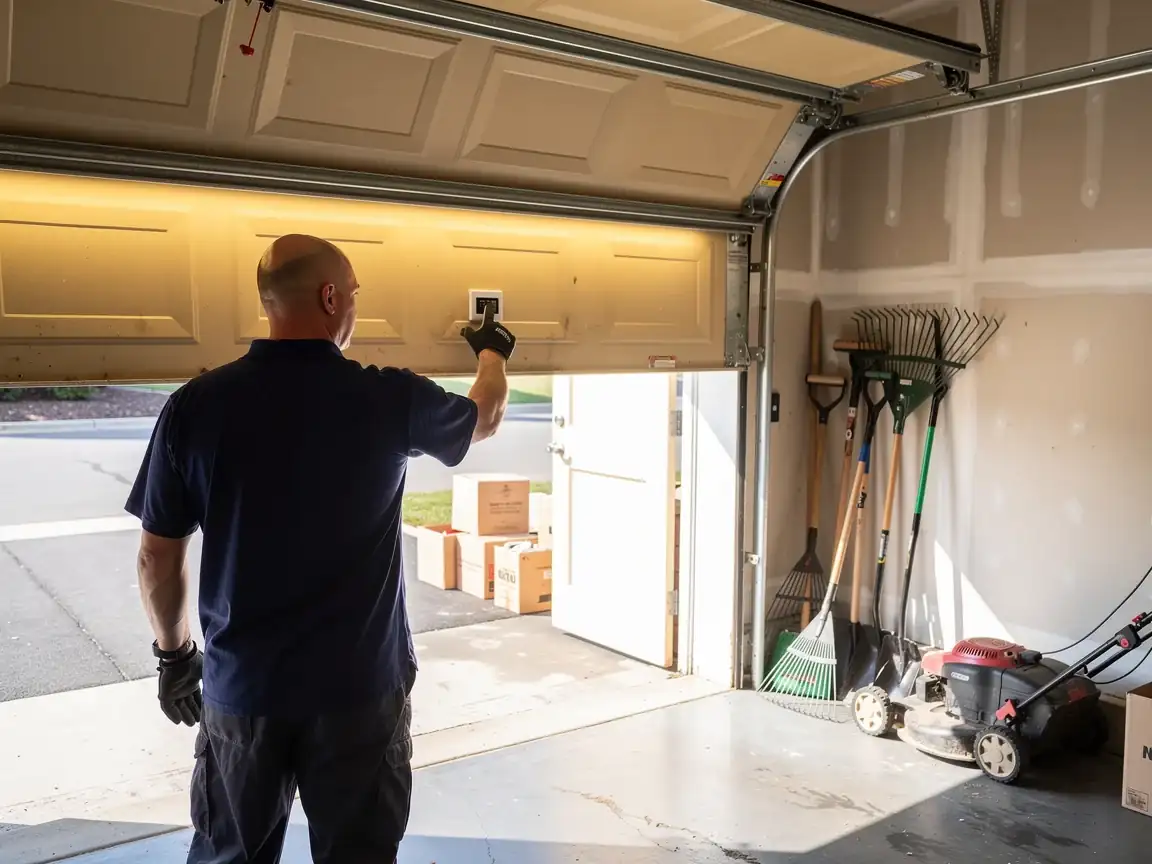
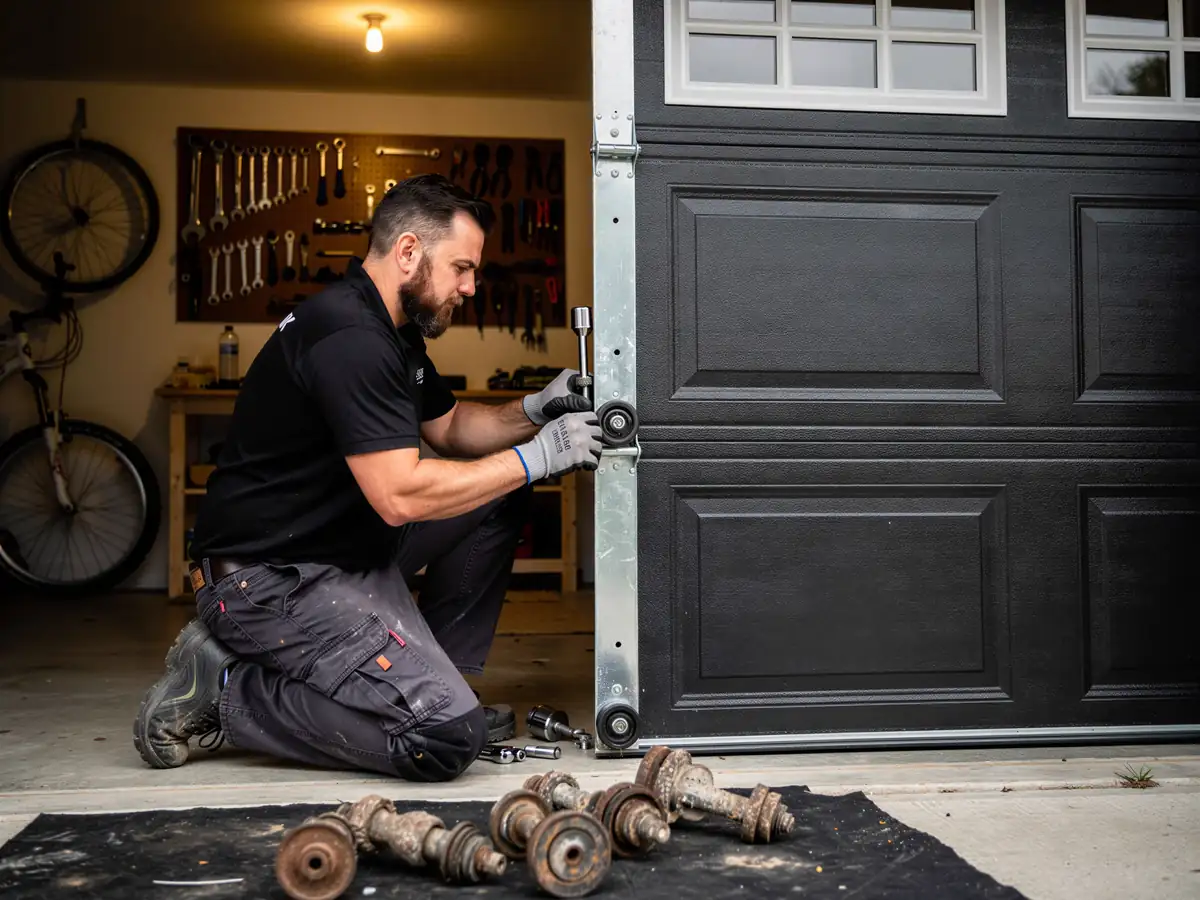
It's less often a dead original spring and more often a worn opener board, a photo-eye knocked out of alignment, or nylon rollers that have finally gone brittle after fifteen-plus years of daily cycles. Different age, different failure, different fix.
The Houses Here
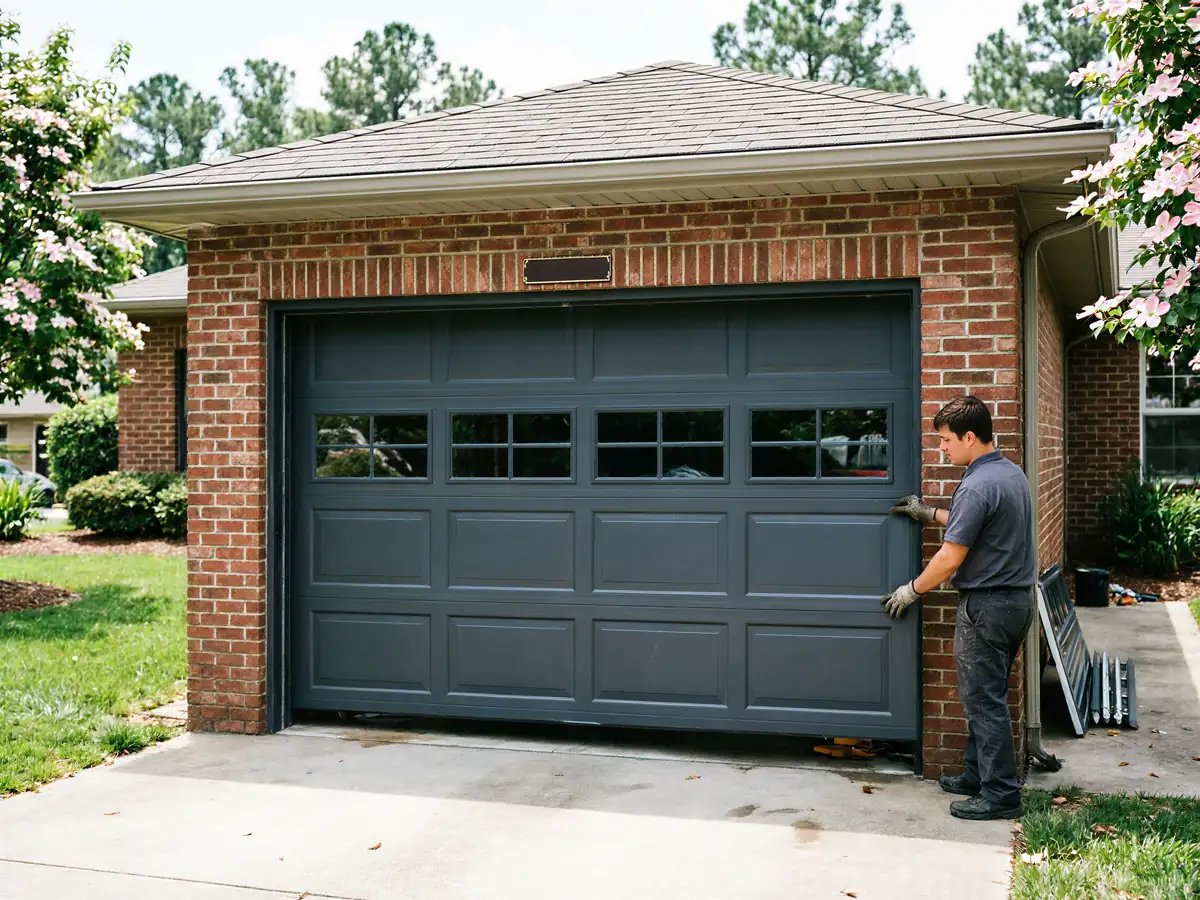
With roughly 1,871 households in Marvin and a median income above $250,000, this isn't a neighborhood built on a single tract plan from one decade. Houses here tend to be larger-format builds from the 2000s construction wave, usually with two- or three-car garages and wider door openings than the older stock closer to the center of the service area.
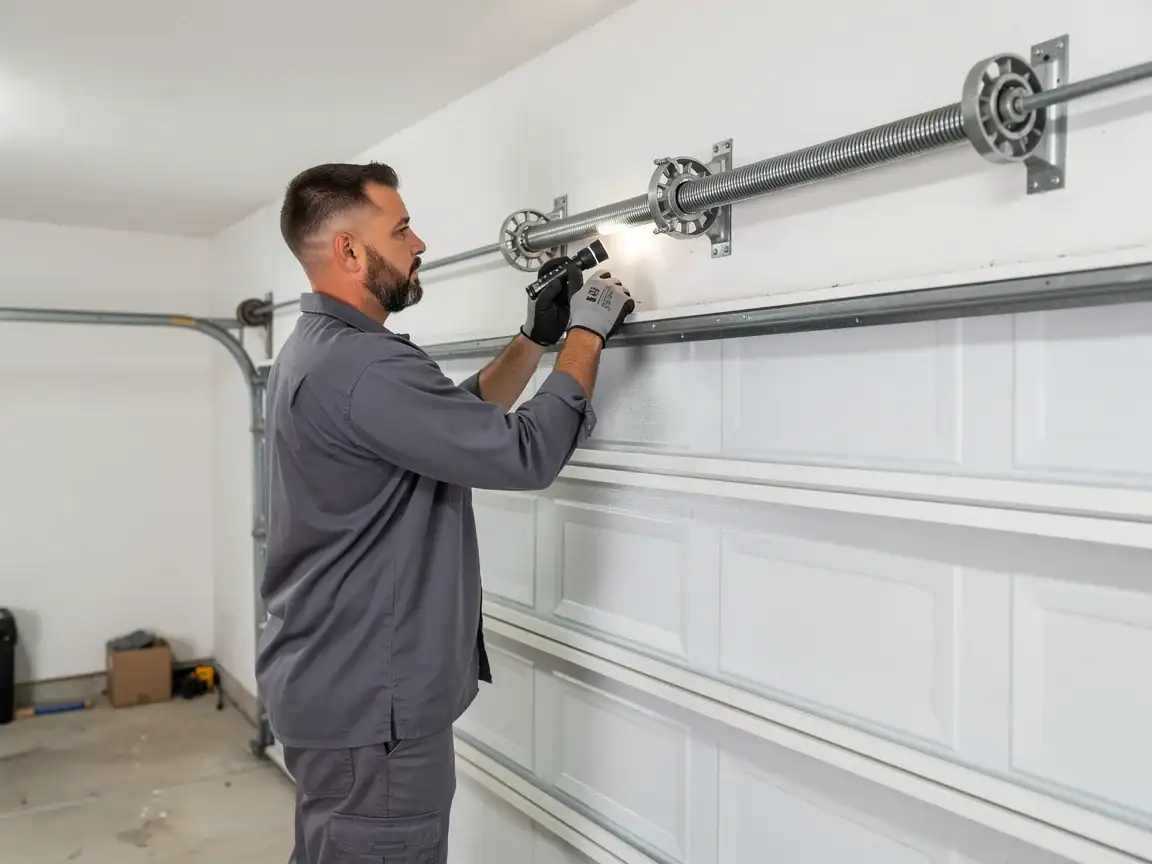
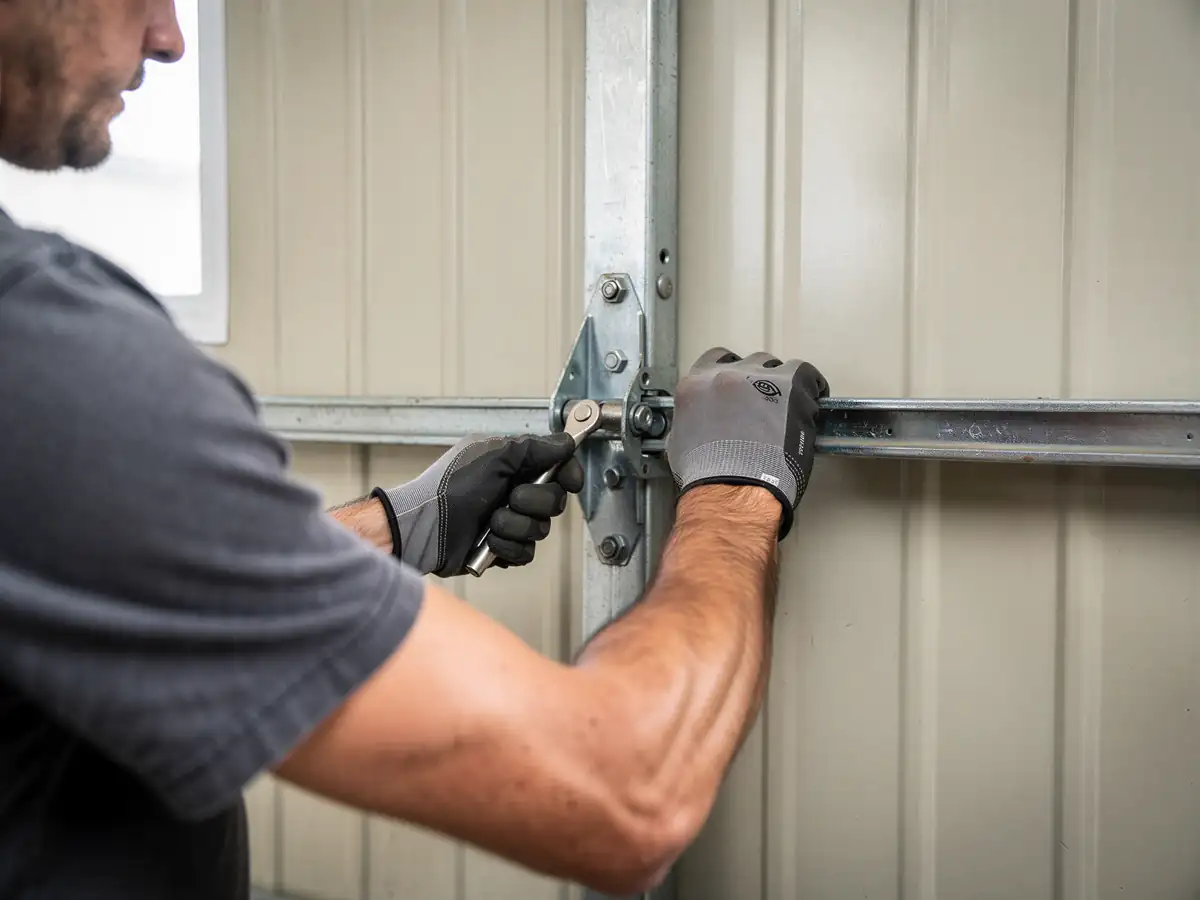
That wider opening matters for springs. A standard 16-foot double door needs stiffer torsion springs than a single 8 or 9-foot bay, and if a previous owner or installer under-specified the spring for the door's actual weight, you get premature wear - cables fraying faster, openers straining harder than they should. We check the door's actual weight and opening width before we quote a spring job, not just the make and model.
Across the broader service area, about 15,065 of 20,236 households are owner-occupied houses, and Marvin's share of that newer, higher-value housing is part of why we don't treat every call the same way we'd treat a call from an older part of the area.
Timing on This Area
We run out of Waxhaw, and Marvin is close enough - about 6 miles - that getting a truck there isn't a scheduling puzzle the way a farther stop like Fairview or Wingate can be. That said, we don't make promises about exact arrival windows here beyond what we'd tell anyone else in the coverage area; travel time is one factor among several on any given day.
Winters in this part of North Carolina land in a cold-moderate band, not the deep-freeze territory you'd get further north, but still enough that a sudden cold snap can stiffen grease in an opener gearbox or make a weak spring finally let go. Newer doors with factory lubrication tend to handle that better than older hardware, which is one more reason the 2005-era housing stock in Marvin tends to call us for different reasons than older neighborhoods do.
Old Streets and New Ones
Marvin doesn't have much in the way of pre-1990s housing stock
Which means we're rarely pulling a door off an old wood-jamb opening here the way we sometimes do in older sections of the service area. Most jobs are newer construction: factory steel doors, standard-width torsion springs, openers original to the house or a single replacement generation in.
The honest limitation
If a part has been discontinued by the original opener manufacturer - which happens more with openers than with doors - we sometimes have to replace the unit rather than chase a matching board or sensor pair. For a house built around 2005, that's starting to become a real possibility on first-generation openers that haven't been swapped yet. We'll tell you straight if a repair isn't worth it compared to a new opener, rather than stretch a fix that won't hold.