Garage Door Repair for Waxhaw's 1980s-90s Housing Stock
Waxhaw homes built mostly between 1974 and 2005 run original torsion springs and openers that struggle once cold nights hit. We fix the springs, cables, and openers that fail here.
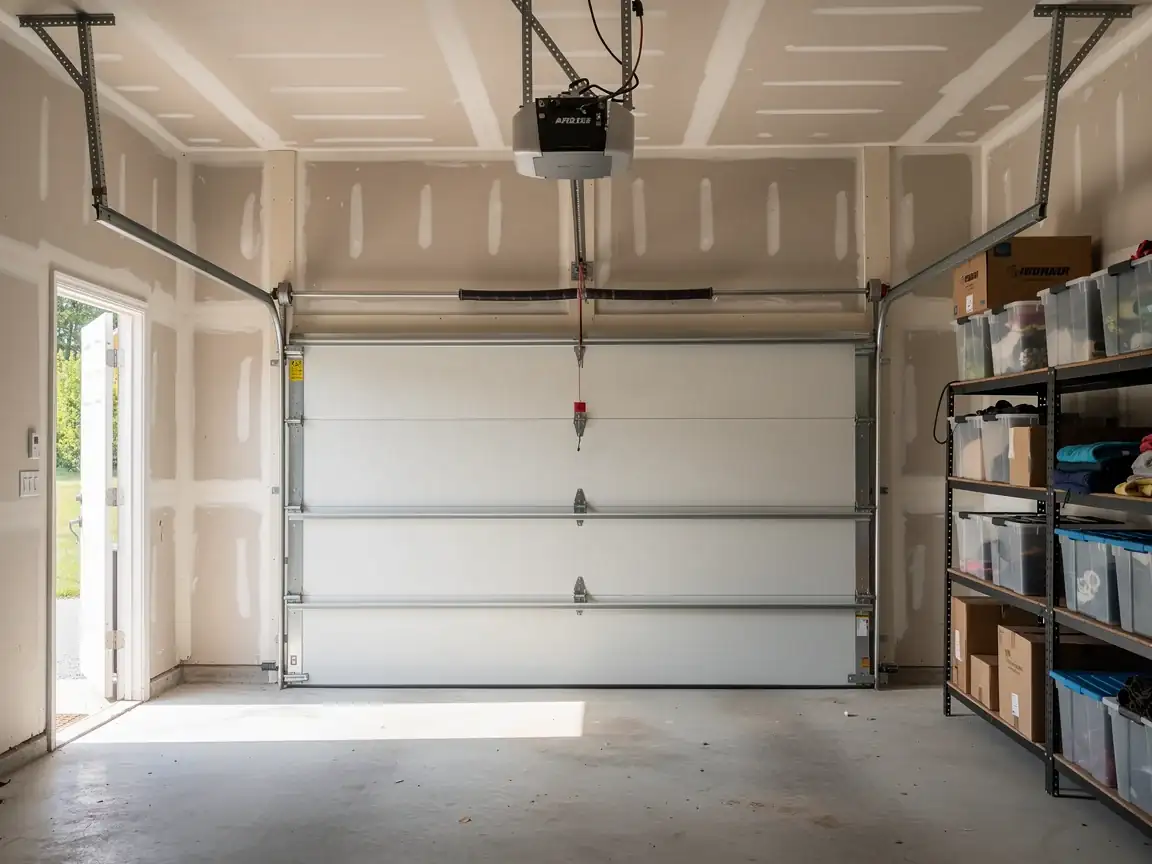
Most of the houses we get called to in Waxhaw were built between 1974 and 2005, with the bulk going up in the 1980s and 90s across the nine neighborhoods that make up this area. That means a lot of doors are still running their original torsion springs - thirty-plus years of cycling on steel that was never designed to last that long. Add the cold-moderate winters we get here, and you get a second problem stacked on top of the first: steel contracts in the cold, which stiffens springs and cables and makes them more likely to snap on a frosty morning than on a July afternoon. We see this pattern over and over - a spring that held up fine for two decades suddenly gives out the week the first real cold front comes through. It's not bad luck. It's metal fatigue meeting a temperature swing. Openers from that same build era are in the same boat. A lot of them are original chain-drive units with aging gear sets that were never meant to run this many years in a garage that isn't insulated or heated.
How It Shows Up
The most common call is a door that won't move at all - usually a torsion spring that's let go, which you'll hear before you see. A loud bang, then the door sits dead weight on the track. Short of that, owners tell us the door feels heavier than it used to, or the opener strains and reverses partway up. That's a spring losing tension gradually rather than snapping clean, and it's common on doors from the 1980s and 90s stock where the springs are original. Cold mornings make it worse - a door that opens fine by afternoon can bind or groan at 6 a.m. when the metal is stiff. Cables fraying near the bottom bracket show up the same way: fine most days, then suddenly the door drops unevenly on one side. Rollers going bad sound like a grinding or squeal that gets louder with each cycle, more common in houses with original hardware that's never been lubricated or swapped. None of these are rare occurrences in this area - they're what you'd expect from housing this age paired with winters that stress the metal twice a year.
What the Fix Involves
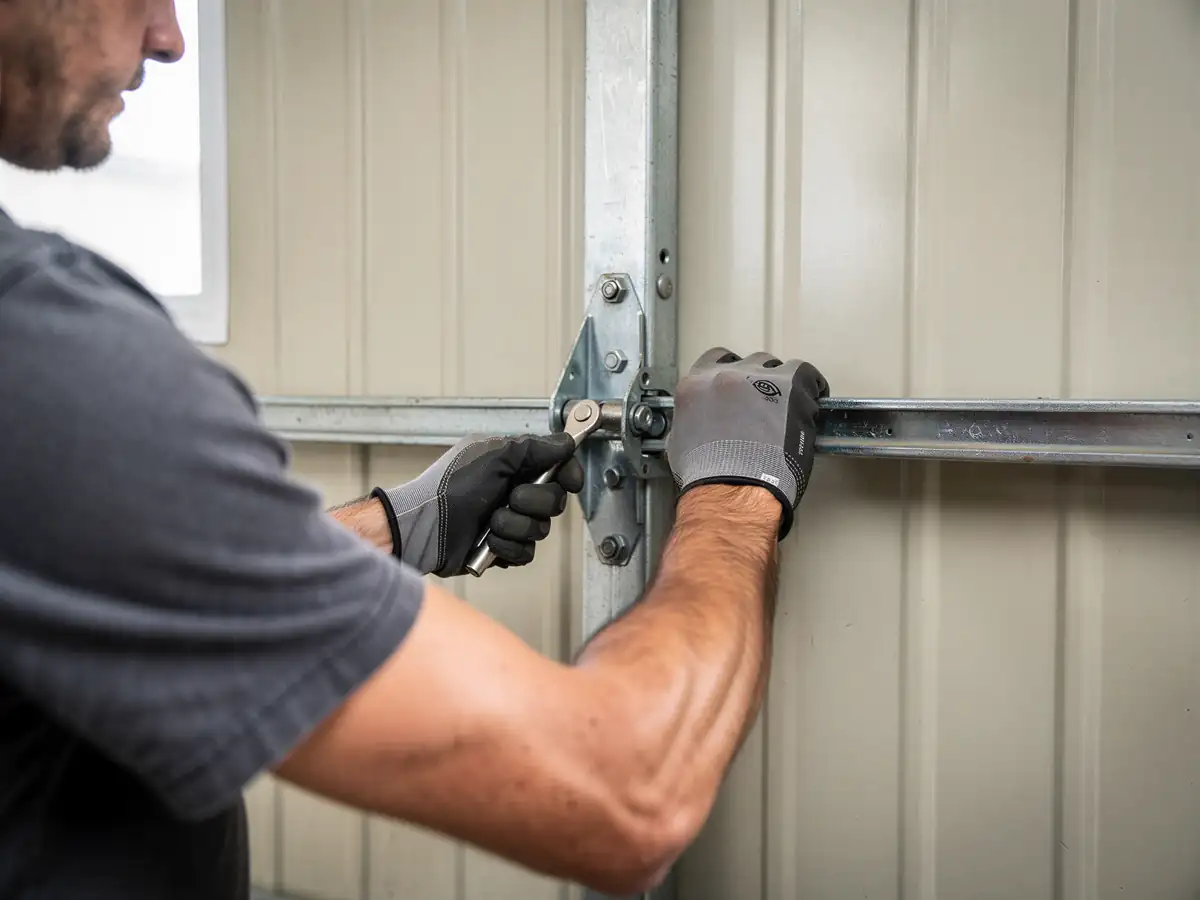
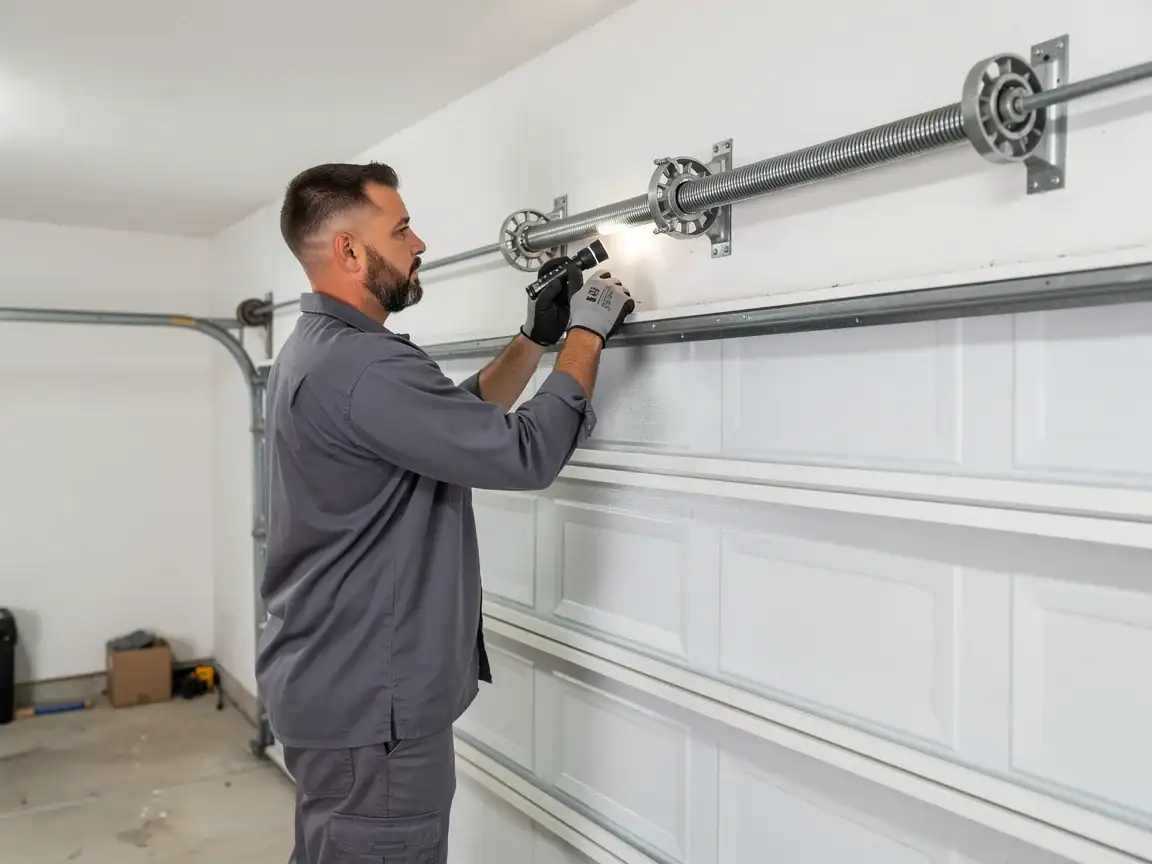
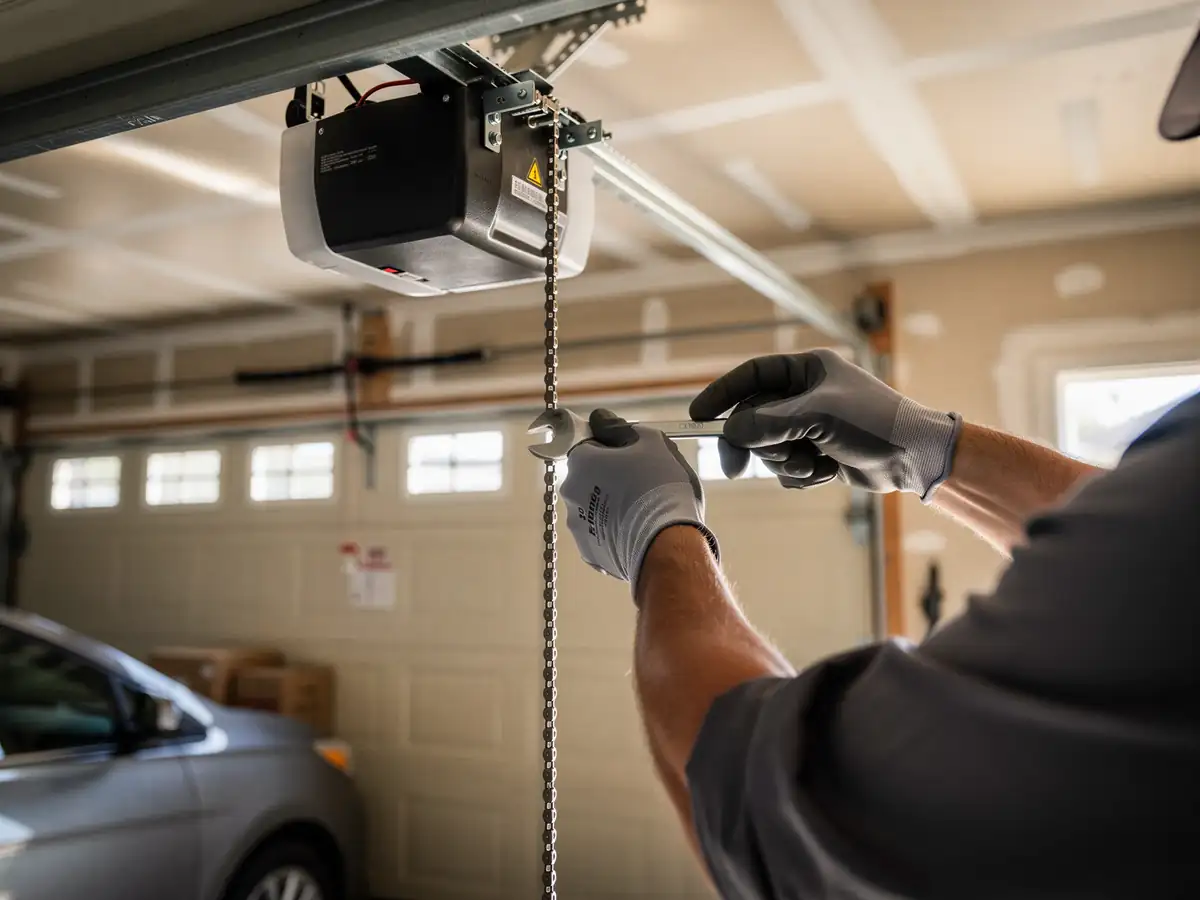
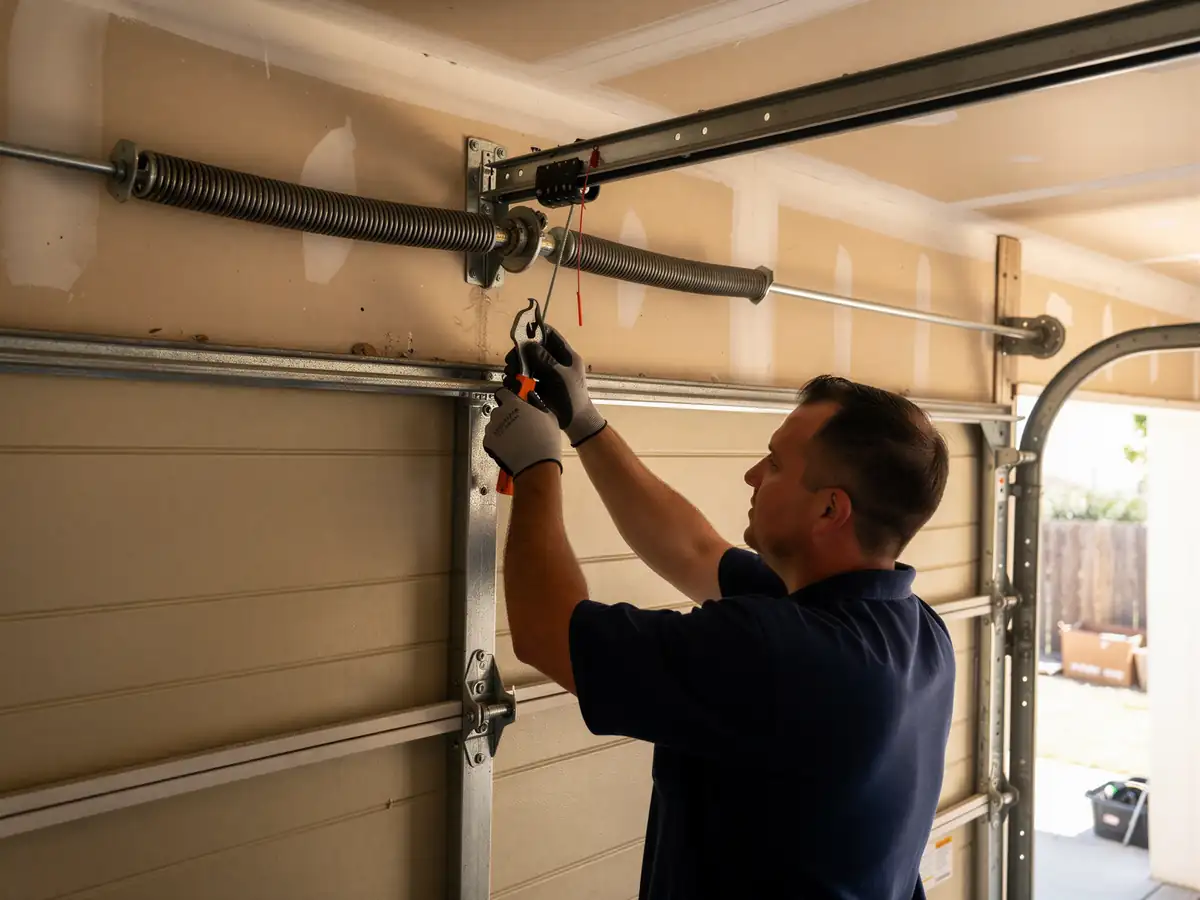
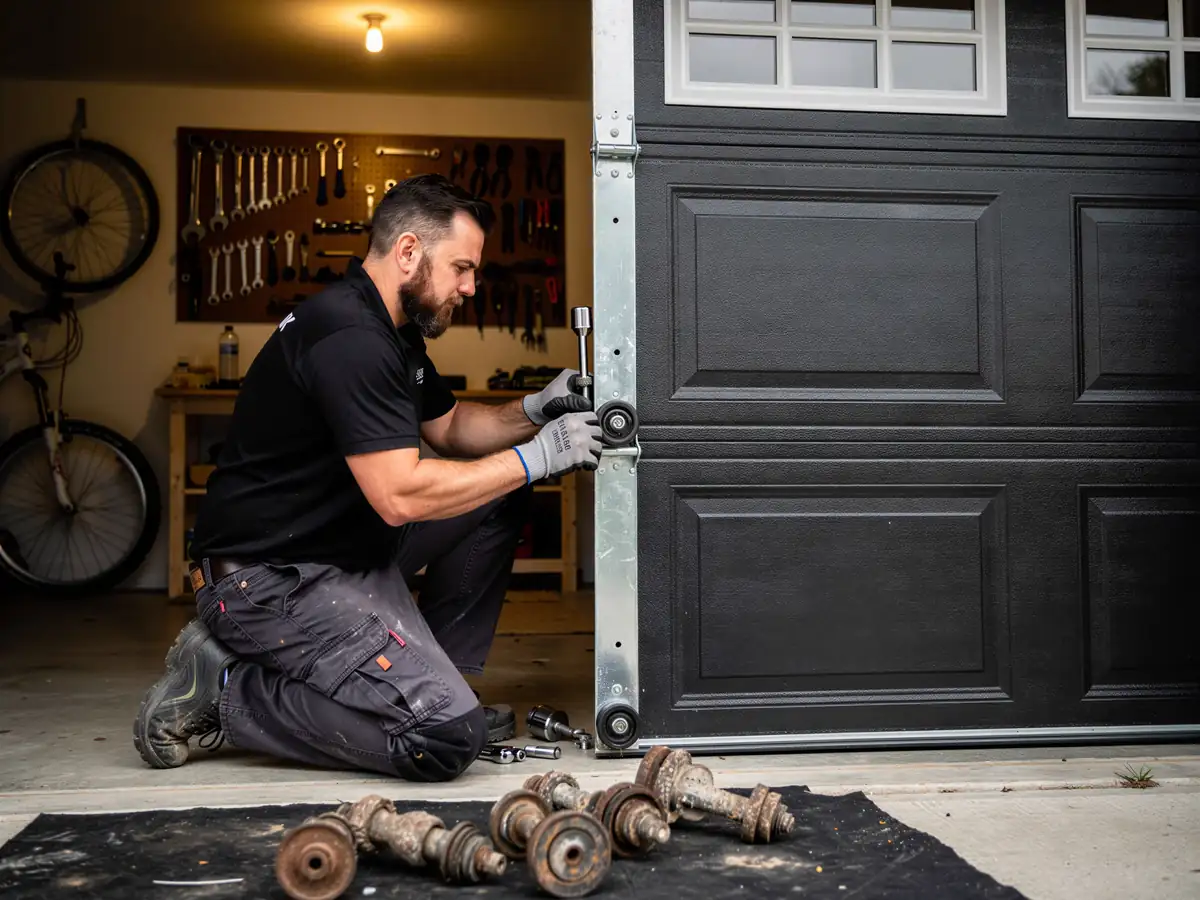
For a broken torsion spring, we measure the door, wind in matched replacement springs rated for the door's weight, and check the cables and drums while we're in there - if one spring went from age and cold stress, the other usually isn't far behind on a door this old. We don't replace just the broken side on a double spring setup; that's a callback waiting to happen. For openers from the original build era, we'll test the gear and circuit board before recommending a swap - sometimes it's a simple sensor or limit adjustment, not a full replacement. Track and roller work means checking alignment first; a bent track from years of impact or settling foundation movement needs straightening or replacing before new rollers do any good. We balance every door after spring work, since an unbalanced door puts the same strain right back on the new springs and shortens their life. Most of this is same-day work once we're on site, though spring sets for older non-standard door sizes sometimes need to be special-ordered.
The Complications
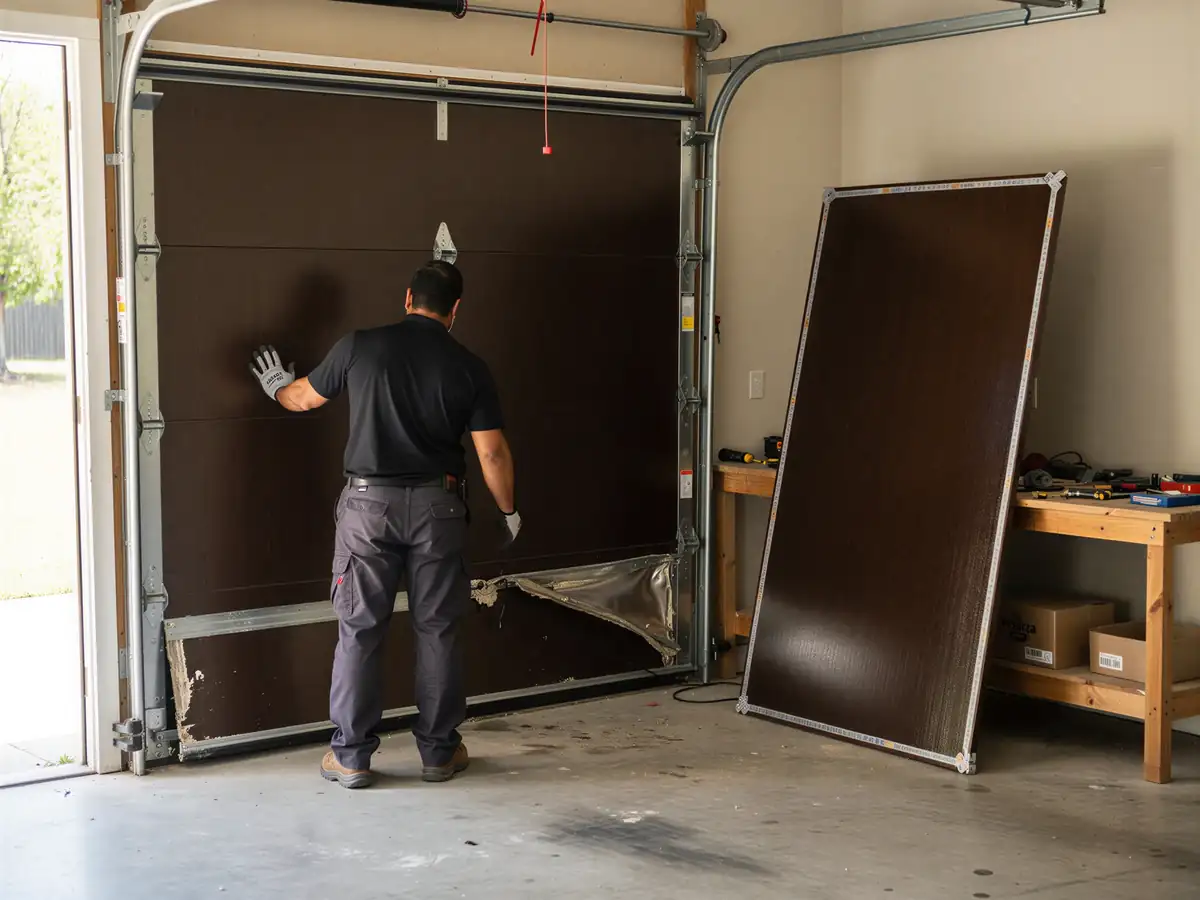
Not every door from this era is worth repairing rather than replacing. If the door itself is original from the 1980s or early 90s and the panels are rusted or warped from decades of exposure, putting a new spring and opener on it is throwing good money after bad - we'll tell you straight if that's the situation instead of running up a bill. Houses with detached or side-load garages sometimes have odd spring configurations that aren't stocked on the truck and need a day or two to source. We also run into openers tied into older home automation or security systems from the build era that complicate a simple swap - those take longer to sort out than a standard replacement. We serve Waxhaw and the surrounding area, including Mineral Springs, Wesley Chapel, Weddington, Marvin, and the same housing-age pattern holds across most of that territory. One honest limit: we don't do cosmetic panel matching on discontinued door styles - if your door is old enough that the manufacturer's stopped making that panel profile, replacement is usually the real answer.
How it works
From “it’s stuck” to “it’s fixed”
01
Tell us what’s wrong
Describe the symptom - won’t open, loud bang, opener runs but the door won’t move.
02
On-site diagnosis
A technician tests the door under power and by hand and finds what actually failed.
03
Clear, up-front plan
You get the fix that’s needed and what drives the cost - before any work starts.
04
Repaired & tested
The repair is done, the door is set true and tested, and the work area left clean.
Not sure which repair your door needs in Waxhaw, NC? Describe what it’s doing - every job starts with a diagnosis.
Why did my garage door spring break on a cold morning?
Steel springs stiffen and lose some flexibility in cold temperatures, and Waxhaw's cold-moderate winters put real stress on springs that are already decades old in houses built in the 1980s and 90s. A spring that's fatigued from years of cycling is far more likely to snap when the metal is cold and tight than during warmer months.
Is my door too old to repair?
Not usually - springs, cables, and openers can be replaced on almost any door regardless of age. The exception is when the door panels themselves are rusted, warped, or the style is long discontinued. If that's the case on a door from the original 1970s-2000s building era, we'll tell you replacement makes more sense than another repair.
How fast can you get to a broken spring?
We don't have a stated response window to quote, but most spring and cable jobs are handled same day once we're on site, since we carry common spring sizes on the truck. Non-standard sizes on older or detached garages sometimes take an extra day to source.