Serving Waxhaw, NC & nearby
(704) 360-0938
Waxhaw, NC

Why Waxhaw Garage Door Springs Break When Winter Hits

Waxhaw's 1980s-90s housing stock and cold winter snaps mean torsion springs fail without warning. Here's why this town's homes see it more often than most.

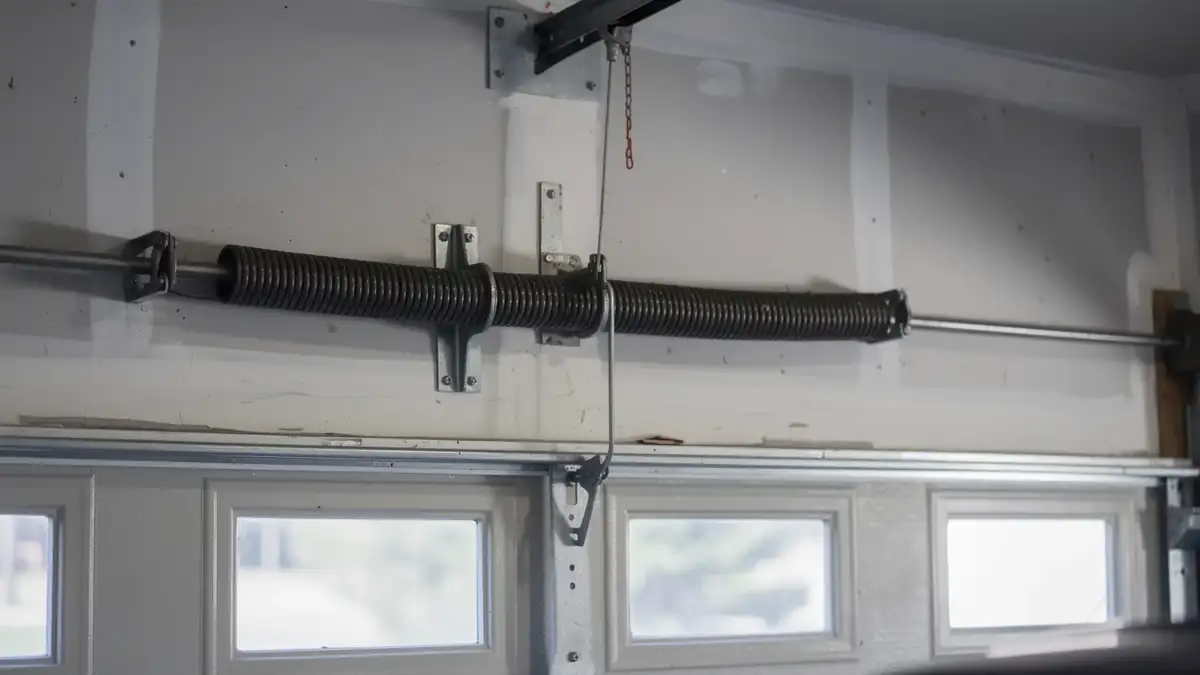
A garage door torsion spring is mounted above a white garage door with windows.

What Local Conditions Do

  1. Most of the houses on this side of Mecklenburg and Union County went up between 1974 and 2005

    With the thickest run of building happening in the 1980s and 90s. That shows up in nine named pockets of town with the same basic garage setup: a single steel torsion spring over the header, sized for whatever door weight was standard the year the house was framed. A lot of those springs are original. Nobody replaces a spring that still works, so a thirty-year-old coil keeps turning until the day it doesn't.

  2. Waxhaw sits in a cold-moderate climate band, not the deep freeze you'd get further north

    But enough hard overnight drops each winter to matter for steel under tension. The spring doesn't care that the afternoon warms back up to 50. It's the overnight low that stresses the coil, and it does that every winter, year after year, on hardware that was never meant to run this long.

  3. Put those two things together and you get a town where spring failures cluster in a predictable window instead of spreading evenly across the year

    That's not true everywhere. It's true here because of what got built and when.

The Problem

A torsion spring doesn't wear out gradually the way a tire does. It holds tension for years, loses a little strength each cycle, and then one day it's carrying a door it can no longer lift. On a house built in the early 90s, that spring has had three decades of open-close cycles on hardware that was standard for its era but is now past the point where you'd call it reliable.

The real issue is that most owners don't know the spring's age, because nobody tracks it. If the house changed hands once or twice, the paperwork from the original build is long gone. So the first sign anything's wrong is usually the door stopping halfway, or a loud bang from the garage that turns out to be the spring letting go.

Here's the honest limit: if a spring has already snapped, you don't patch it. One side goes, the other side is usually close behind, and running a door on a single working spring just strains the opener and the track. At that point it's a full replacement job, both springs, sized to the actual door weight - not whatever the builder put in originally.

The Seasonal Bit

Steel contracts in the cold, and a spring under tension loses some give right along with it. In a climate band like Waxhaw's - cold enough for real overnight drops, not cold enough to stay frozen all day - the spring goes through more expansion-and-contraction cycling in a season than it would somewhere warmer year-round. That cycling is what tires out the coil faster than the rated cycle count would suggest.

This is also when you'll hear people say a spring "went in the cold." That's not folklore. A spring that was already near the end of its life, holding on through a mild fall, will often give out on the first hard cold snap of the season rather than on some random Tuesday in July. The door doesn't know the difference until the moment it does.

If your door is original to a house built in the 1980s or 90s, winter is the season to expect trouble, not to be surprised by it. That's not a sales pitch, it's just where the stress concentrates on hardware of that age in this part of the state.

Where People Go Wrong

  1. The most common mistake is spraying the spring with lubricant and calling it fixed

    Lubricant quiets a noisy spring for a week or two. It does nothing for a coil that's lost its temper from thirty years of cycling. If the spring is original to a house built before the early 2000s, oil isn't going to change the math.

  2. The second mistake is trying to adjust tension on a spring that's already failing

    This is dangerous work under the best conditions, and a spring near the end of its life can let go while someone's hands are on it. That's not a DIY afternoon, full stop.

  3. The third is waiting

    With a median household income of $89,417 across the service area, most owners here can afford to replace a spring outright rather than nurse an old one along, but plenty still wait until it snaps. A spring that's visibly stretched, rusted at the coil gaps, or making a grinding sound on every cycle is telling you something. Across roughly 15,065 owner-occupied houses in this area, a good share are sitting on hardware from the same narrow building window, which means a lot of neighbors are going to be dealing with this same decision around the same time.

    • $89,417 median household income
    • 15,065 owner-occupied
How it works

From “it’s stuck” to “it’s fixed”

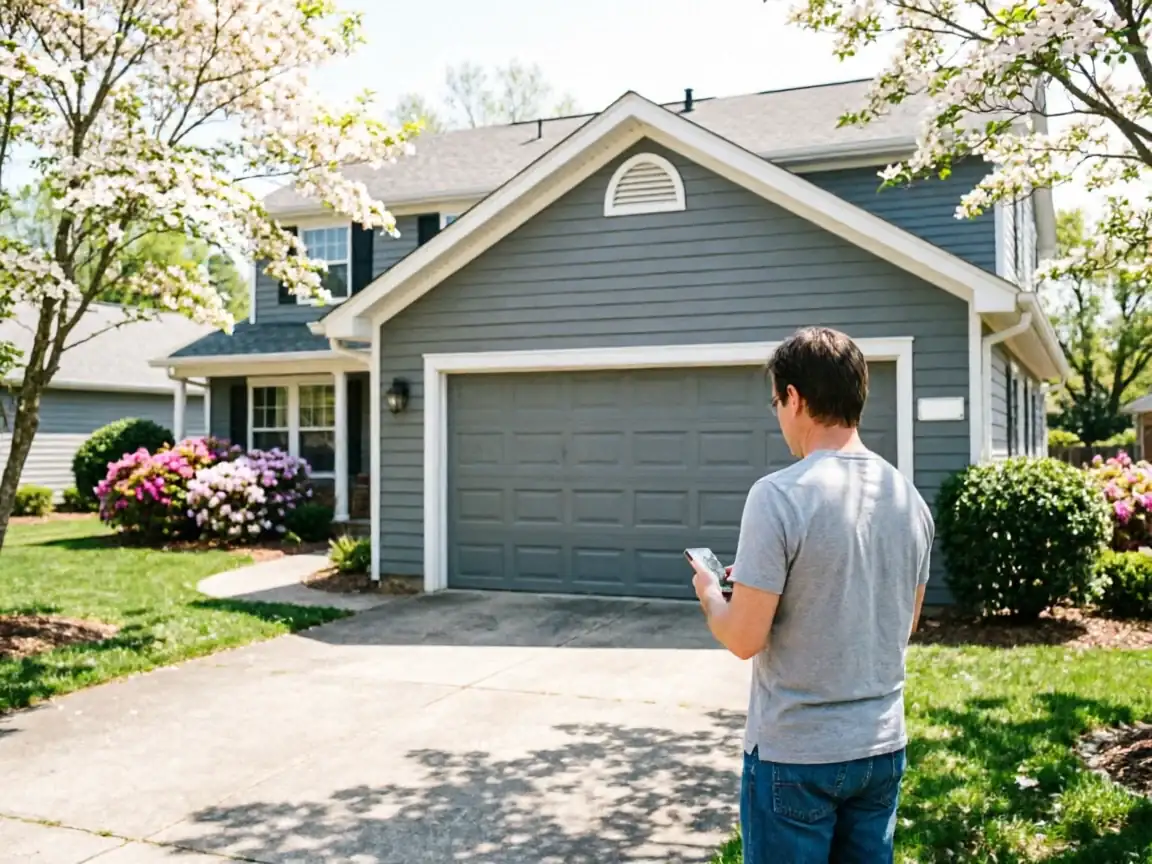
A man stands in a driveway, looking at his phone, with a gray house and garage door behind him.

Tell us what’s wrong

Describe the symptom - won’t open, loud bang, opener runs but the door won’t move.

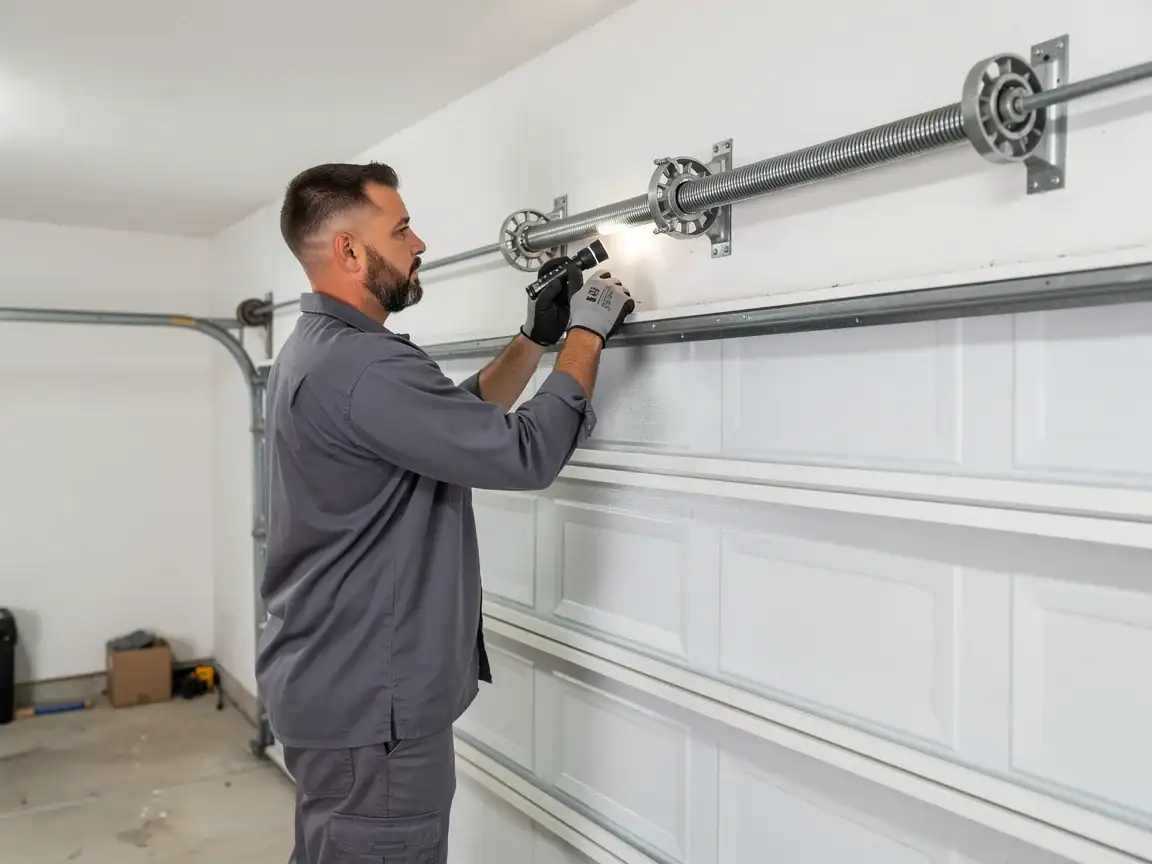
A technician shines a flashlight on a garage door torsion spring.

On-site diagnosis

A technician tests the door under power and by hand and finds what actually failed.

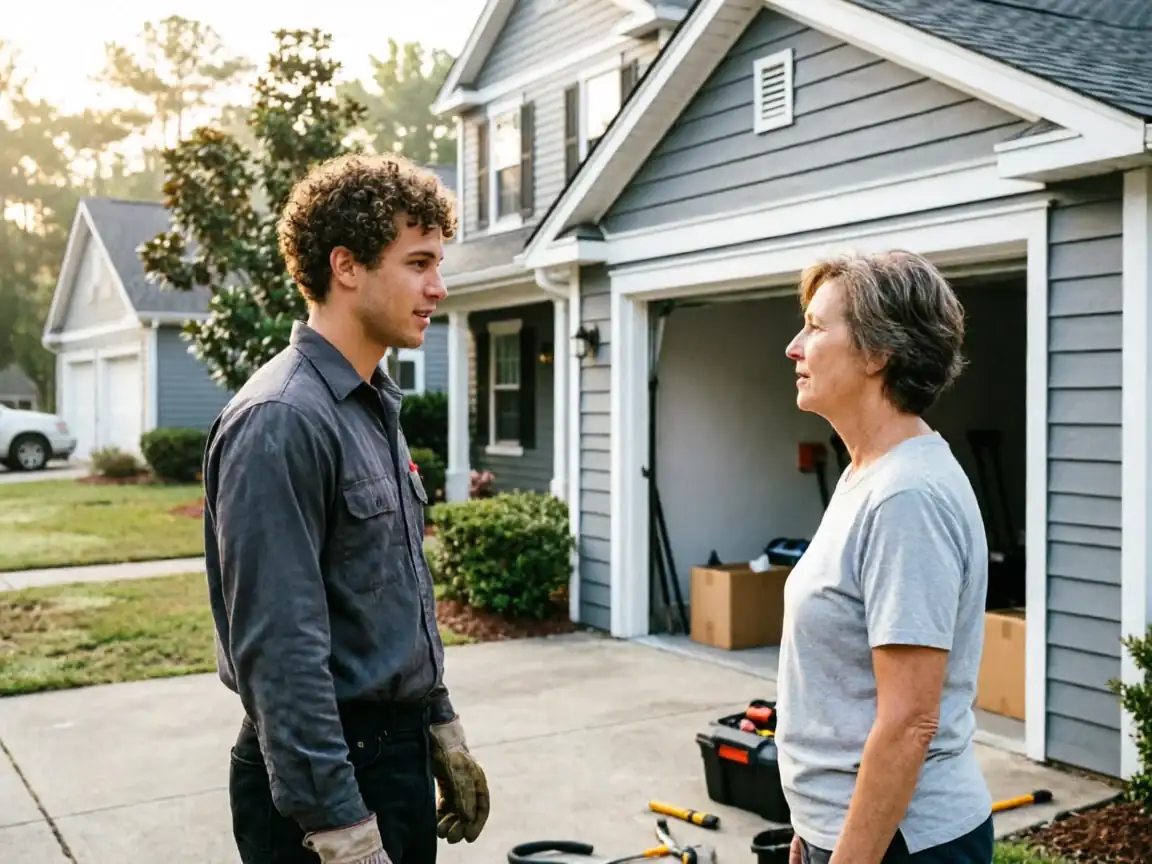
A technician talks to a woman in front of a house with an open garage.

Clear, up-front plan

You get the fix that’s needed and what drives the cost - before any work starts.

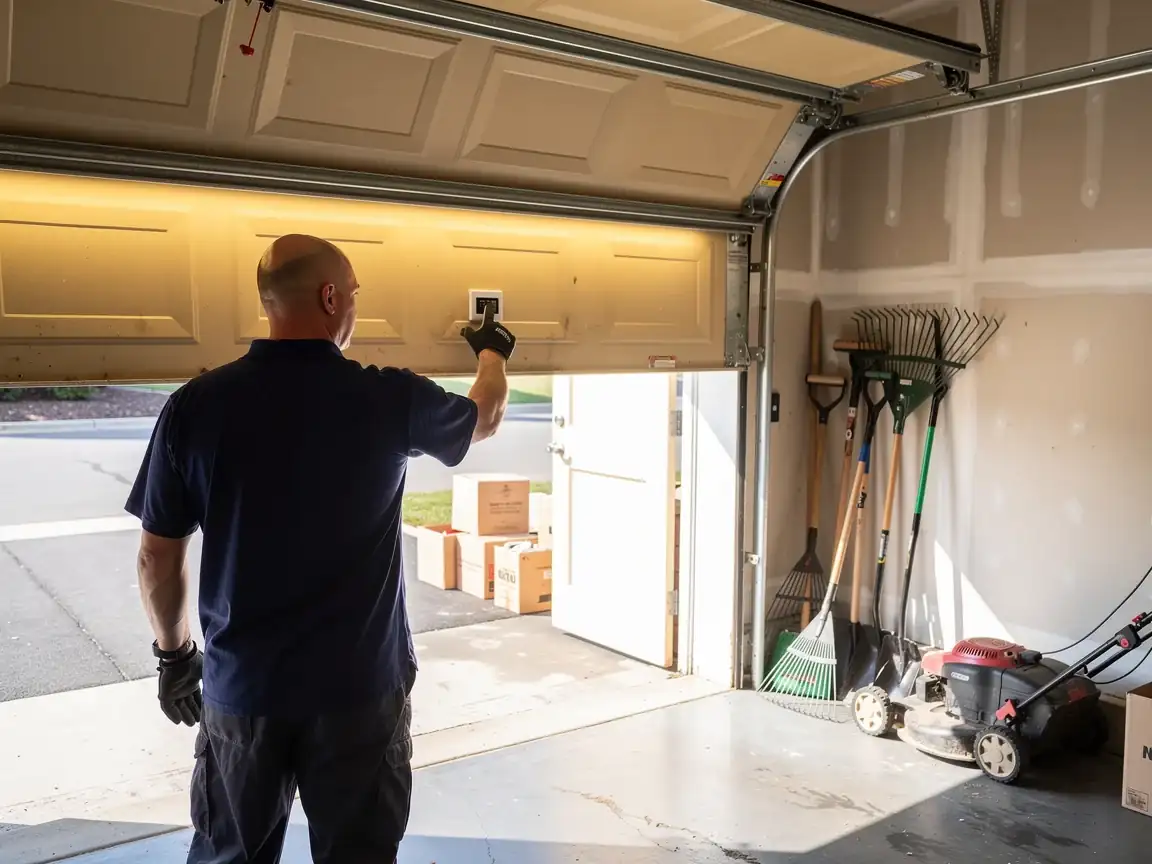
A technician in gloves adjusts a light strip on an open garage door.

Repaired & tested

The repair is done, the door is set true and tested, and the work area left clean.

Not sure which repair your door needs in Waxhaw, NC? Describe what it’s doing - every job starts with a diagnosis.

How we work

What to expect

A straight, honest approach on every Waxhaw job.

Diagnosis first

Every visit starts by finding what actually failed - not a pre-written parts list.

The right part for the door

Springs and openers matched to the door’s weight and age, so the fix holds up.

Straight answers

When a repair makes more sense than a replacement - or the reverse - you hear it plainly.

Clean, careful work

Tension released safely, hardware set true, the door tested under power before we leave.

What we do

Garage Door Services

Repair and installation work for Waxhaw homes and businesses.

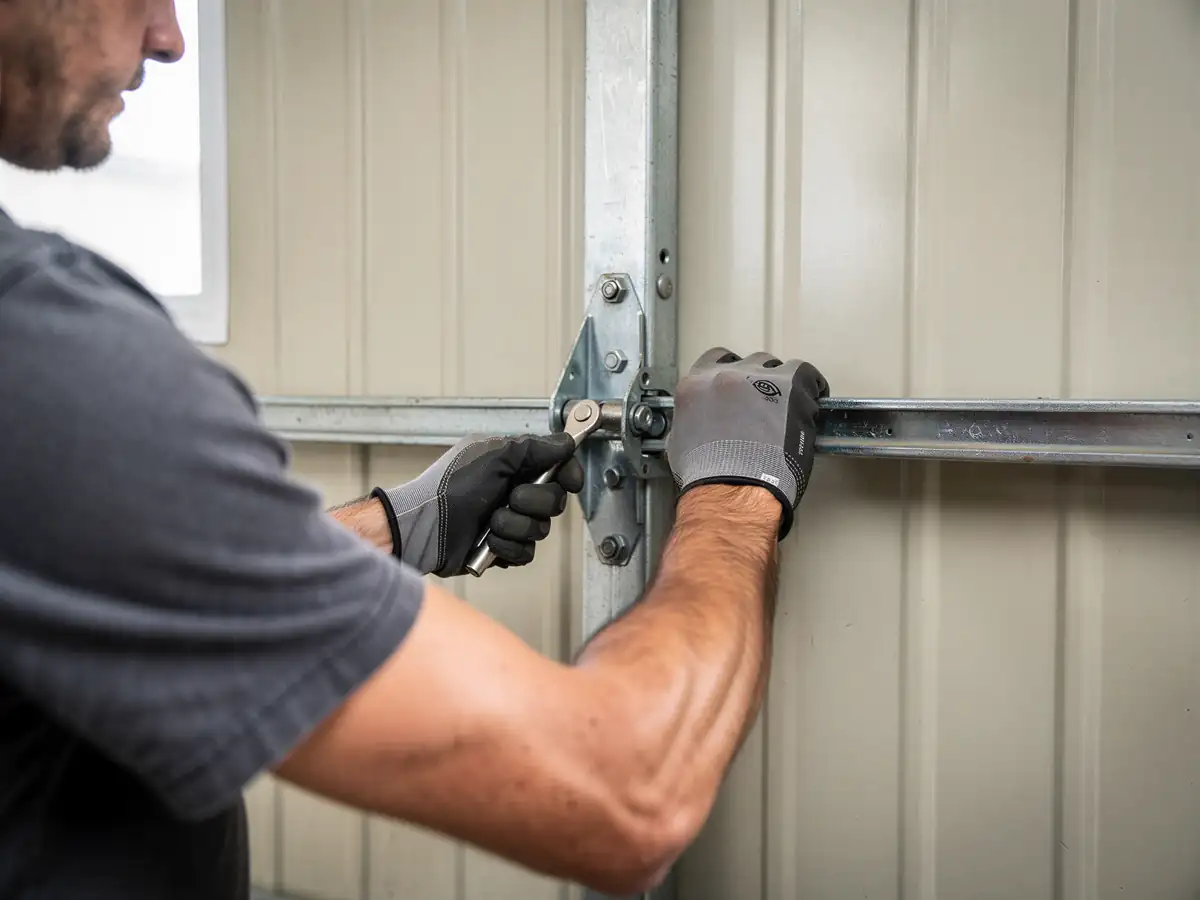
A technician in gloves tightens a bolt on a garage door hinge with a wrench.

Garage Door Repair

Waxhaw homes built mostly between 1974 and 2005 run original torsion springs and openers that struggle once cold nights hit. We fix the springs, cables, and openers that fail here.

Learn more
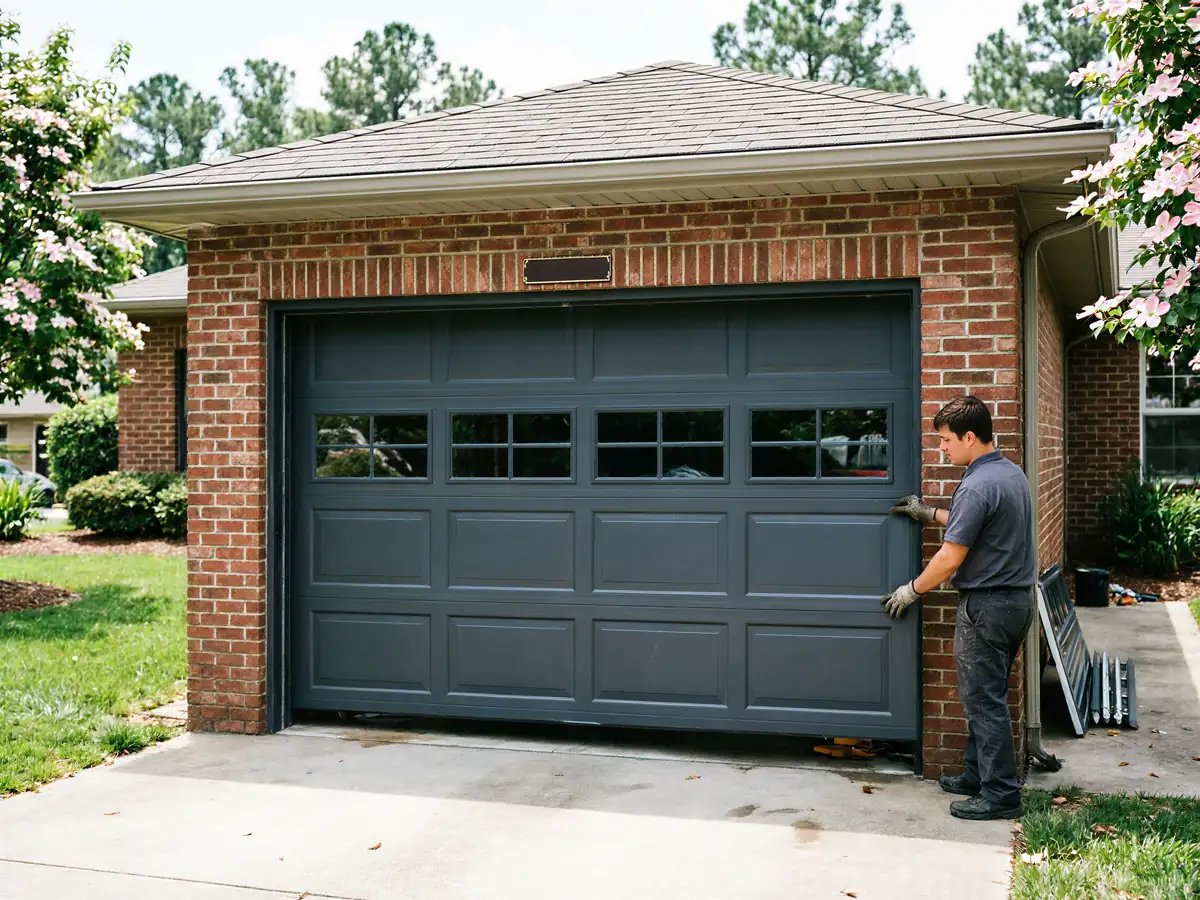
A technician in a gray shirt is installing a dark gray garage door on a brick house.

Garage Door Installation

Garage door installation for Waxhaw homes built 1974-2005, where original doors and openers are now reaching the end of their service life. Local sizing, local climate.

Learn more
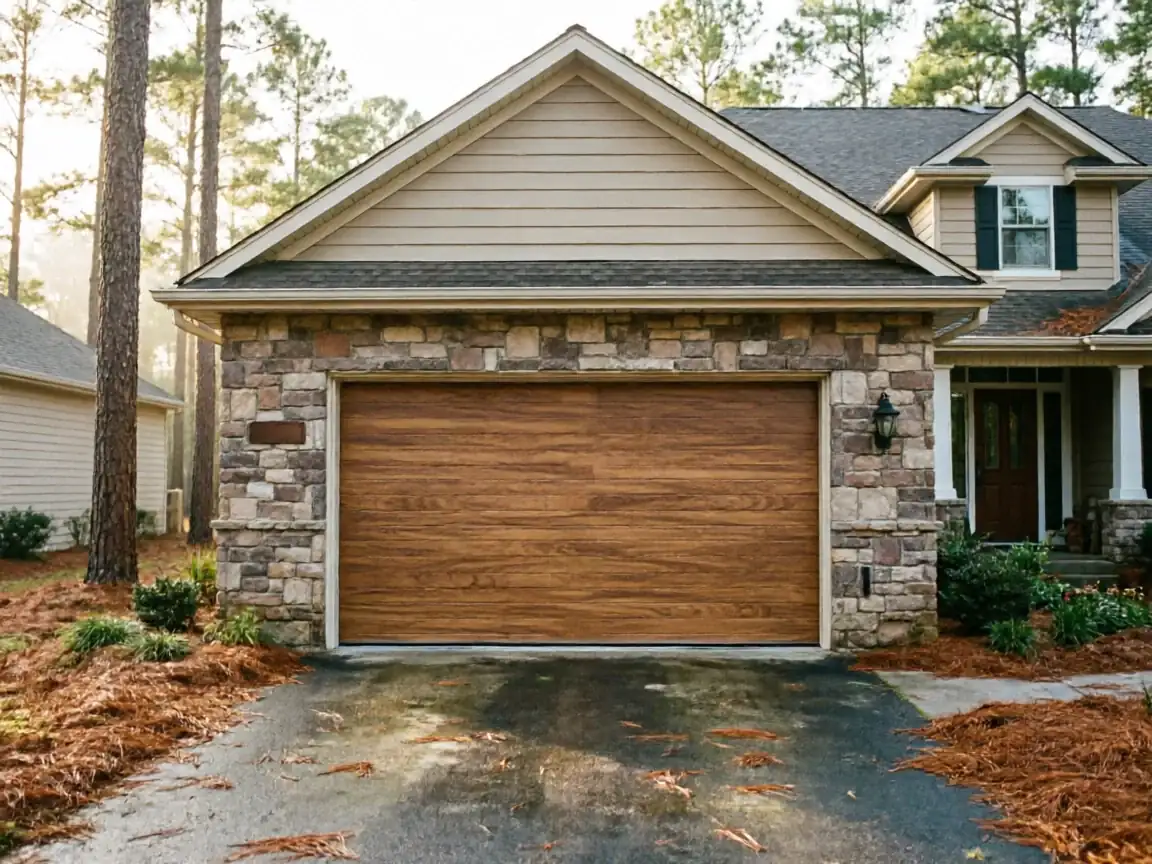
A modern house features a wood-look garage door and stone facade.

Garage Door Service

Garage door service for Waxhaw homes built mostly between 1974 and 2005 - spring, opener, and track repair sized to this area's housing stock and cold-moderate winters.

Learn more
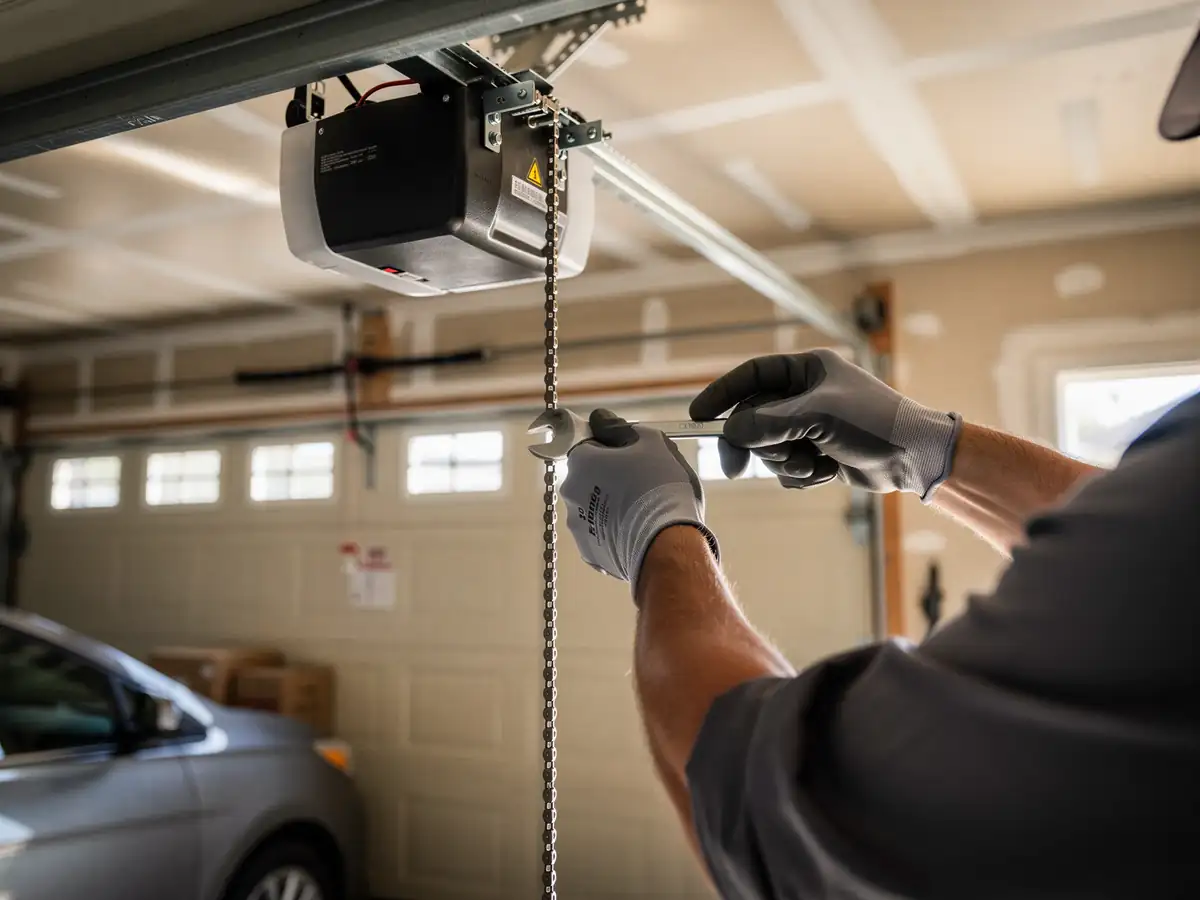
A technician in gray gloves holds a wrench near a garage door opener chain.

Opener Repair

Opener repair for Waxhaw homes built 1974-2005, where original chain-drive units and aging circuit boards are now failing across the area's 1980s-90s housing stock.

Learn more
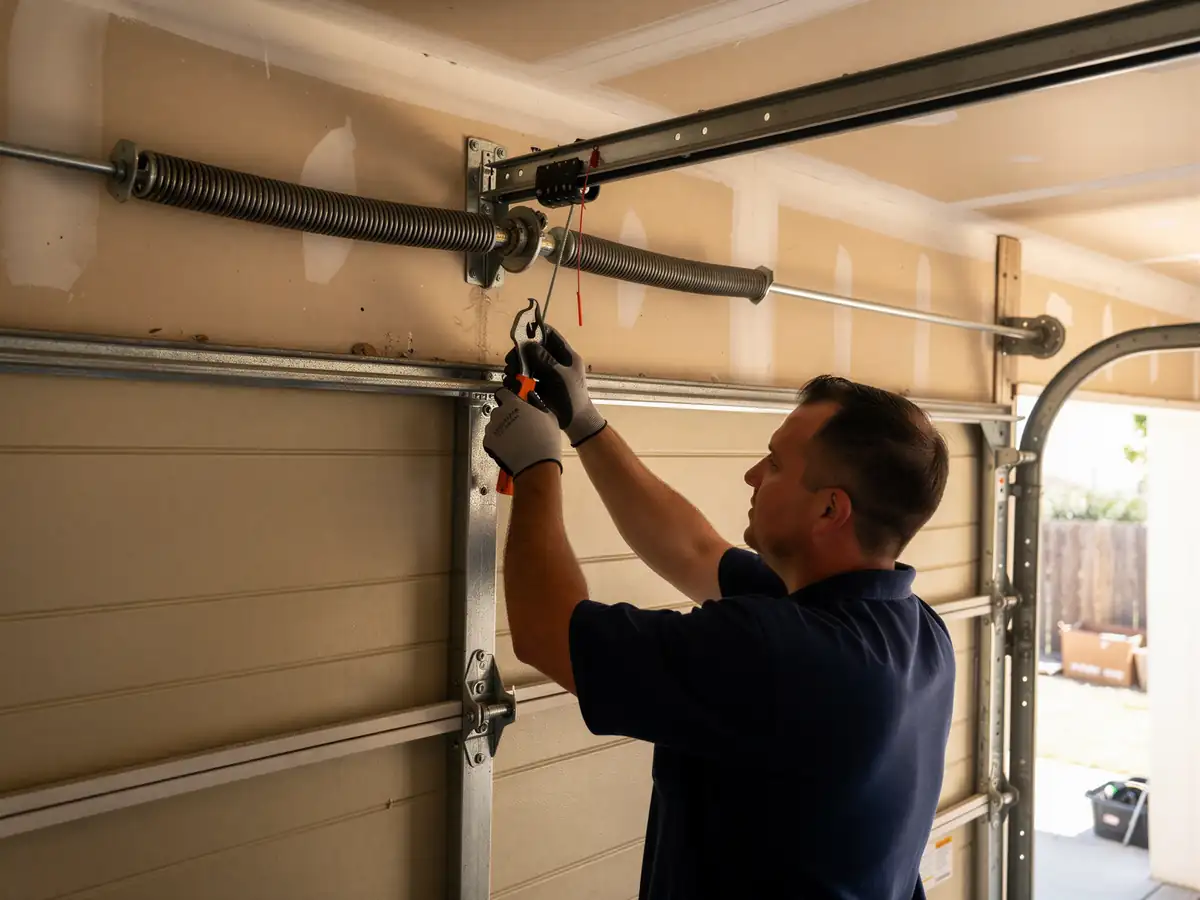
A technician wearing gloves adjusts a garage door torsion spring.

Spring Repair

Torsion and extension spring repair for Waxhaw homes built 1974-2005, where original hardware is now 20-45 years old and failing on schedule.

Learn more
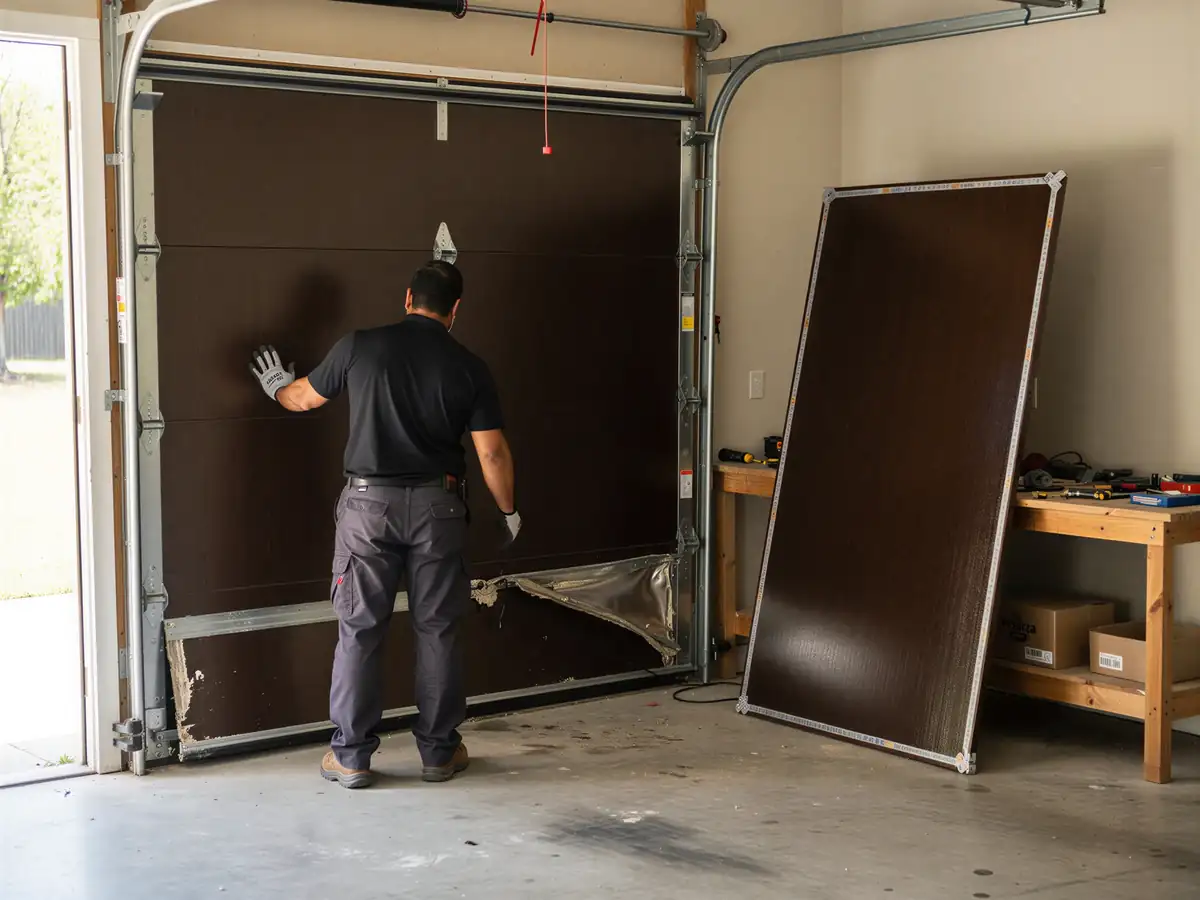
A technician works on a damaged brown garage door with a panel removed.

Panel Replacement

Panel replacement for garage doors in Waxhaw, NC homes built 1974-2005. Dented, rusted, or cracked panels fixed without replacing the whole door and opener.

Learn more
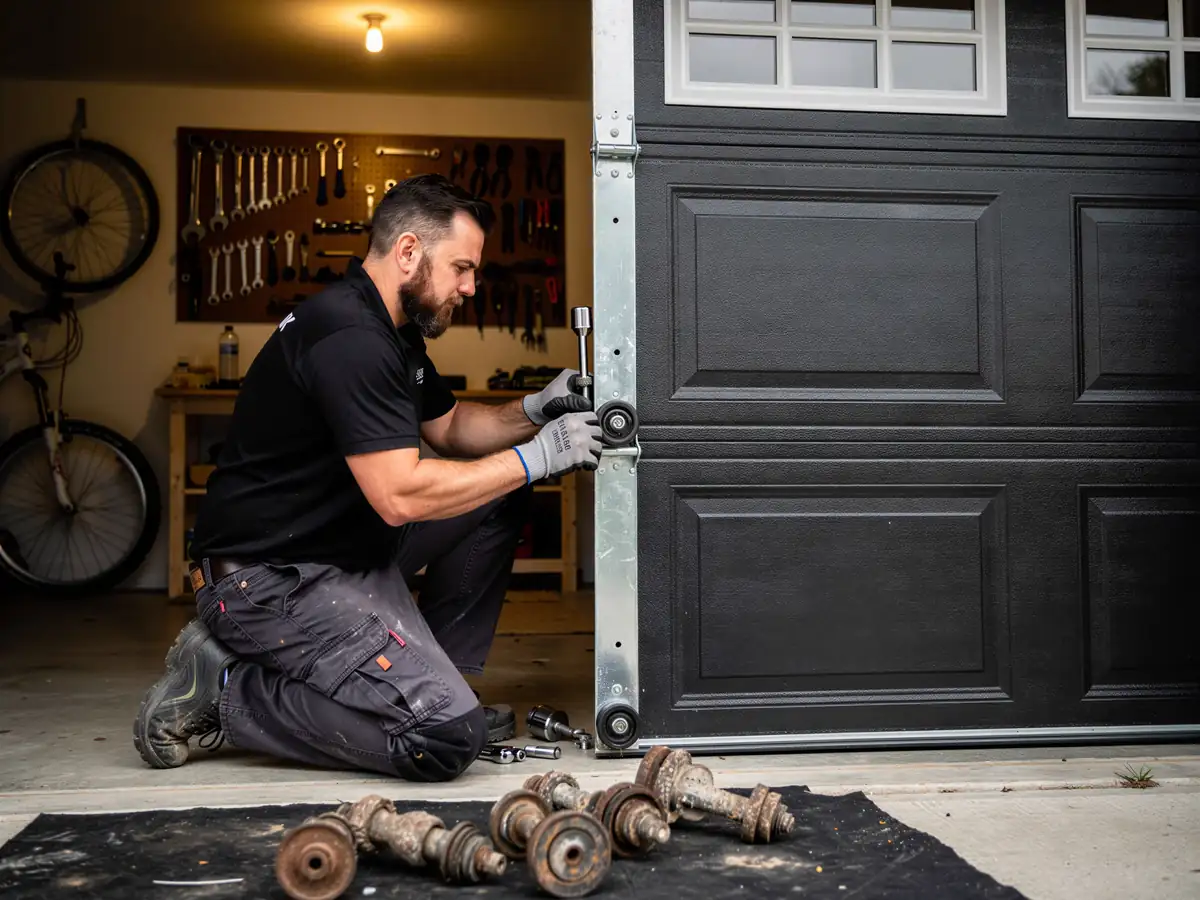
A technician kneels, repairing a black garage door with a wrench.

Roller Replacement

Steel rollers from 1980s and 90s builds wear out fast in Waxhaw's cold-moderate swings. Here's why, how it shows up, and what a proper fix involves.

Learn more
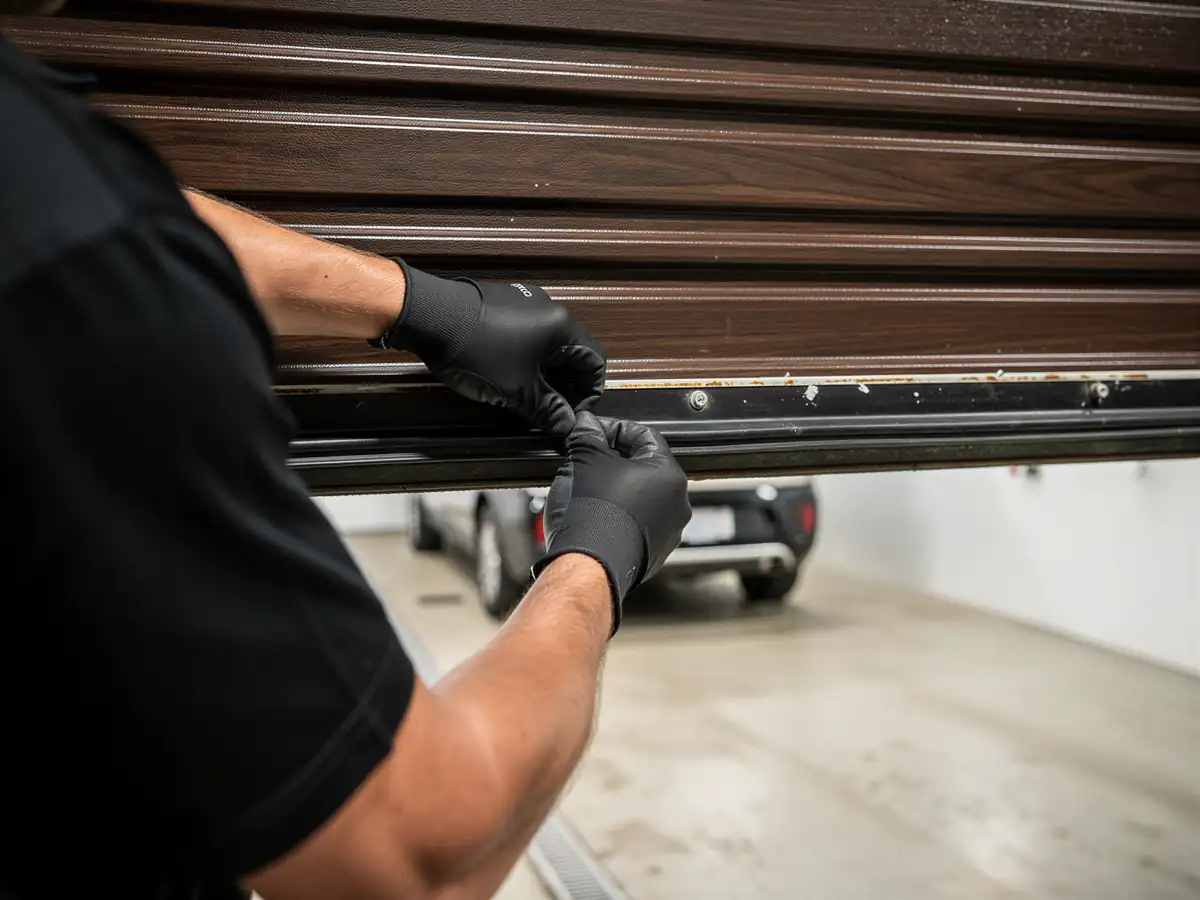
A technician wearing black gloves works on the bottom seal of a brown garage door.

Maintenance

Waxhaw homes built from 1974 to 2005 carry hardware now 20-50 years old. Maintenance built around that housing stock and the Carolina cold-moderate climate band.

Learn more
Questions

Frequently asked

Straight answers about garage door repair in Waxhaw. Still unsure? Ask us directly.

How old does a garage door spring have to be before it's a real risk?

There's no fixed number, but a spring original to a house built in the 1980s or 90s has had decades of cycling on it. If you don't know the install date and the house falls in that build range, treat the spring as due, especially heading into winter.

Why do springs seem to break more in winter around here?

Steel loses flexibility in the cold, and Waxhaw's climate band gets enough overnight drops each winter to add real stress to a spring that's already near the end of its life. A spring that held on through fall often doesn't make it past the first hard cold snap.

Can I just replace the one spring that broke?

Not as a lasting fix. If one spring failed from age, the other is usually close behind, and running a door on a single spring strains the opener and track. Most jobs on a double door call for replacing both at once.

Is it worth replacing springs before one actually breaks?

If your door is original to a house from the 1980s or 90s building boom here, yes - replacing on your schedule beats replacing after it snaps and jams the door shut. A visibly stretched or rusted coil is reason enough to act before winter.

Ready to get your garage door sorted?

Request a QuoteCall