How That Shows Up in the Door
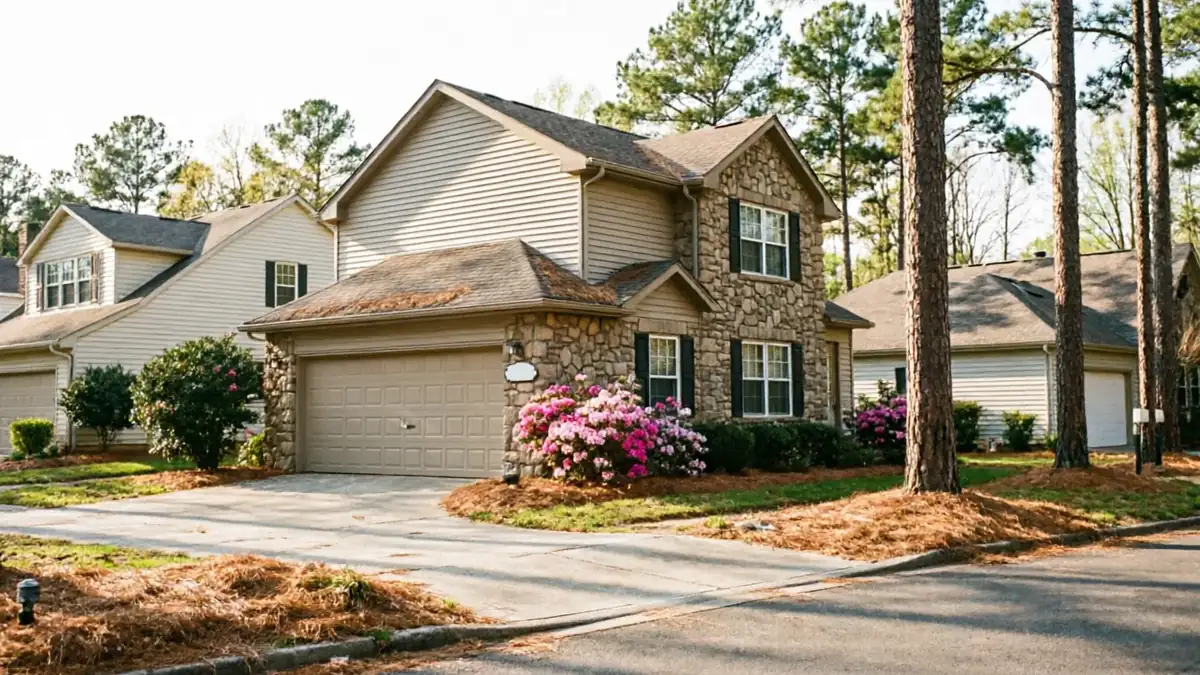
Weddington's housing stock centers around 1998
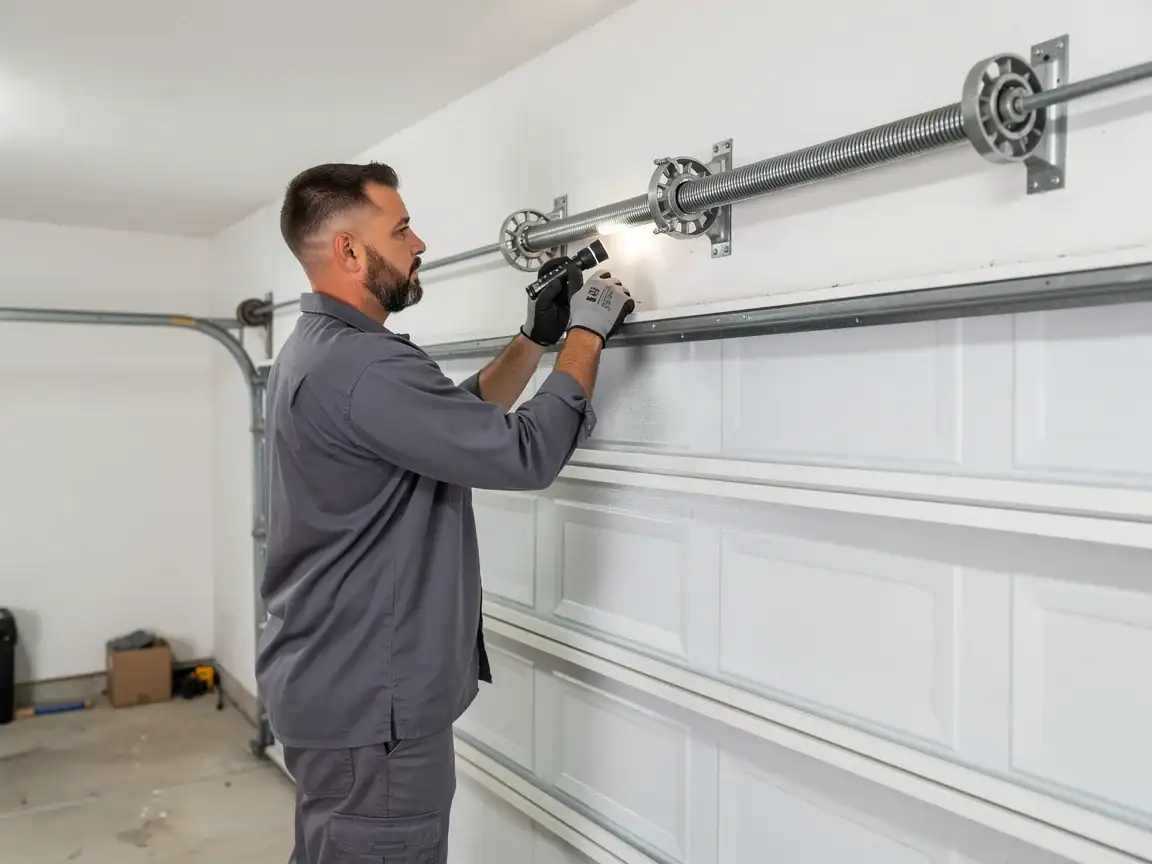
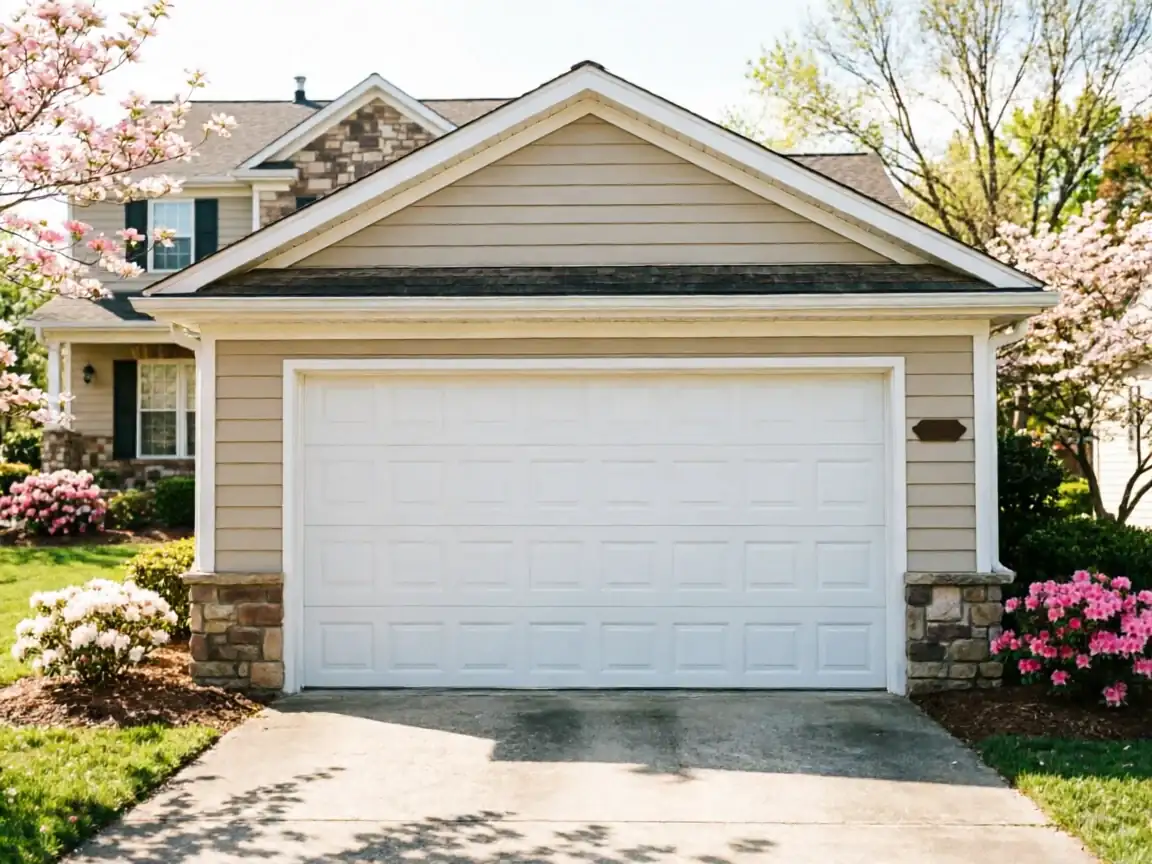
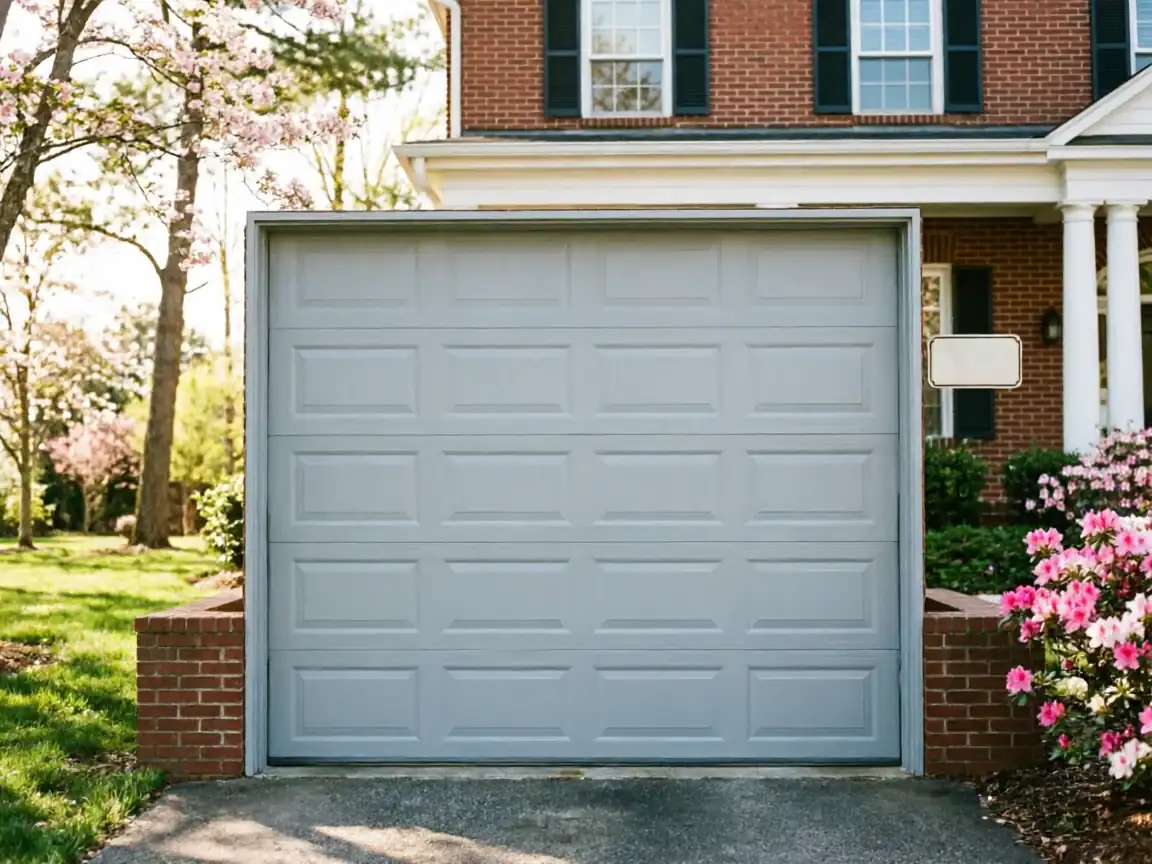
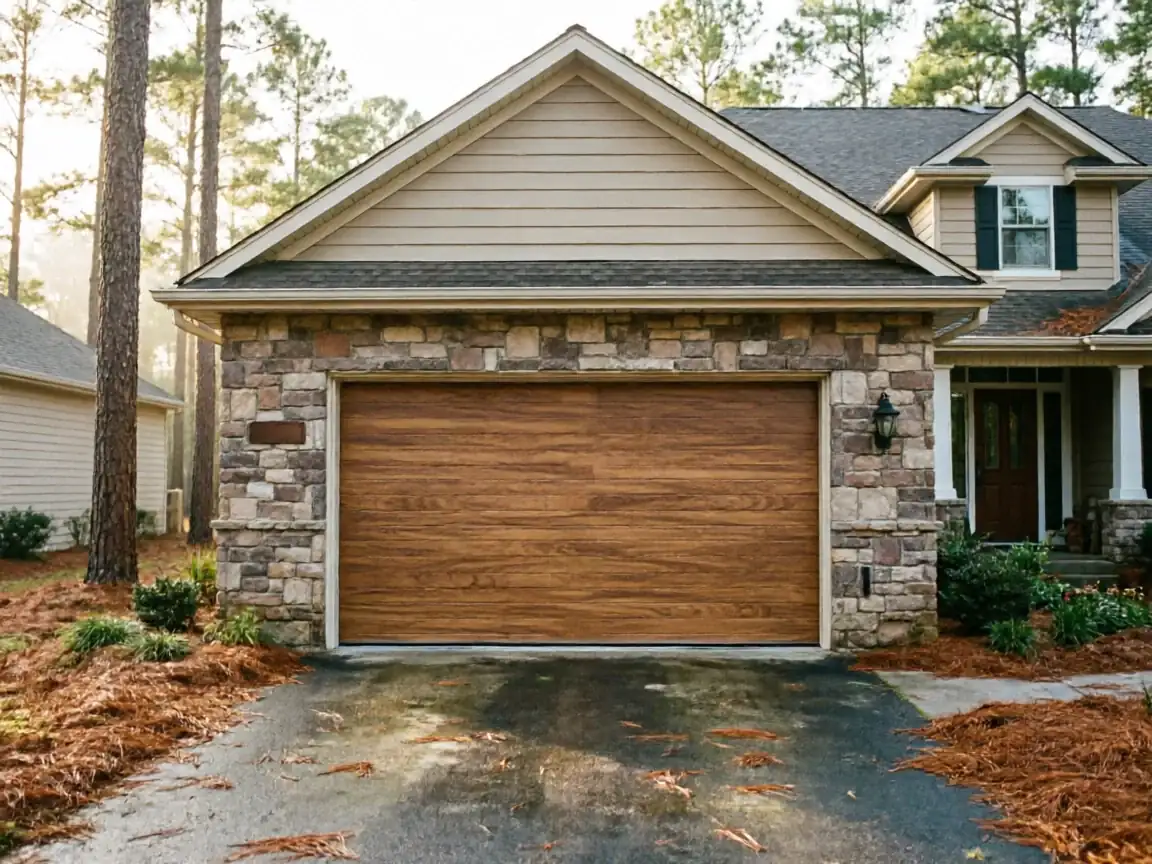
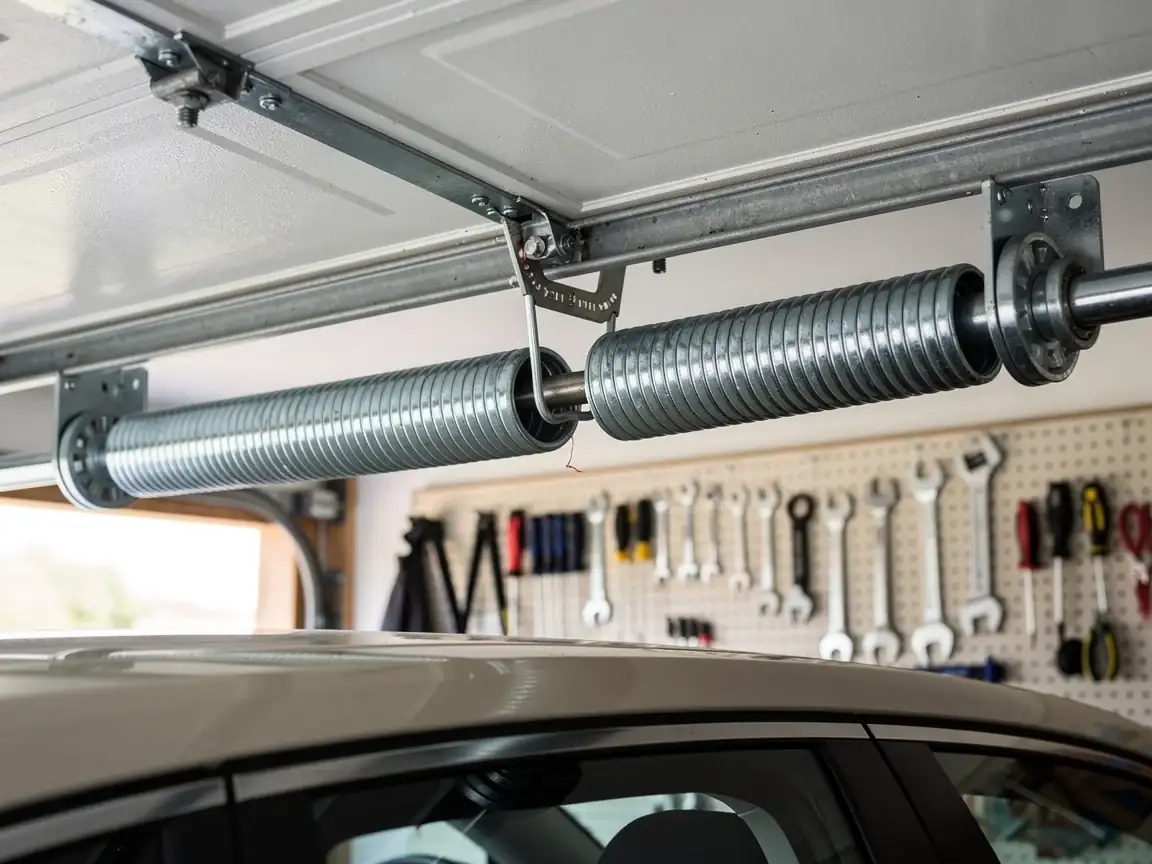
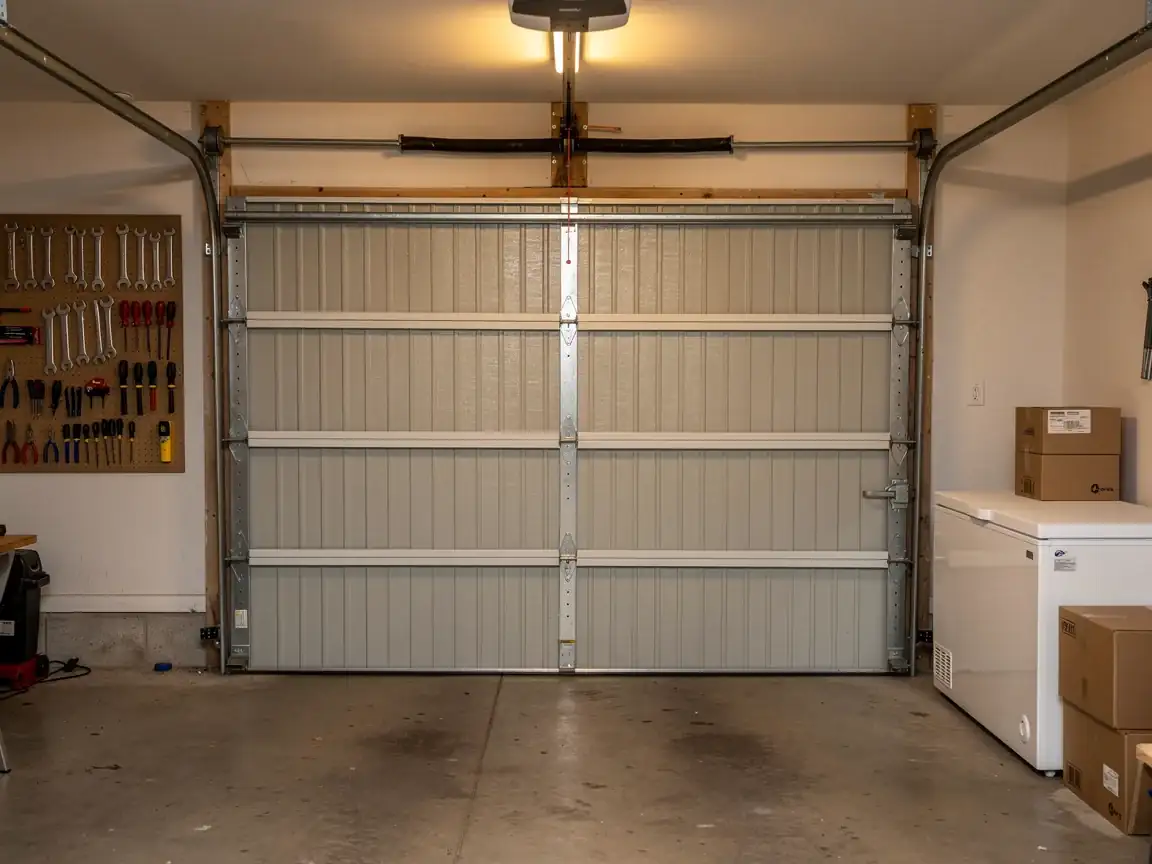
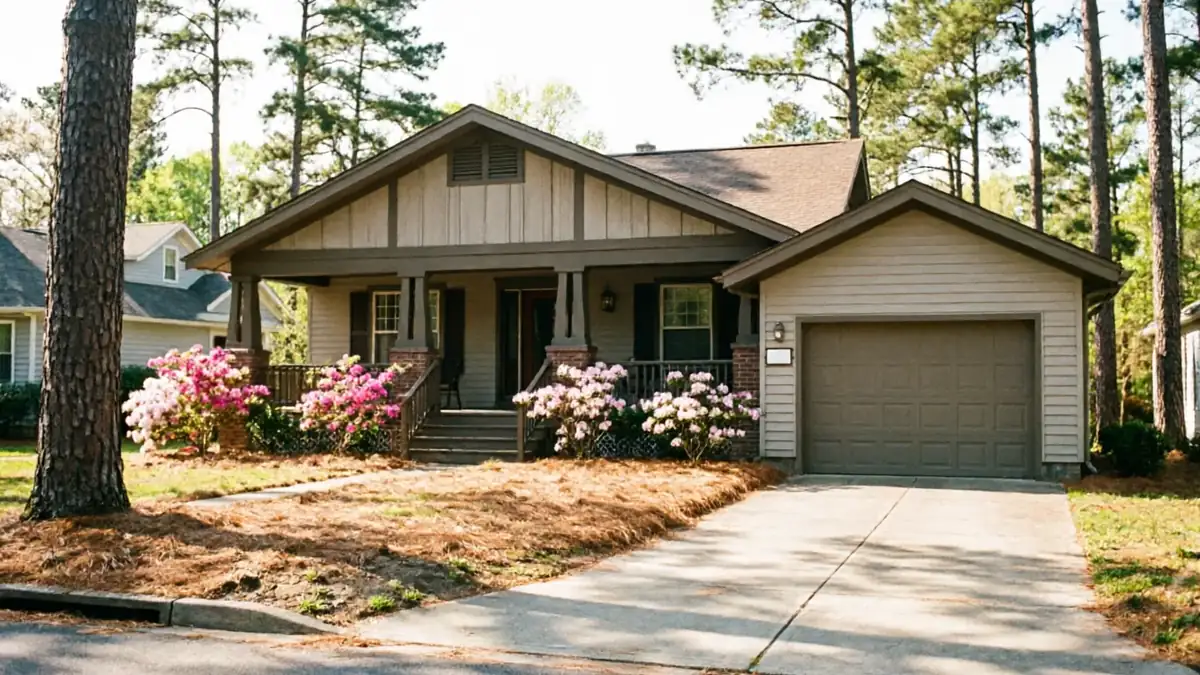
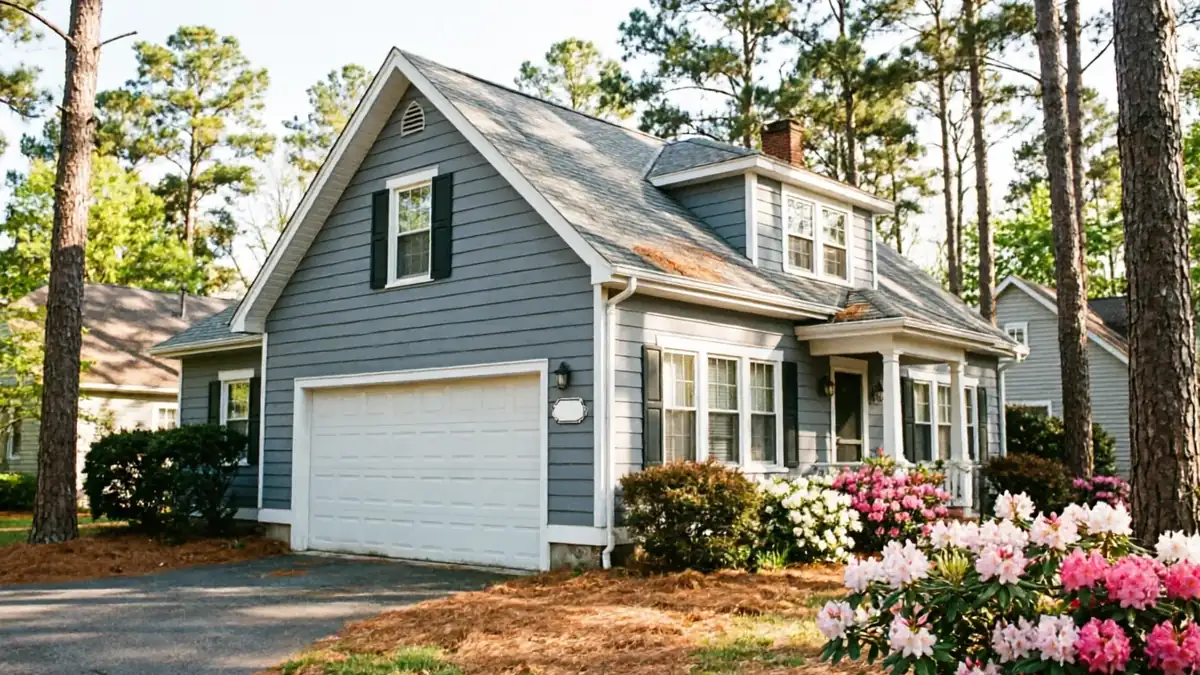
A touch newer than the 1993 median that covers the wider service area pulled from F1. That five-year gap matters more than it sounds. Doors installed in the late 1990s are usually steel sectional panels on extension spring systems or early torsion setups, not the older one-piece slab doors you still find on homes from the early 1980s elsewhere in the territory. The springs, cables, and drums from that era are a known quantity - parts are still stocked, hinges are standard four-hole, and openers from that window are chain-drive units that have usually already been swapped once by now.
What we see less of here than in older pockets of the service area
Rust-frozen torsion tubes, obsolete spring winding cones, and the flat steel track profiles that stopped being made decades back. What we see more of: worn nylon rollers reaching the end of a normal service life, opener logic boards from the first wave of DC motor units, and weatherstripping that's finally cracking after two decades of use. None of this is dramatic. It's ordinary wear on ordinary 1990s hardware, and it's usually a straightforward fix rather than a full tear-out.
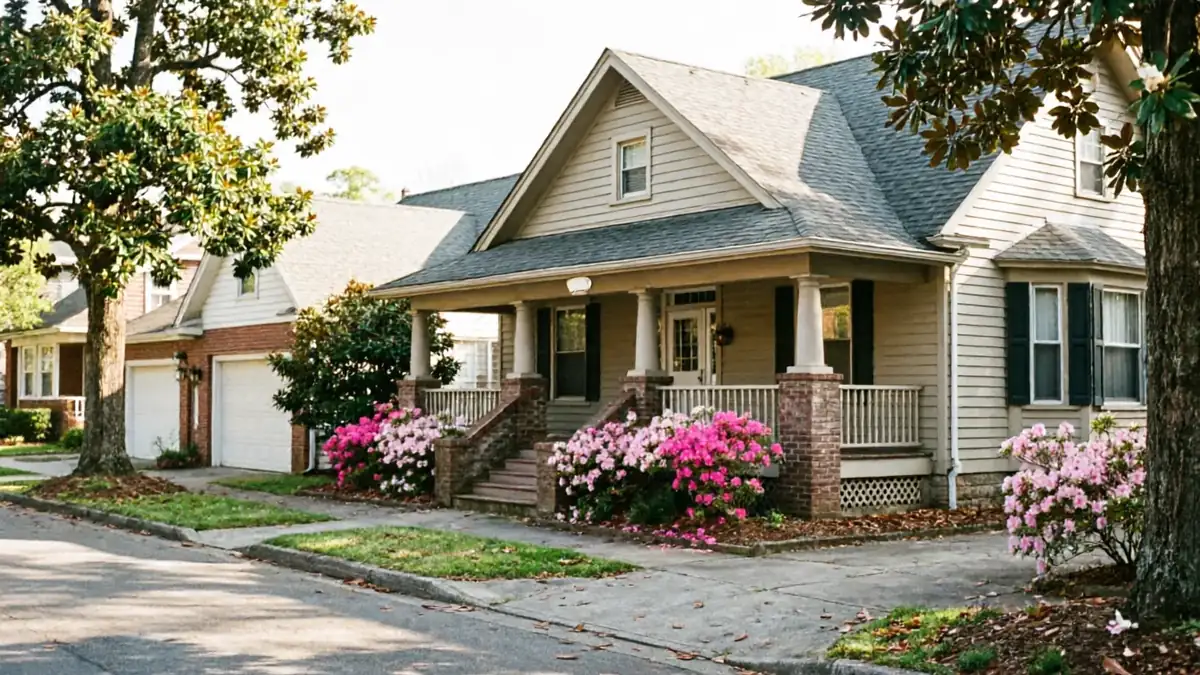
The Houses Here
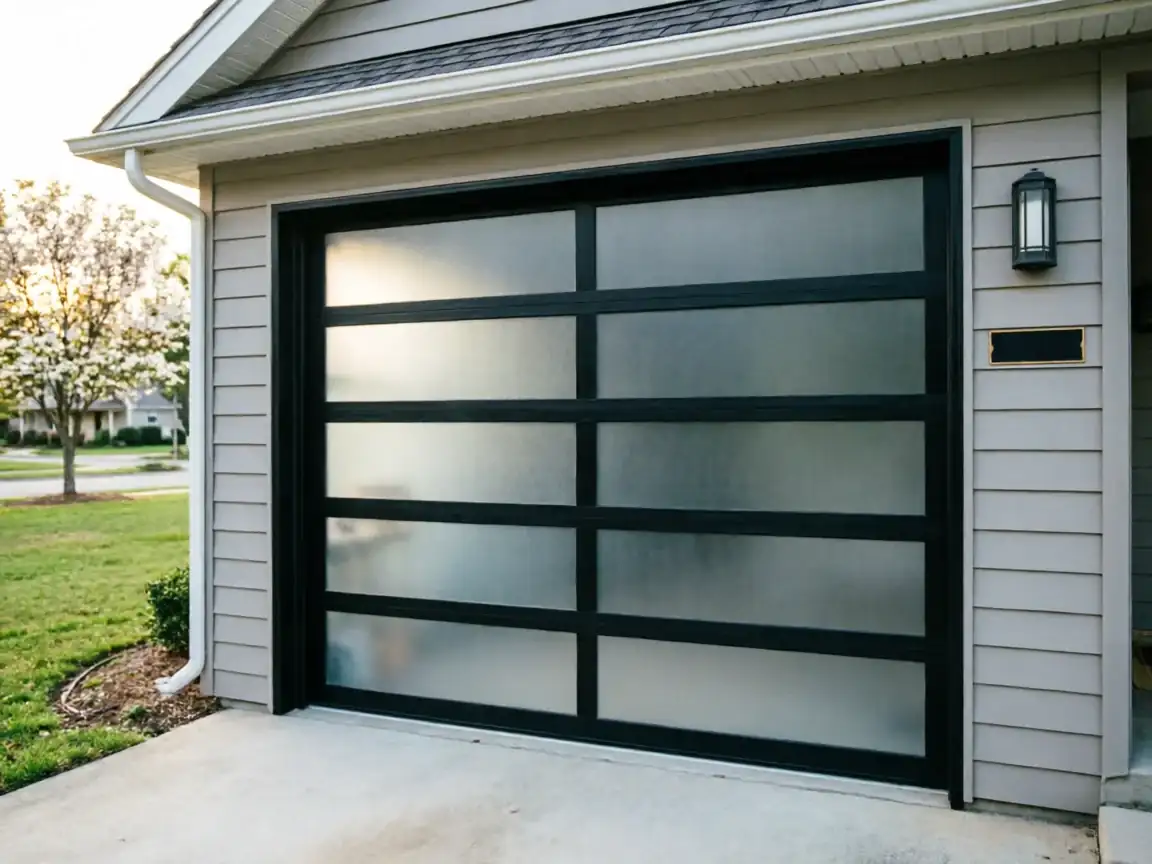
Weddington has about 4,282 households, a fraction of the roughly 20,236 across the whole area this company covers from Waxhaw. Median household income here runs near $196,159, more than double the $89,417 figure for the service area as a whole. That income gap shows up in the doors themselves - more insulated steel and composite panels, fewer bare single-layer sections, and more owners who replace an opener before it fails outright rather than after.
The broader territory spans nine named pockets built mostly across the 1980s and 90s, and Weddington sits toward the newer, higher-income end of that range. It doesn't change the physics of a torsion spring or the way a cable frays at the drum, but it does change what gets fixed versus replaced. A homeowner here is more likely to ask about a full door swap with better insulation than to ask for the cheapest patch that gets the door moving again. Neither approach is wrong. It's just a different starting point than you'd get in an older section of the coverage area.
Timing on This Area
Weddington sits about 6 miles from Waxhaw, which is where the truck and the stock of springs, cables, and rollers actually live. There's no depot or storage here - every job starts with loading the right parts in Waxhaw and driving out, same as for any other town in the coverage area. That means the honest limitation is this: if a repair needs a part that isn't already on the truck, it's a second trip, not a same-visit fix, and it's worth asking up front whether the part is a common one or a special order.
Six miles isn't far, but it's not nothing either. It's closer than the drive to Hemby Bridge or Pineville, both around 14 miles out, and a bit farther than the 3-mile run to Mineral Springs. None of that changes what a broken spring costs to fix. It just means the drive is a small, predictable part of any job here, not a variable that swings wildly from one call to the next.
Old Streets and New Ones
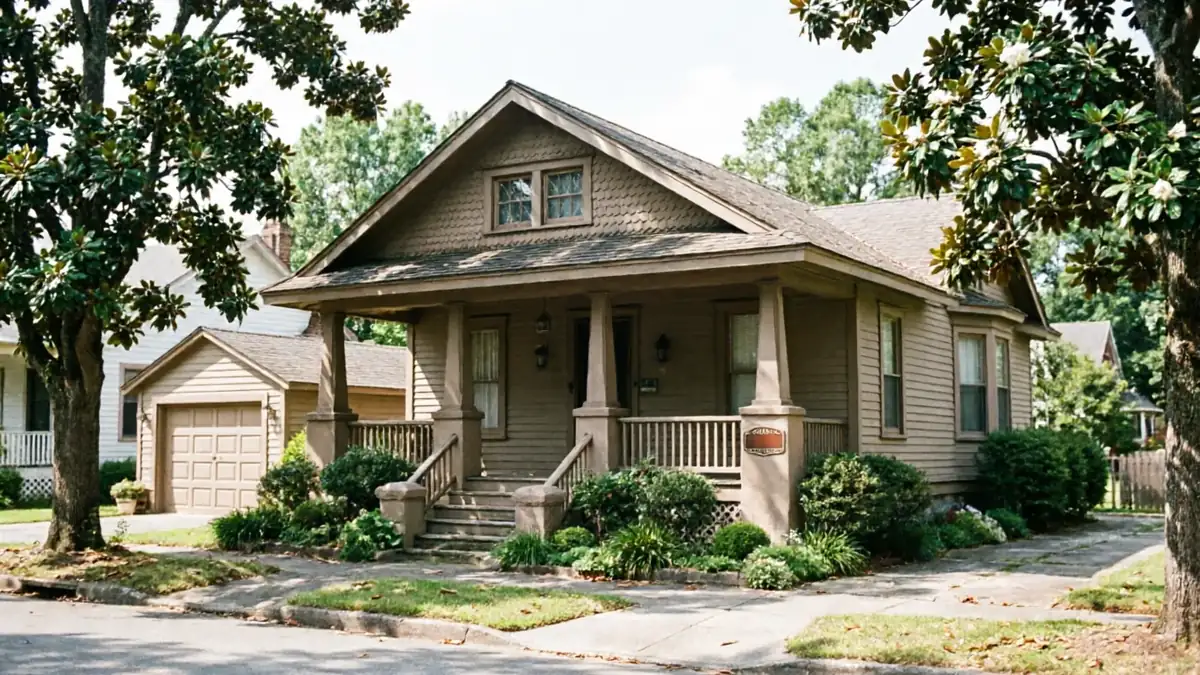
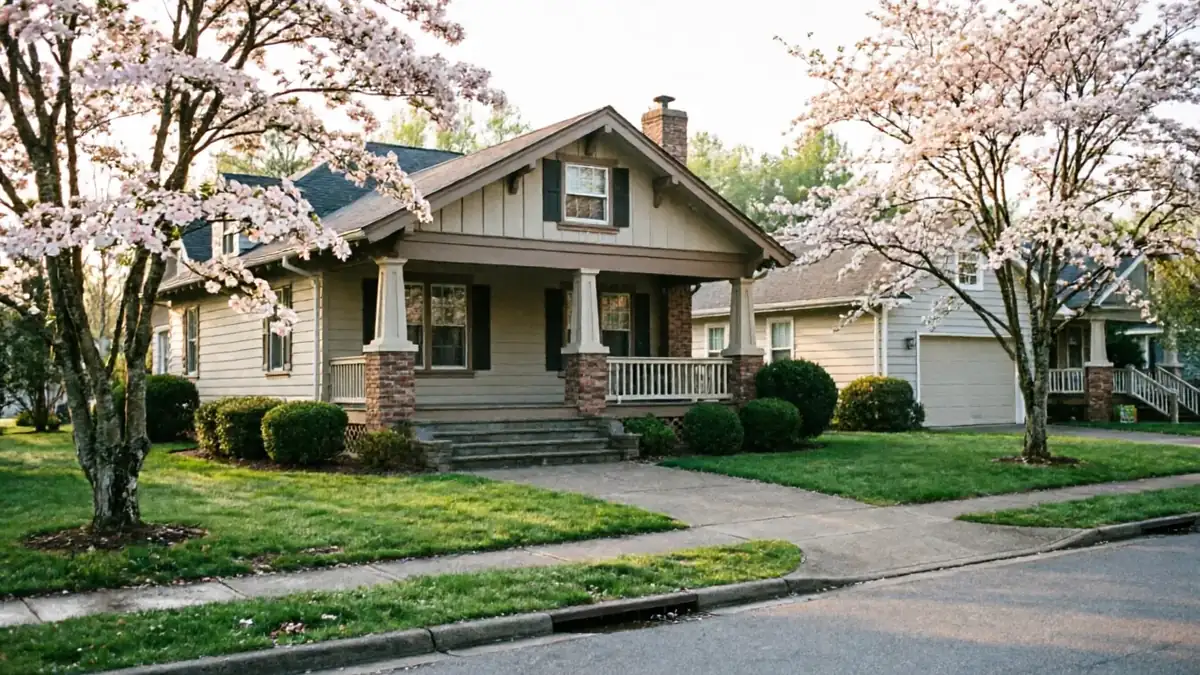
Weddington doesn't read as one era of construction
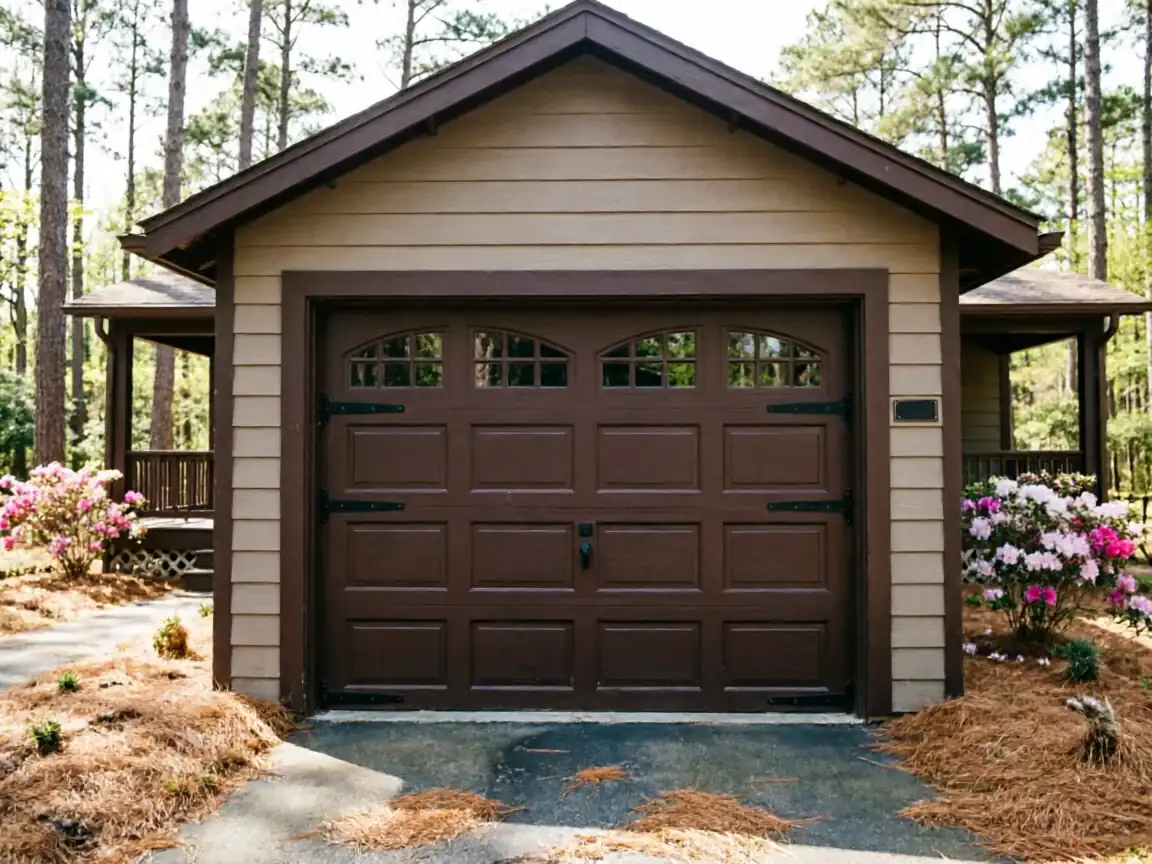
Pockets built nearer the 1998 median sit alongside older infill, and that mix means two neighbors on the same road can have genuinely different repair problems - one running a galvanized torsion spring on a modern opener, the other still working with hardware a decade older. Compared to Mineral Springs at 3 miles or Wesley Chapel at 5, Weddington's housing leans a bit newer, while places like Unionville at 16 miles or Wingate at 17 tend to carry older stock on average.
That spread is exactly why guessing at a fix over the phone doesn't work well here
A spring size that's correct for a 1998 door can be wrong for a 1985 door twenty feet away, and an opener bracket that bolts straight onto newer track sometimes needs an adapter on older systems. It's not a Weddington-specific problem so much as a function of being part of a service area that was built out over three decades rather than one. Knowing which era a given house falls into is most of the job before a wrench ever comes out.