How It Shows Up
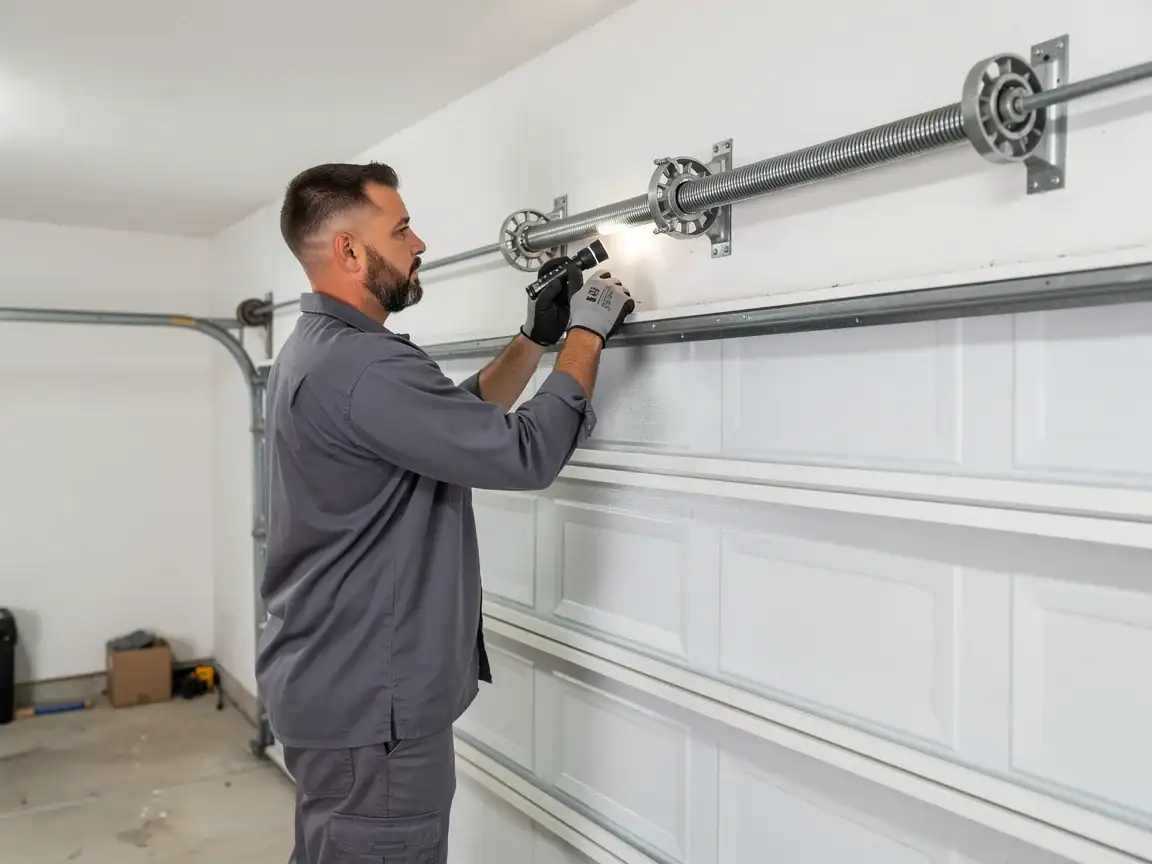
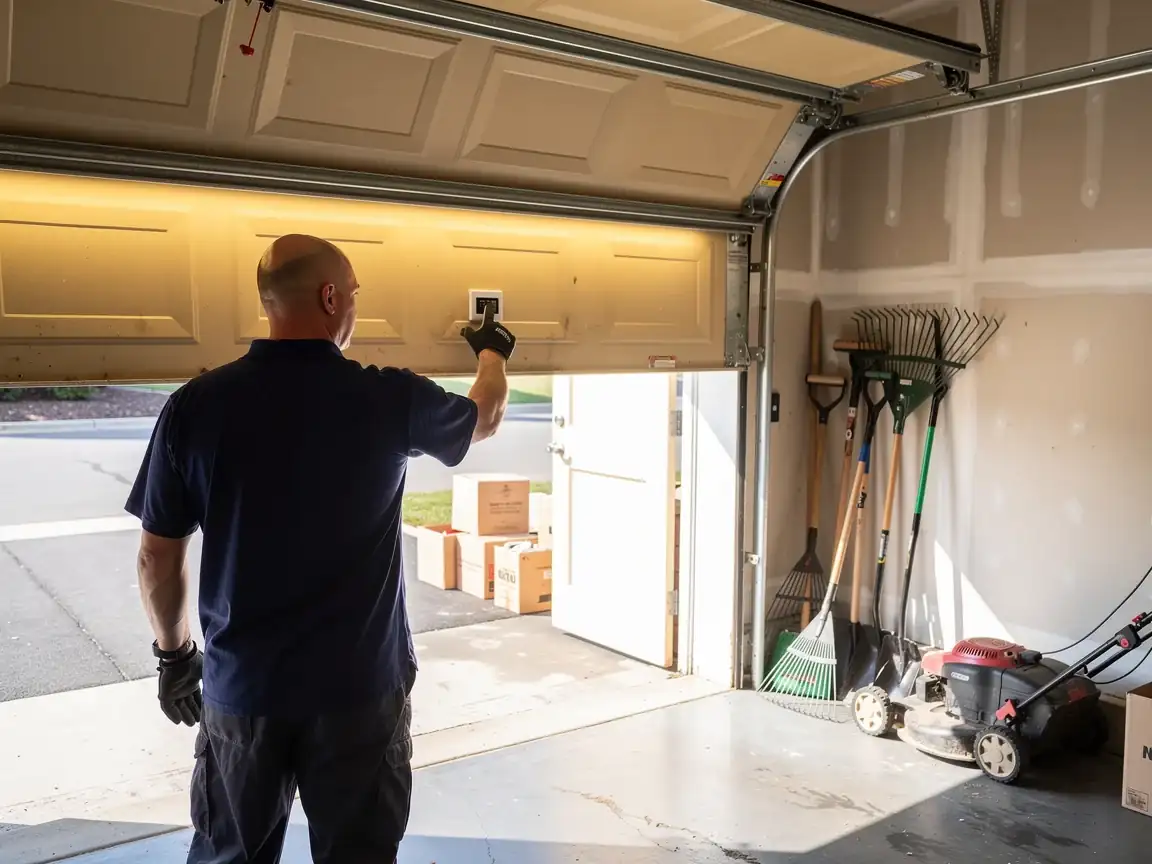
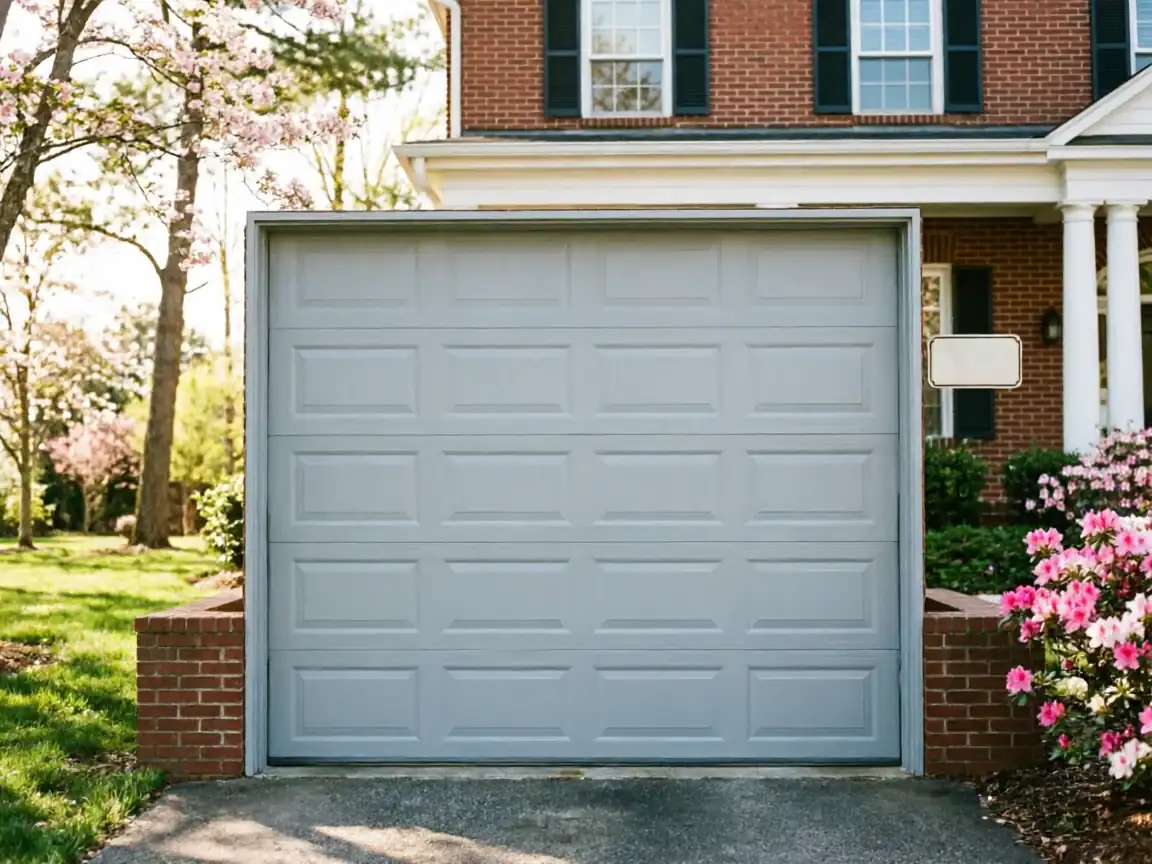
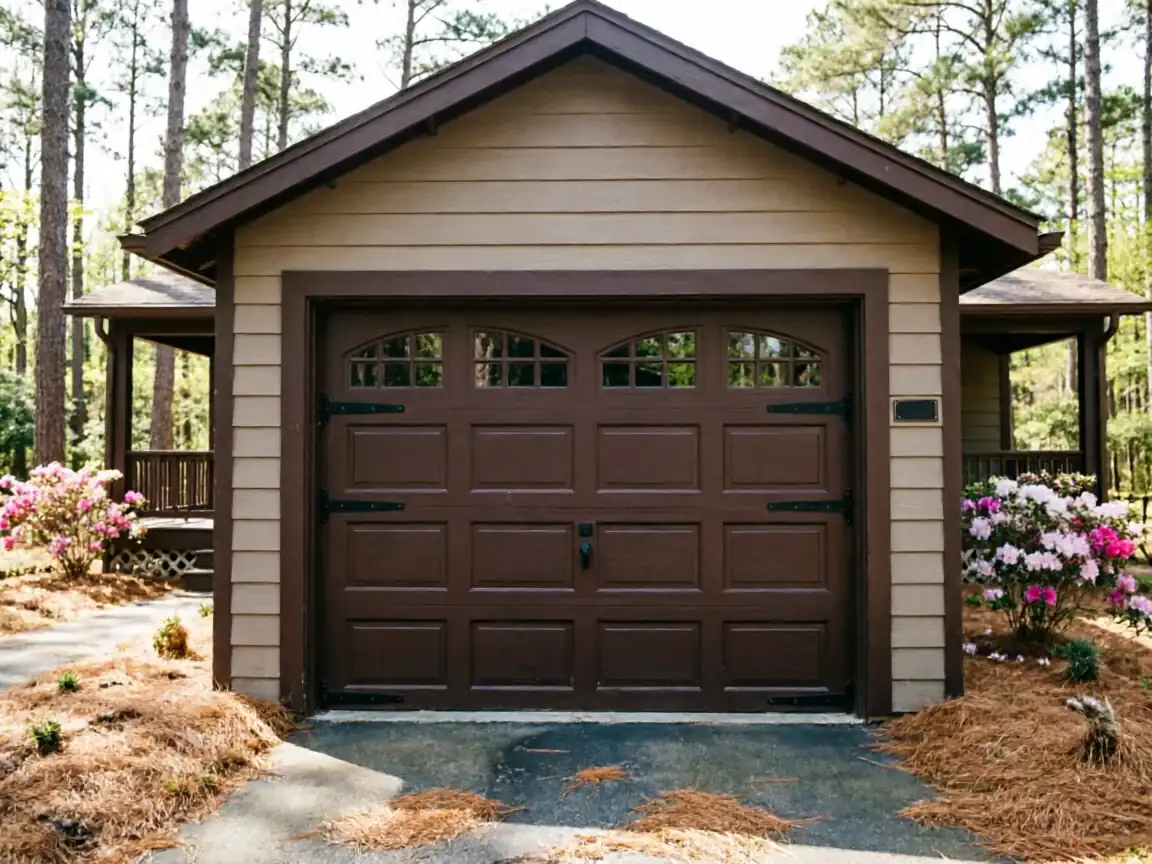
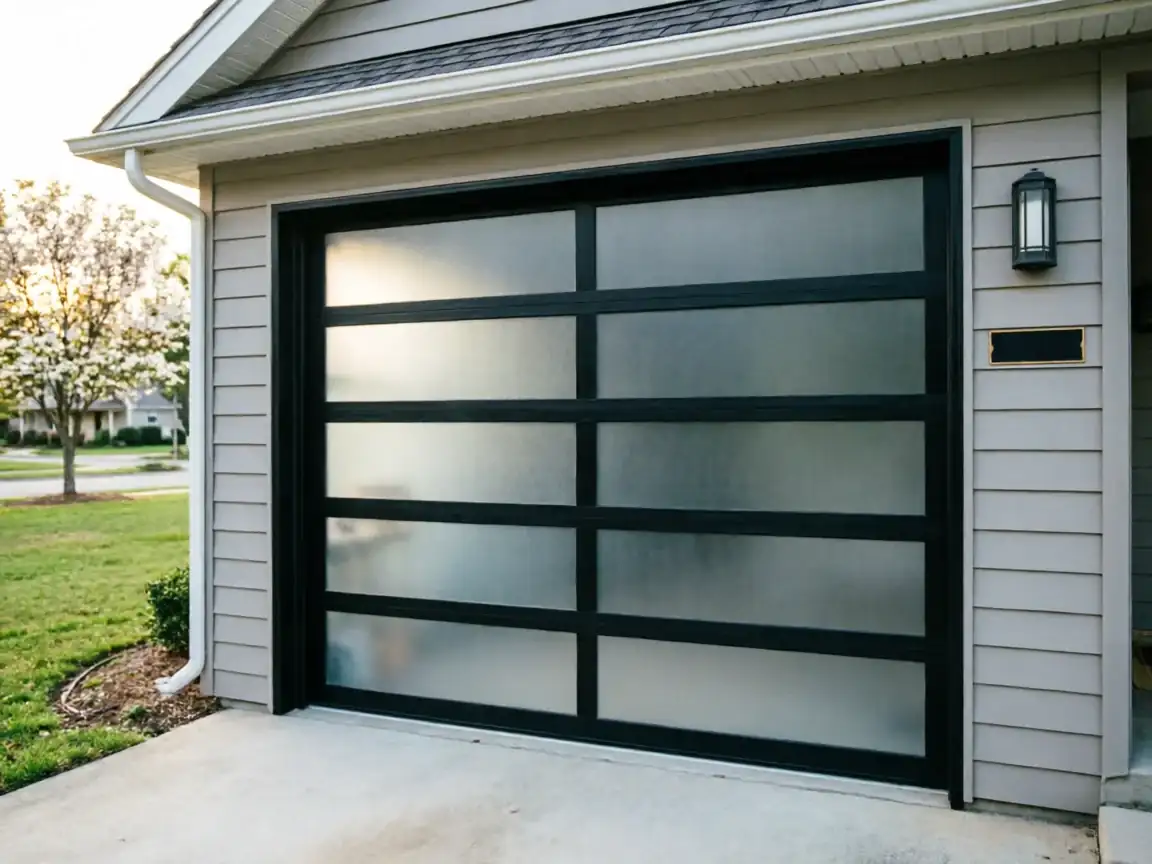
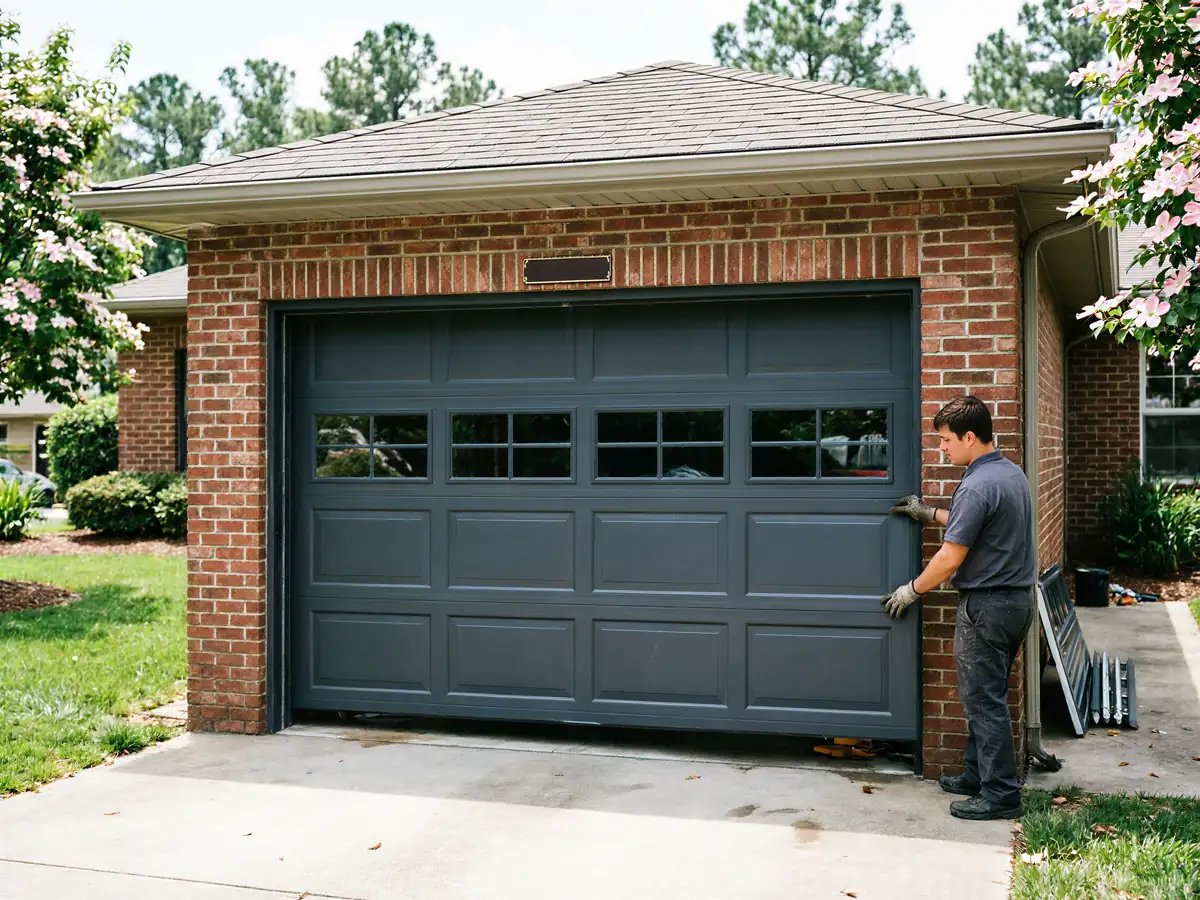
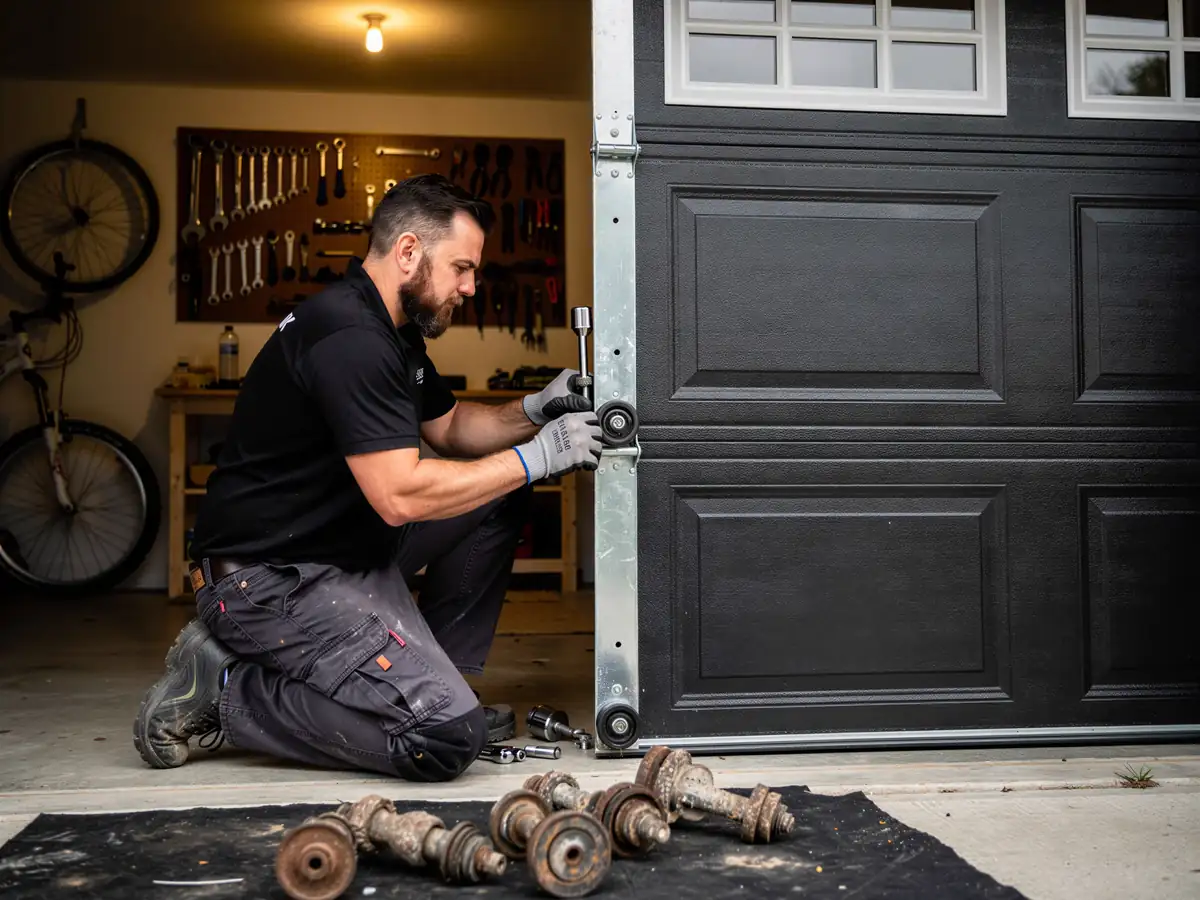
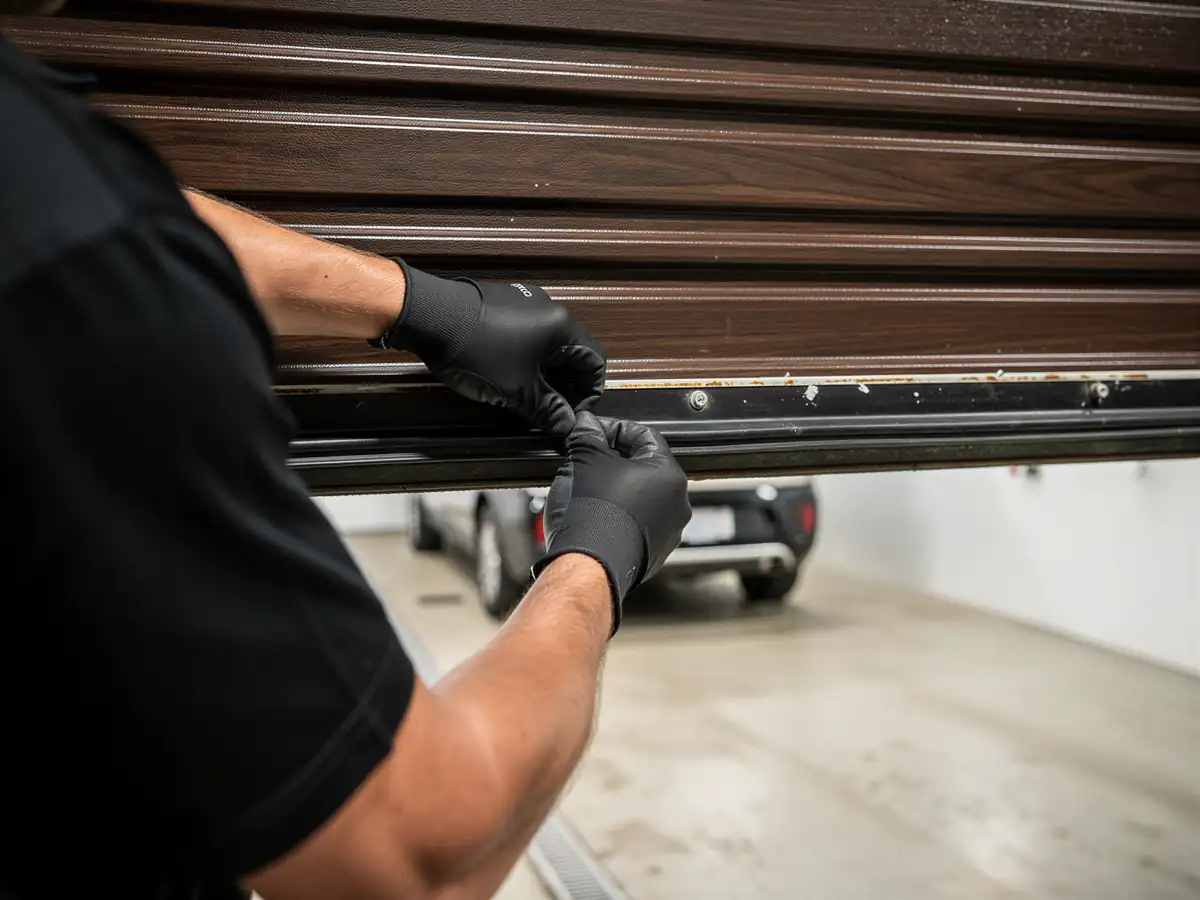
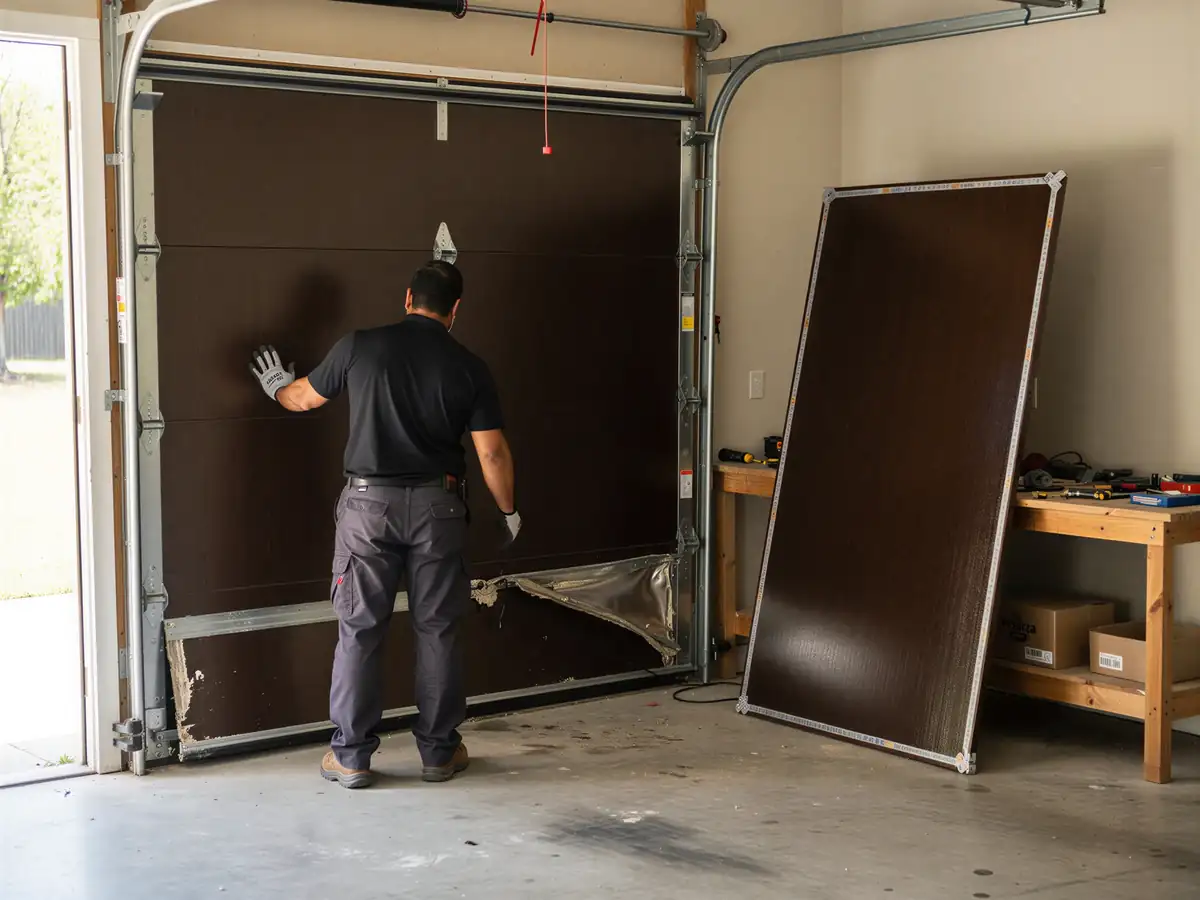
The first sign is usually a dented or caved-in bottom panel, the one that takes the hit from a bumper, a trash can, or a mower. On a 1998-built door, the bottom panel also carries the weatherstrip retainer, so a dent there often shows up as a draft or a gap at the floor before it shows up as something visibly bent. Higher panels crack along the embossed ridge lines when struck, or bow outward near the center where a roller has pulled loose from its track. On double doors, which are common on these lots, a bowed center panel can bind the whole door in the opening, making the opener strain or reverse mid-cycle. Rust at the panel seams is less common here than on older stock, since insulated steel from this era holds paint better, but it still turns up where water sits against the bottom edge for years without anyone wiping it down.
What Causes It Around Here
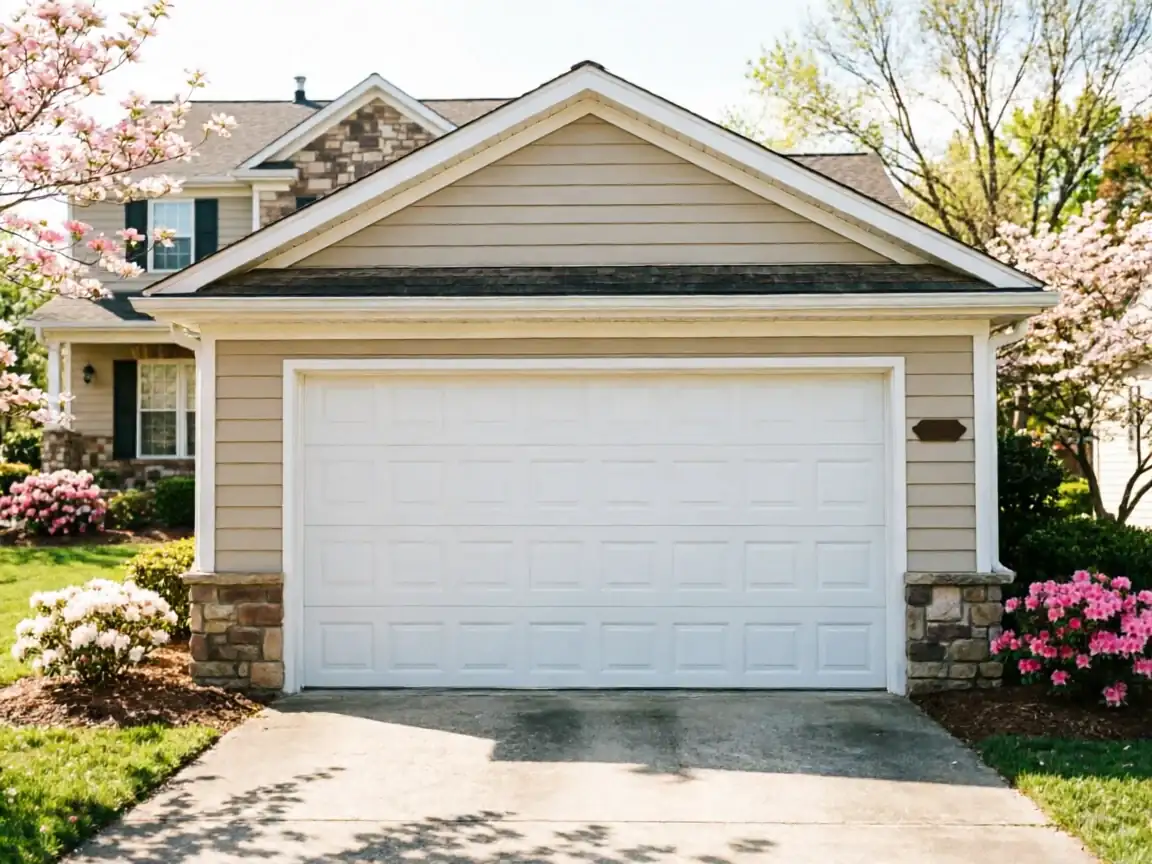
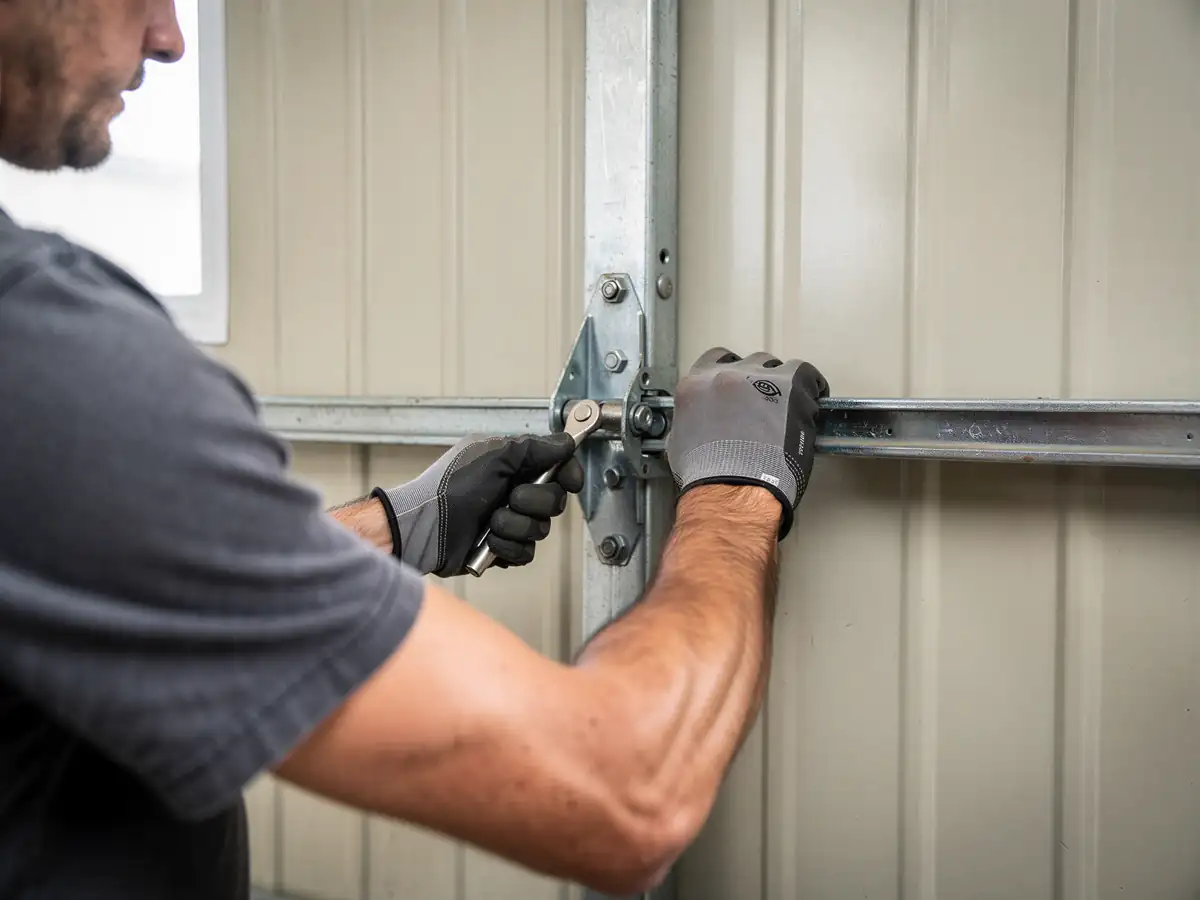
Weddington's median household income runs well above the broader nine-area service territory, and that shows up in the doors themselves: double-wide garages, insulated steel, and heavier panel faces than the builder-grade single doors common in older, lower-income pockets of the territory. Heavier panels put more load on hinges and rollers over time, and a stiff hinge eventually transfers that stress into a crack rather than absorbing it. The region sits in a cold-moderate climate band, and the freeze-thaw swing through the winter months works at the paint seal around panel seams and fastener holes, which is where rust starts even on newer steel. With roughly 4,282 households in Weddington built mostly after the mid-1990s, the stock here is a tighter, more uniform run than the 1974-to-2005 spread across the full service area, so panel damage tends to be impact-driven rather than age-driven failure.
What It Costs
We don't have a set price to quote here, and giving one without seeing the door would be a guess dressed up as a fact. What actually drives the number on a Weddington job is panel count, door size, and whether the manufacturer still stocks a matching profile for a door built around 1998. A single panel on a 9-by-7 single door costs less to replace than a center panel on a 16-by-7 double, simply because there's more steel and more insulation in the double-wide section. If the finish or profile can't be matched at all, replacing the full door sometimes ends up a better value than installing two or three panels in a visibly different pattern, and that's worth weighing before committing to a panel-only repair.