How It Shows Up
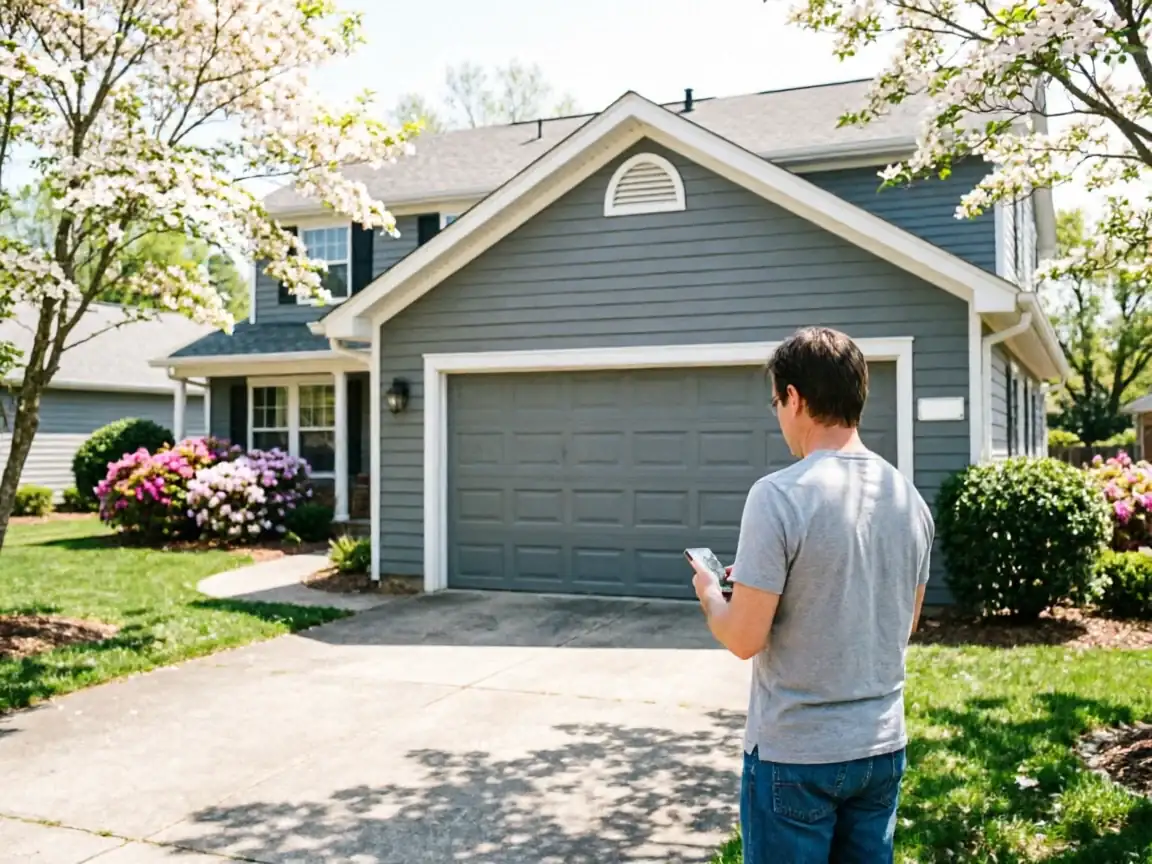
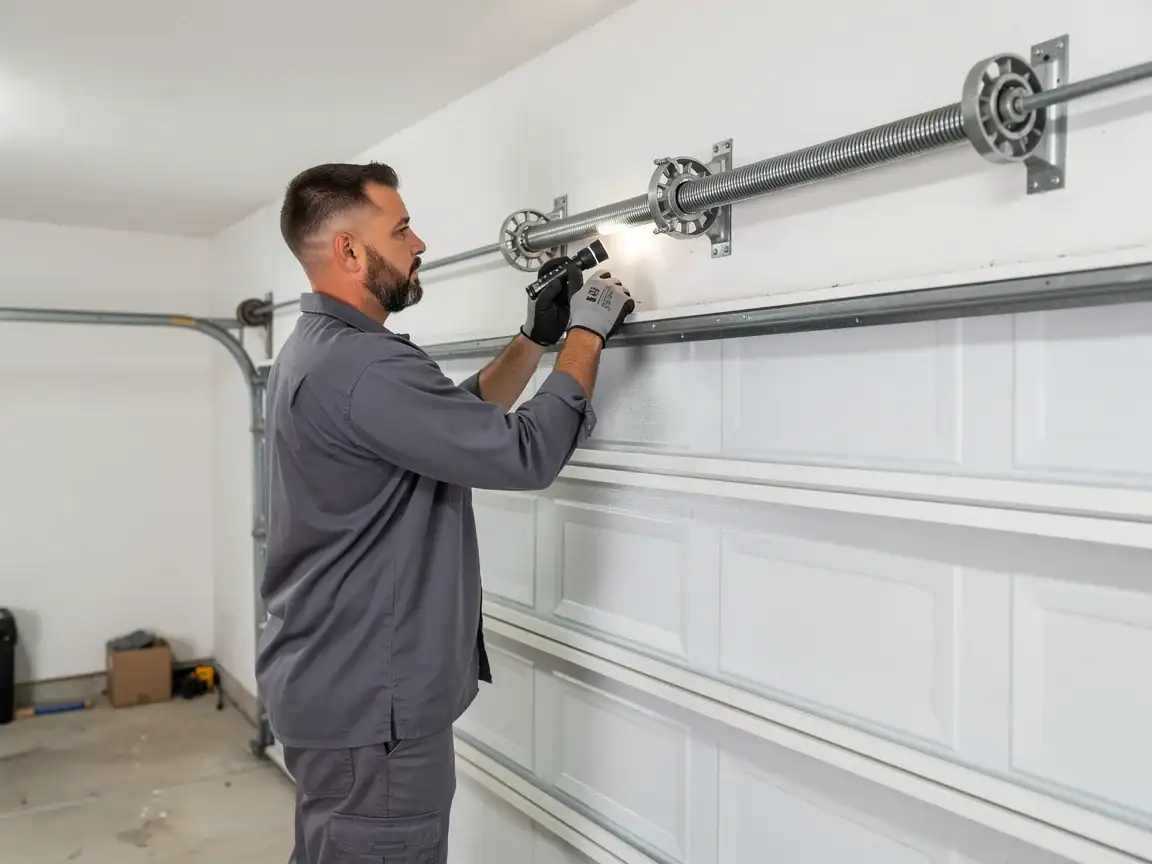
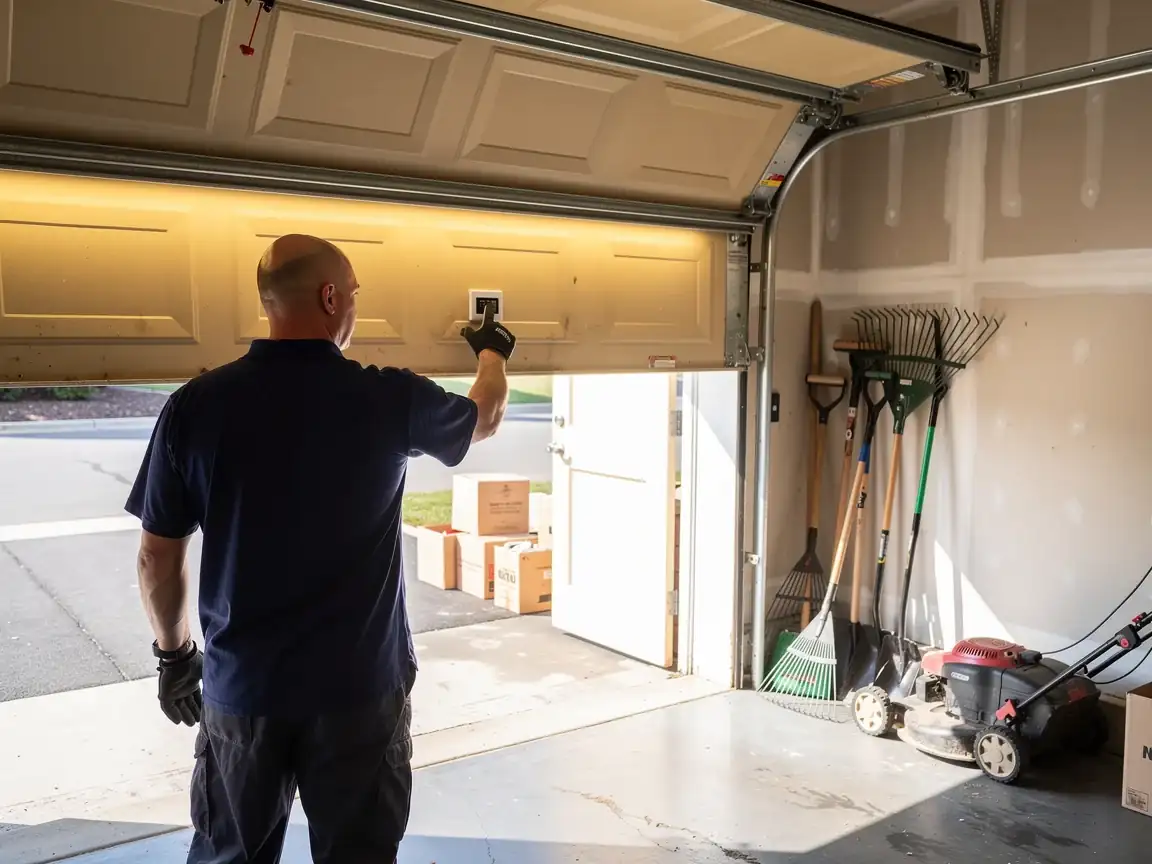
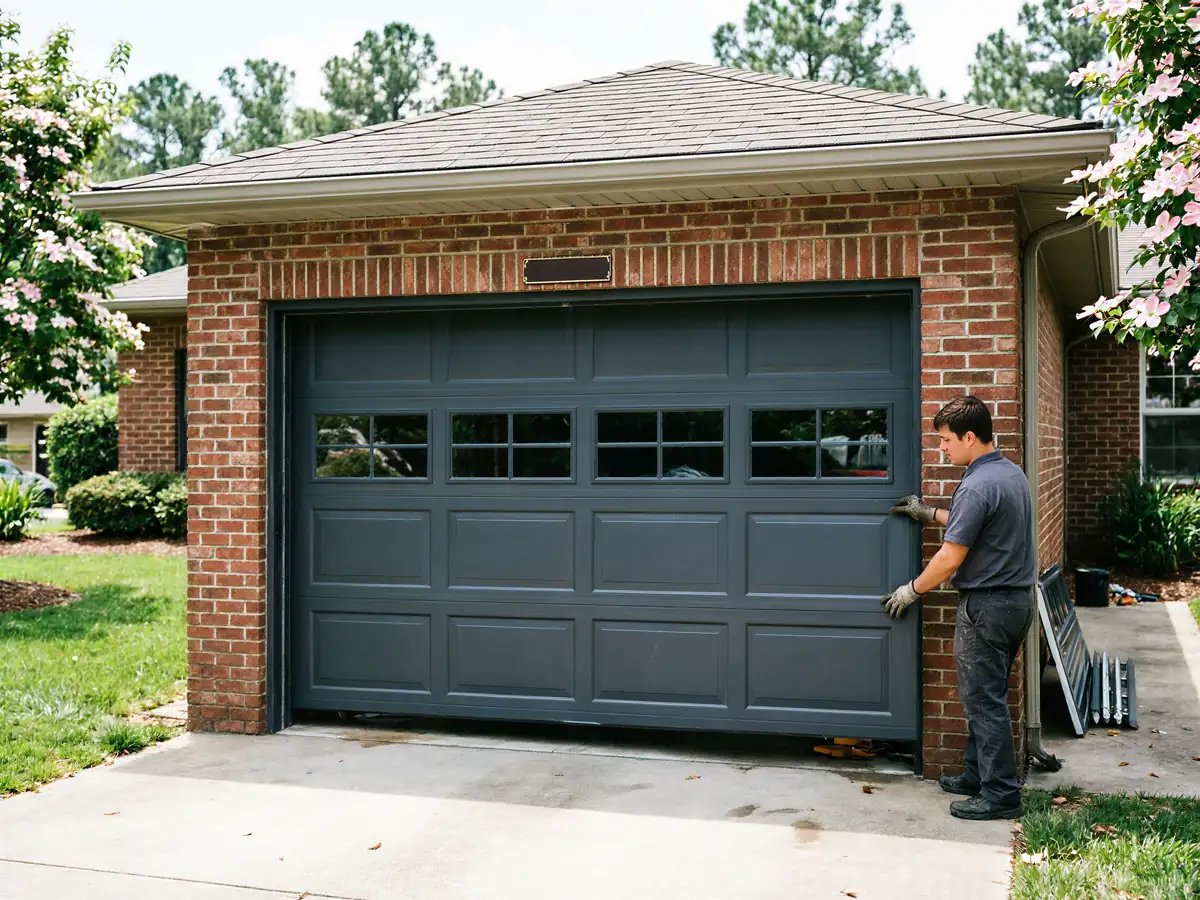
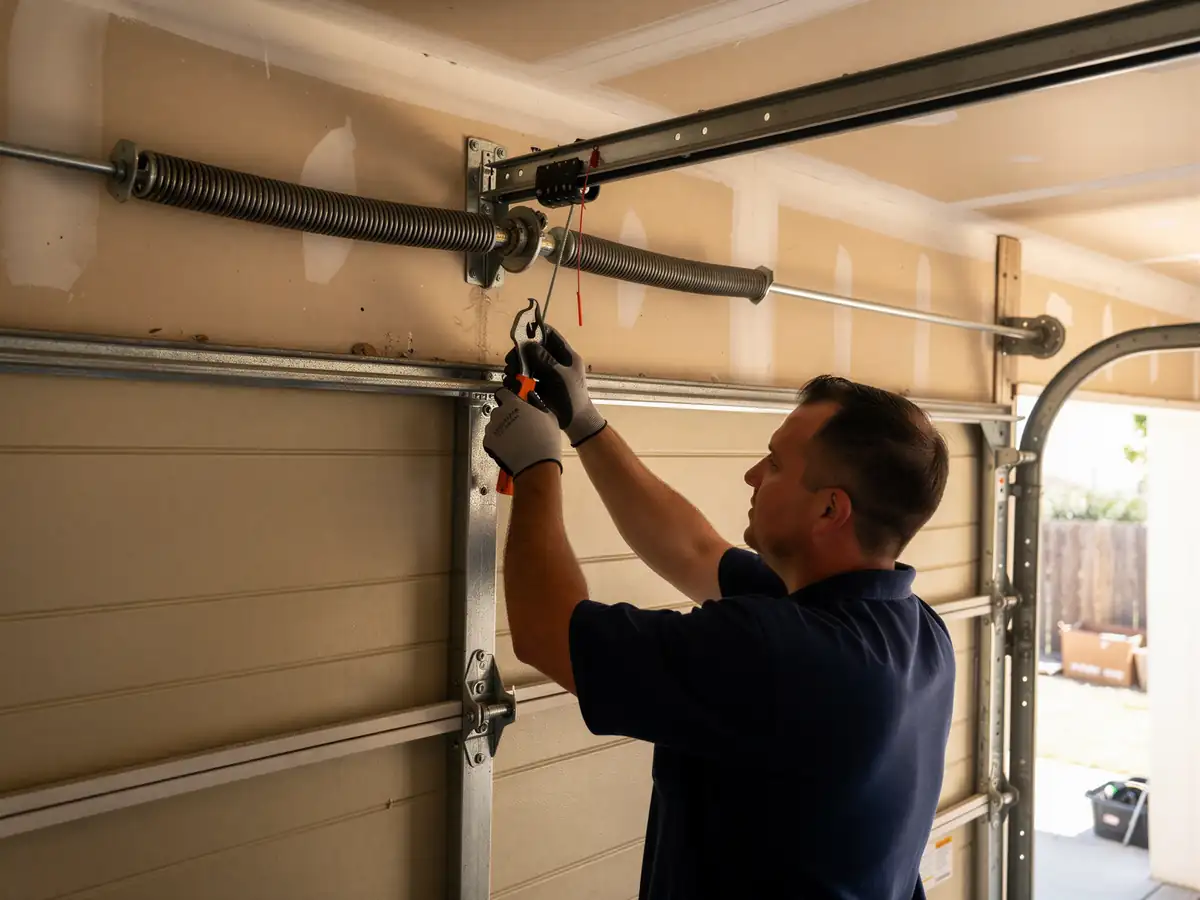
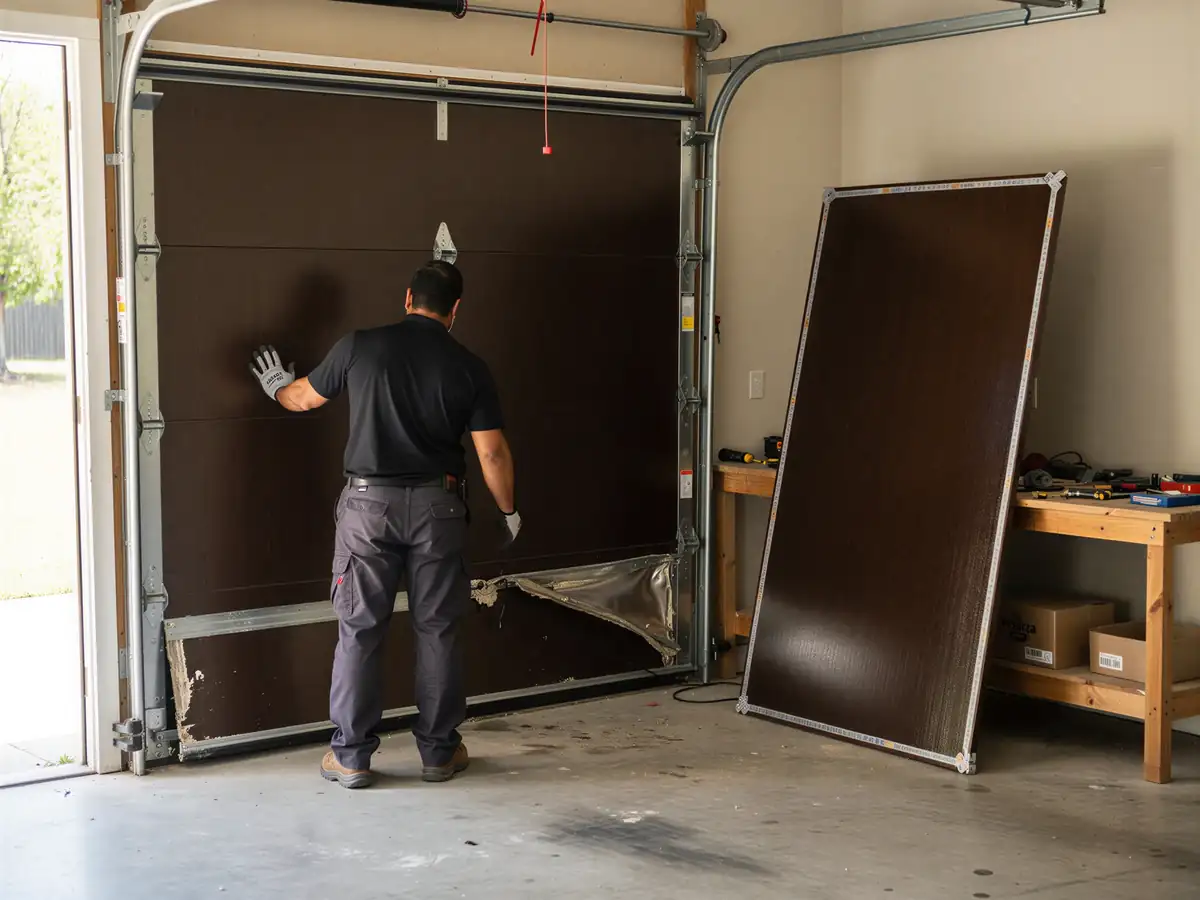
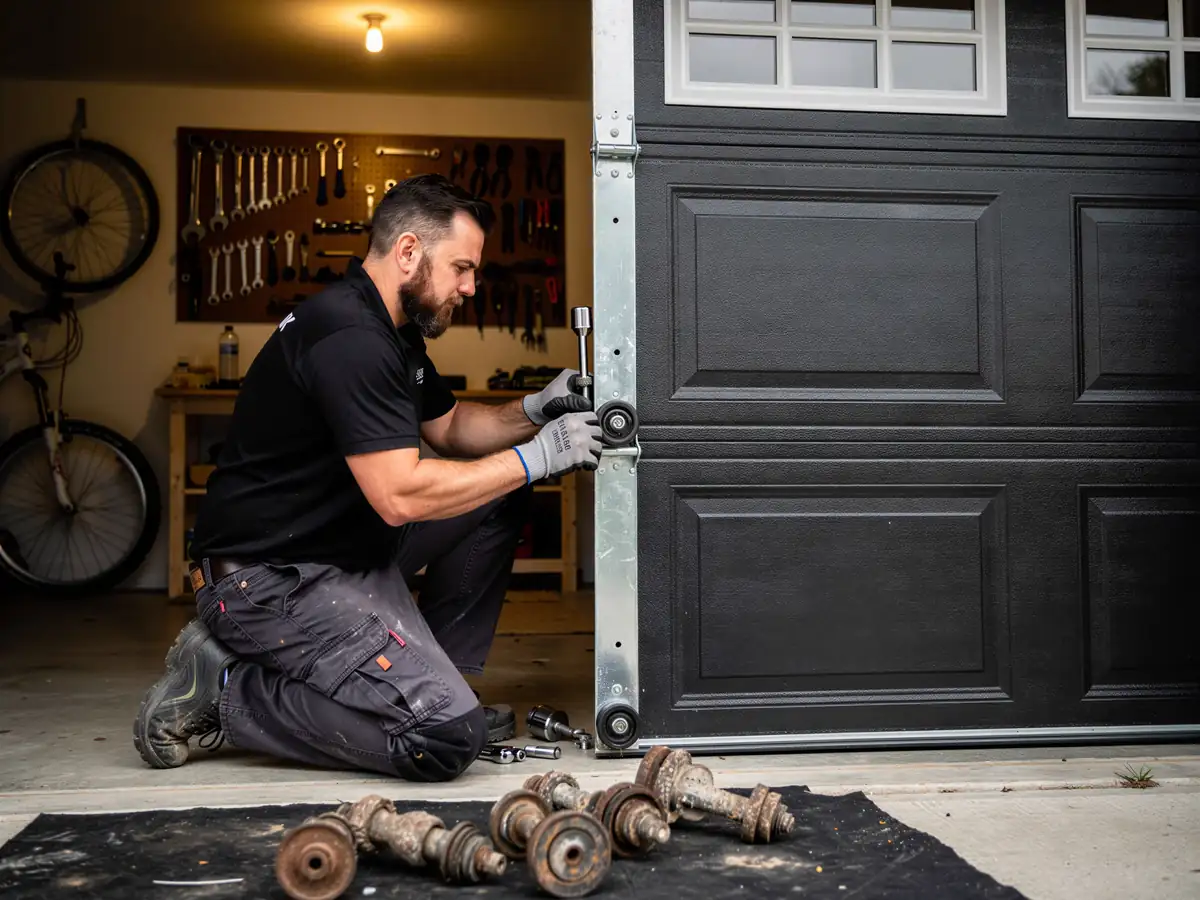
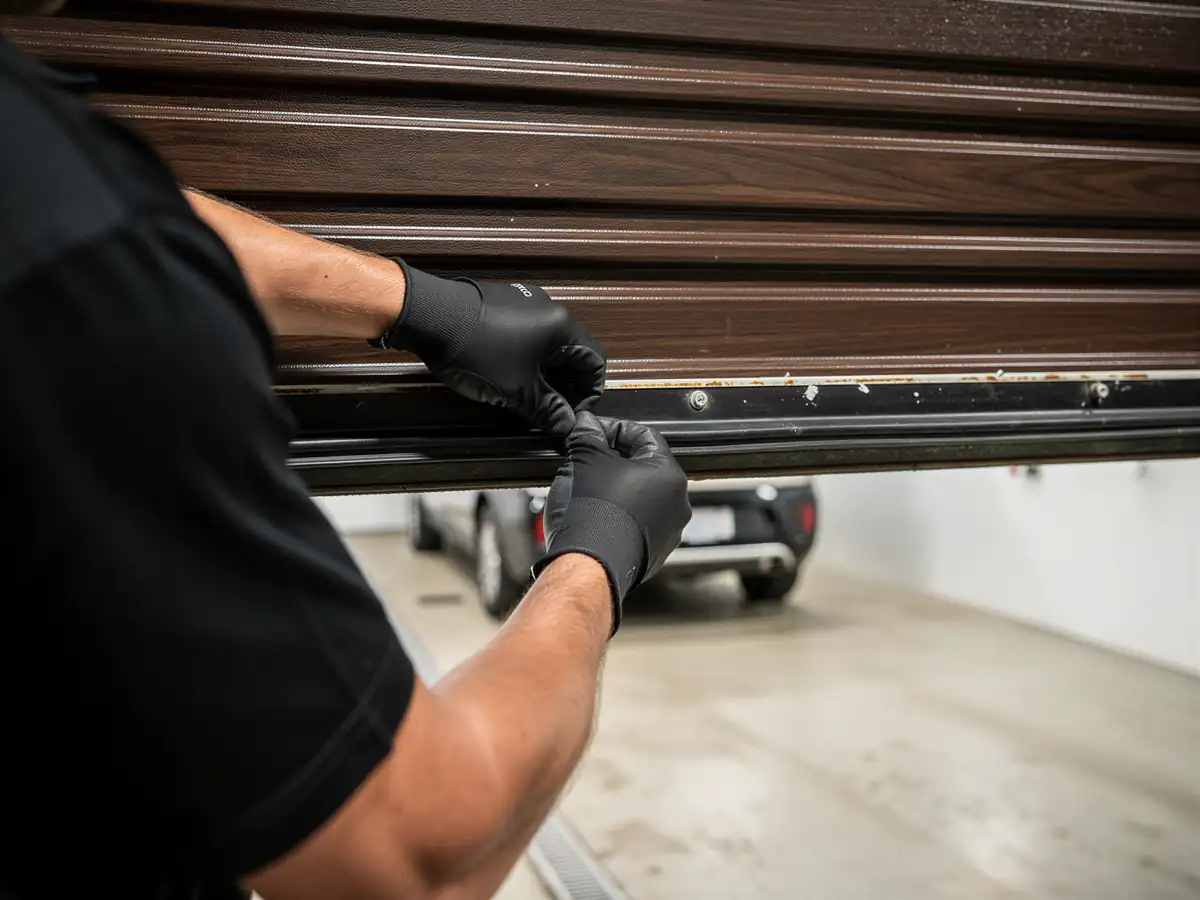
A door that worked fine yesterday and won't lift this morning, usually a torsion spring that let go overnight. An opener that runs but the door barely moves, which is almost always the spring taking the load it shouldn't be taking anymore. A door that reverses halfway down for no clear reason, which is often a photo-eye sensor knocked out of alignment or dirty. Cold mornings make all of this worse - this area sits in a cold-moderate climate band, and steel springs lose some give in a hard overnight chill, which is exactly when an aging spring tends to finally snap instead of just creaking.
What Causes It Around Here
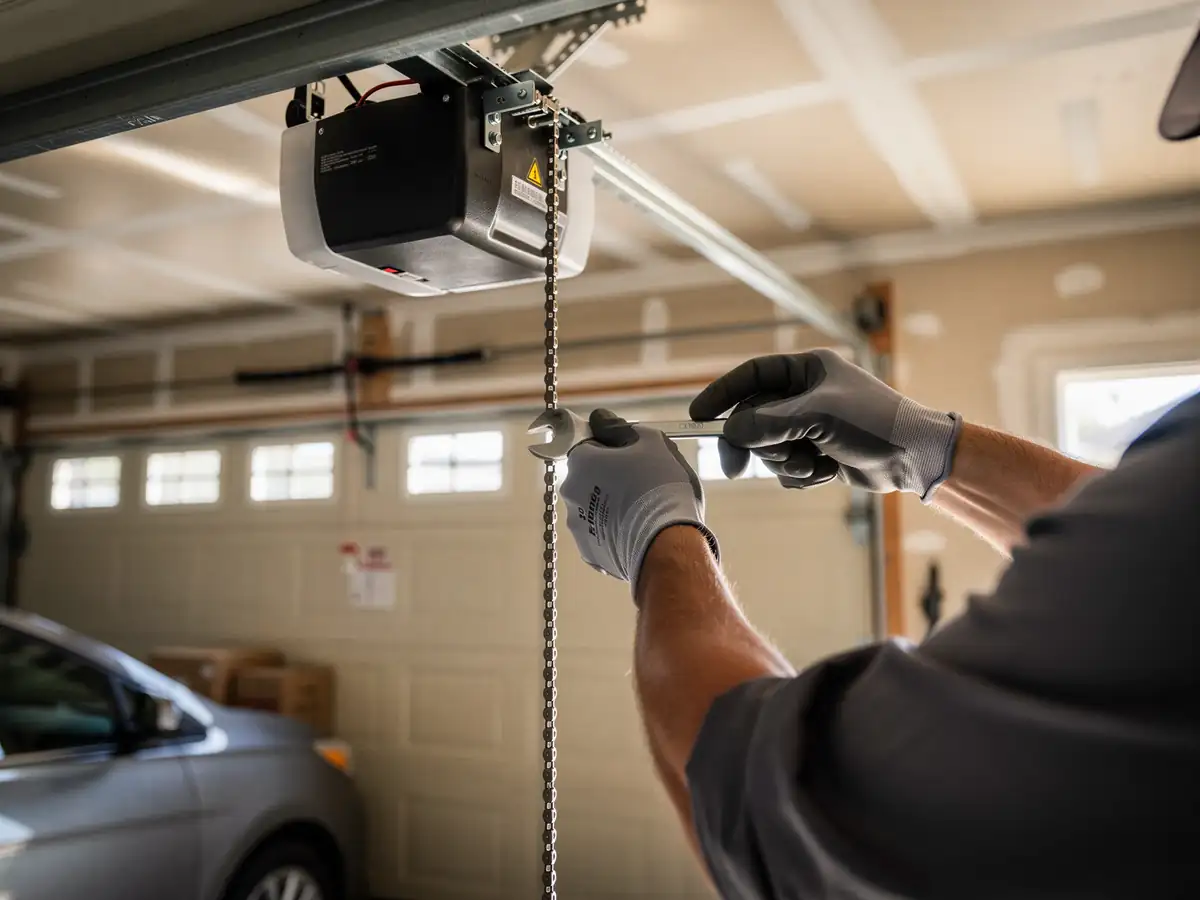
The houses built around the 1998 median are hitting the age where original hardware starts failing on its own schedule, not from neglect. A torsion spring is rated for a set number of open-close cycles, and a door that's been in daily use since the late 90s is well into that range by now. Openers from that era are also reaching the point where circuit boards and capacitors go first, even if the motor itself still runs fine. None of this is unique to one house - it's just what happens when a town's housing stock clusters tightly around one decade, which Weddington's does more than some of the older corners of the wider area.
What It Costs
We can't give you a number here without knowing what's actually broken - a spring job and an opener board swap aren't priced the same, and we're not going to guess at a figure that doesn't hold up once we're looking at the door. What we can tell you is that Weddington's median household income, over $196,000, is well above the service area's broader median - that doesn't change our pricing, but it does mean we see more owners opt for full opener replacement over a patch repair when the opener's original to a 1998-era house and already showing its age. Ask for a number when you call and we'll give you one based on what you describe, not a range pulled from somewhere else.