Getting It Booked In
Marvin's houses skew newer than most of the territory we cover out of Waxhaw
The median build year here lands around 2005, a good decade past the service area's overall median of 1993. That matters for panel work because it tells us what we're walking into before the truck leaves the shop. A door installed during that stretch is old enough that the original panel set has taken twenty years of sun, pollen, and the odd bumper tap, but young enough that it's still almost certainly the factory panels - nobody in a neighborhood this age has usually swapped a whole door yet.
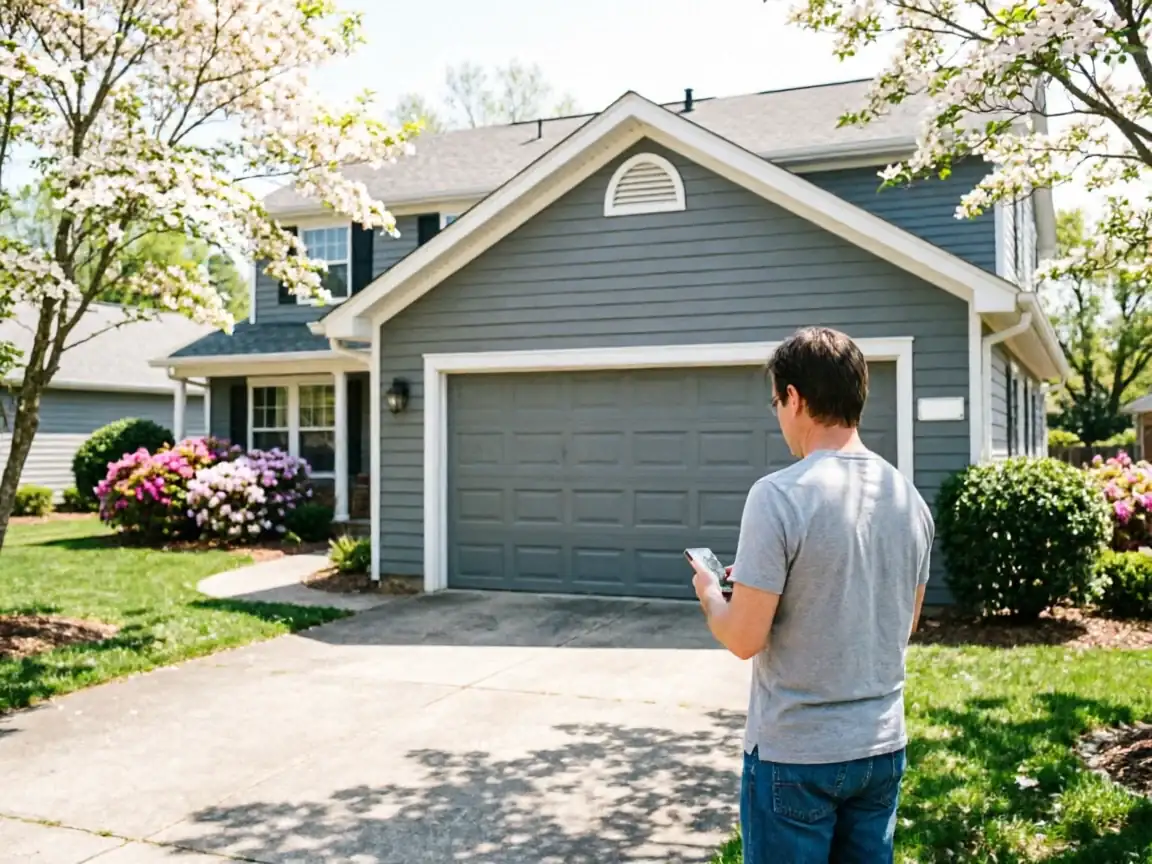
We come from Waxhaw, about 6 miles out
So there's no local branch or drop-in counter here - a call gets you a scheduled visit, not a same-hour walk-up. When you call, have the door's brand and the approximate age ready if you know it; matching a panel on a 2005-built door is usually easier than on an older one because the run is more likely to still be in production or have a close match available.
- 6 miles
We'll ask whether it's one panel (a dent from a car or a cracked section) or whether the whole door needs to come off because the run's discontinued
That answer changes the visit from a quick fix to a longer conversation about full replacement.
What the Fix Involves
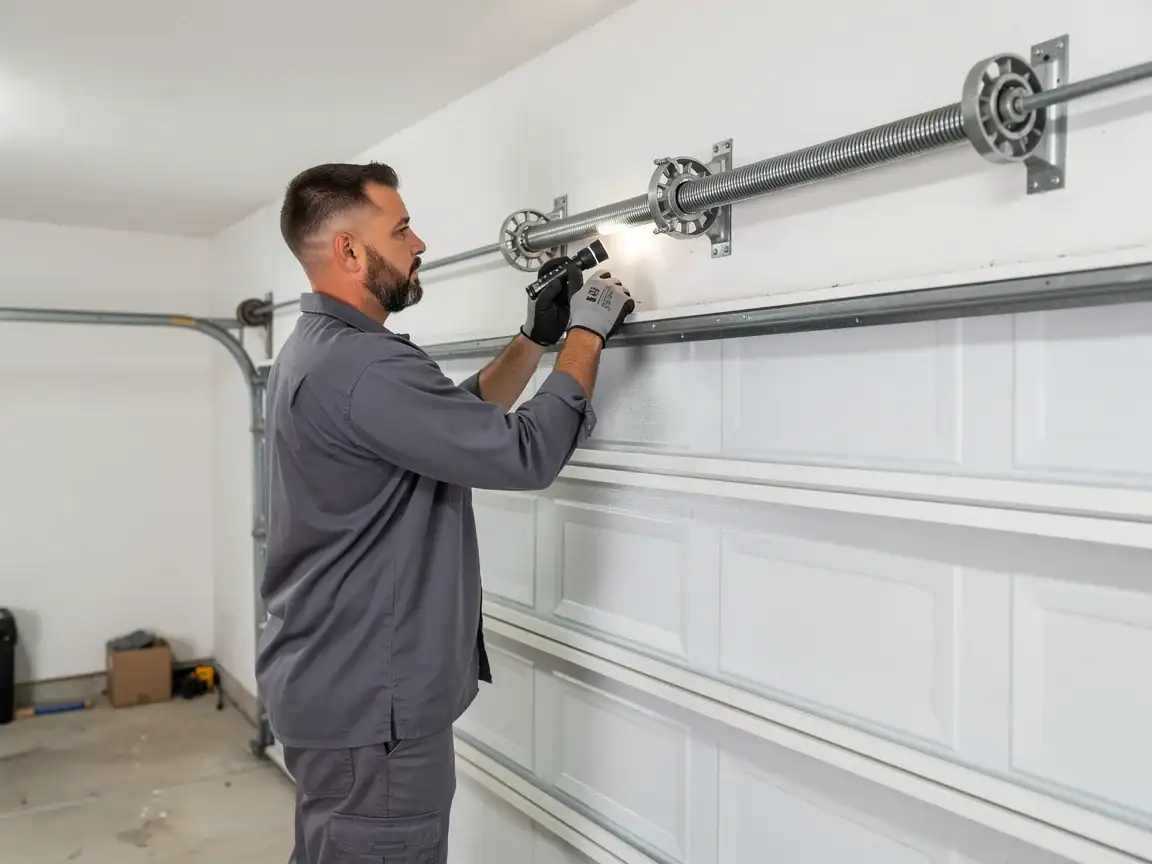
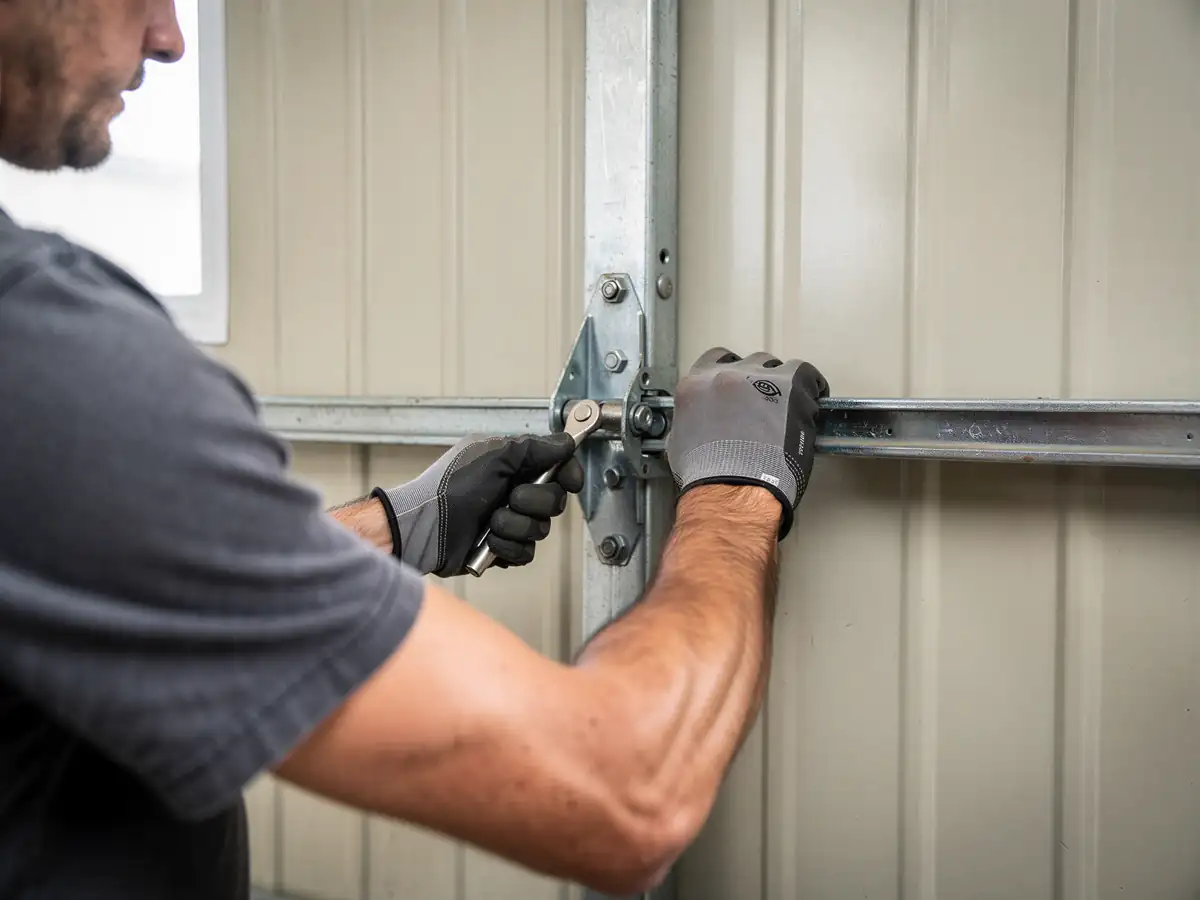
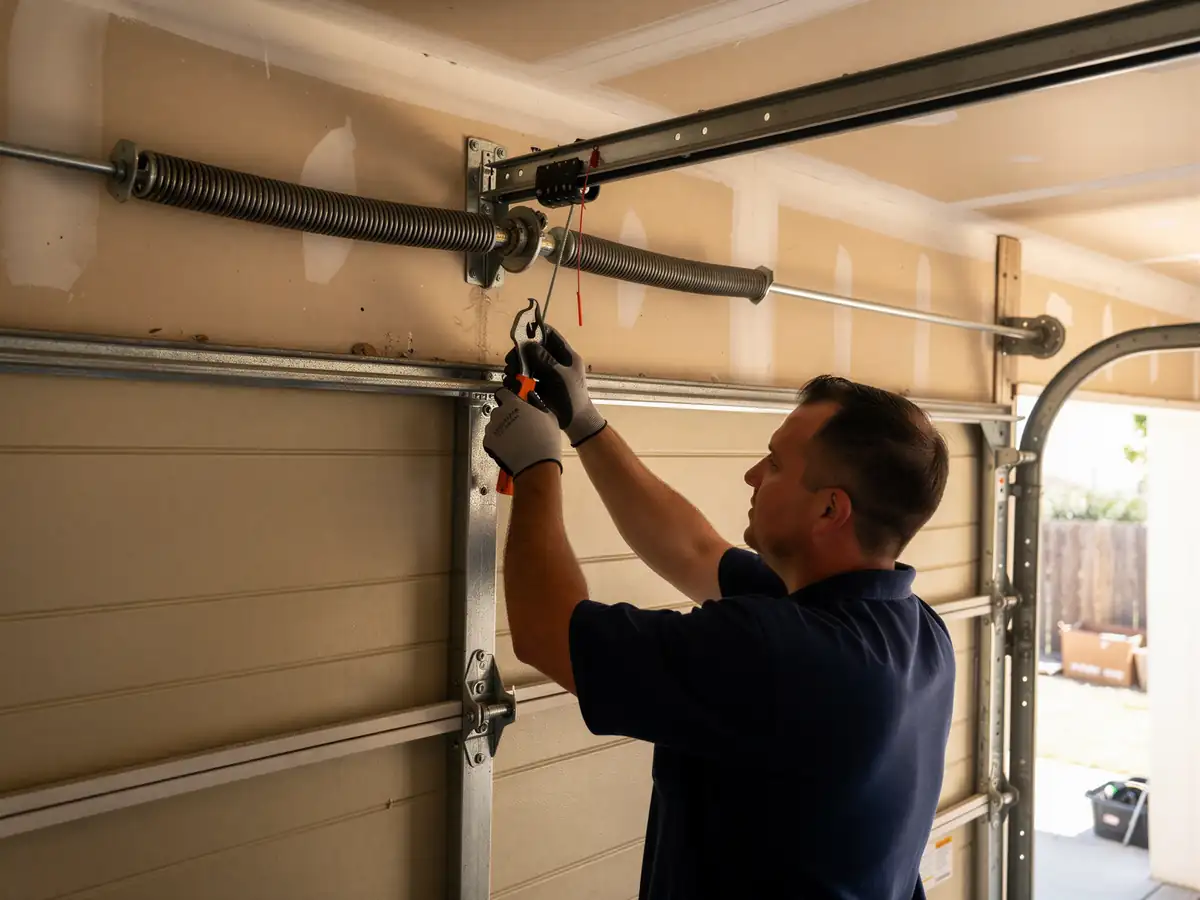
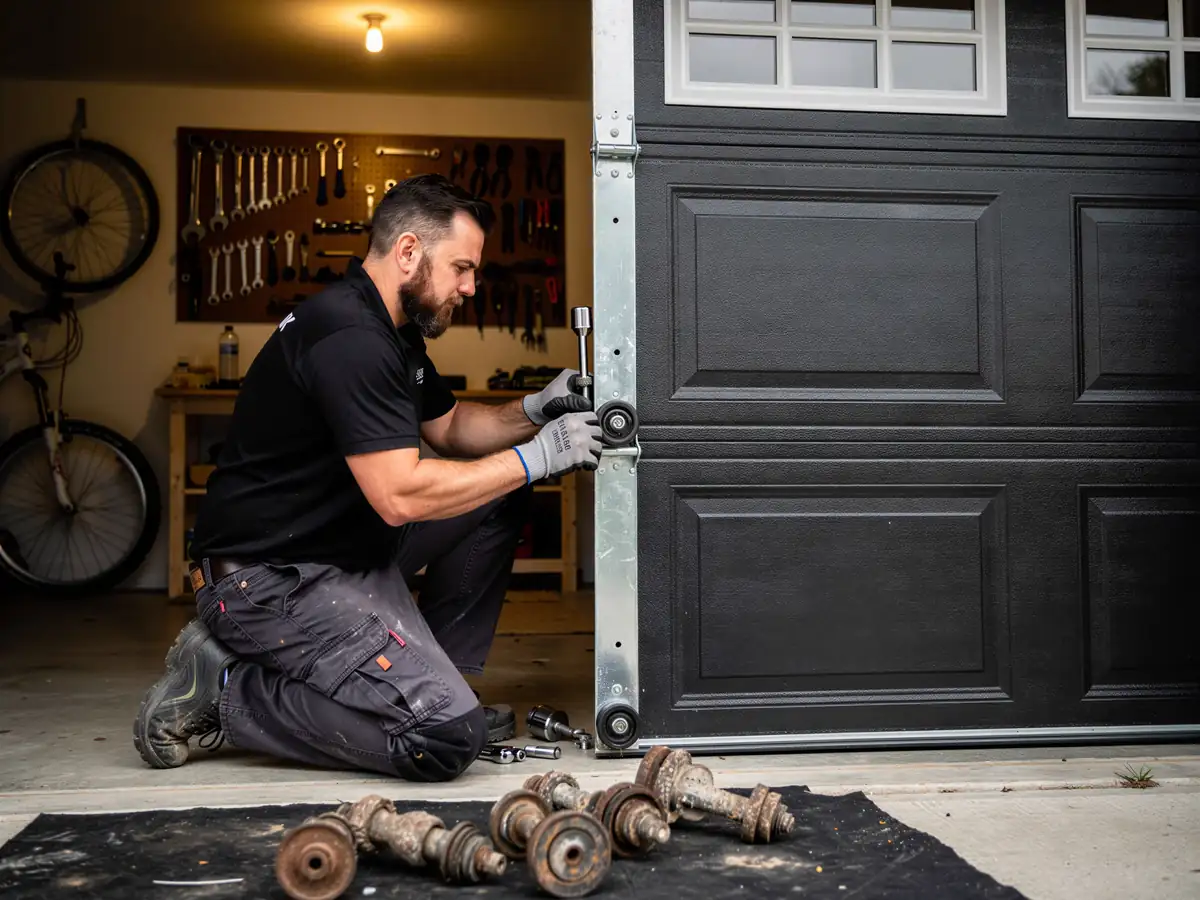
On a door this age, the panel itself is usually fine to match or source - the bigger question is what's behind it. If the hardware (hinges, rollers, the end stiles) is original to a 2005 install, it's had two decades of cycling and hasn't been touched. We check hinge wear and roller condition on every panel job here, not just the dented section, because replacing one panel next to hinges that are two-thirds worn through just moves the next failure down the road a few months.
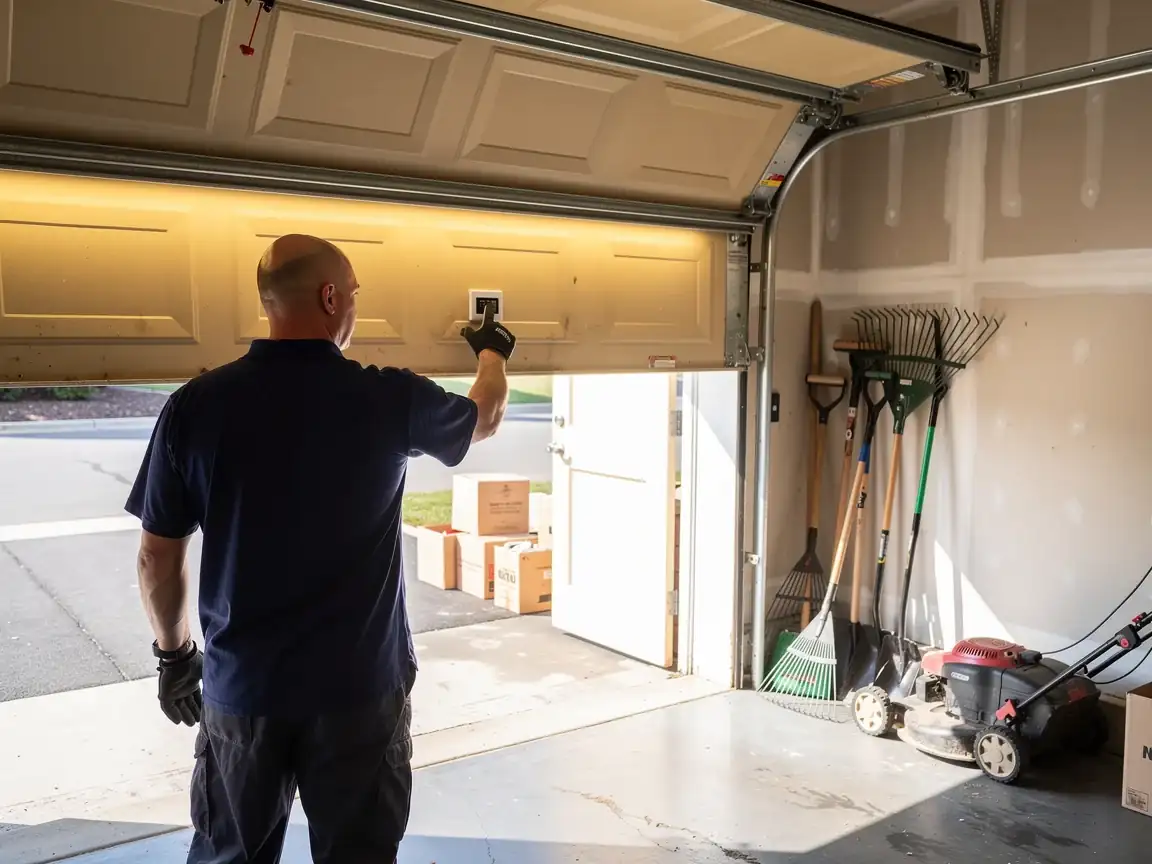
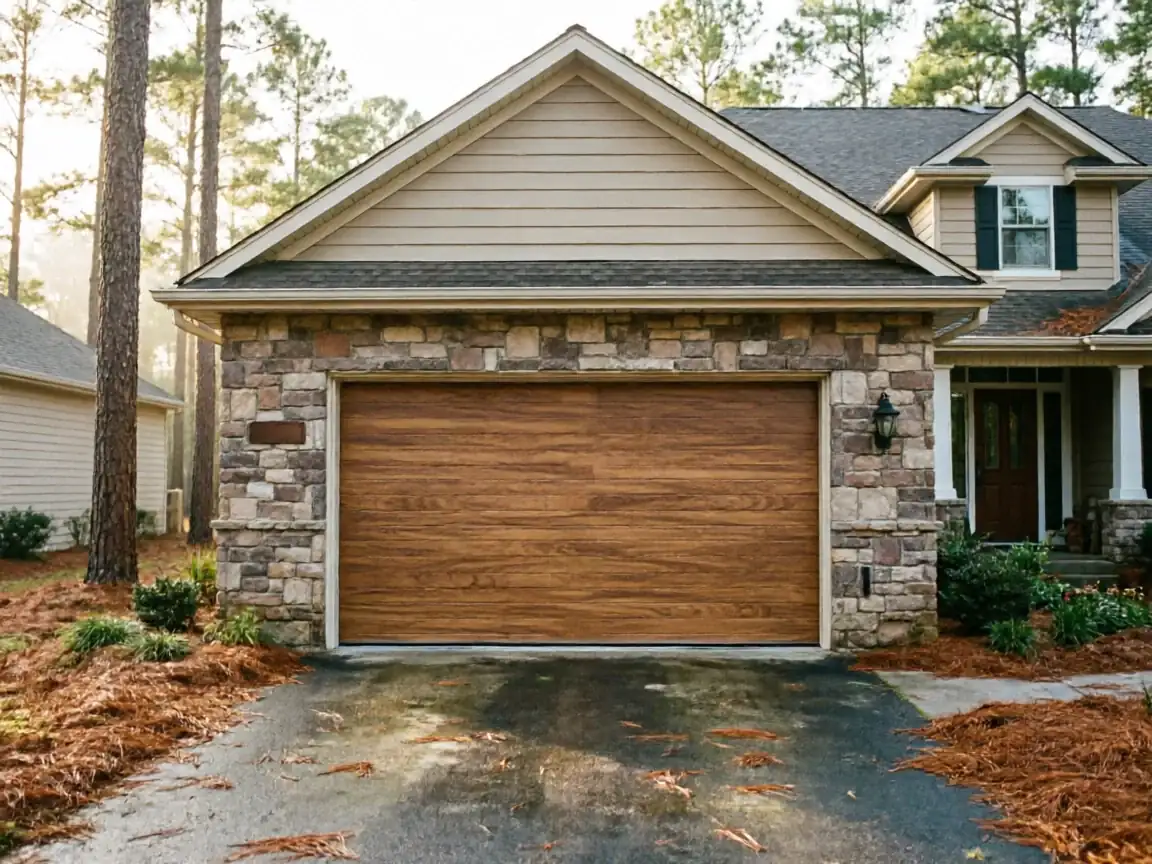
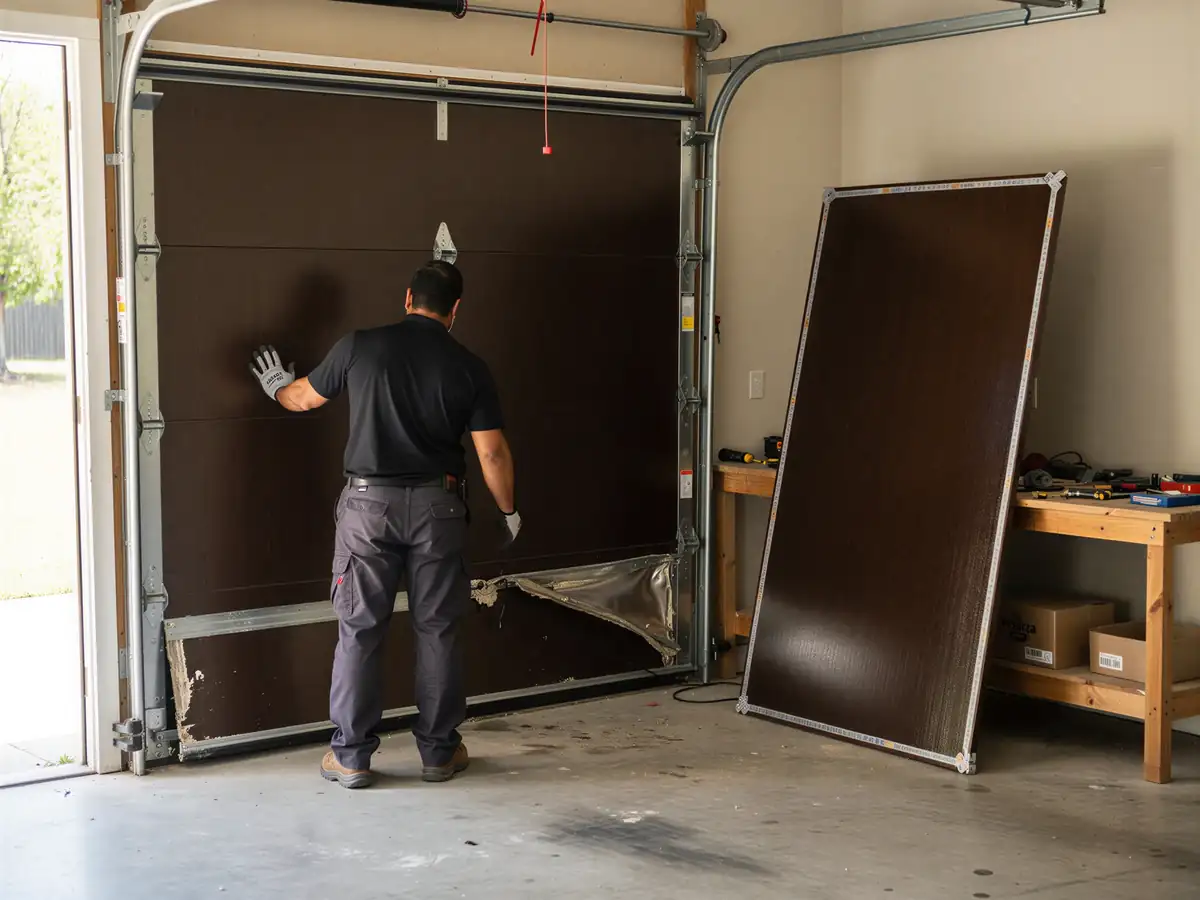
We pull the damaged section, check that the replacement panel matches the existing profile and color (fading over twenty years is real - a brand-new panel next to eighteen-year-old ones can look mismatched even when the part number is right), and reset the hardware on that section. If it's an insulated door, which is common on builds from this era, we confirm the foam core matches so you're not left with one panel that's colder than the rest.
One honest limit: if the door's run has been discontinued and we can't source a matching panel, patch-matching a 20-year-old color and profile isn't something we fake with a close substitute - at that point full door replacement is the straighter answer, and that's a different job and a different page.
How It Shows Up
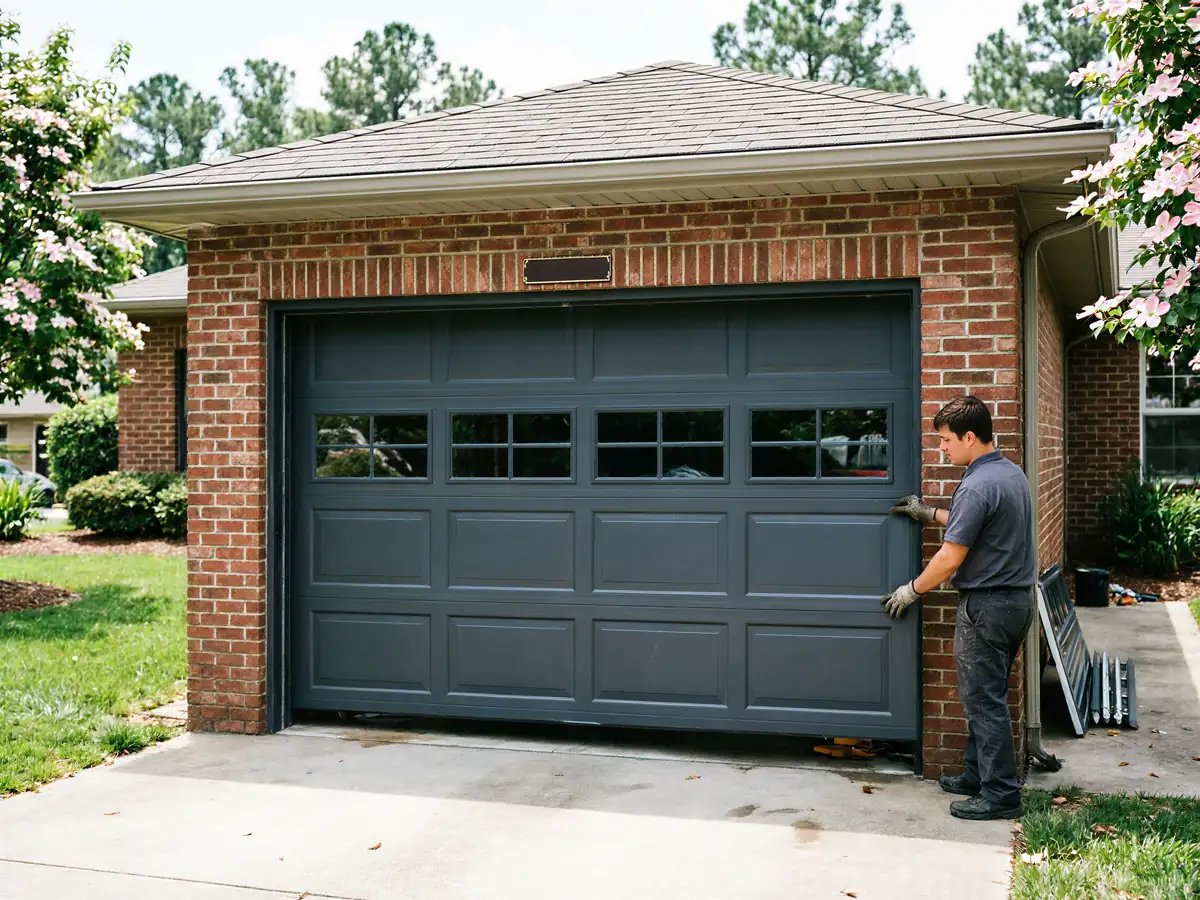
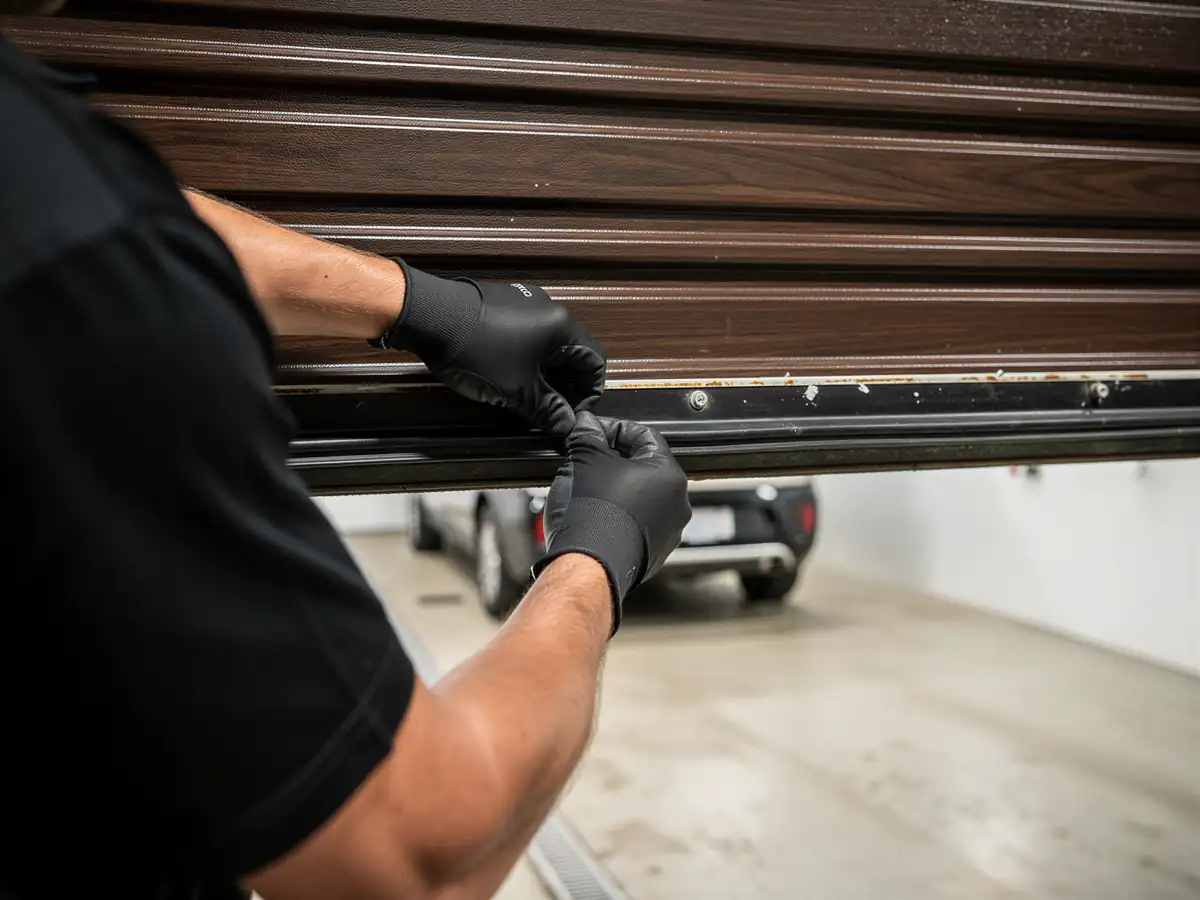
The most common call we get from this part of the territory is a single bowed or dented panel - a backed-into car, a stray basketball over years, or a baseball from a kid's practice. On a 2005-era door, that panel usually still has a visible seam where the steel buckled rather than cracked clean, because builder-grade steel from that period was reasonably solid but wasn't thick.
The cold-moderate climate here plays a smaller role than it does on older stock, since insulated doors from the 2000s handle winter better than the single-skin doors common on much older builds elsewhere in the service area. But a cracked panel still lets cold air into the garage in January, and if that garage shares a wall with living space, you'll feel it.
Because Marvin's household income runs well above the wider area's - median household income here is $250,001 against roughly $89,417 across the whole territory - we also get more calls asking about matching a full panel set for appearance rather than just patching the one that's damaged. Both are valid; it's a question of what you want to spend and whether it bothers you to see a mismatched panel from the driveway.
What It Costs
We don't publish a flat number here because panel cost depends on the door brand, whether it's insulated, and whether the run is still in production
All of which we confirm before quoting, not after. A single steel panel swap on a door that still has an active production run is the cheapest version of this job. A full-door replacement because the panel can't be matched is a different quote entirely, and we'll tell you plainly which situation you're in before any work starts.
With only 1,871 households in Marvin, this isn't a neighborhood where we're swapping panels on a dozen identical builder-grade doors a week like we might in a bigger
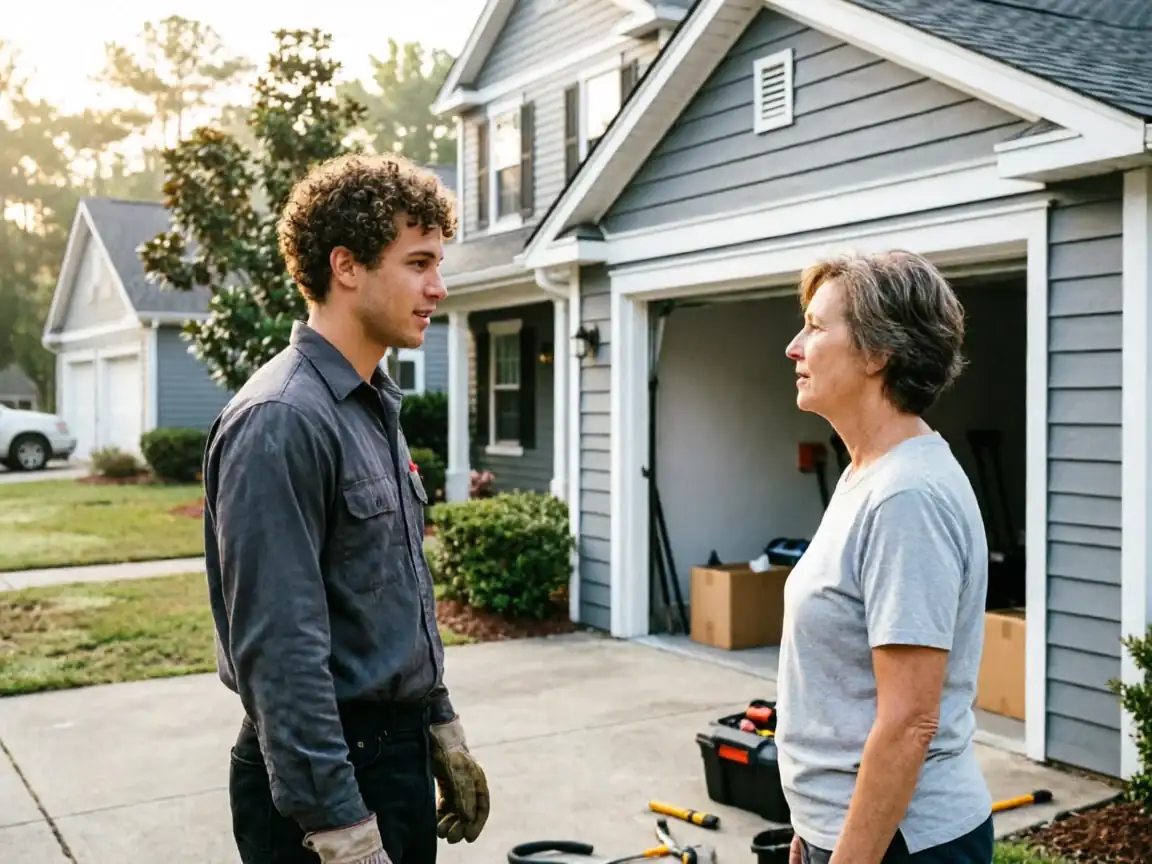
Older tract - so pricing here tends to be a case-by-case conversation rather than a standard rate we can quote over the phone. We'll give you a number on-site once we've seen the panel, the hardware behind it, and whether the door's insulated core needs matching too.
- 1,871 households