Getting It Booked In
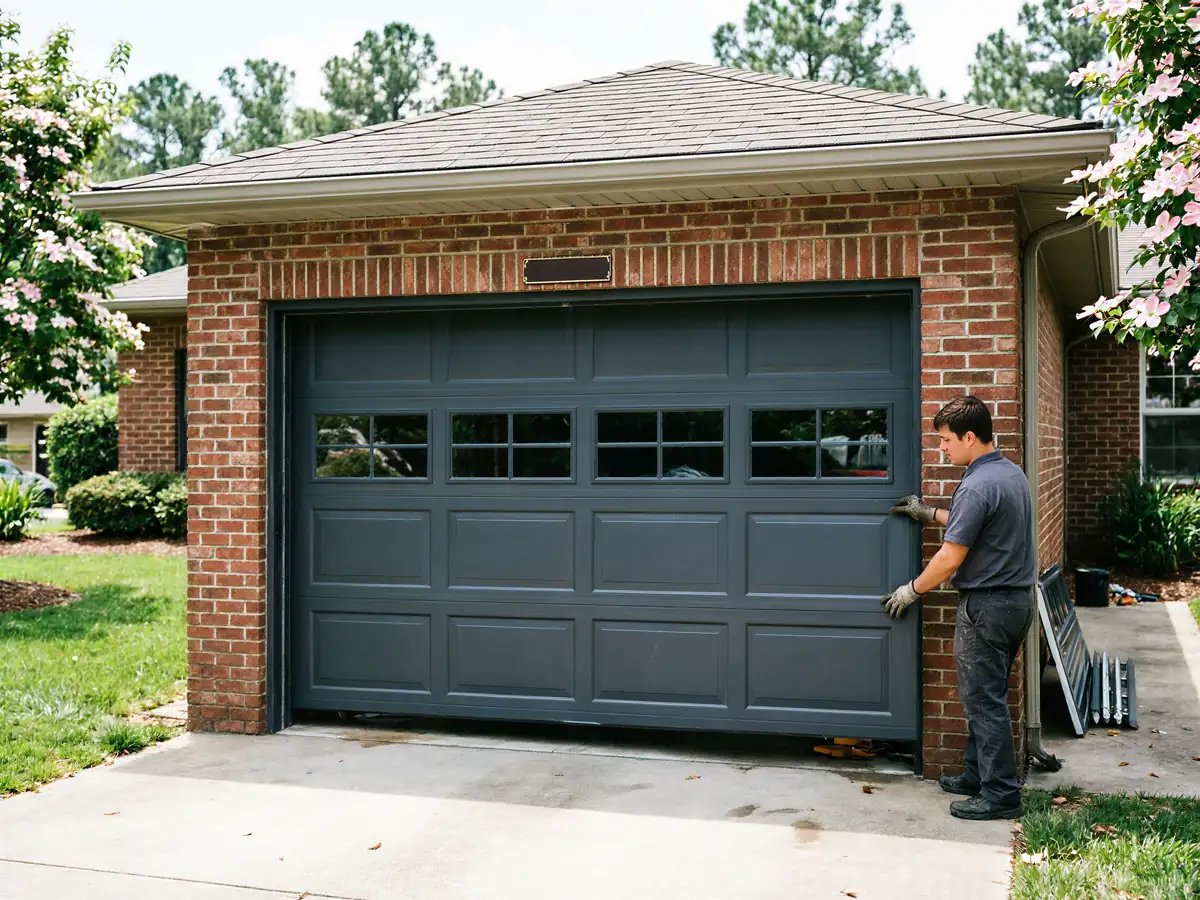
Wesley Chapel sits about five miles from Waxhaw, one of the shorter runs we make in the service area
Where some stops are fourteen to nineteen miles out. That short drive doesn't change the job, but it does mean we're not squeezing your call into the end of a long route.
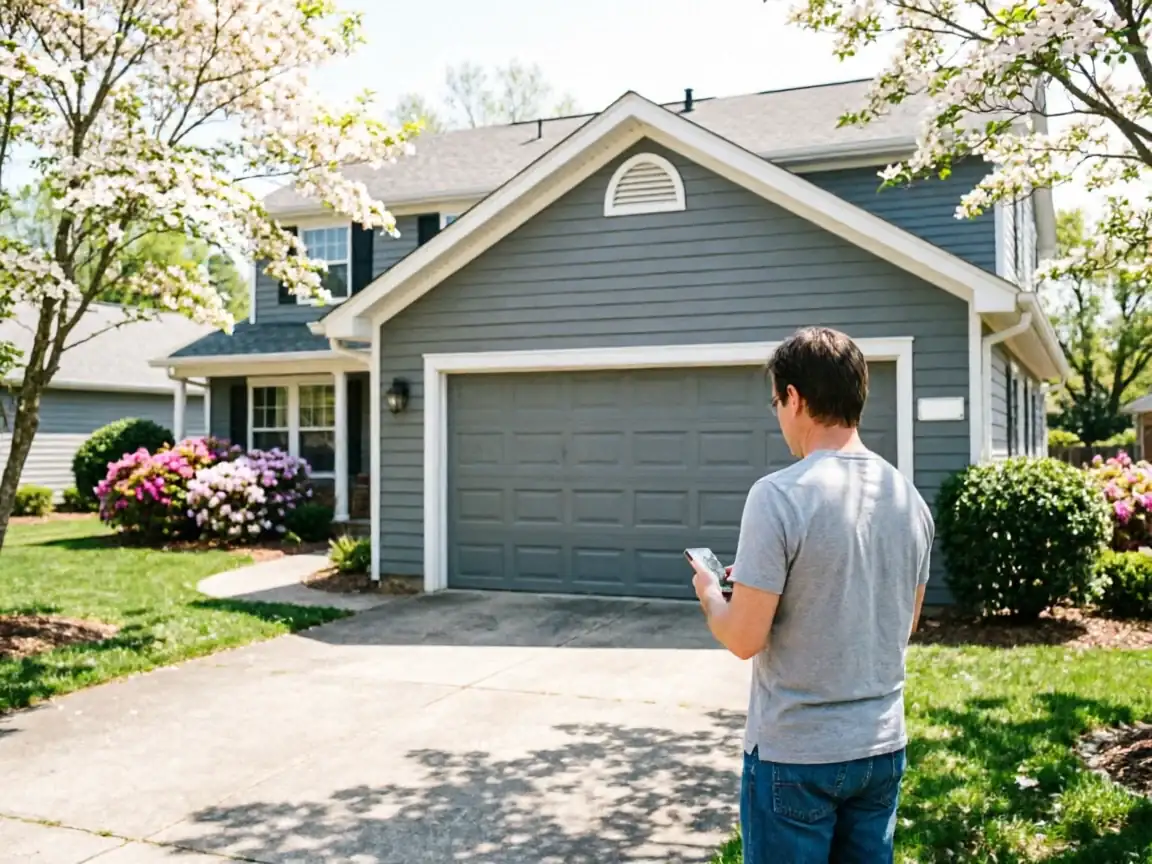
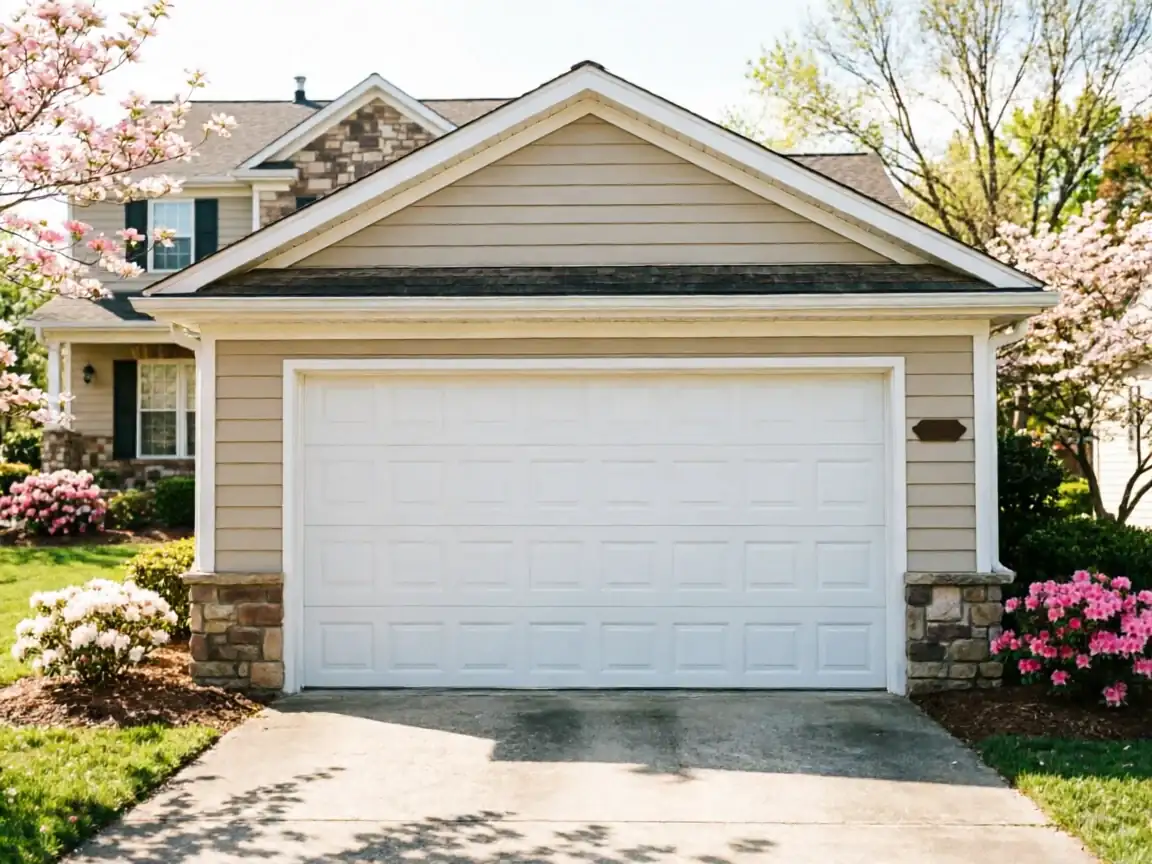
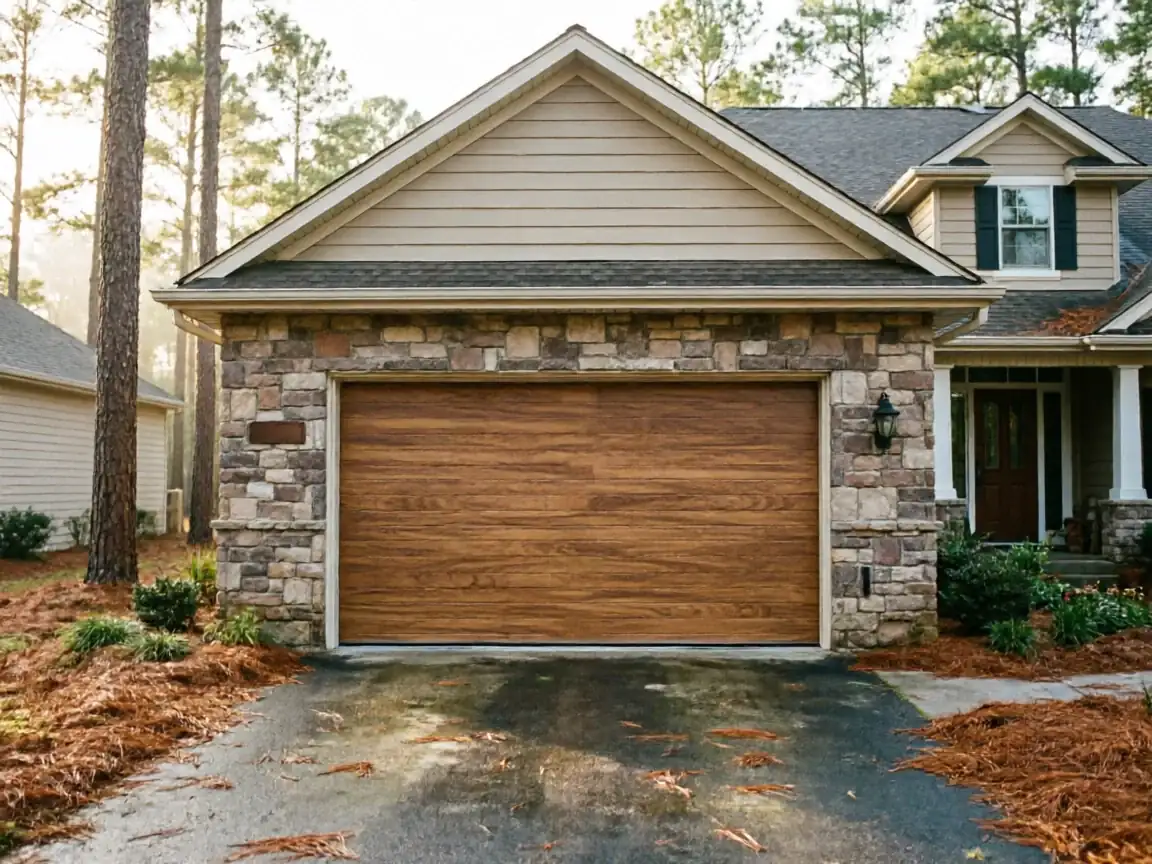
Most of the houses out here went up in the early 2000s, newer than a lot of the rest of the area we cover
Which spans builds from 1974 clear through 2005. That newer stock matters for roller work because it tells us what's on the track before we even pull into the driveway: builder-grade hardware from a specific window of time, not the mix of eras you find closer to the older parts of the service area.
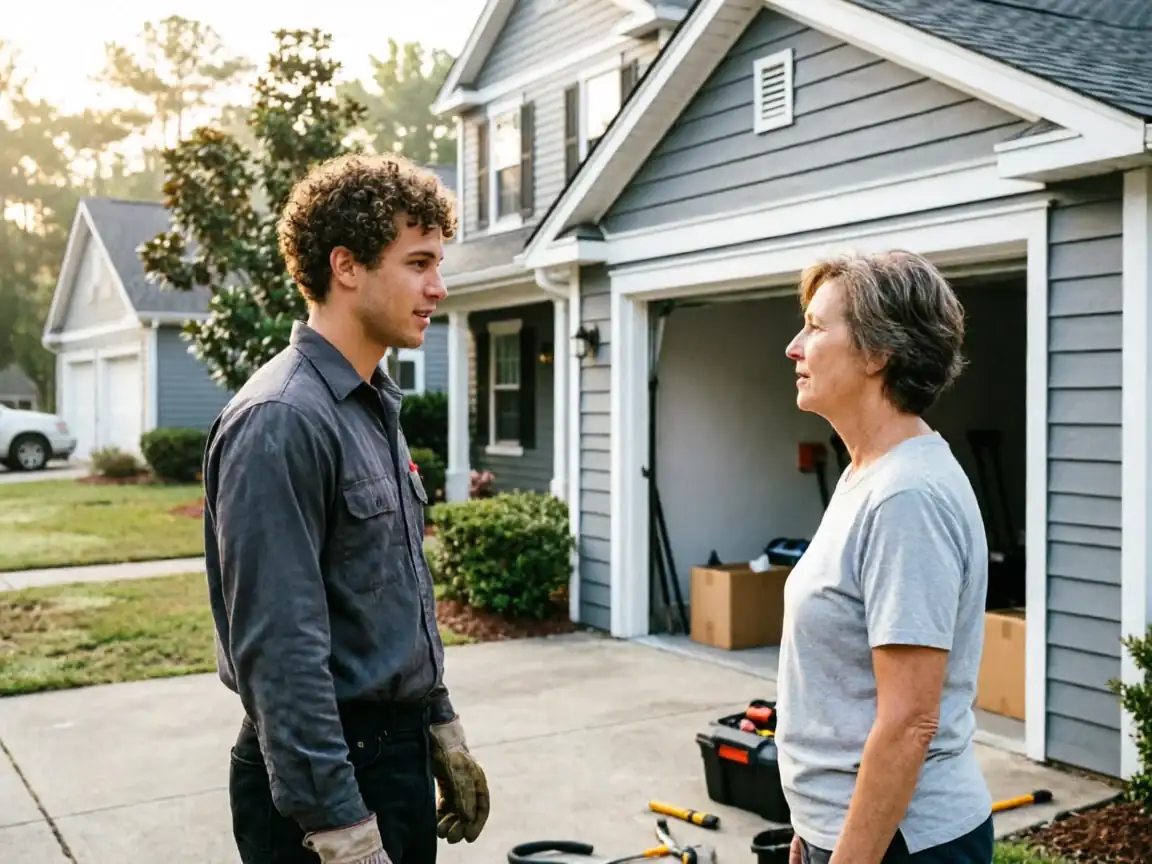
When you call, tell us roughly how old the door is and whether it's the original one
If it's never been touched since the house was built, we already have a decent guess at what we'll find on the rollers before we open the panel.
The DIY Question
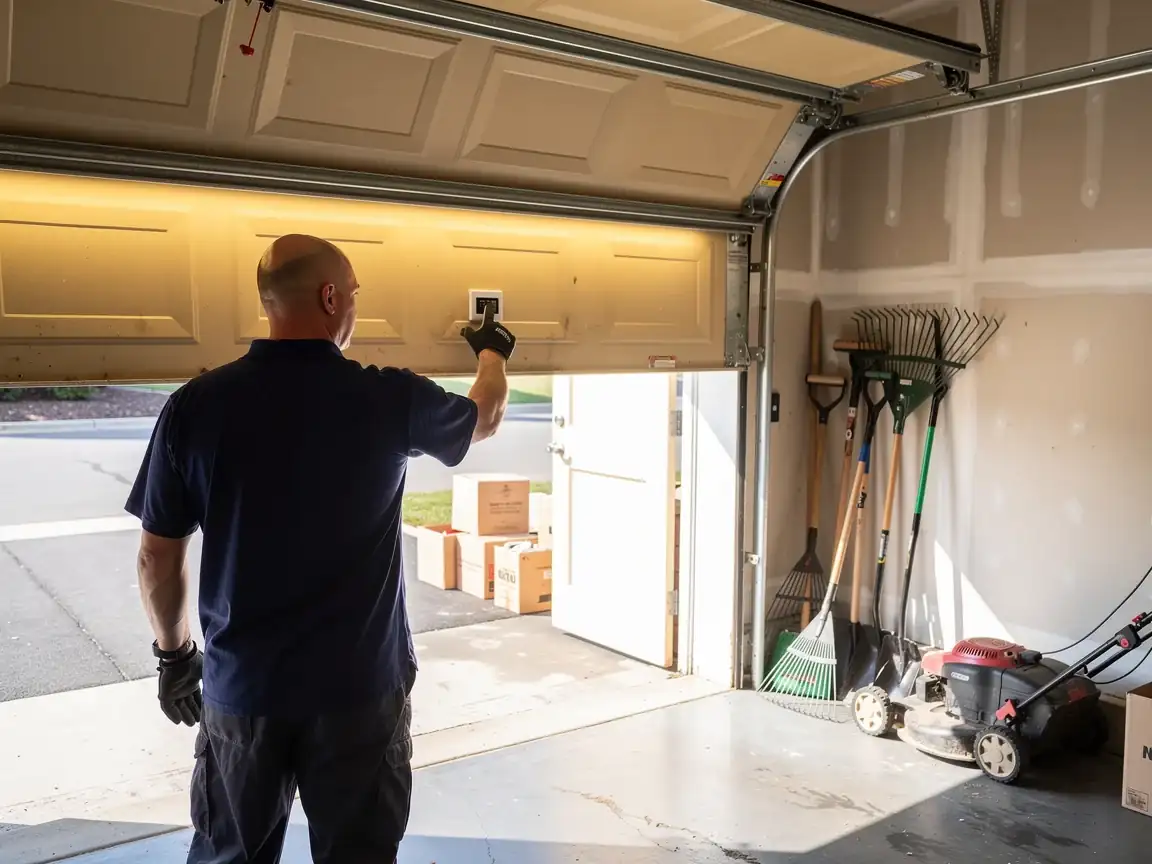
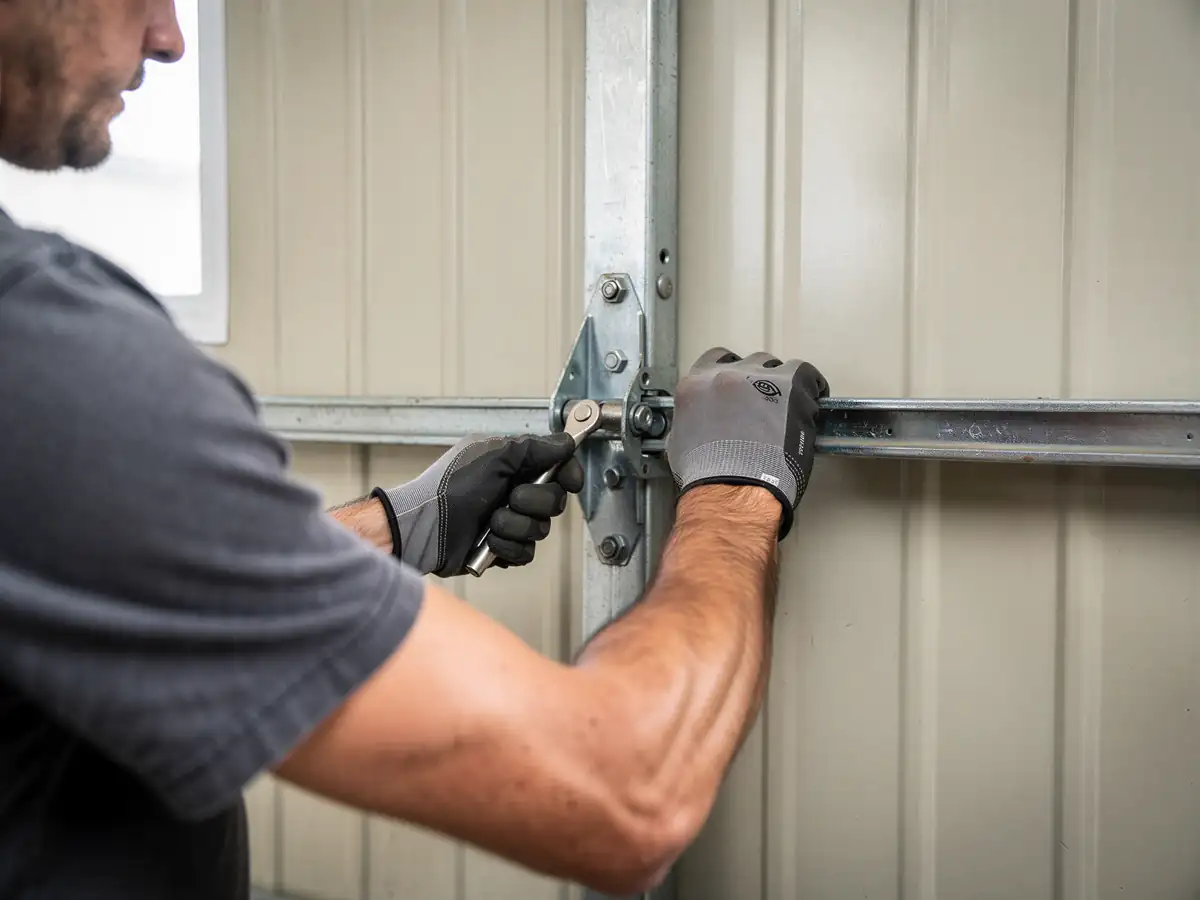
Rollers are one of the more approachable garage door repairs for an owner who's handy, and we won't pretend otherwise. If you can get the door safely secured and the track clear, swapping a worn roller on a standard panel isn't technical wizardry.
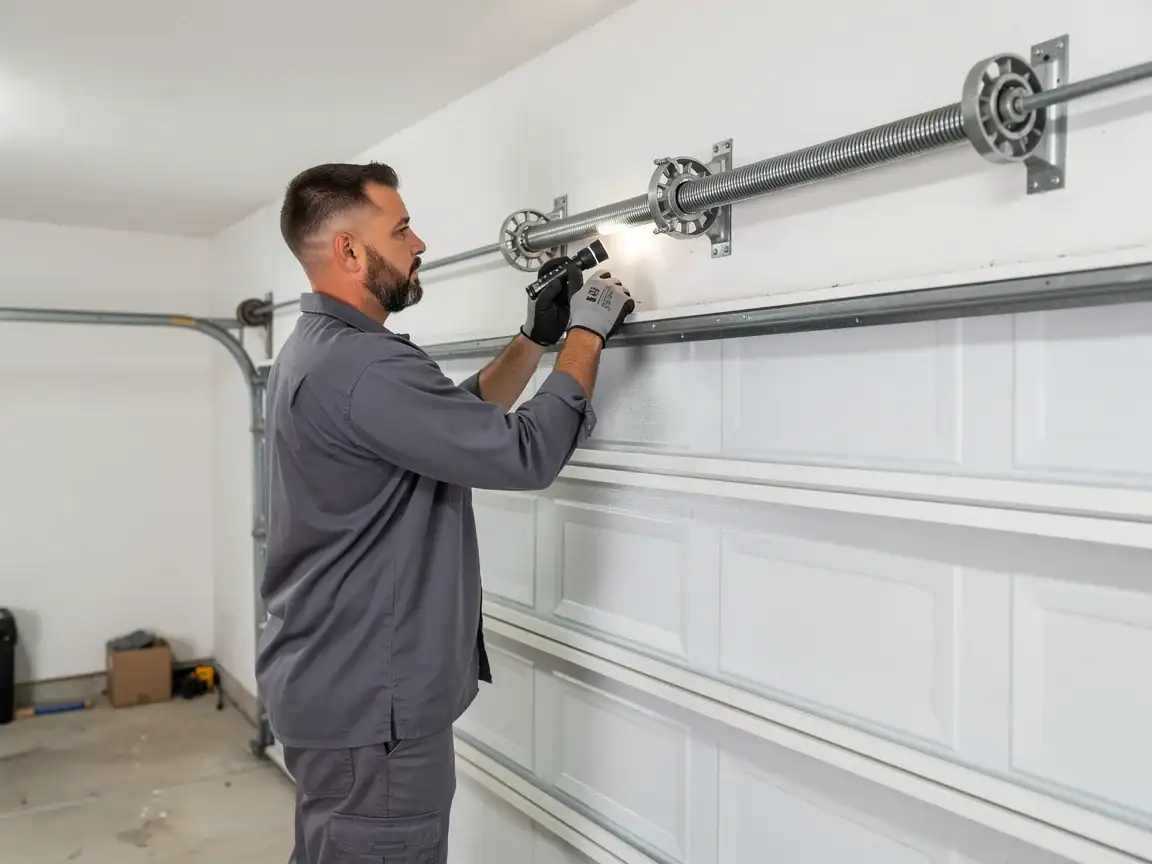
Where it gets risky is the bottom bracket, which is under spring tension and not something to open casually, and the track alignment itself. A door that's been running on a cracked plastic-stem roller for a while often has a track that's walked slightly out of plumb to compensate. Replace the roller without correcting that, and the new roller wears the same way inside a year.
Our honest limitation here: we don't walk people through spring-adjacent repairs over the phone, and we won't sell you a roller kit if what's actually wrong is the track or the opener's travel settings. If the door is still under builder warranty territory and running fine otherwise, a roller swap might be all it needs. If it's binding, grinding, or dropping off track, that's a call, not a weekend project.
What It Costs
We don't have a fixed roller price to quote in writing without seeing the door, since the count and style of rollers on a double door differs from a single, and some openers add complexity to the bottom bracket. What we can tell you is how the job gets priced: by roller count and style, not by the hour, so you know the number before we start.
Households in this part of the service area run a median income noticeably above the wider area average, and what we see on the ground matches that: owners here tend to replace the full roller set in one visit rather than patch one or two and call again next year. That's a reasonable call on a door that's otherwise sound, since the other rollers on the same track are the same age and under the same load.
What we won't do is talk you into a full door replacement when a roller and track service solves the actual problem. If the panels are still straight and the spring is sound, there's no reason to spend more than the roller job needs.
Stocked Parts
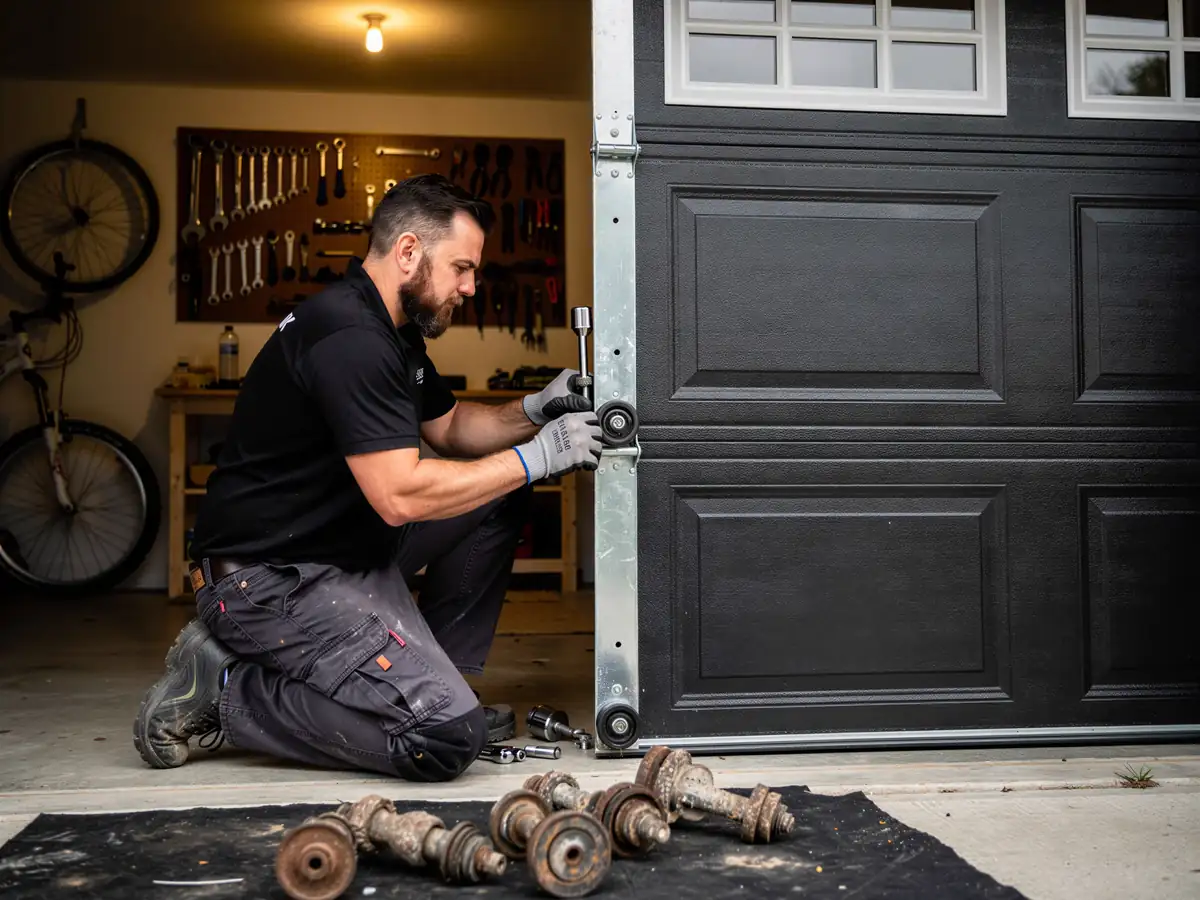
Doors that went up around here in the early 2000s almost always shipped with stamped-steel rollers on a plastic stem
The standard builder-grade part of that era before sealed nylon rollers became the common upgrade. We carry both on the truck, along with the nylon upgrade for owners who want quieter operation going forward.
In this cold-moderate climate band, that plastic stem is usually the first thing to go
Cracking after repeated winter freeze-thaw cycles well before the roller wheel itself is actually worn out. You'll hear it before you see it: a rhythmic clunk as the door travels, getting louder over a few weeks.
We stock the common 7-ball and 10-ball stem sizes and standard track-gauge rollers that fit the vast majority of doors from this build era
What we don't carry on the truck is specialty oversized rollers for custom or imported door systems, which are rare out here but not unheard of - those need to be special-ordered, and we'll tell you upfront if that's what we find.