What Causes It Around Here
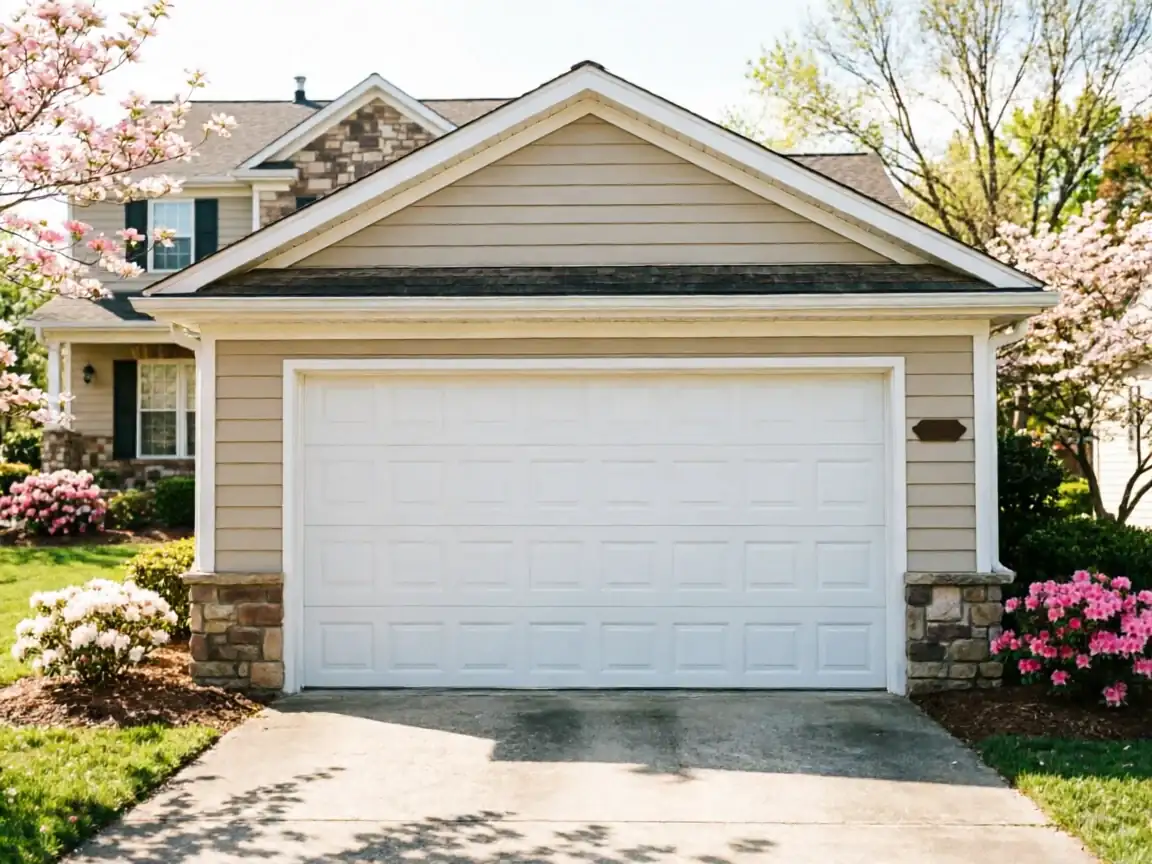
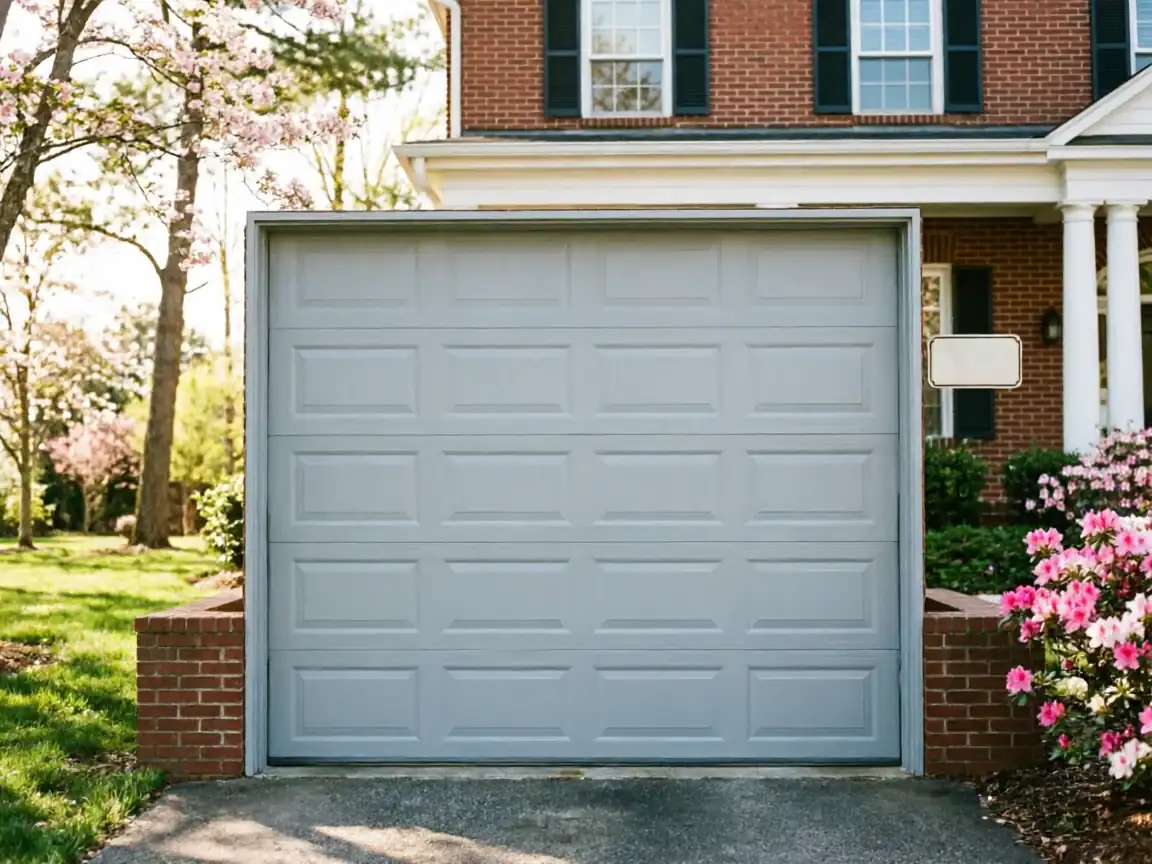
Doors on 1991-era houses in this area were mostly steel sectional, often without the foam-core insulation that came standard a decade or so later. A thinner skin dents easier - a bumper tap from a trailer, a kid's bike against the bottom panel, a basketball that catches the door wrong. Because the regional climate band here runs cold-moderate with real seasonal swings, uninsulated steel panels also flex more than insulated ones, and repeated flexing works a dent into a crease, then a crease into a crack along the panel seam. We also see bottom panels corroding faster than the rest of the door, since that panel takes the brunt of splash, road salt residue, and standing water after storms. None of this is dramatic - it's just what happens to a 30-plus-year-old steel panel that was never built with a foam layer to resist the hit.
The Complications
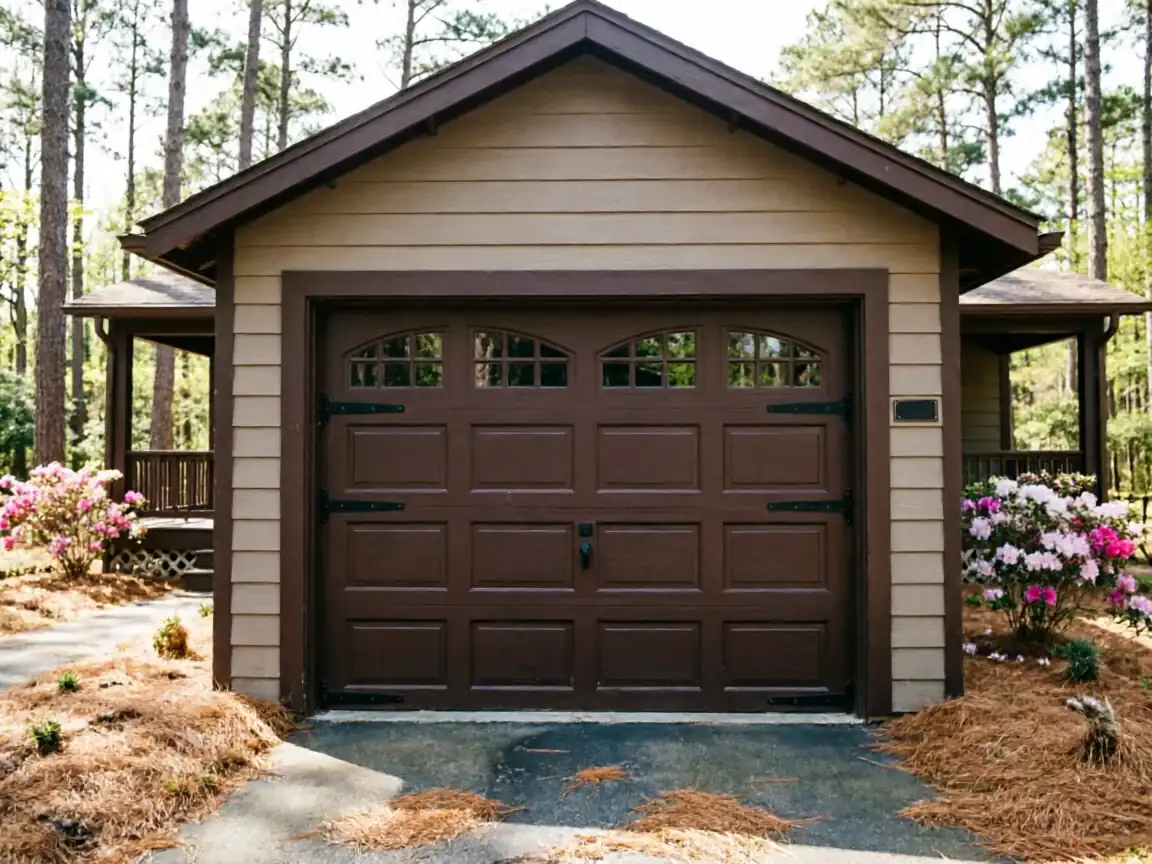
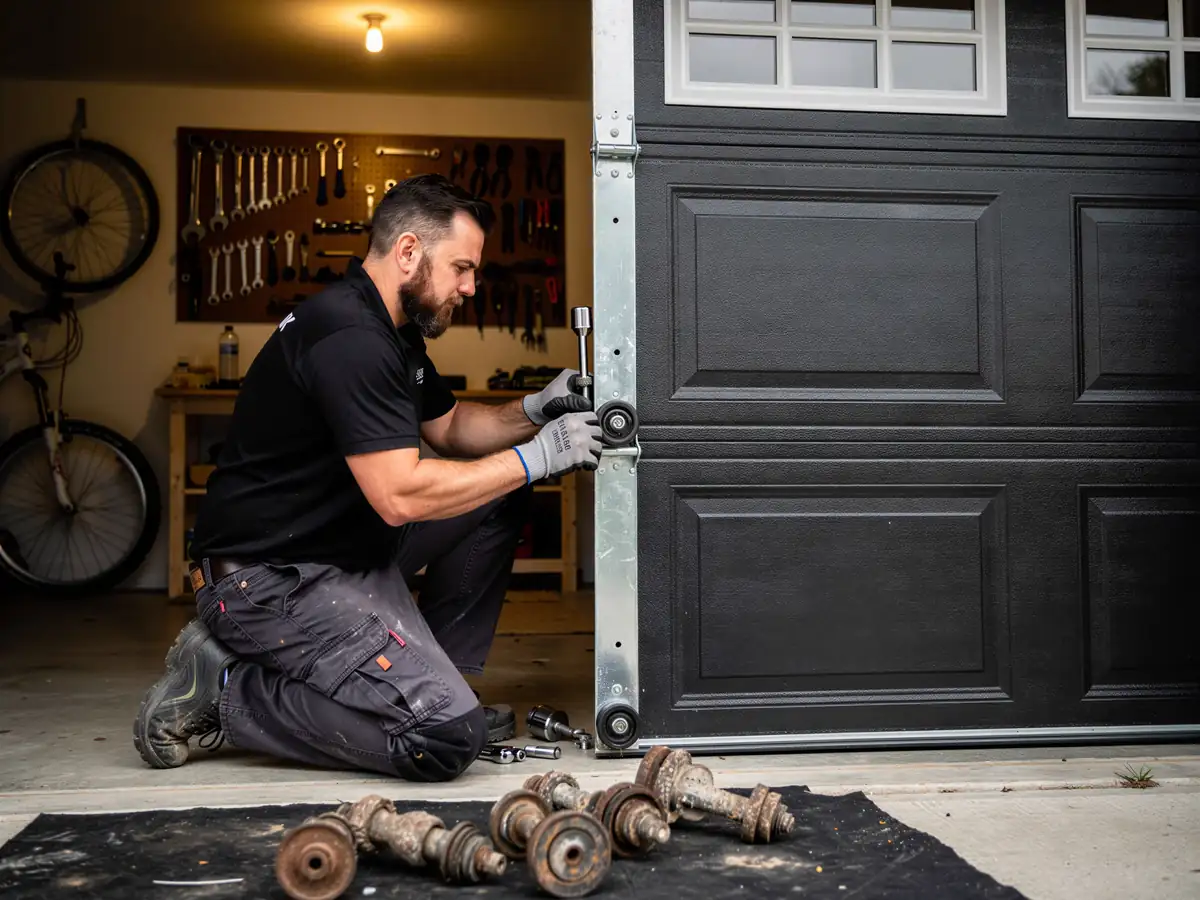
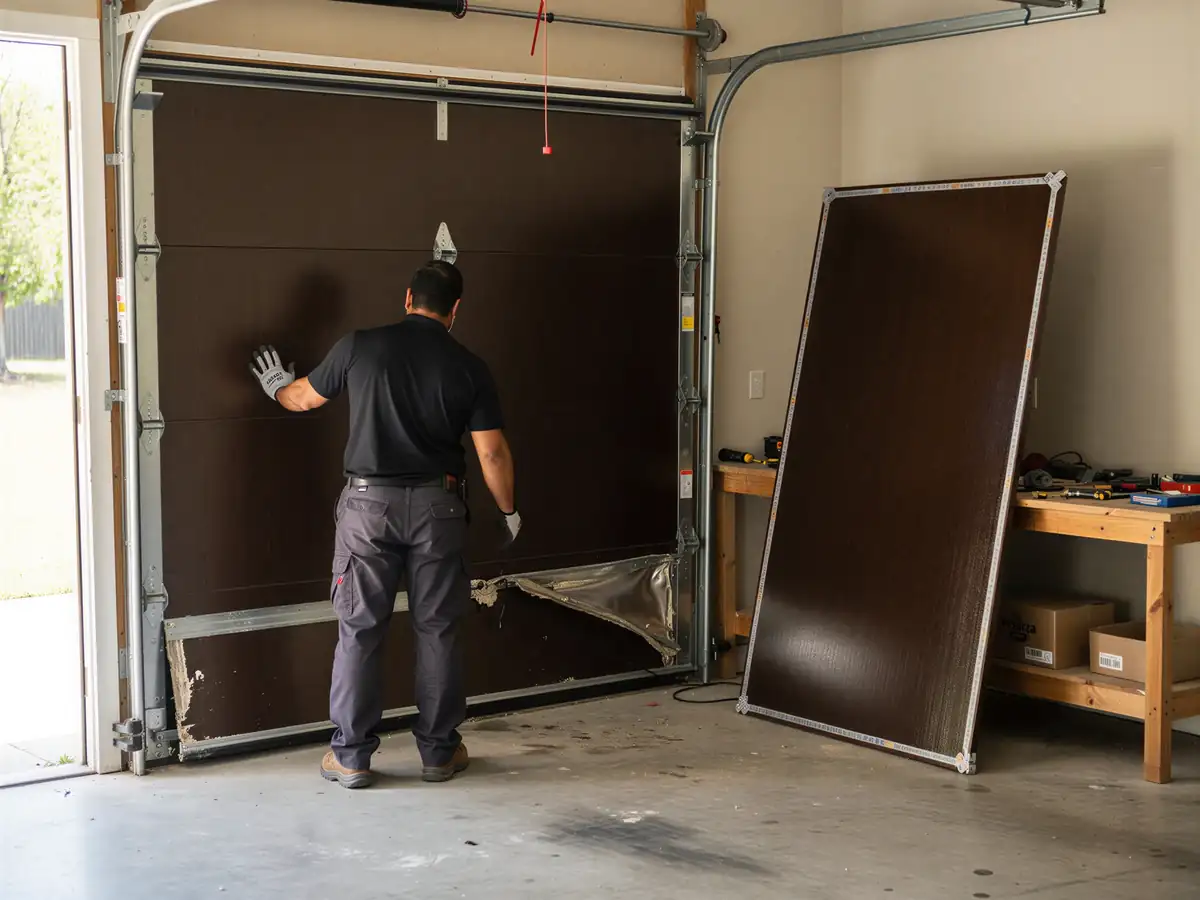
The complication in Mineral Springs isn't finding a panel - it's finding the right one. Doors from the early-to-mid 1990s came in panel heights and groove patterns that newer manufacturers don't carry anymore. If your door is an odd size or an off-brand from that era, we may be matching a used panel, special-ordering from a smaller supplier, or telling you honestly that a true match isn't out there and a full door is the cleaner fix. That's the honest limitation: we don't keep every obsolete panel profile in stock, and sometimes the lead time on a special-order panel runs longer than most homeowners expect. We'll tell you that up front rather than stringing the job along. A second complication is structural - on an older door, pulling one bad panel can reveal that the track or hinges have also worn past spec, which changes the scope of the job once we're already inside the door.
How It Shows Up
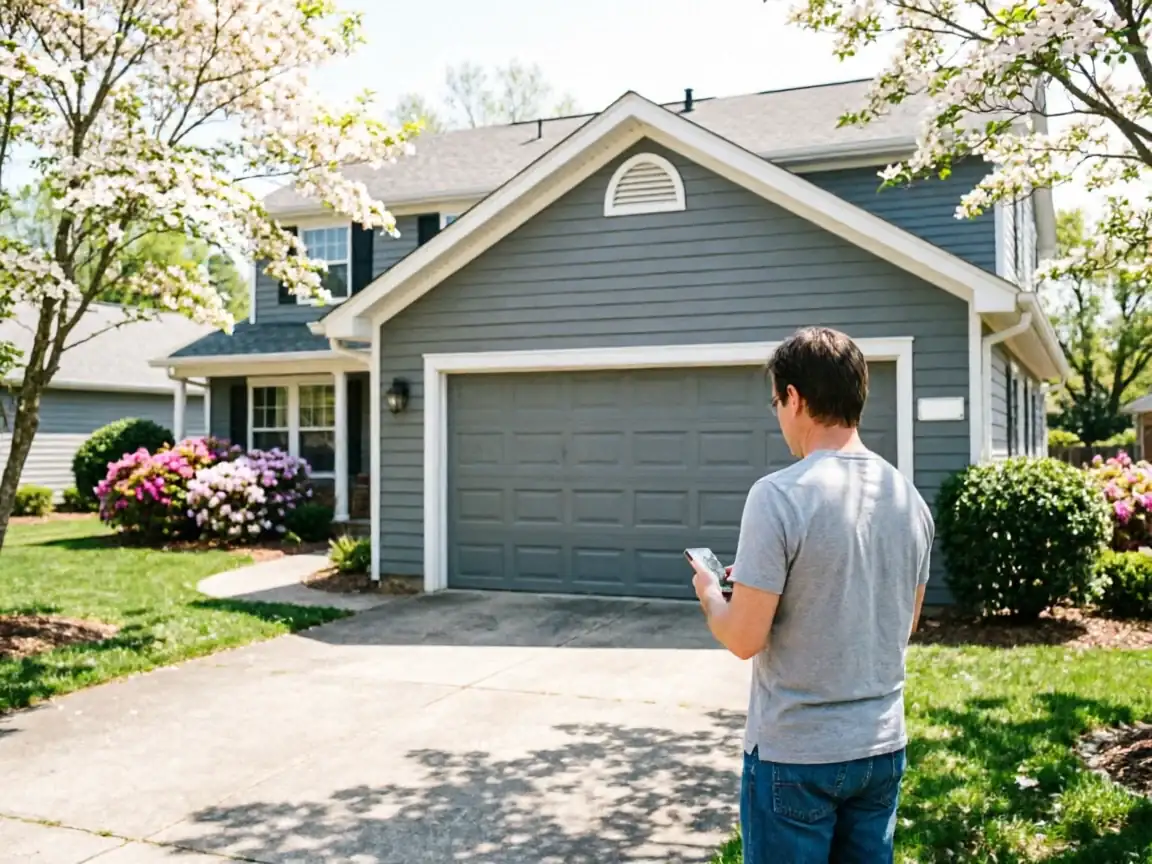
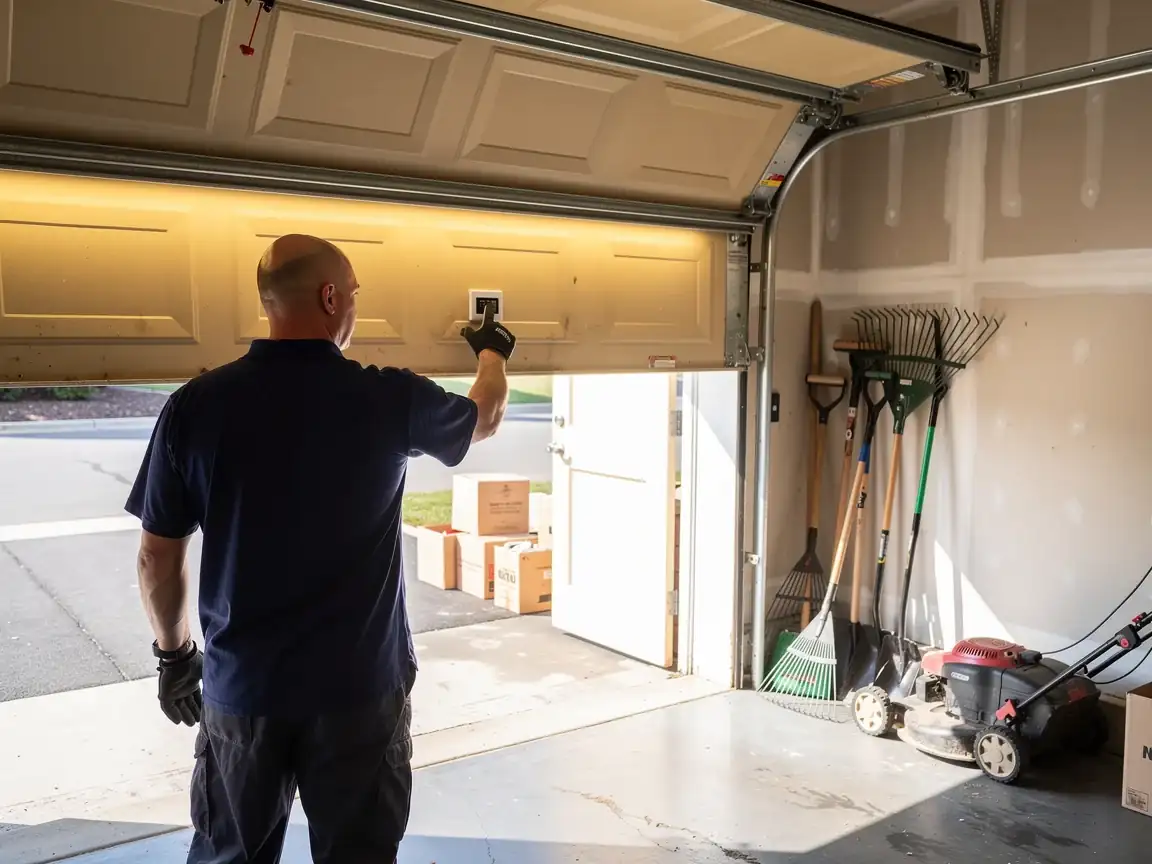
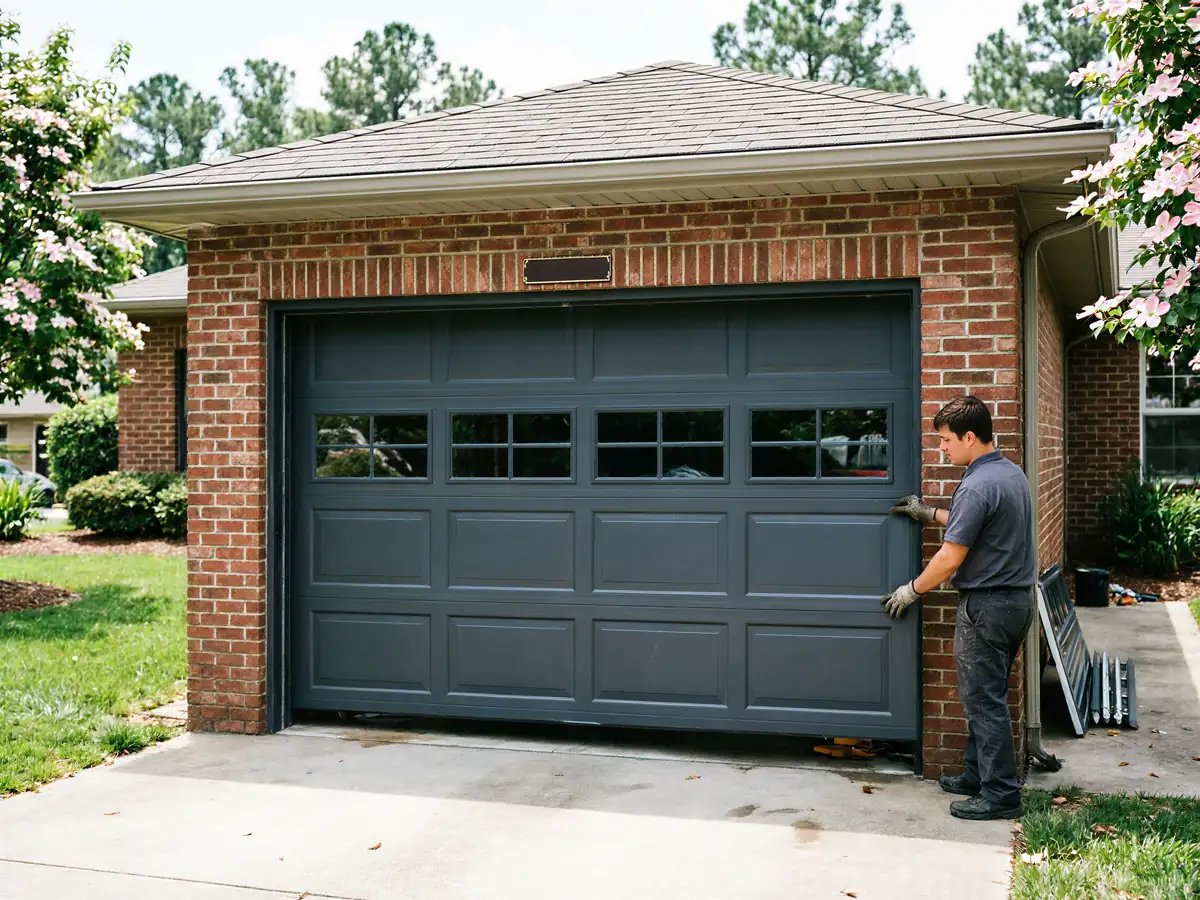
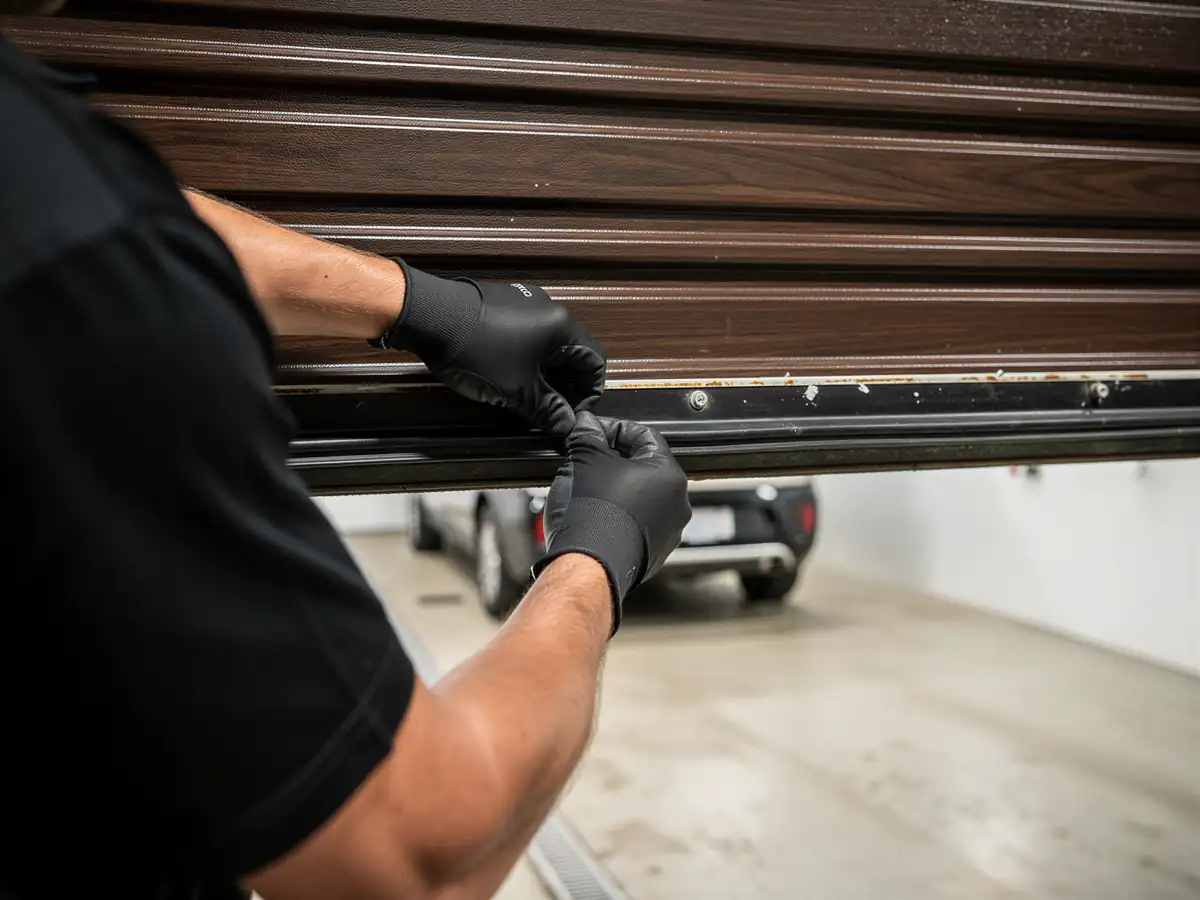
In Mineral Springs, panel damage shows up two ways. One is sudden and obvious - a dent from a vehicle or a cracked panel after a falling branch, something you notice the day it happens. The other is slower: a bottom panel that's been absorbing moisture and road grit for years starts to bow or rust through at the seam, and you don't notice until the door starts binding in the track or won't seal flush at the bottom. With roughly 1,188 households in this area and most built around the same early-90s window, we see a fair number of these slow-fade bottom panels on doors that are otherwise fine - spring good, opener good, just one tired panel dragging the whole look of the door down.
The DIY Question
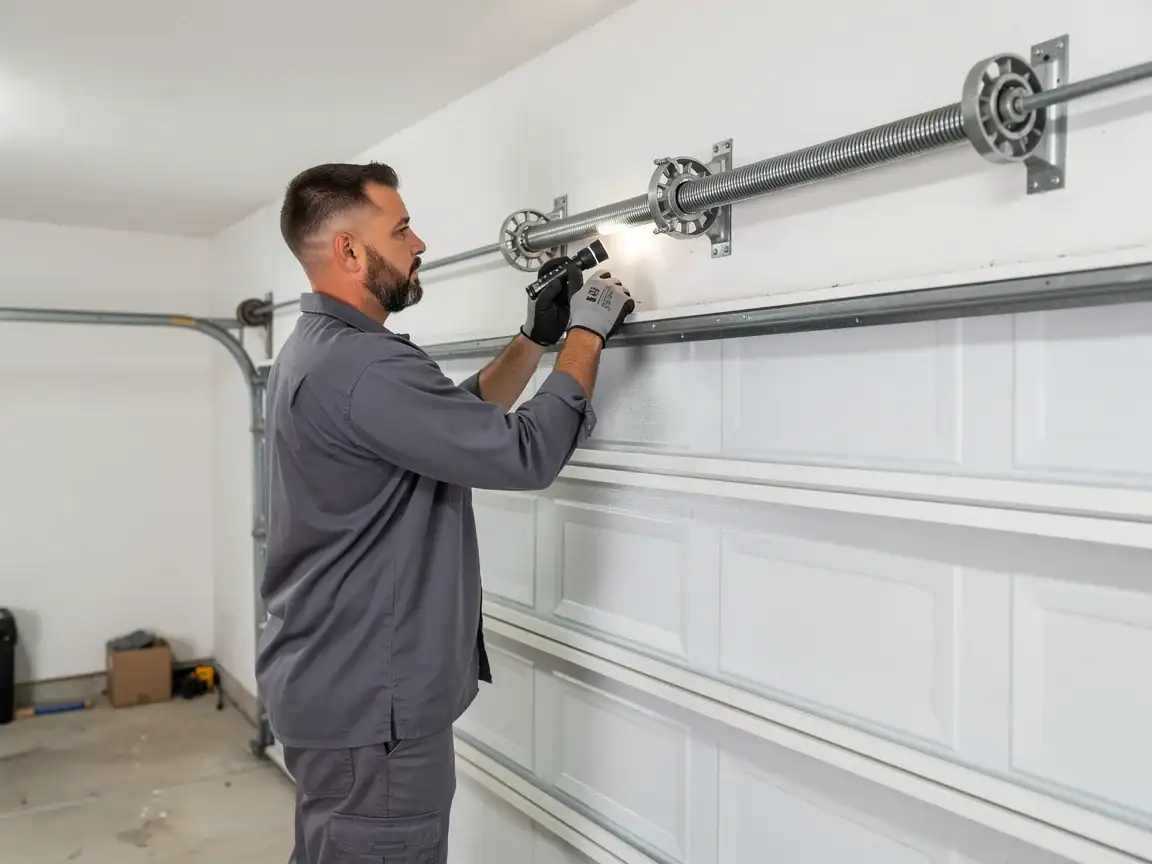
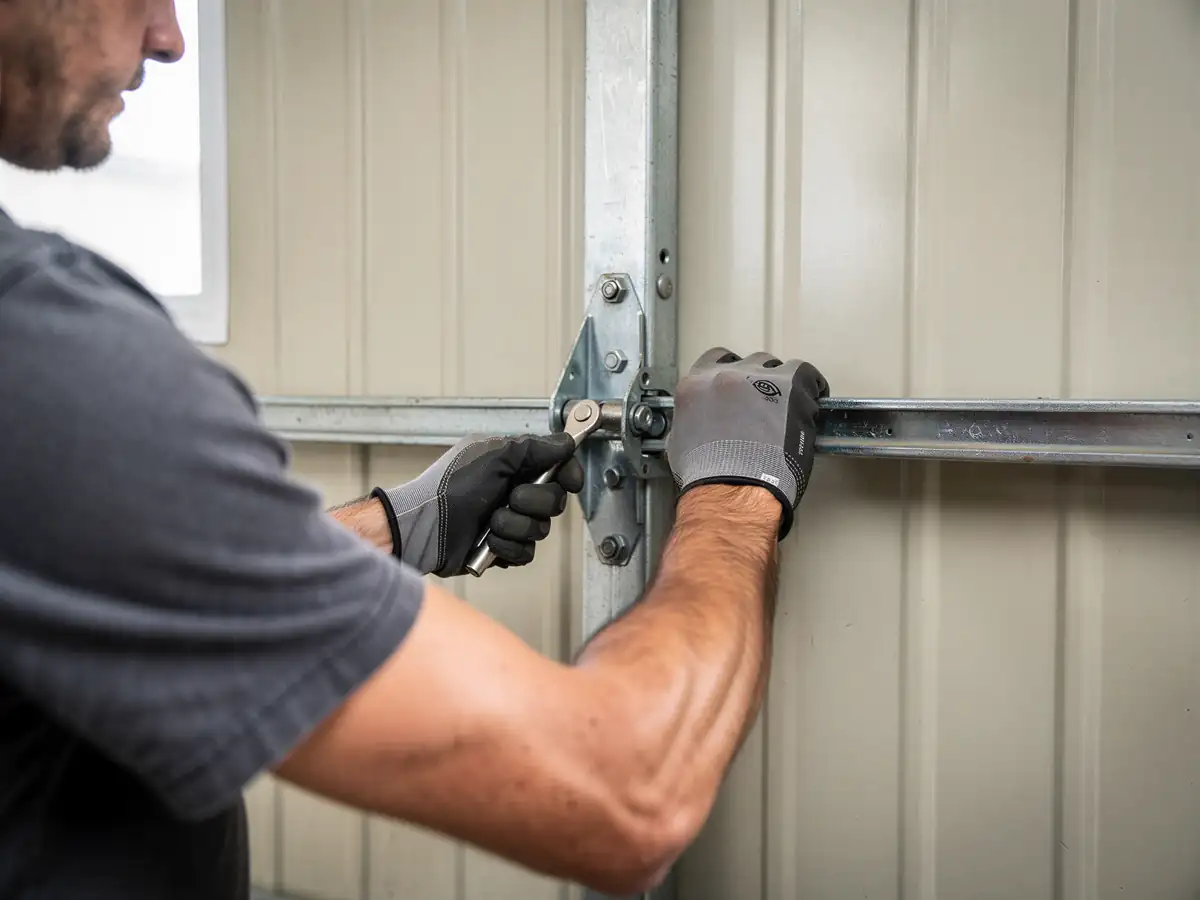
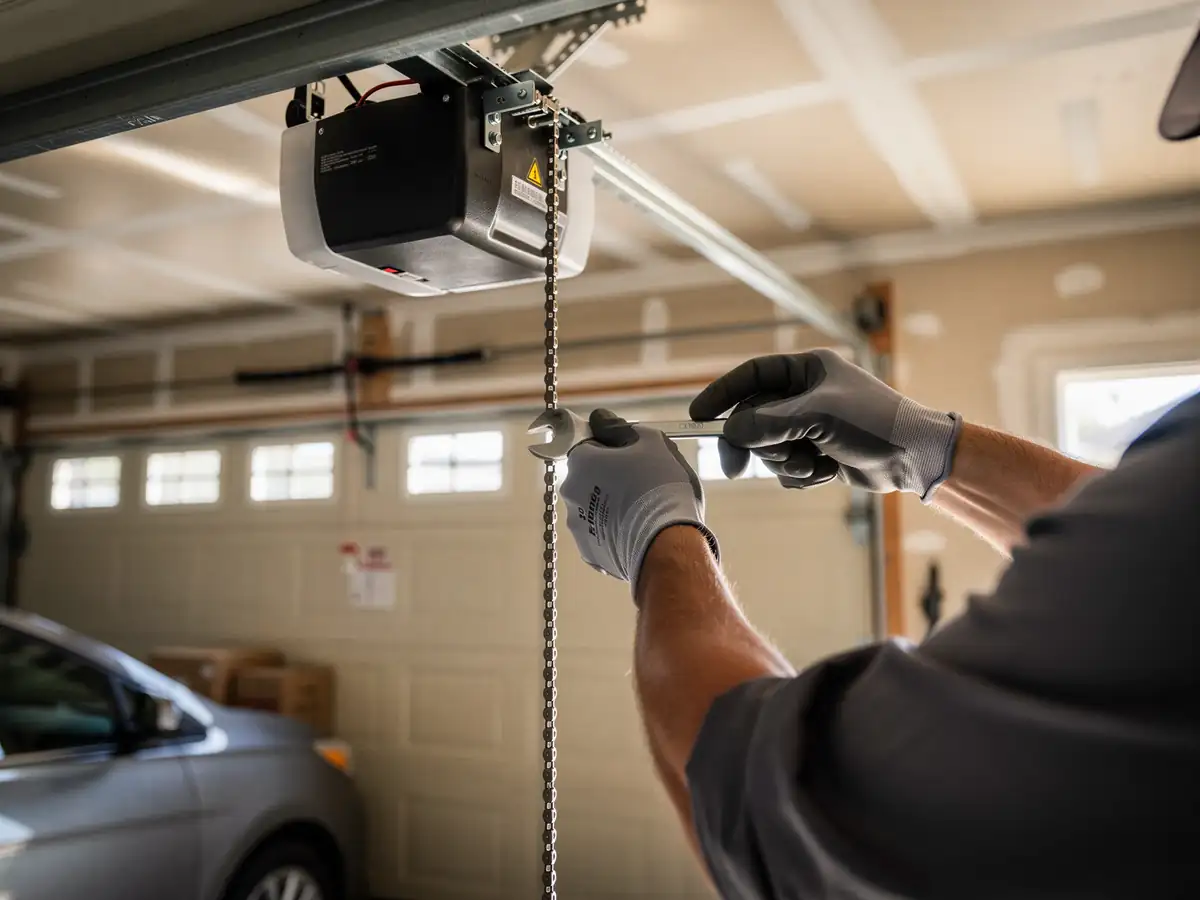
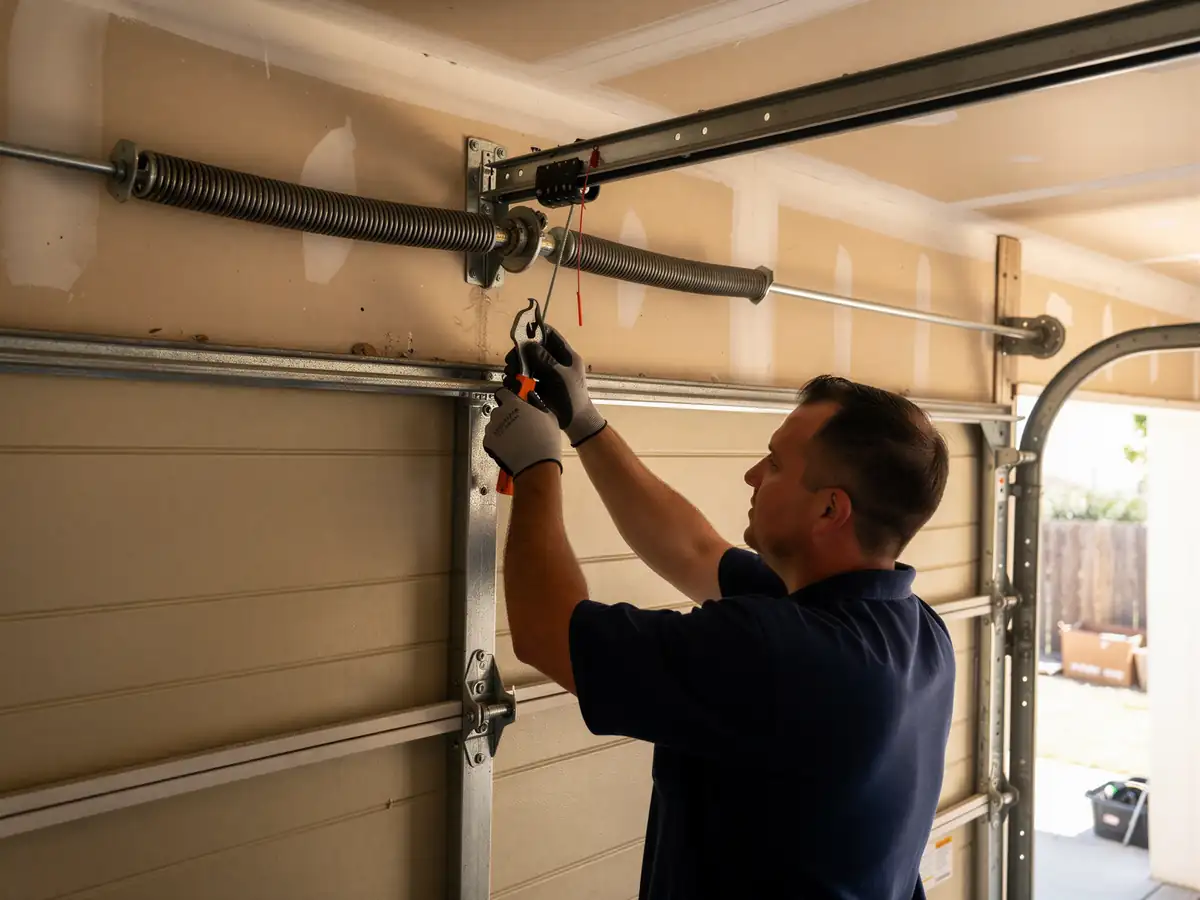
A homeowner can usually spot a damaged panel and decide it needs attention - that part's easy. Swapping it isn't, mainly because of the spring. Any garage door with the spring still loaded is storing enough force to cause a serious injury if you remove hardware in the wrong order, and on a 30-year-old door the spring and cables are old enough that we'd rather release that tension ourselves. If the panel is cosmetic - a scrape that doesn't go through the metal - that's a paint-and-live-with-it call you can make yourself. If it's cracked, dented through, or the bottom seal panel is rusting out, that's a job where matching the part and handling the spring safely matters more than saving a service call.