Time on the Job
Mineral Springs sits about 3 miles from our shop in Waxhaw
Which puts most calls here inside a short drive rather than a long haul across the service area. The houses we see most often went up around 1991, the median build year for this pocket, and that number matters more than the mile count. A door that's been running on its original springs and rollers for over three decades is not a question of if it fails, it's which part goes first. With 1,188 households in this area, we're not dealing with a handful of outlier homes - this is the dominant housing stock here, and it means the same handful of original parts keep showing up on our tailgate.
- 3 miles
- 1,188 households
We don't keep a crew stationed in Mineral Springs
We run out of Waxhaw and cover this stretch as part of the regular route, so we're not promising a same-hour window here - just that when we show up, we've usually already guessed what's broken before we open the garage.
What Causes It Around Here
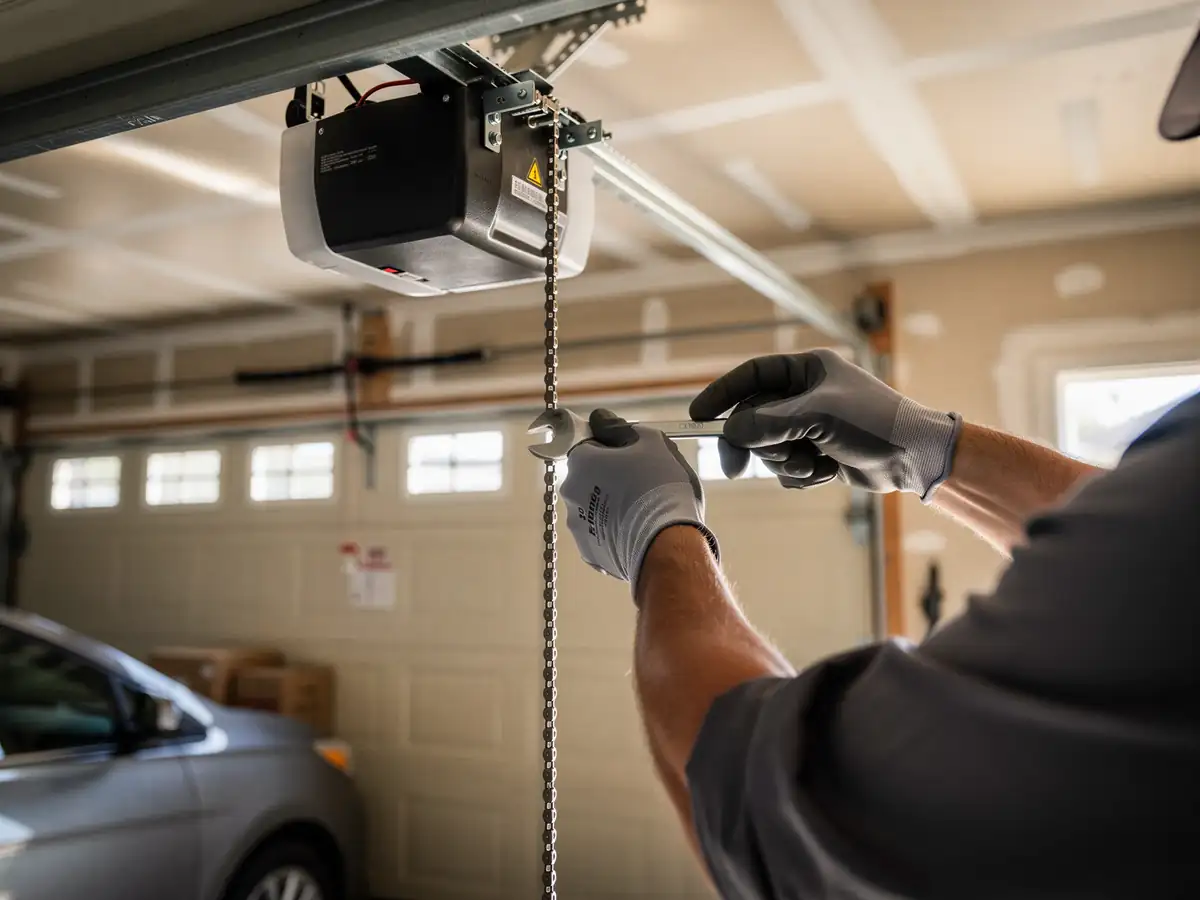
A door installed around 1991 was built to the standards and materials of that era, which means steel rollers instead of nylon, single-torsion-spring setups on many single doors, and openers with chain drives that have long since outlived their design life. None of that is dramatic - it's just metal and plastic doing thirty-plus years of work. Add in the cold-moderate climate band this area falls into, with real winter swings, and the grease in those original rollers and hinges thickens up, torsion springs lose a bit of tension cycle after cycle, and metal fatigue sets in on components nobody's touched since the house was framed. It's not one dramatic event. It's cumulative wear finally catching up to a part that was never swapped out.
The Complications
The complication with 1991-era doors isn't the failure itself, it's what the failure reveals. Pull a dead opener off a door this old and you often find the track bent slightly out of plumb, or hardware that was installed to a code cycle that's since changed. Median household income in this area sits at $88,203, which tells us most owners here are not shopping bottom-dollar parts - but it also means a straightforward spring swap can turn into a conversation about whether the track, the bottom bracket, or the opener mount needs attention too, because none of it was ever upgraded. We won't pad a simple job to make it bigger. But we will tell you honestly if the part you called about isn't the only one close to the end of its life.
How It Shows Up
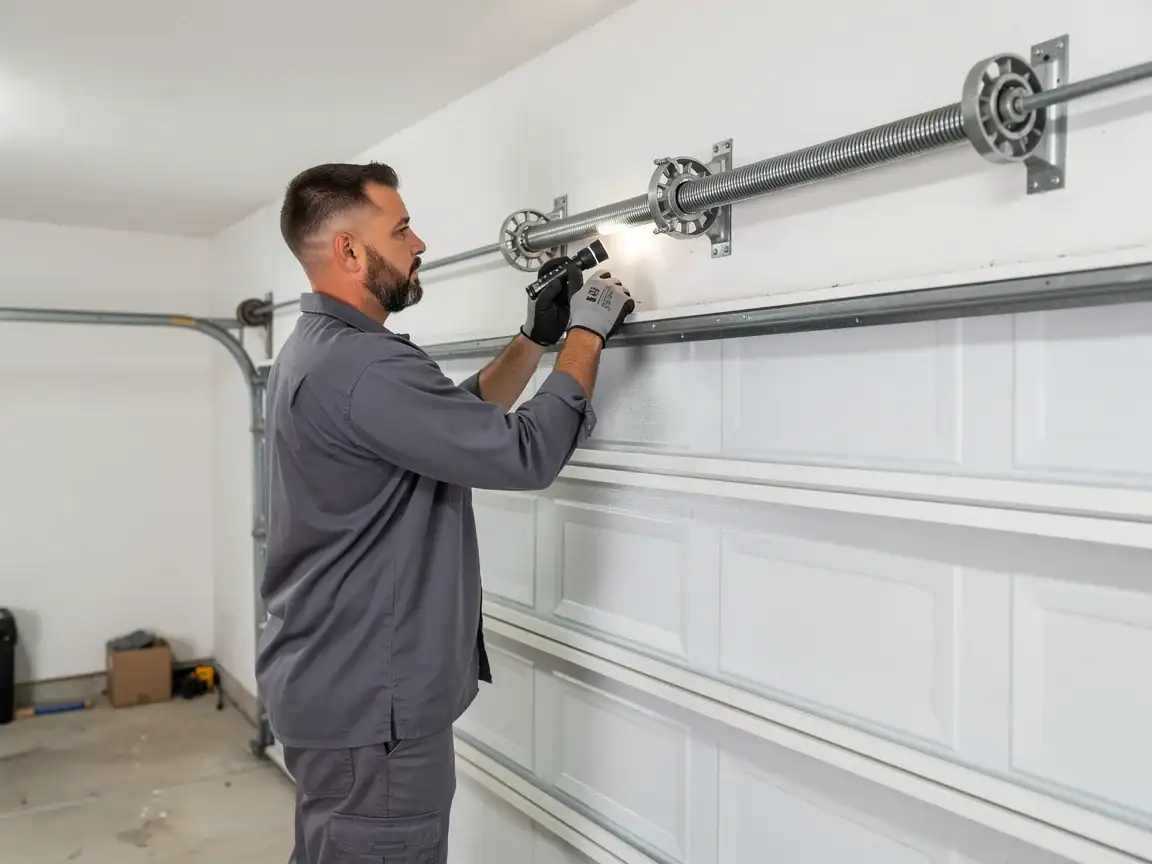
The first sign is usually noise - a grinding or a hard clunk partway through the cycle, which on original 1990s hardware is often a roller finally giving out after decades in the track. The second is a door that starts to lean or sag on one side as it opens, a sign the torsion spring has lost tension unevenly. Some owners notice the opener straining, taking longer to lift, or reversing partway - that's a motor compensating for spring tension it was never asked to overcome when the house was new. None of these show up overnight. They build for months, which is why by the time we get the call, it's rarely just one part at fault.
The DIY Question
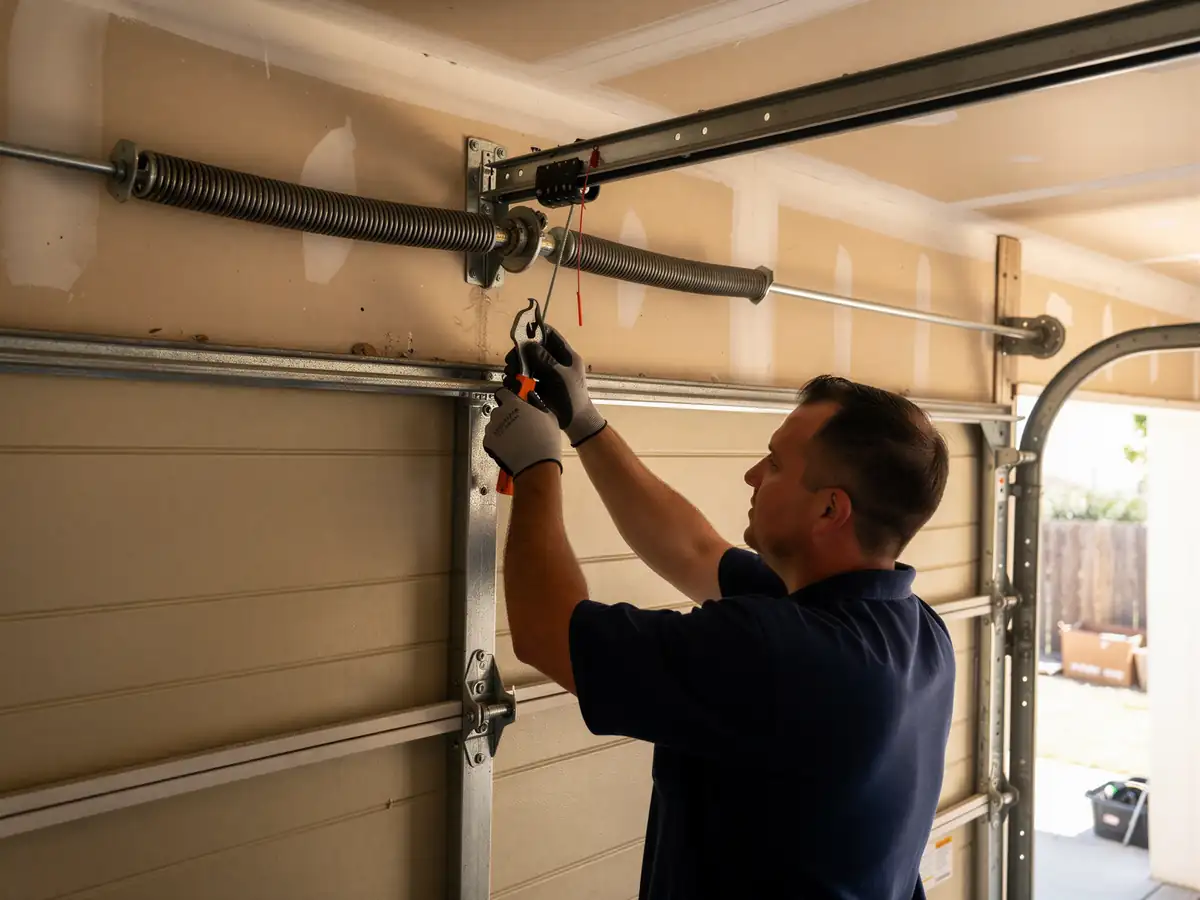
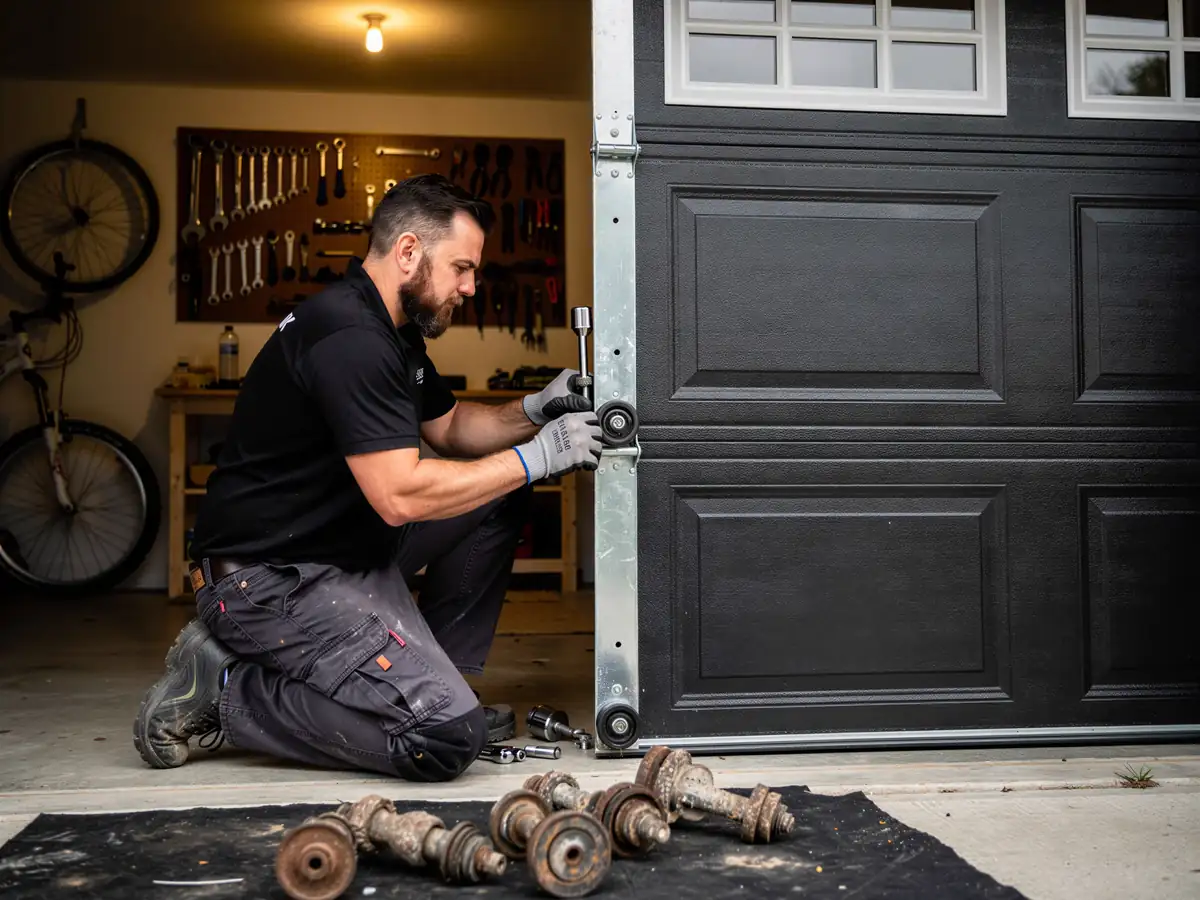
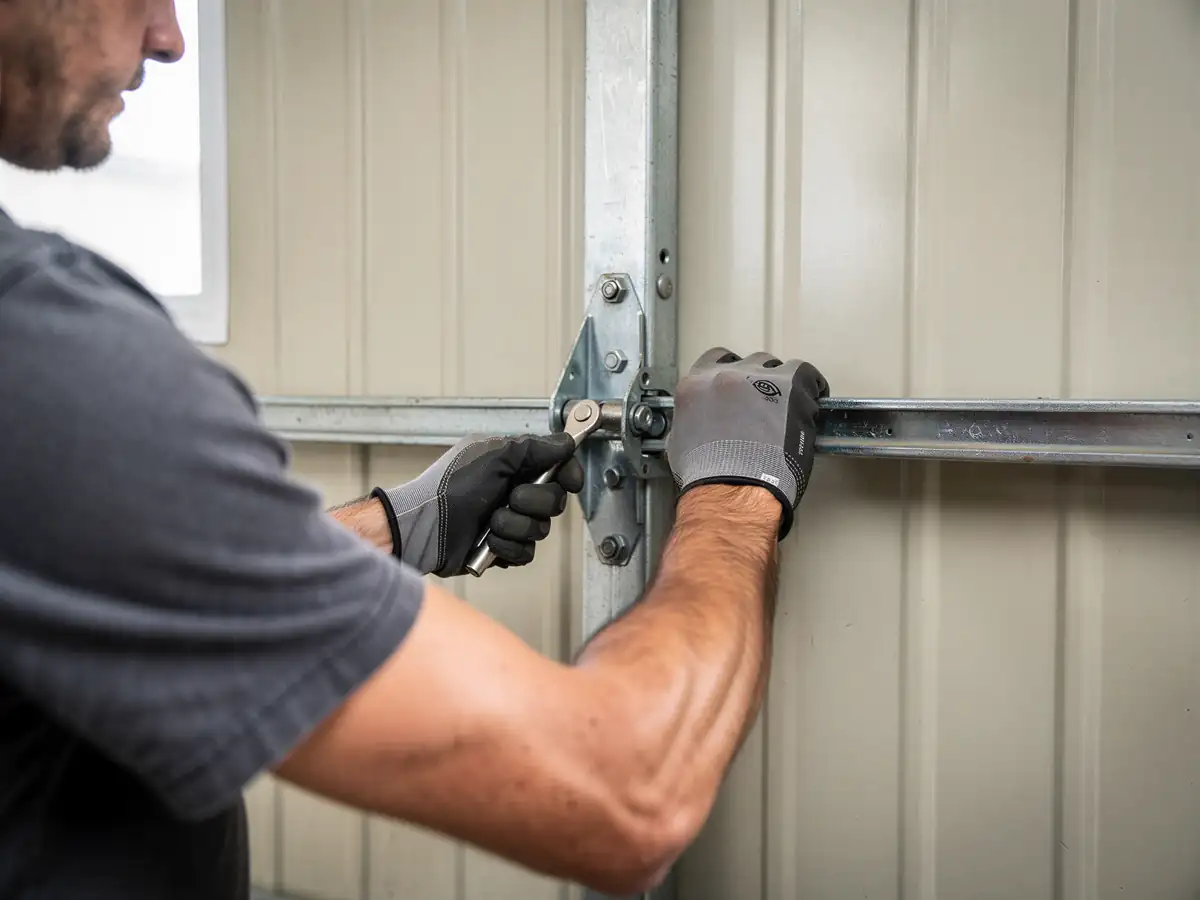
Torsion springs are not a DIY repair, full stop - the tension stored in a spring sized for a door built in 1991 can cause real injury if you don't have the bars and the experience to wind it safely. Rollers, lubrication, and tightening loose hardware are fair game for an owner with a ladder and some patience. Where we draw the line honestly: if your opener is original to a 1991 build, don't spend money diagnosing the logic board. Parts for motors that old are often simply not available anymore, and a repair bill on a dead unit can get close to replacement cost fast. That's not us pushing a sale - that's the math on hardware this age.