Stocked Parts
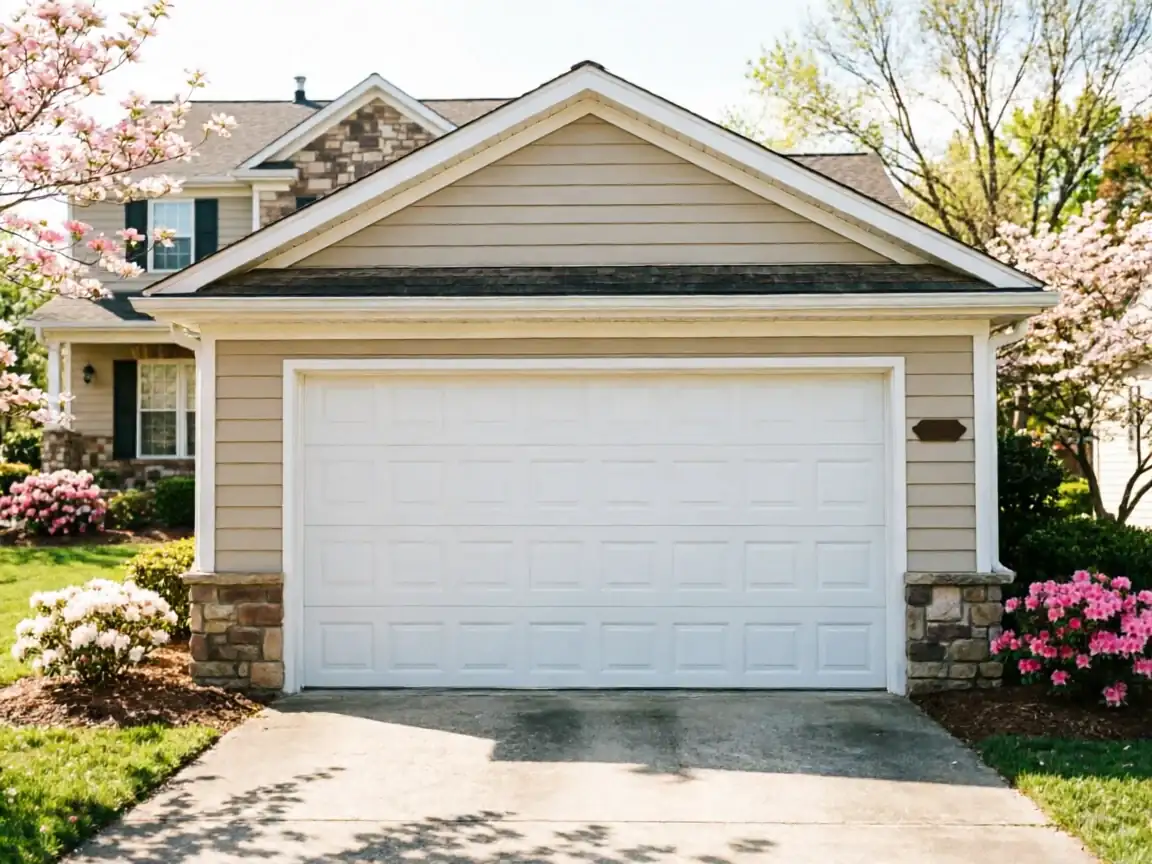
Unionville's median year built sits at 1993
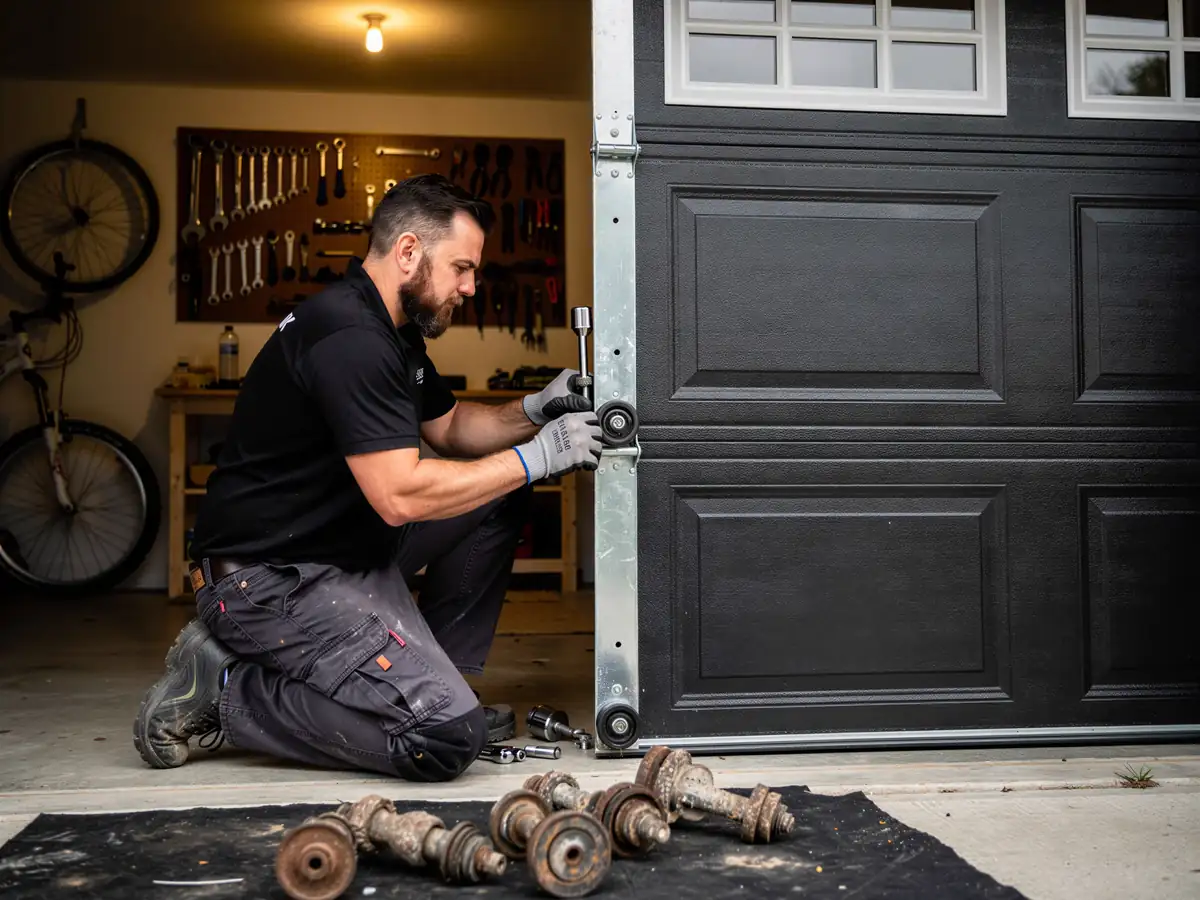
Which puts most doors here on the builder-grade hardware that was standard through the early-to-mid '90s: stamped steel rollers riding bare steel track, no bearing seal, no stem coating. That hardware wears loud and it wears fast - the steel-on-steel contact grinds a groove into the roller stem over a decade or two, and the door starts binding in the track instead of sliding through it. We carry sealed 10-ball nylon rollers sized to fit that same 1990s track width, so the swap doesn't turn into a track replacement too. We also stock the longer-stem version that a lot of those original doors used on the bottom two panels, since that's the spot that takes the most flex and fails first. What we don't stock is anything custom-cut for a door panel that's been modified or replaced piecemeal over the years - if your door's had panels swapped from a different manufacturer, we'll need to look at it in person before we quote parts.
We make the trip out from Waxhaw, about 16 miles
With rollers for both quarter-inch and half-inch stem widths loaded on the truck, since both showed up in that era depending on the builder.
- 16 miles
How It Shows Up
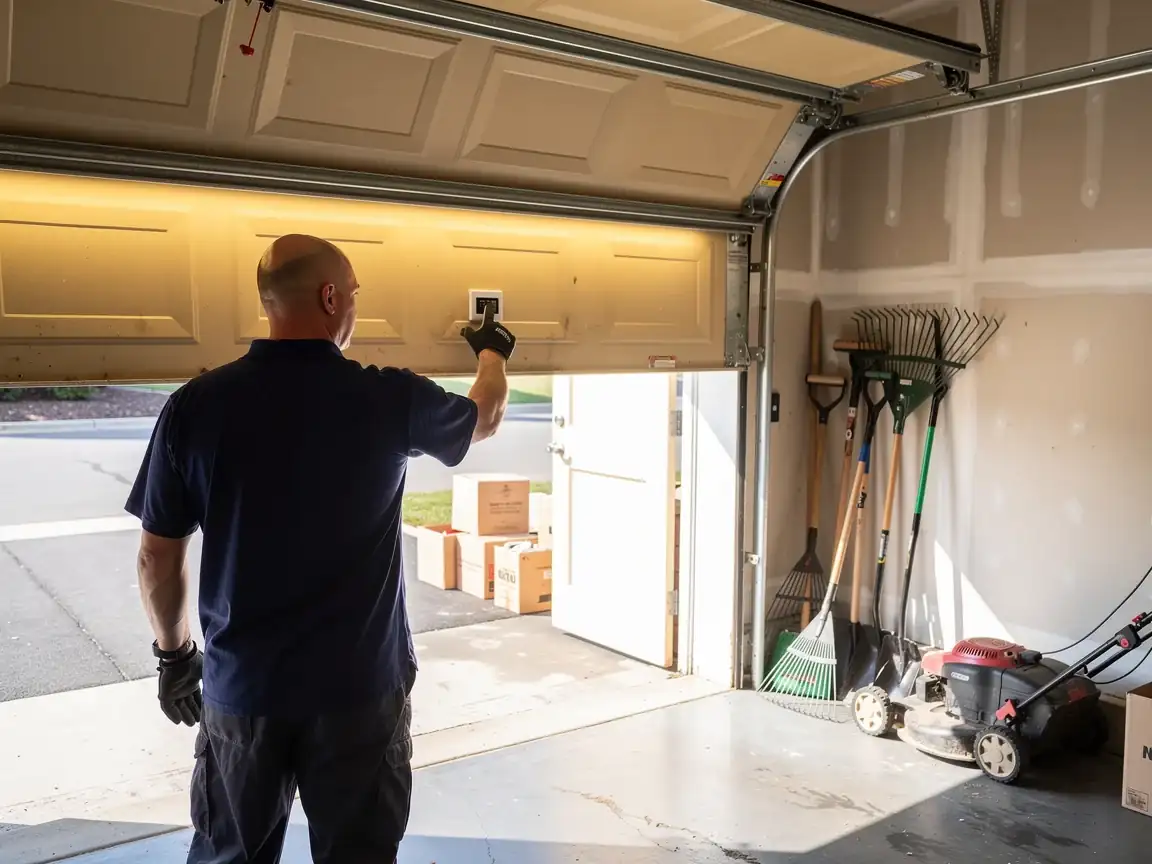
The complaint we hear from this part of the service area is almost always noise before it's ever a safety issue: a grinding or popping sound as the door travels, worse in cold weather. That's not coincidence. The climate here runs a cold-moderate band, and steel rollers with no bearing seal tighten up and groan more on the first cold mornings than they do in summer. If the sound has gone from occasional to constant, or you're seeing a roller sitting crooked in the track rather than running flush, that roller has likely already worn past the point where lubricant fixes it.
A second pattern: doors that jump or shudder right at the same spot every time they pass a certain point in the track. That's usually one specific roller that's cracked or flat-spotted, not the whole set - though on a door built in the early '90s, if one's gone, the rest aren't far behind, since they were all installed the same week and carry the same mileage.
Getting It Booked In
Call it in, tell us the door's rough age if you know it - if the house was built close to 1993, that alone tells us which roller stem and track width we're likely dealing with before we arrive. We're coming from Waxhaw for every Unionville job, so there's no local branch to route you to; one crew handles the call start to finish. Have the door's reaction noted - does it happen at the same spot, does it get worse in the cold, does one side sound different from the other - since that narrows down whether this is a full roller set or just the two or three that took the worst of the wear.
What the Fix Involves
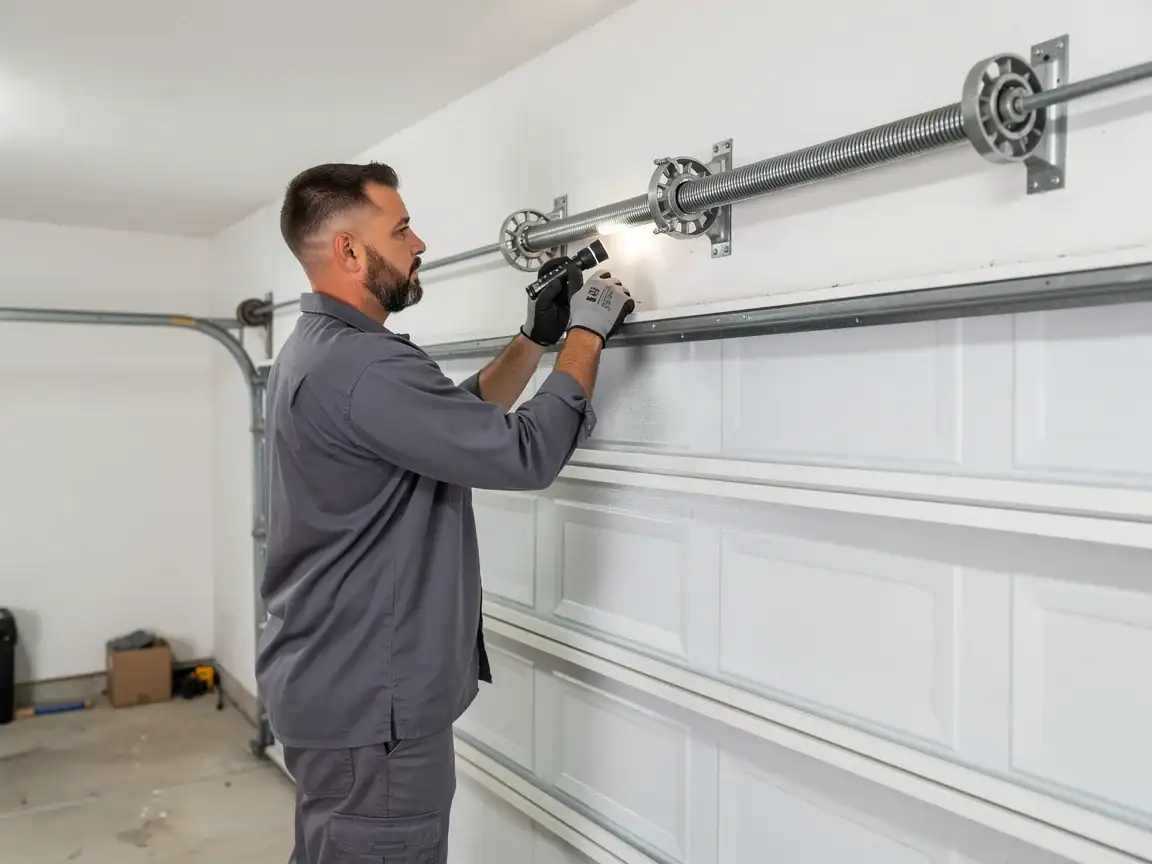
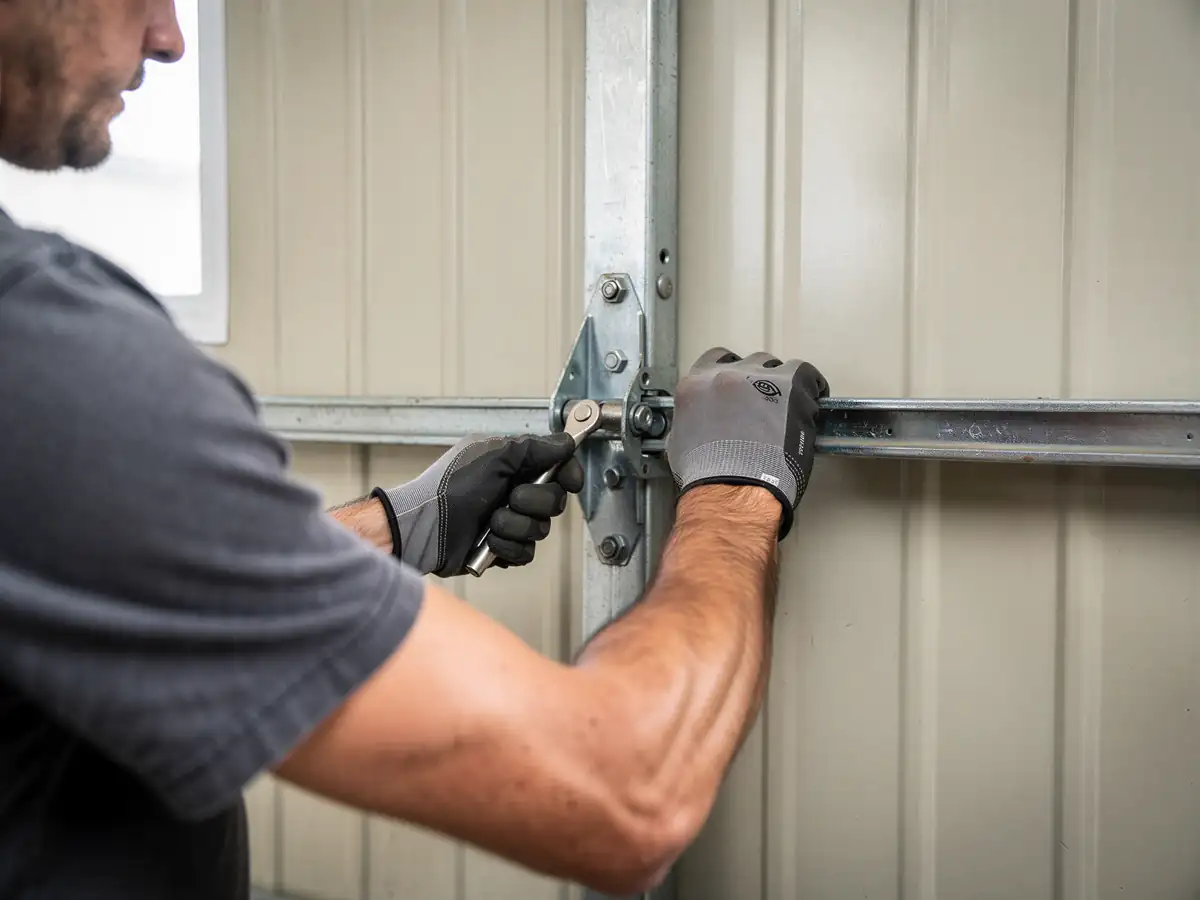
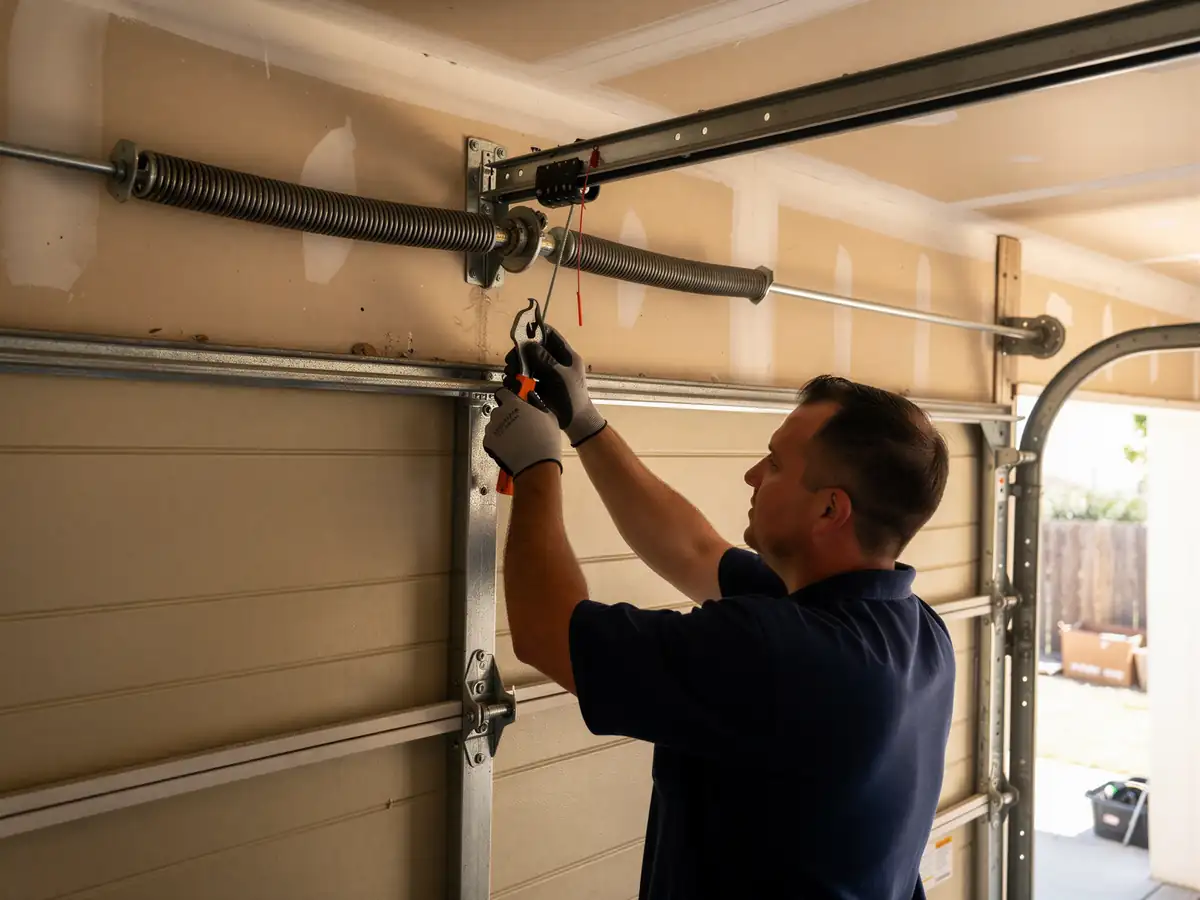
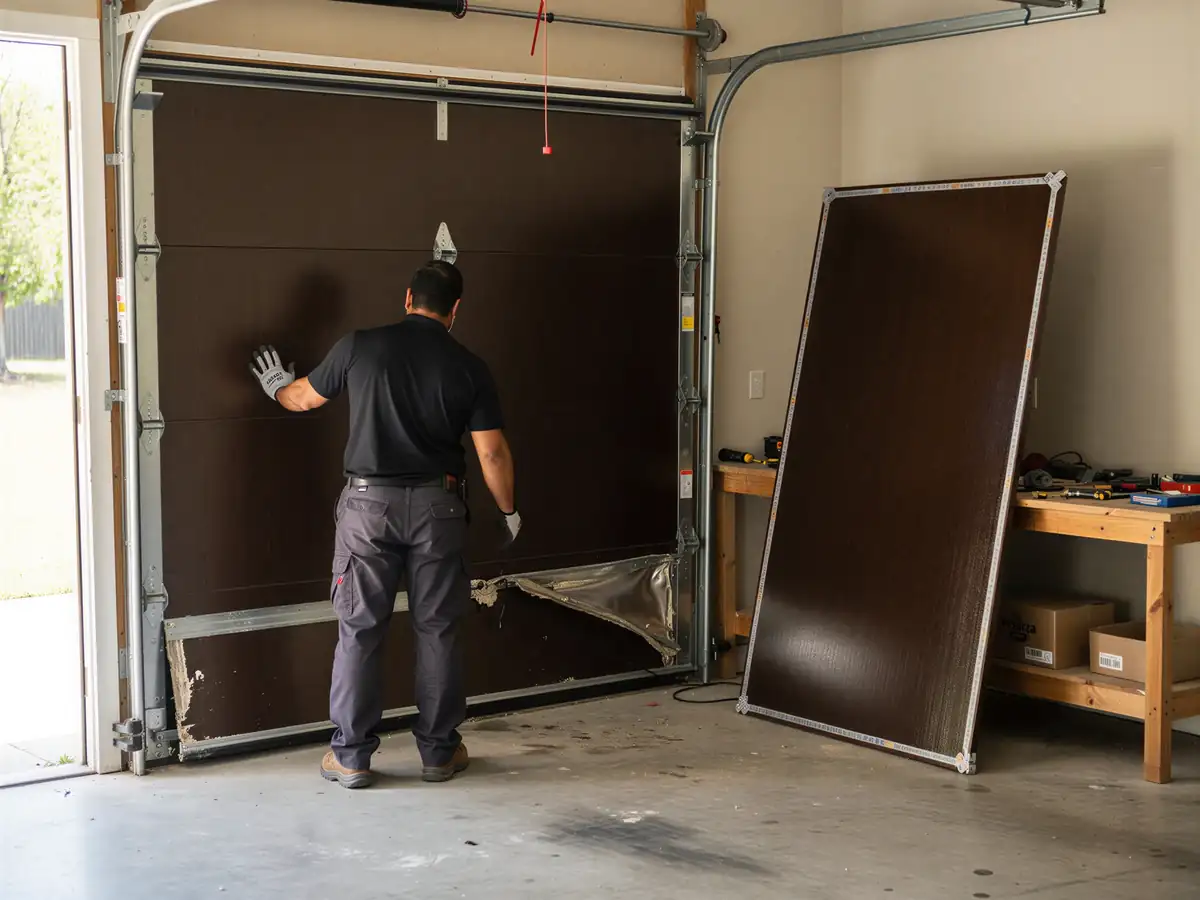
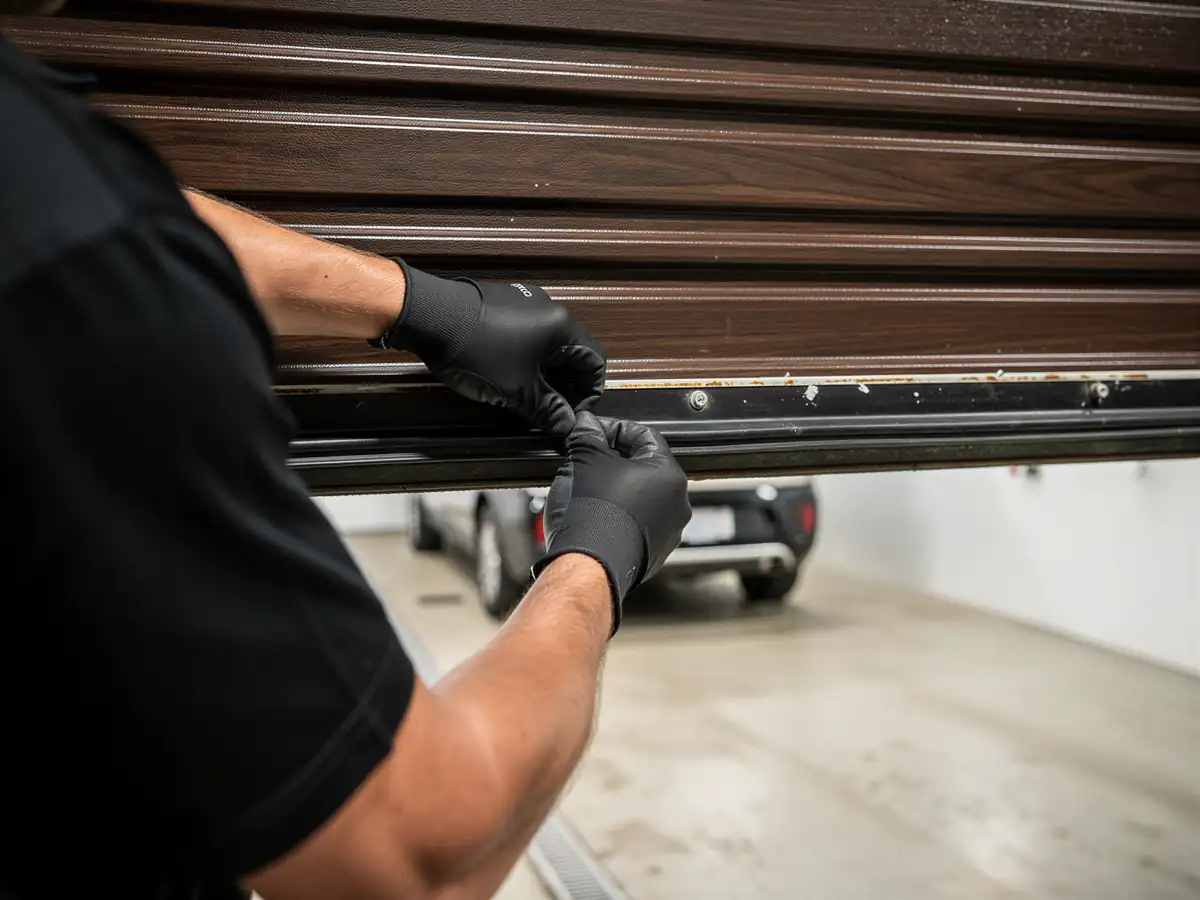
We pull the door section by section, starting at the bottom, and swap each roller while the door's supported - not just yanking the whole set at once, which can let a panel drop on uneven track. Each new sealed roller gets checked against the stem width pulled from the old one, since even within houses built the same year we've seen both quarter-inch and half-inch stems depending on which manufacturer the original builder used. Hinges get inspected while they're off; a hinge bent from thirty years of a dragging roller sometimes needs replacing alongside the roller itself, or the new roller just wears the same way inside a few years. One honest limit: if the track has rusted or pitted badly - more common on doors from this era that never got the stem lubricated - roller replacement alone won't quiet the door down, and we'll say so rather than sell a fix that doesn't hold.