How It Shows Up
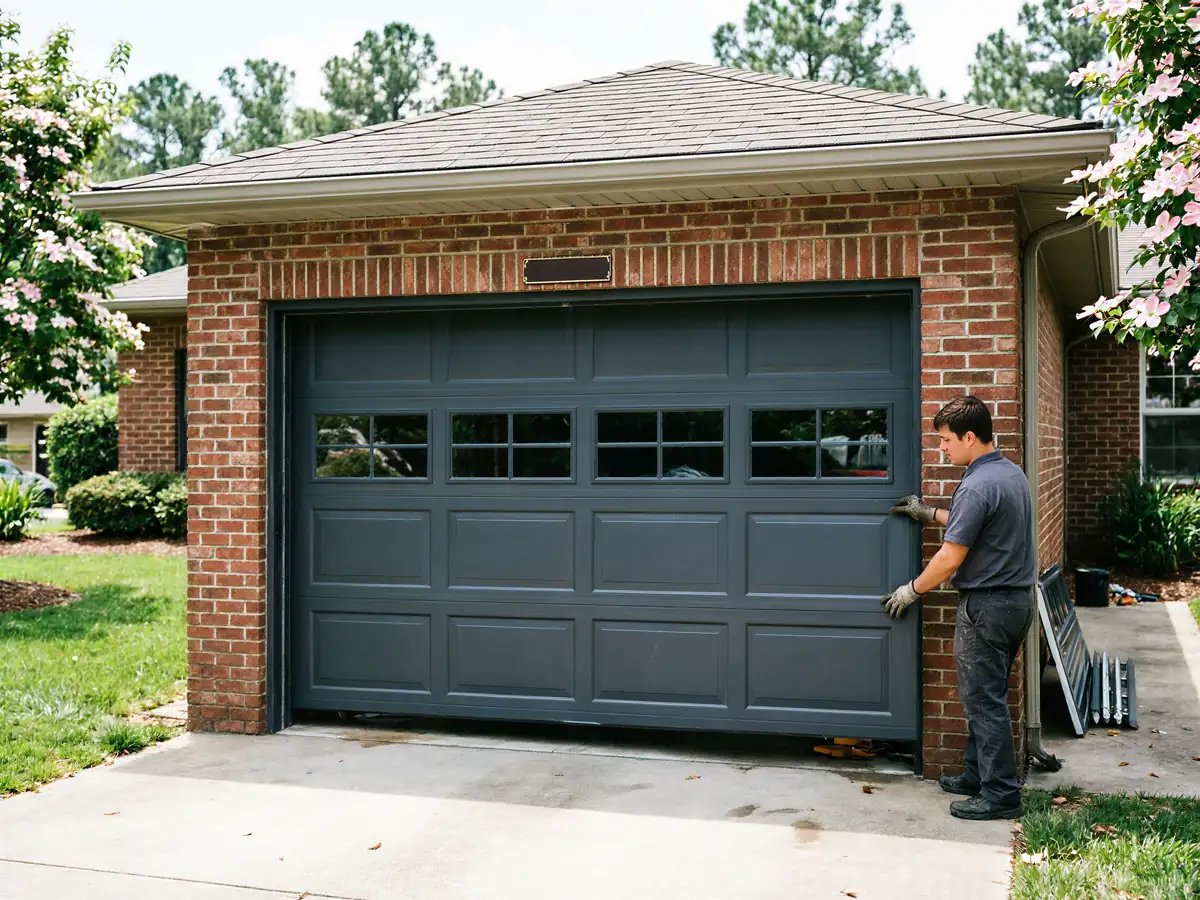
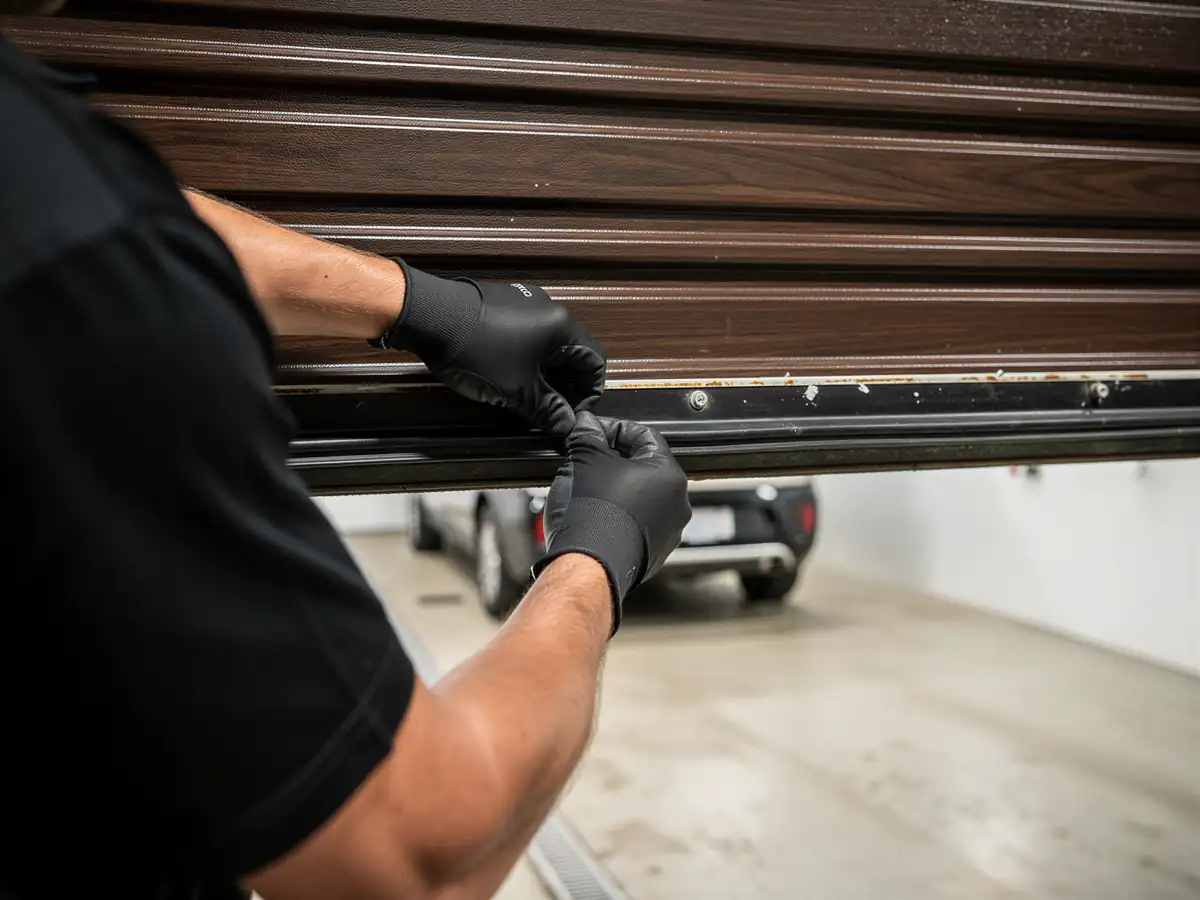
A door that's been working since 1993 is now over thirty years old, and at that age the failure is almost always the torsion spring giving out, not the opener. You'll hear it as a loud bang in the garage, or the door just won't lift past a foot off the floor and the opener motor strains and clicks. The cold-moderate climate out this way means steel springs lose a bit of tension every winter freeze-thaw cycle, and on hardware that's already three decades old, that's often what finally snaps it. The other common pattern on houses from this build era is worn rollers on the original track - nylon rollers from the early '90s weren't built to last this long, and you'll notice the door rattling or catching partway up. Cables fraying near the bottom bracket show up too, usually on doors that have never had the cable replaced since the house was built. None of this is mysterious. It's thirty-year-old steel and nylon doing exactly what thirty-year-old steel and nylon does.
Getting It Booked In
We run out of Waxhaw, and Unionville is a 16-mile drive from there, so when you call we build that travel time into the window we quote rather than promising you something we can't back up with a truck that's already across town. We'll ask what the door is doing - won't open, won't close, makes noise, stuck halfway - because that tells us which parts to load before we leave, which matters more here than it would somewhere closer, since a second trip back for a part costs you the whole day. If it's a spring or a cable, that's usually a same-visit fix once we're there. If it's an opener board or a part that has to be special-ordered for an older or less common model, we'll say so on the phone, not after we've already made the drive.
What the Fix Involves
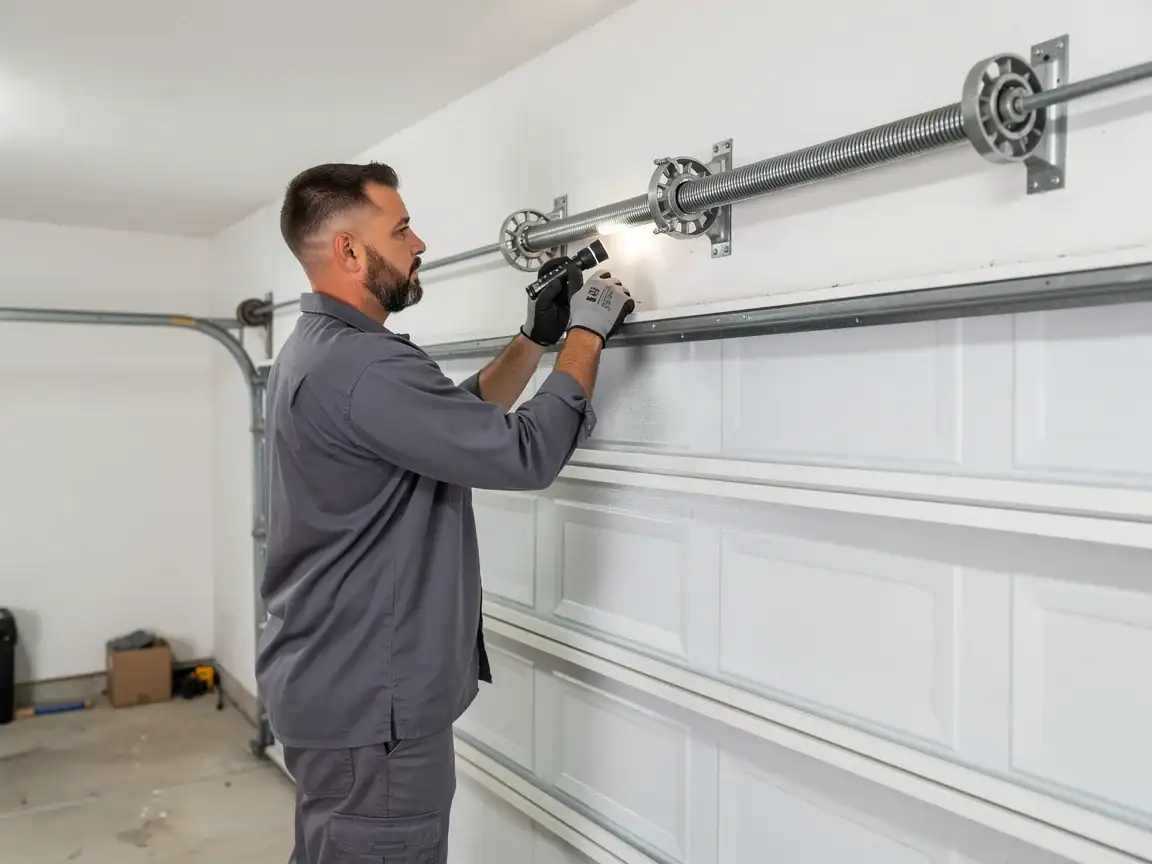
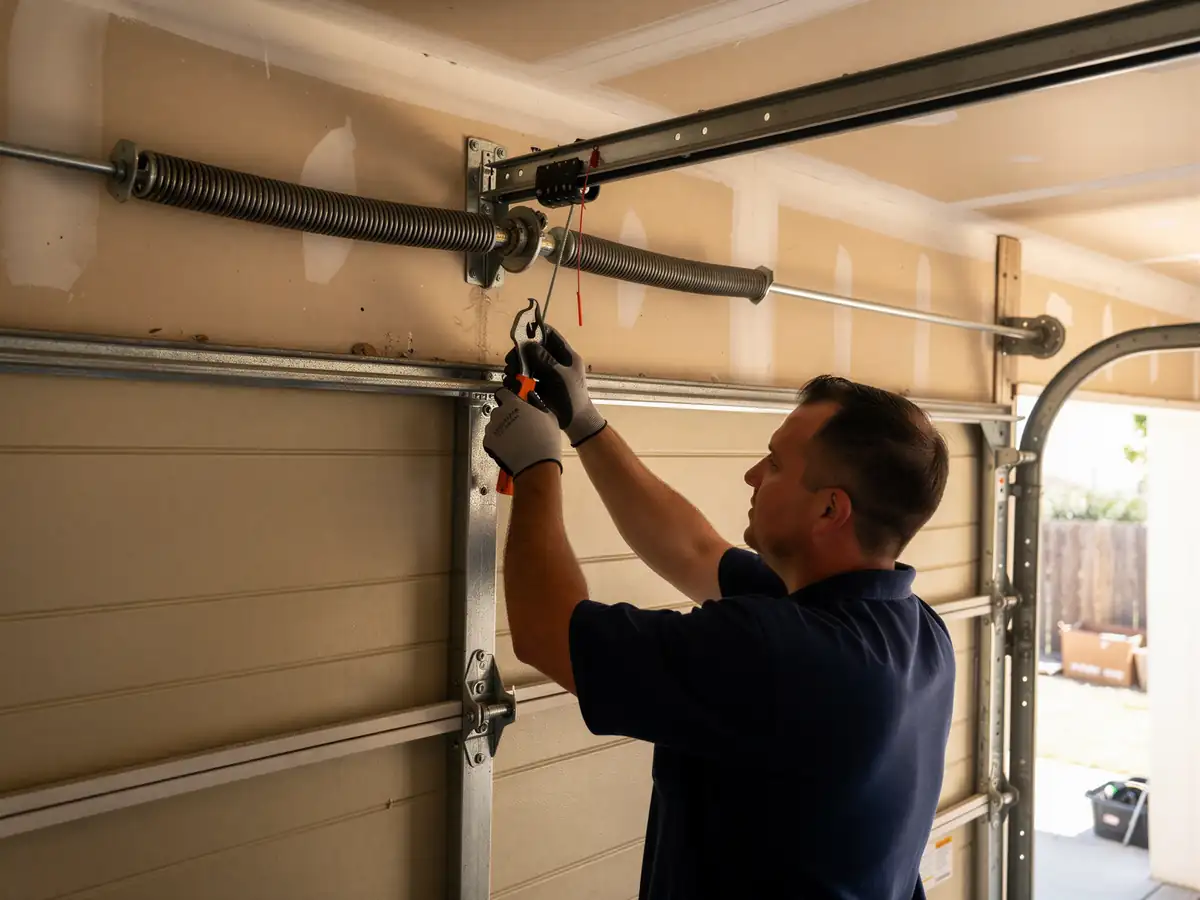
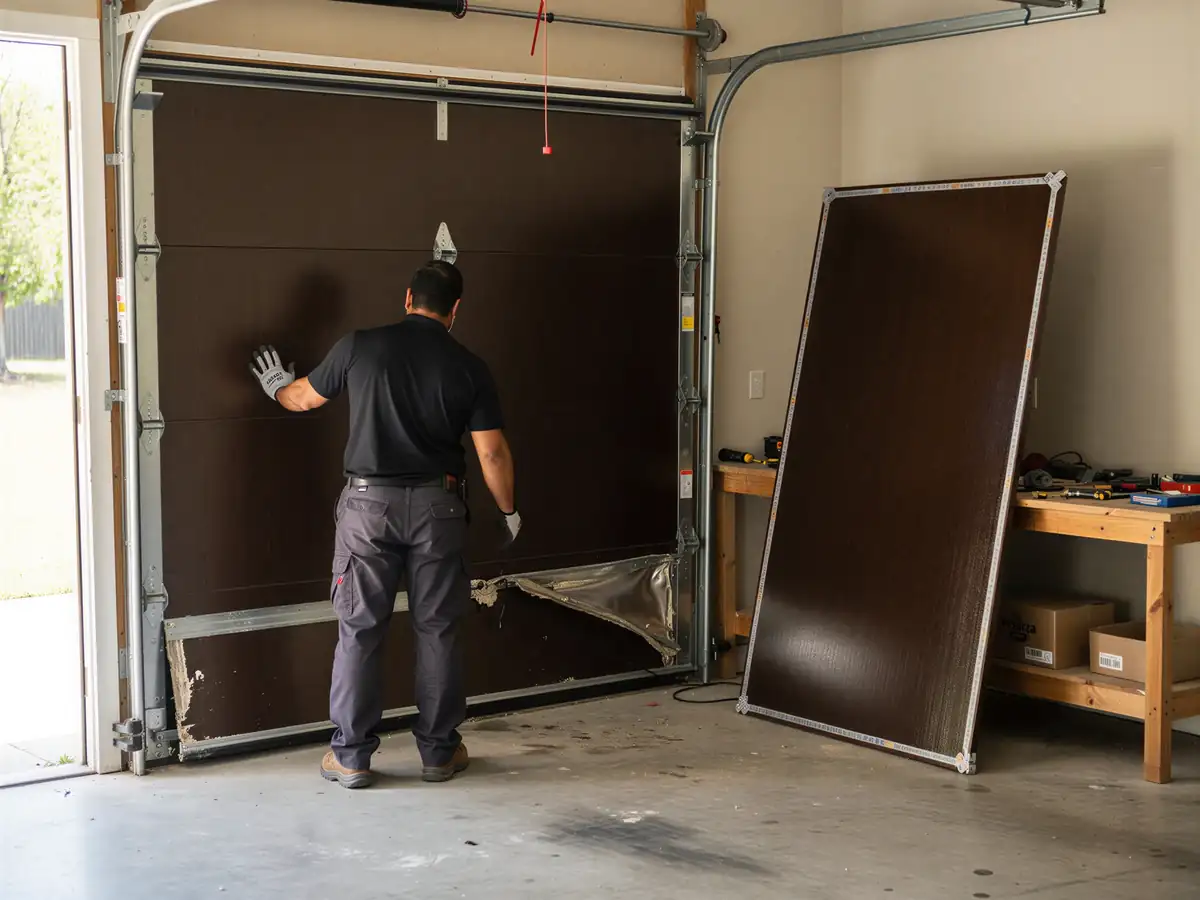
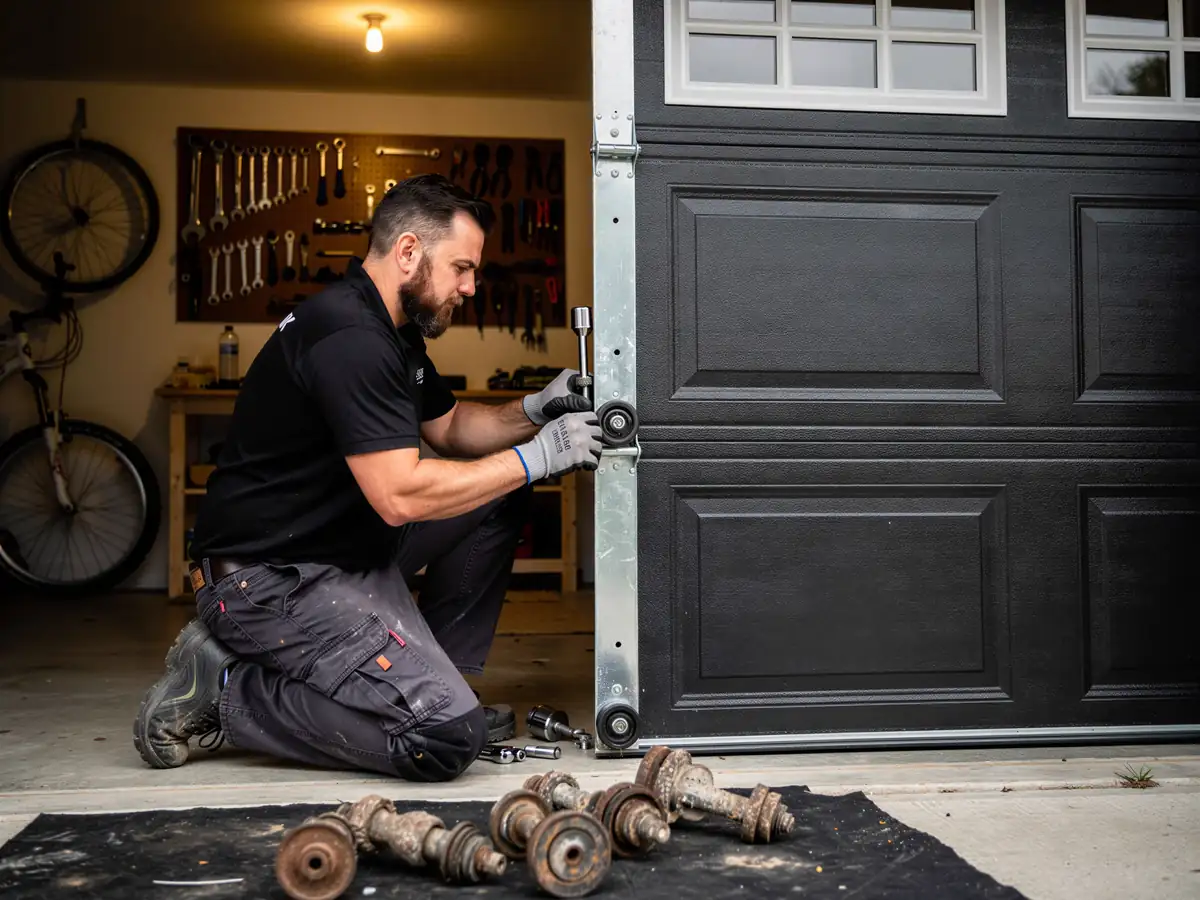
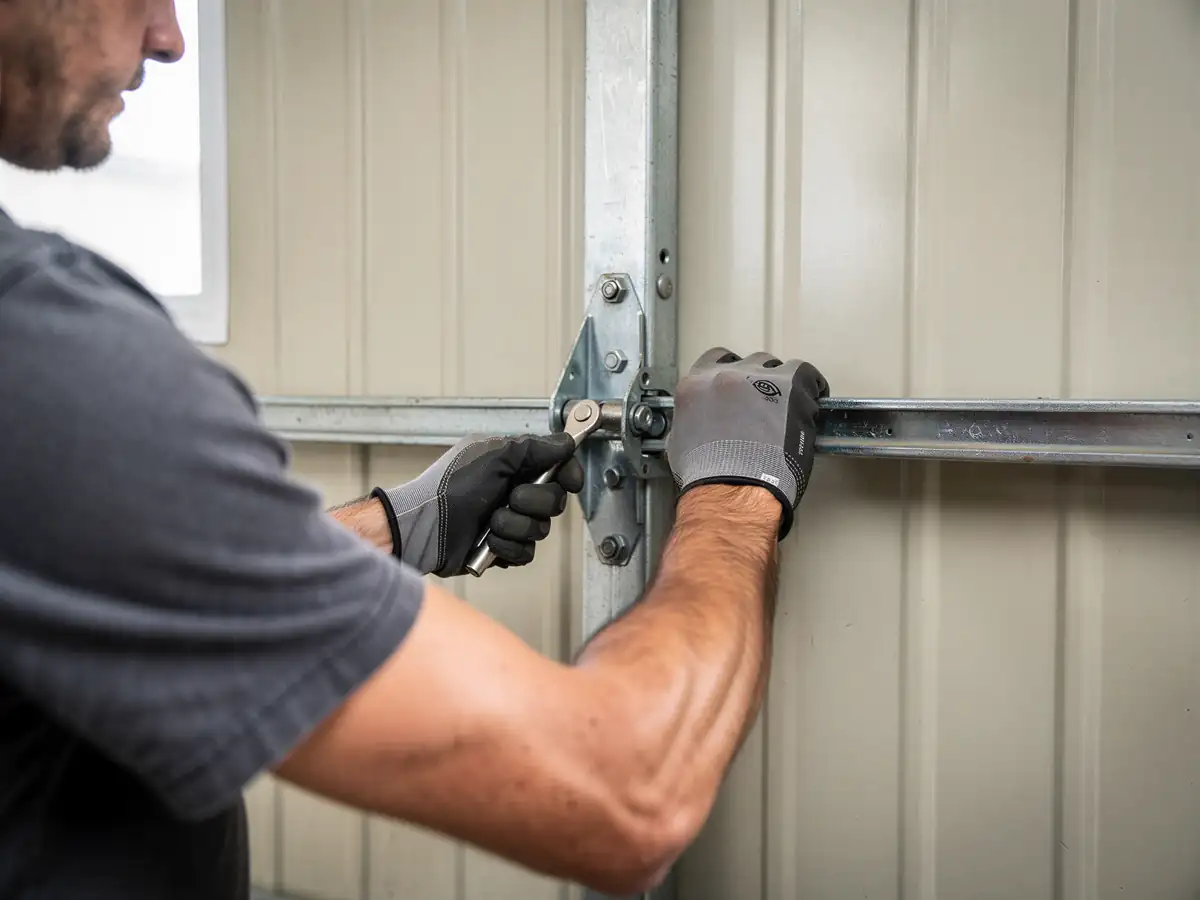
For a torsion spring, that means winding down the old spring under tension, pulling it off the shaft, and setting a new one matched to the door's weight and the drum size on the original hardware - not a universal part, because doors from this build era vary enough in weight that the wrong spring either won't lift the door or will over-torque the opener trying. For cables, we replace both sides even if only one has frayed, since the other is carrying the same age and the same wear. Roller swaps are straightforward unless the track has to come off to true it up first. One honest limit: if the door panel itself is rusted through at the bottom or the wood trim on an older garage has rotted around the track, a spring or cable fix won't hold for long, and we'll say plainly when replacing the door makes more sense than patching hardware onto a panel that's failing on its own.