How It Shows Up
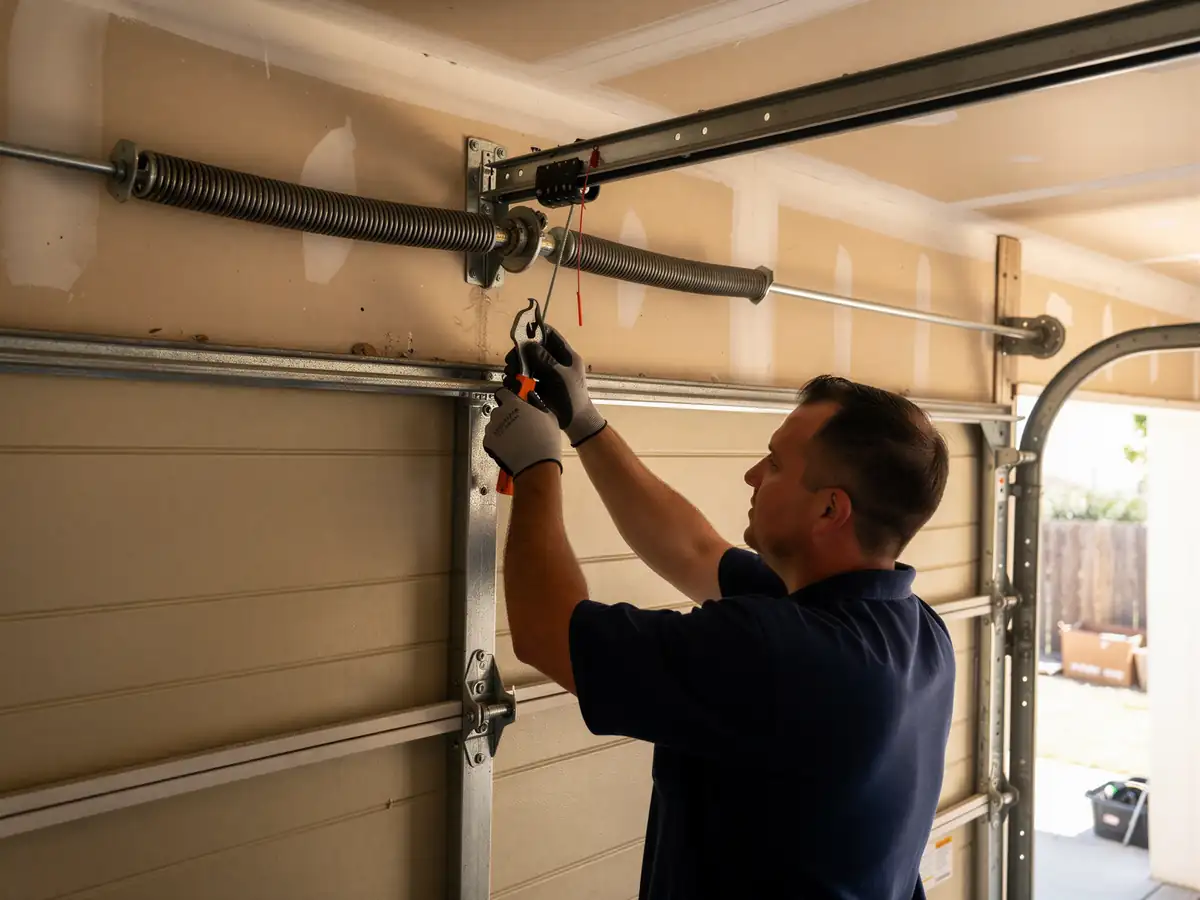
The complaint we hear most from this side of the service area is a door that groans going up, then slams the last foot coming down. That's a spring losing tension unevenly, and on a 1993-built door that spring has had three decades of temperature swings to work through. Cold mornings make it worse - the climate here runs a moderate cold band, enough that grease on the torsion shaft stiffens overnight and the opener has to fight through it before the door loosens up. Owners also mention a door that's started drifting off-track by an inch or two, which on these builds usually traces back to a roller bracket that's loosened from the same decades of flex, not anything dramatic.
Getting It Booked In
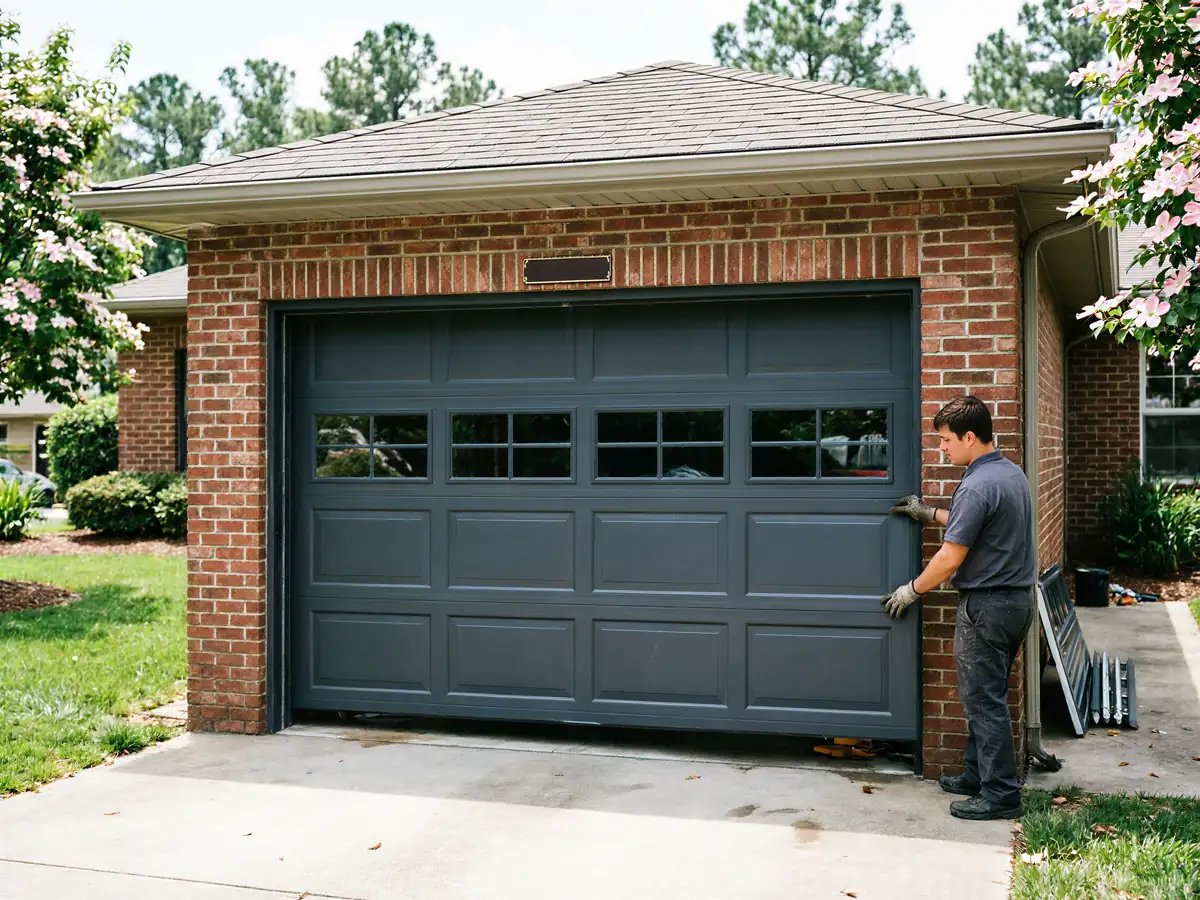
Unionville is about 16 miles out from our base in Waxhaw, so maintenance visits here get scheduled as a planned stop rather than an add-on to a same-day call. That's not a knock on the town - it's just the honest version of how routing works when you're not sitting next door. If you've got a door that's making noise but still opening and closing, booking ahead gets you on a day when we're already headed this direction. A door that's stuck shut or has come off the track entirely is a different category and worth a call regardless of the drive.
What the Fix Involves
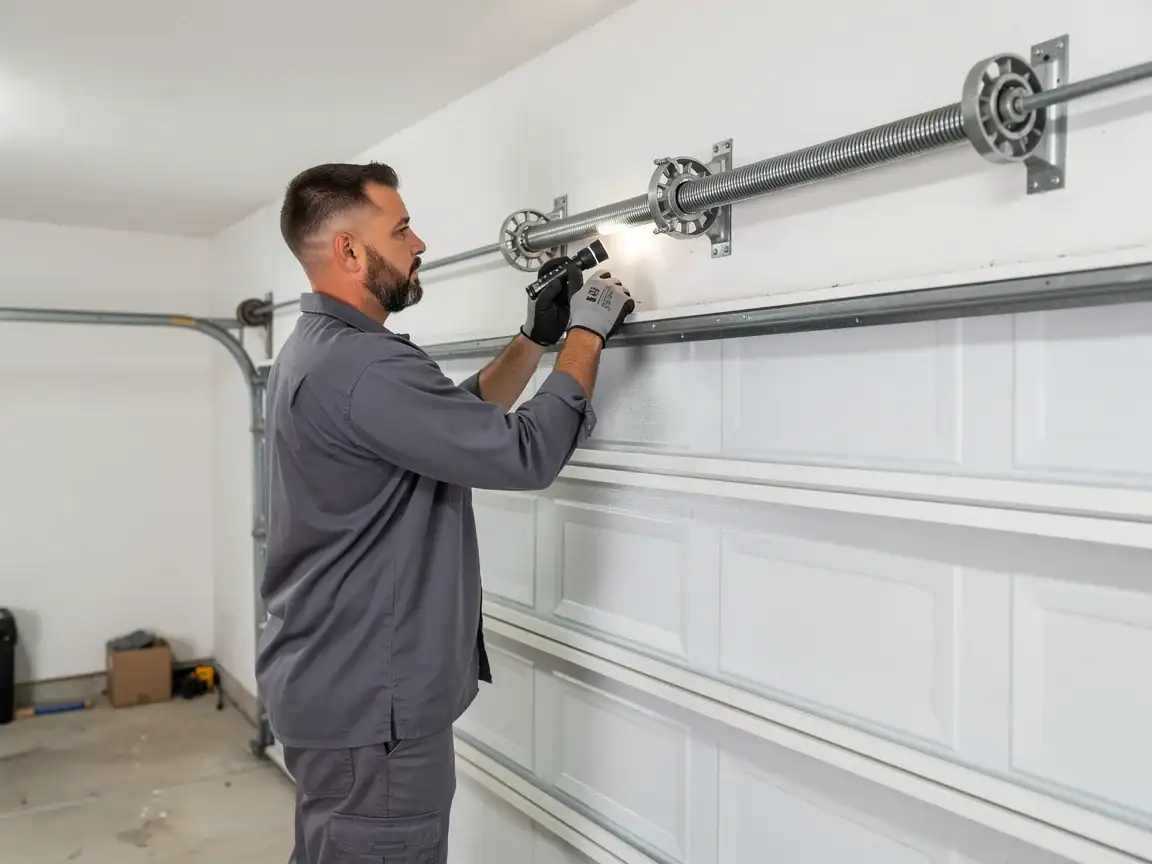
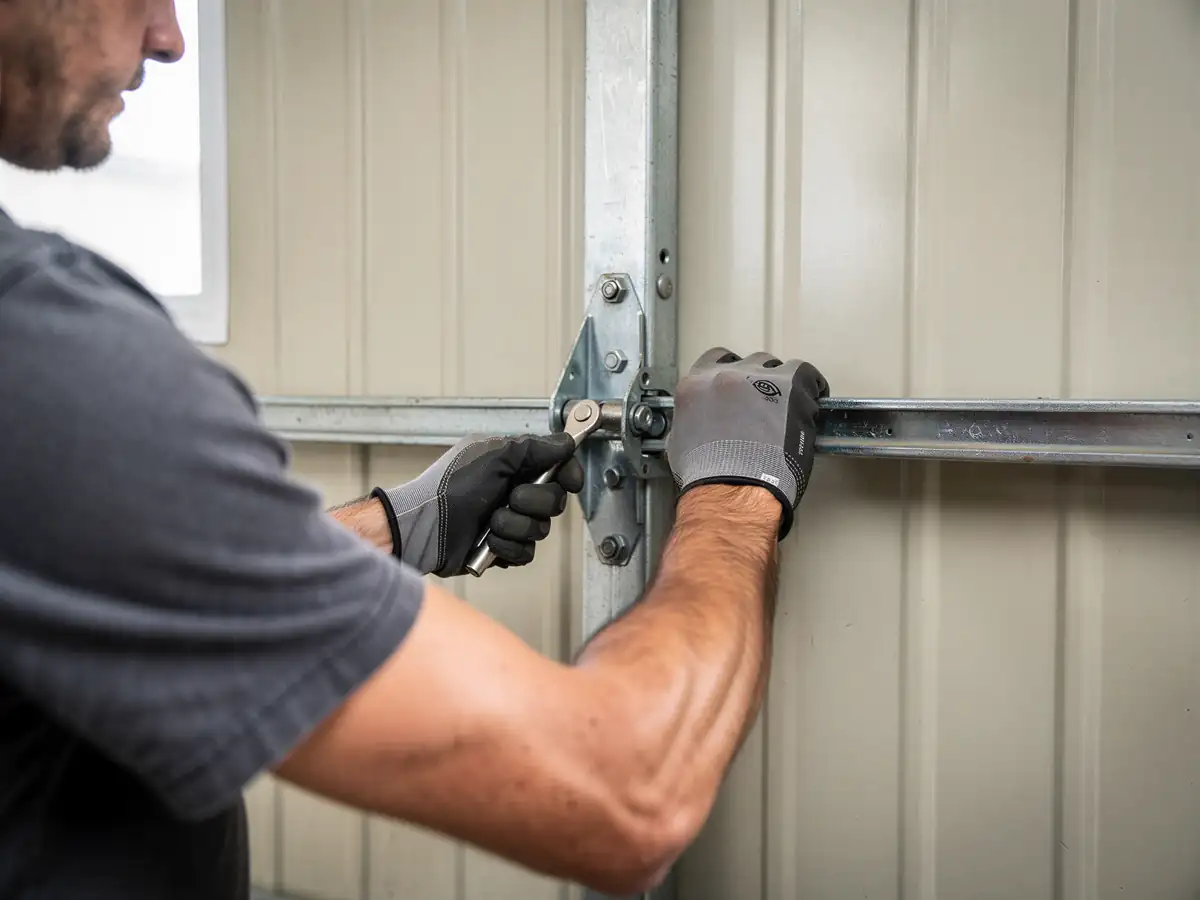
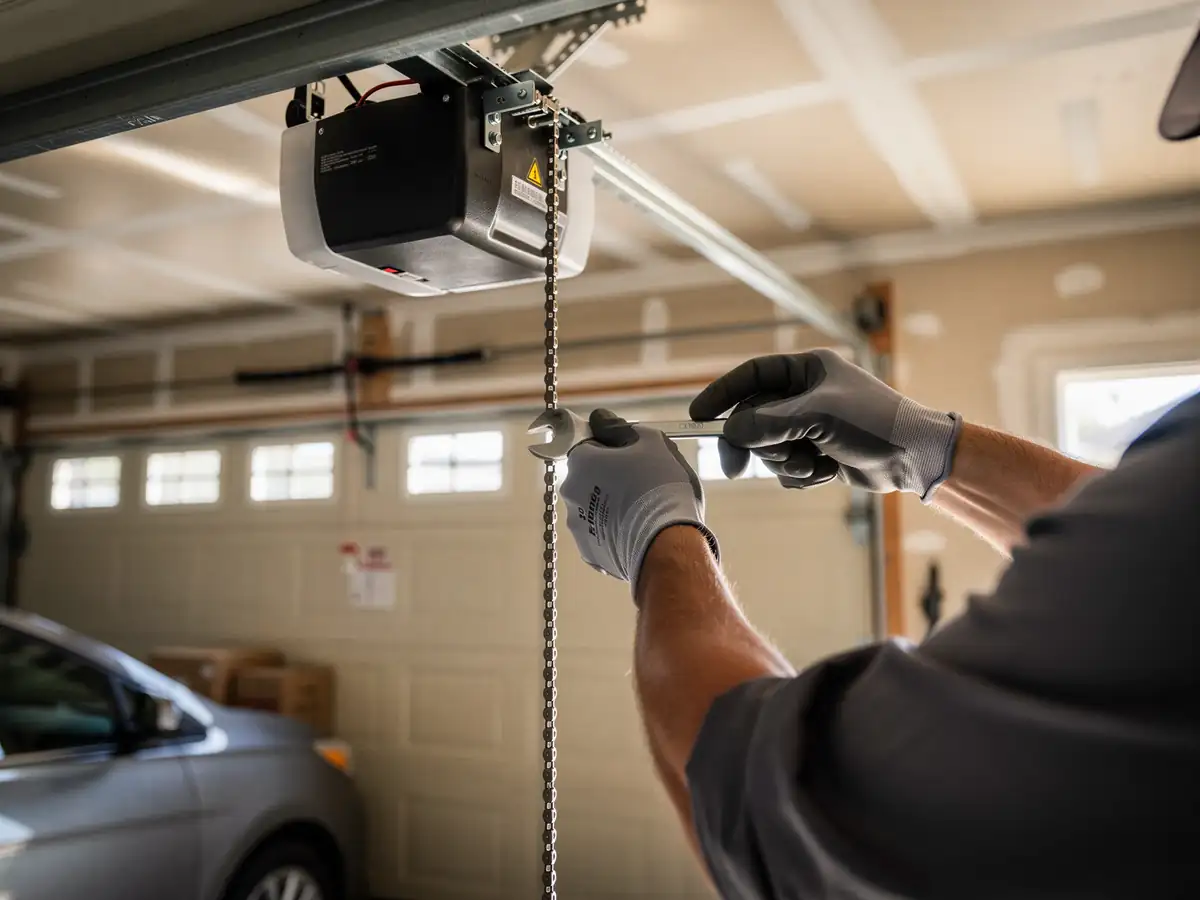
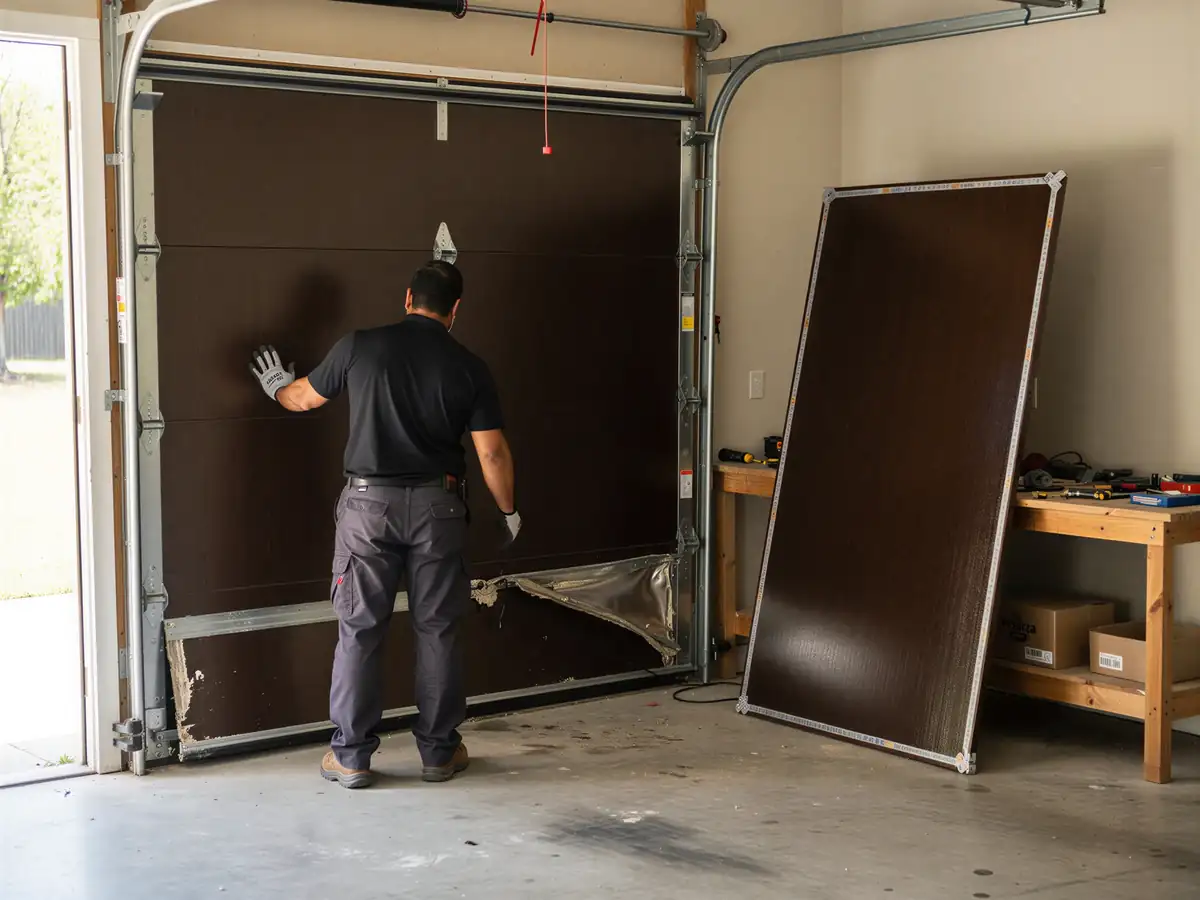
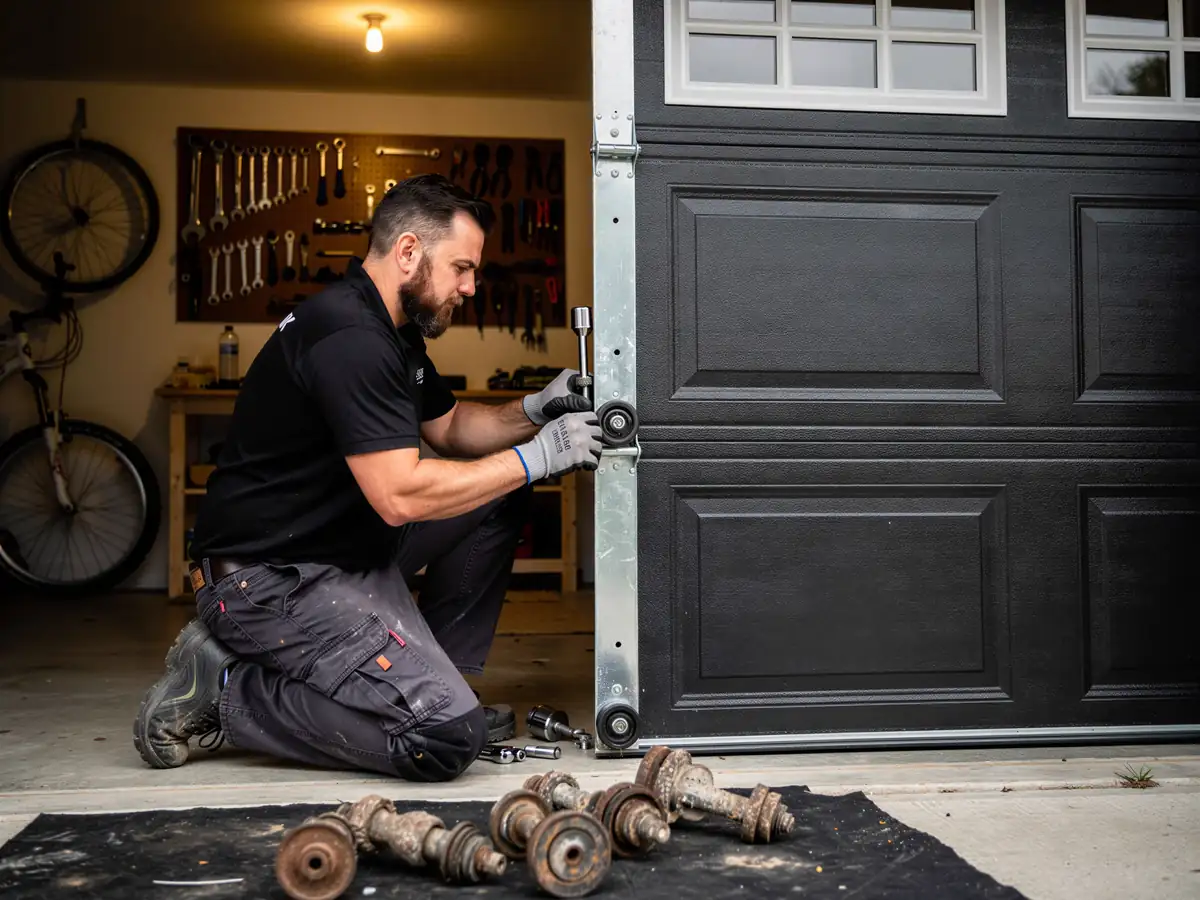
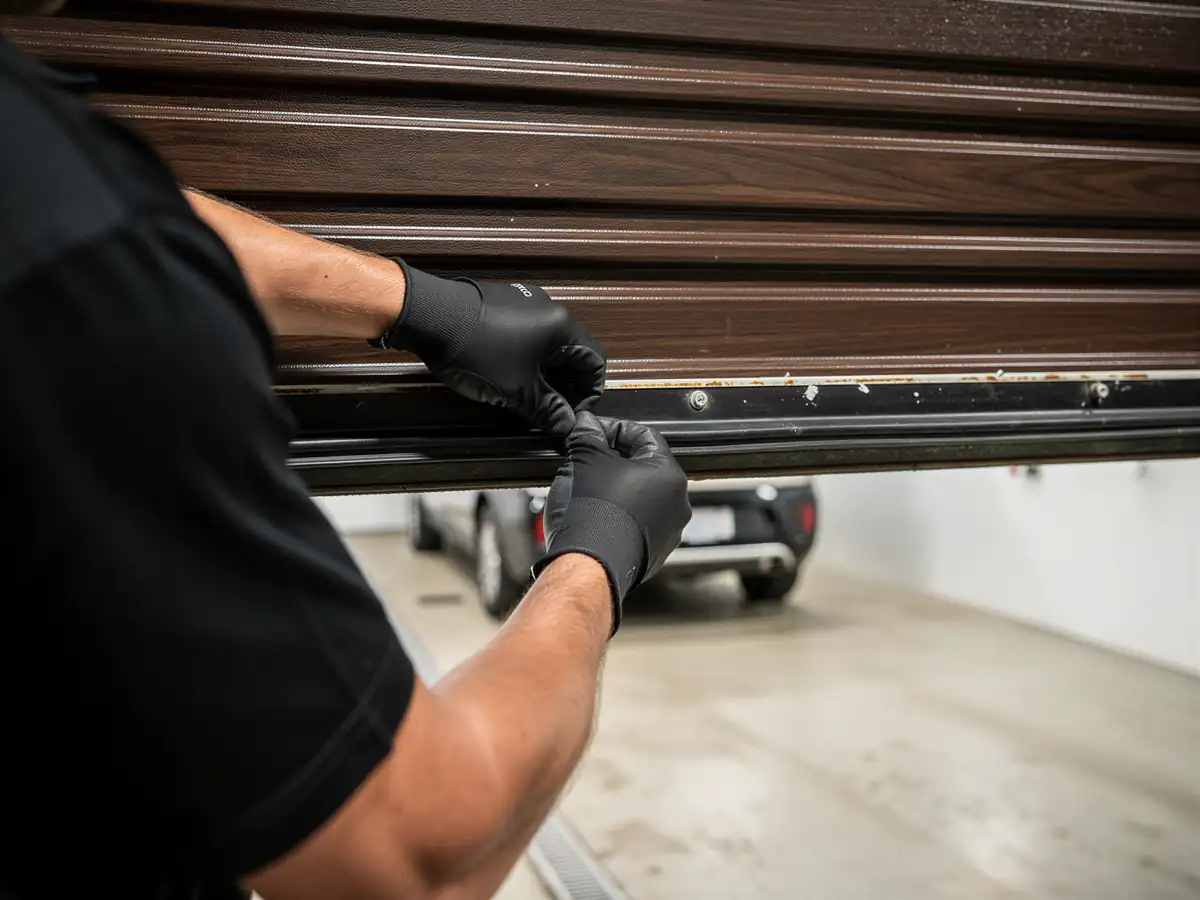
For a door from this build era, the maintenance fix usually comes down to three things: re-tensioning or replacing a torsion spring that's lost lift, swapping worn rollers so the door tracks straight instead of chattering, and re-torquing the lag bolts on the track brackets, which loosen over time as the framing around them settles. We'll also check the cable drums for fraying, since original cable on a door this age is well past the point where it should still be trusted. One honest limit here: if the door's opener is also original to the house, we're not going to pretend a tune-up fixes a dying motor - that's a separate conversation, and sometimes replacement makes more sense than another repair visit.