How It Shows Up
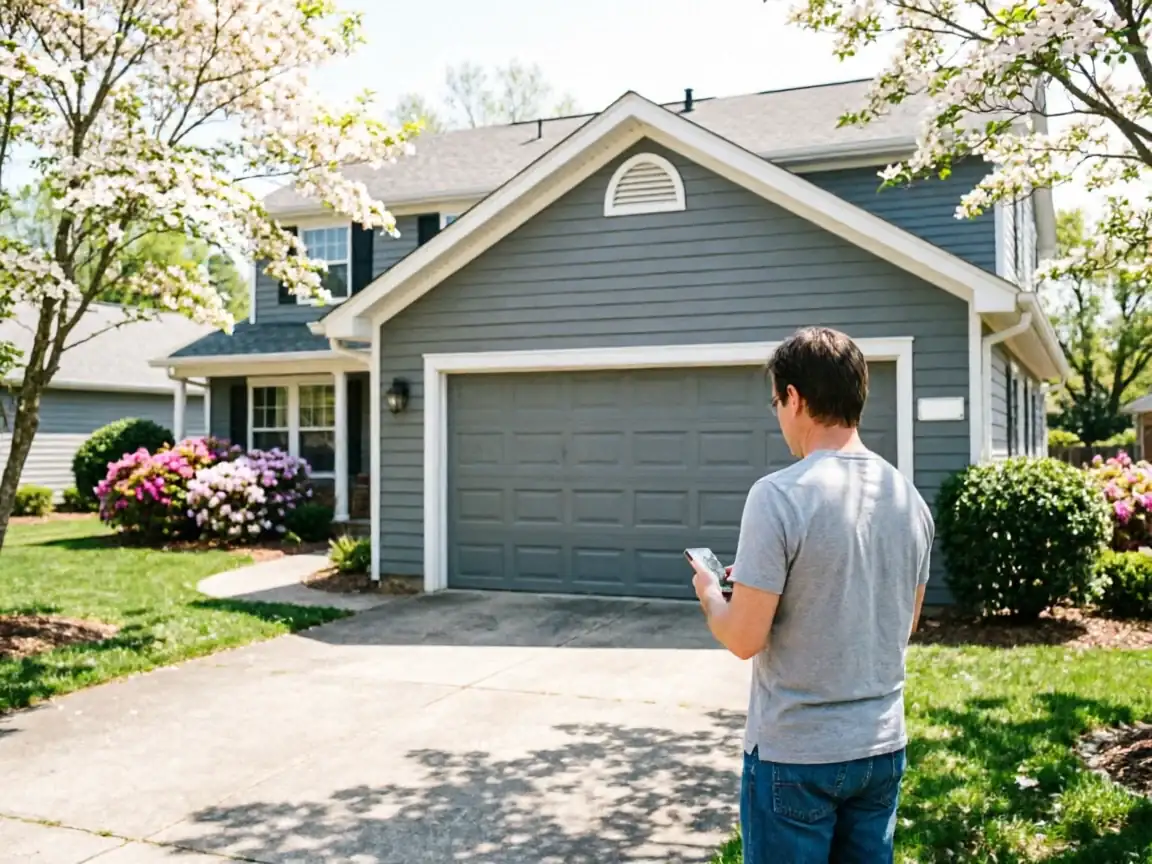
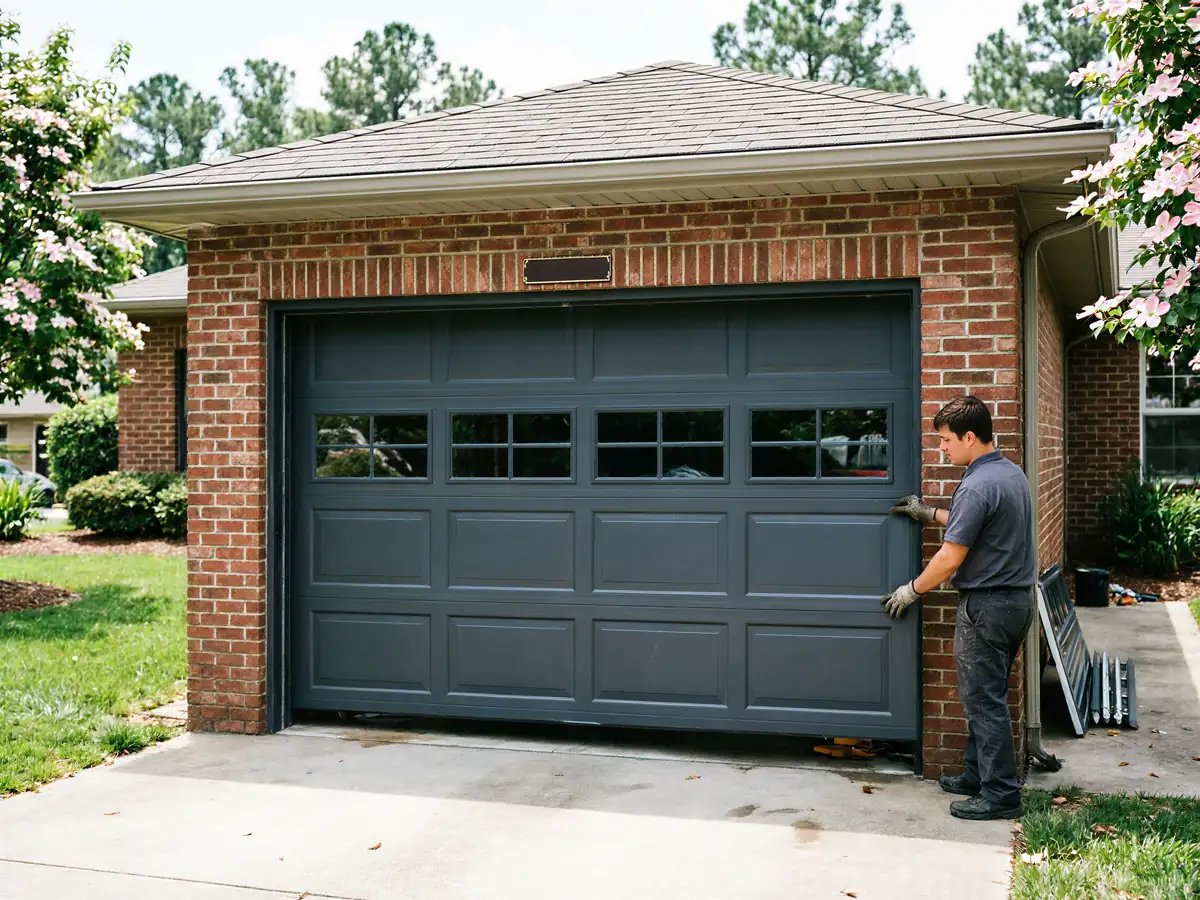
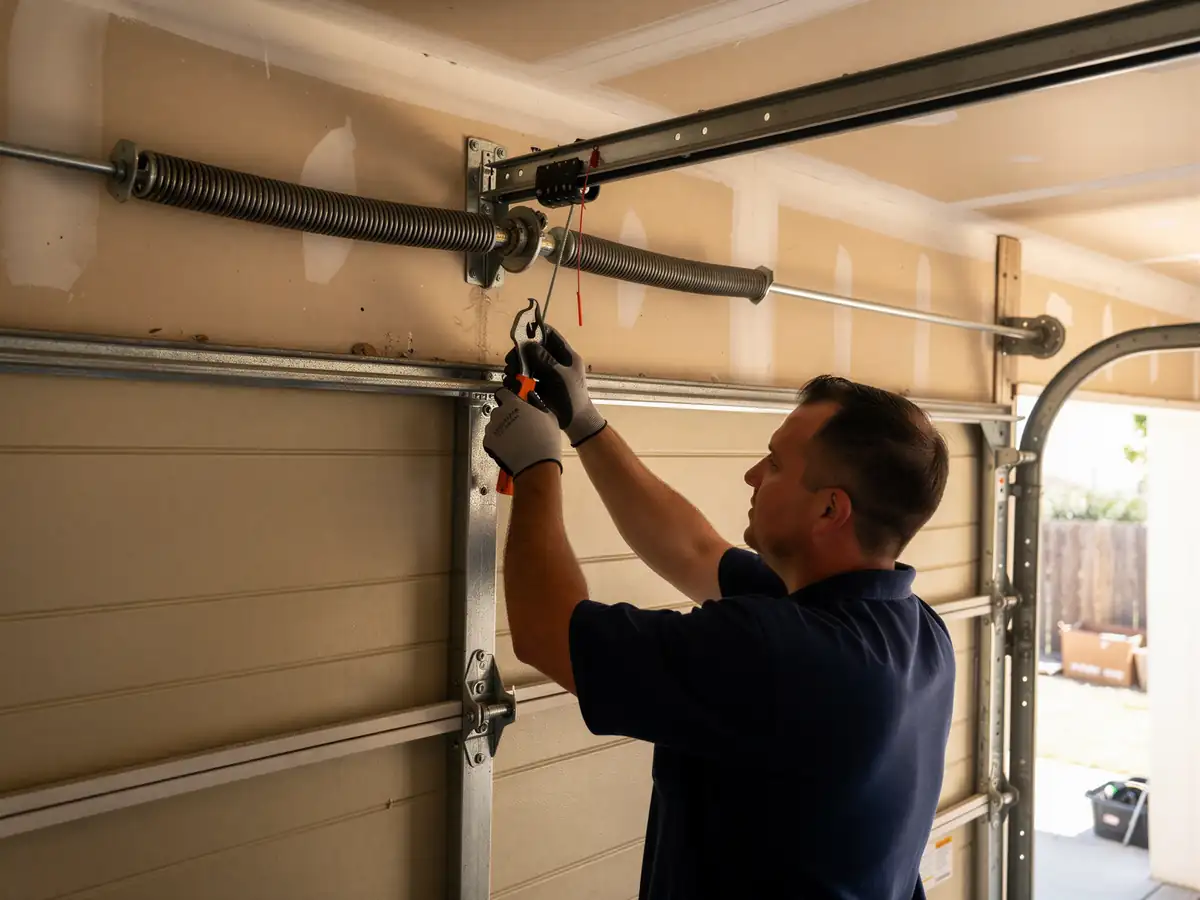
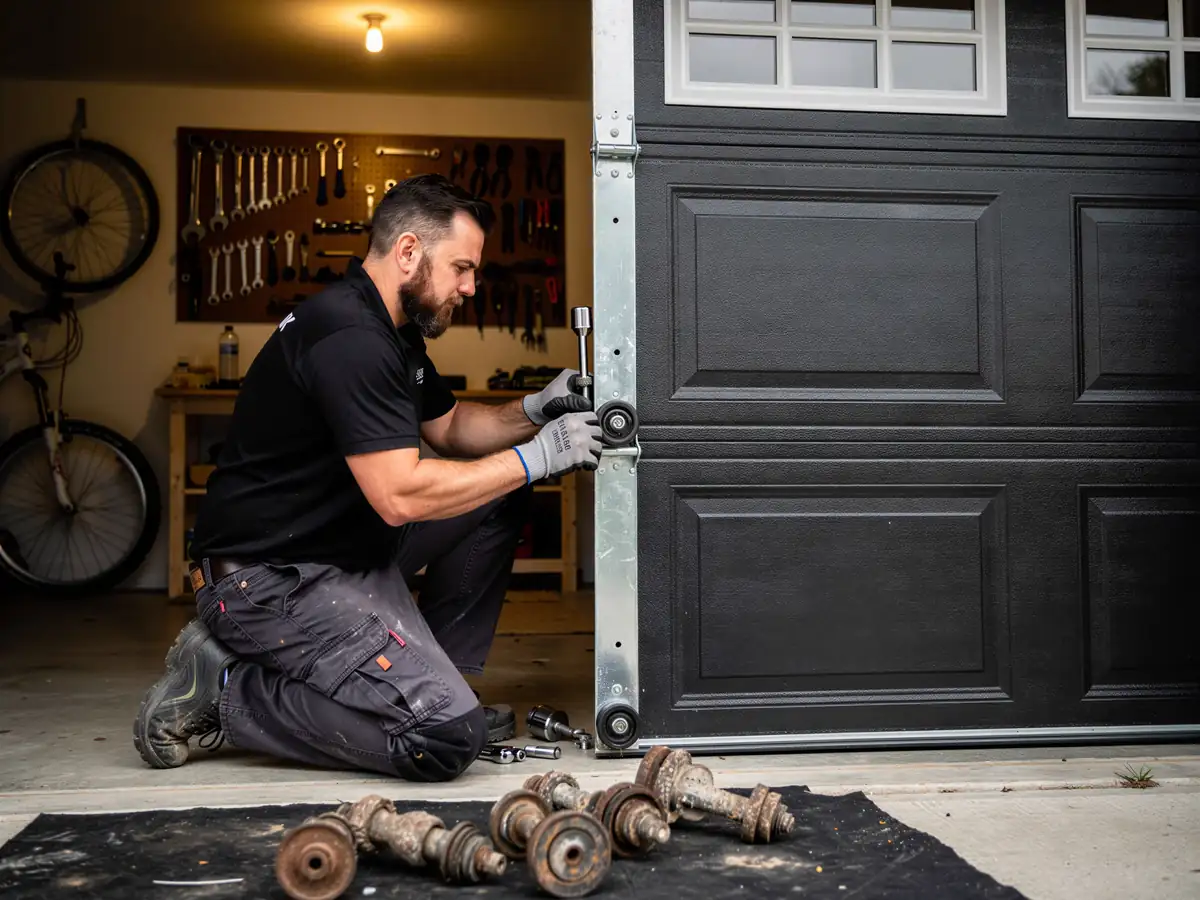
On a door built around 1993, the complaint is rarely the panel. It's the spring losing tension after a couple thousand cycles, a roller going out of round and grinding in the track, or a logic board in the opener giving up before the motor does. With 2,431 households in Unionville and most of them sitting on original or first-replacement hardware from that build era, we see the same pattern enough to recognize it on the phone: the door opens slow, then won't open at all, then the opener runs but the door doesn't move. That last one is almost always a broken spring, not the opener - and it's the call that gets us out here most.
Getting It Booked In
We run out of Waxhaw, about 16 miles from Unionville, so there's no local branch to swing by - everything gets scheduled over the phone and the truck comes loaded for the job you describe. Tell us the year the house was built if you know it, whether the door is single or double, and what it's doing (or not doing) when you hit the button. That's usually enough to tell us which springs and rollers to bring, which matters more here than in neighborhoods with newer builds, since 1990s hardware isn't always what's on the shelf at the big box store.
What the Fix Involves
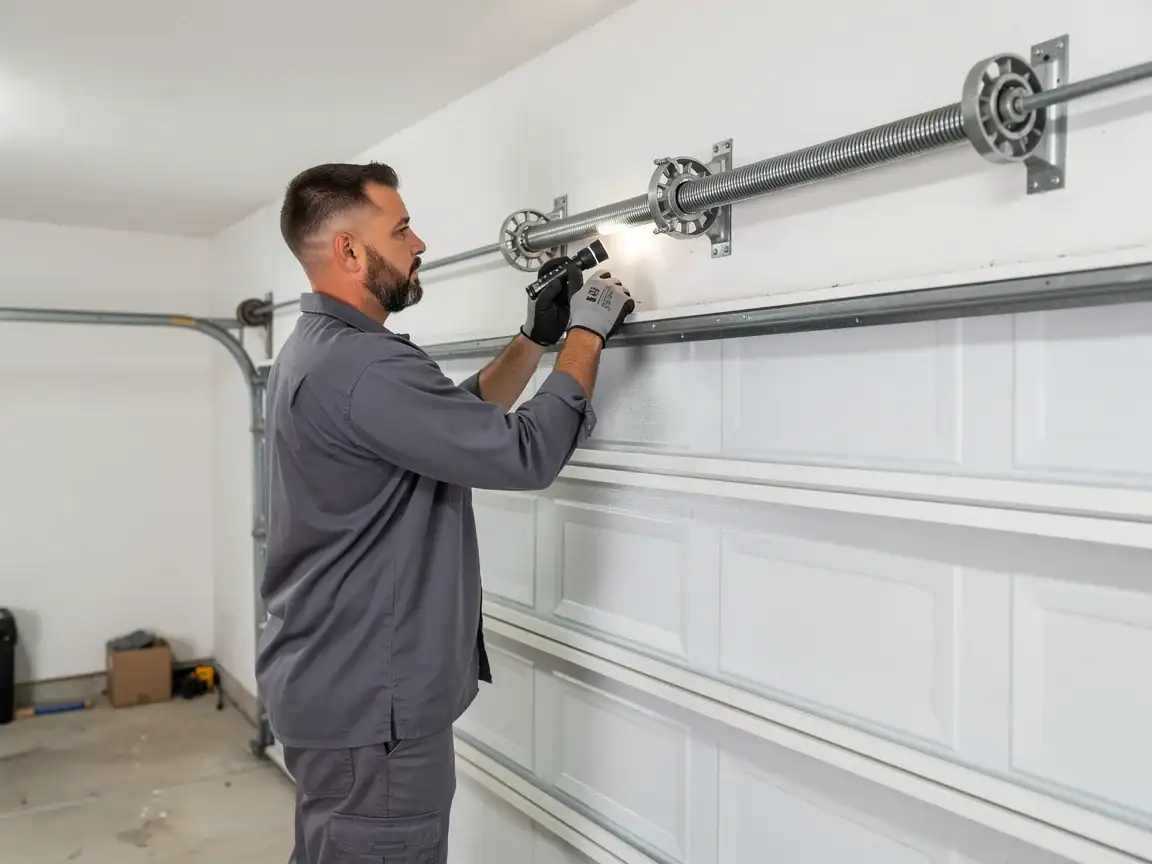
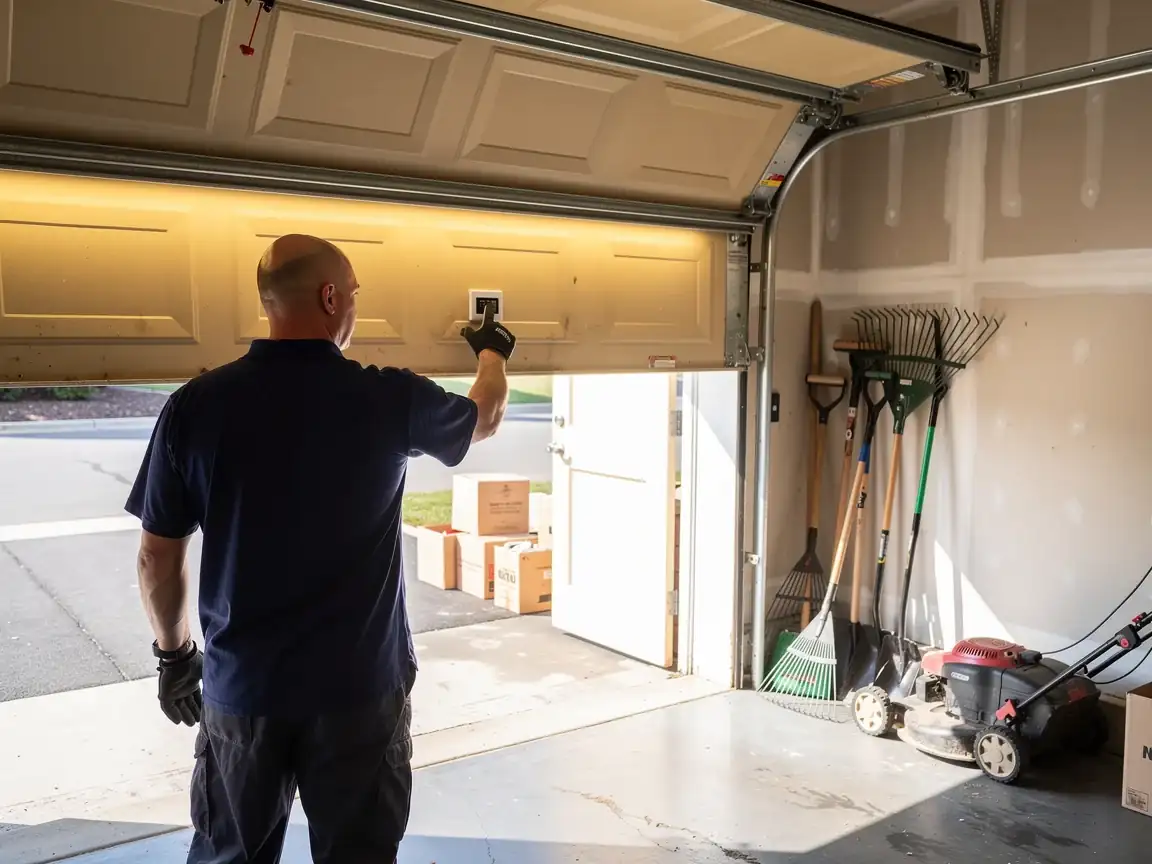
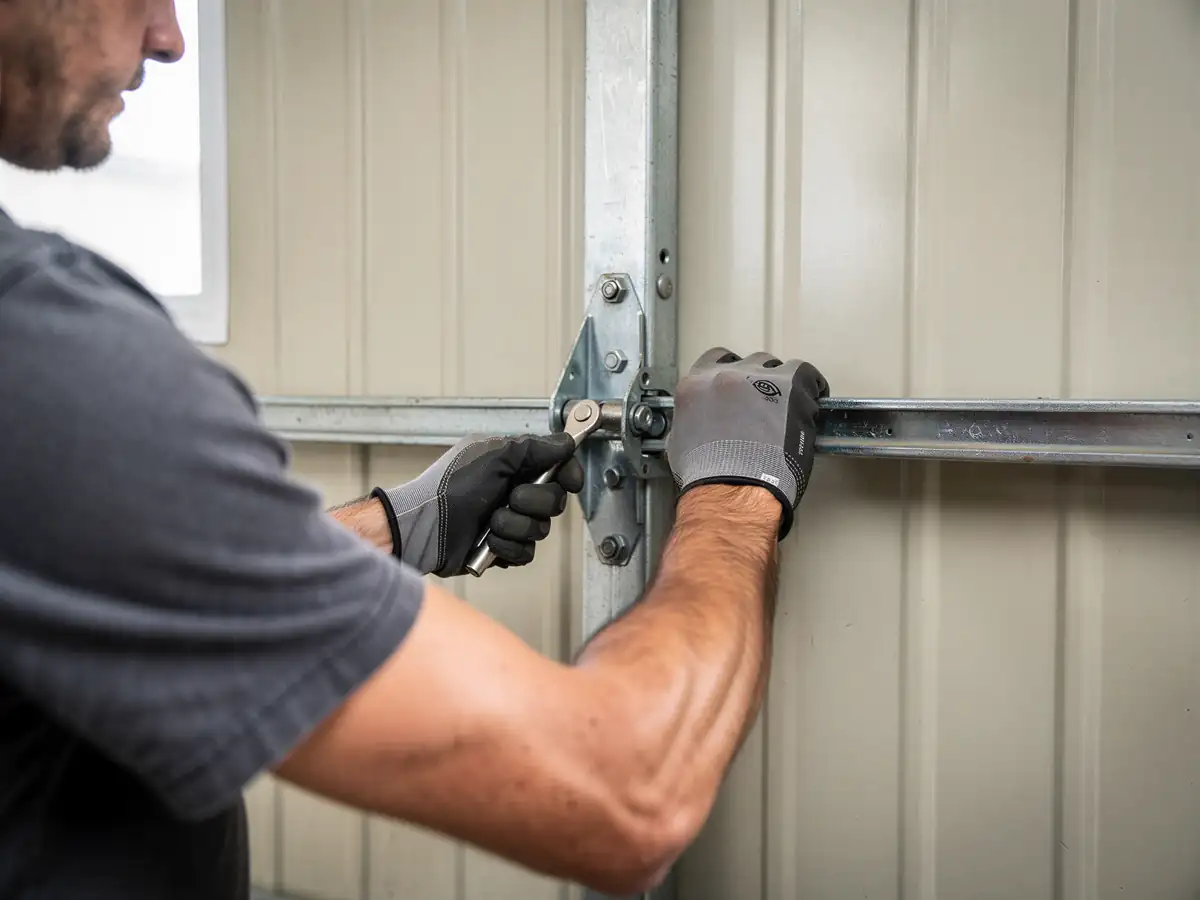
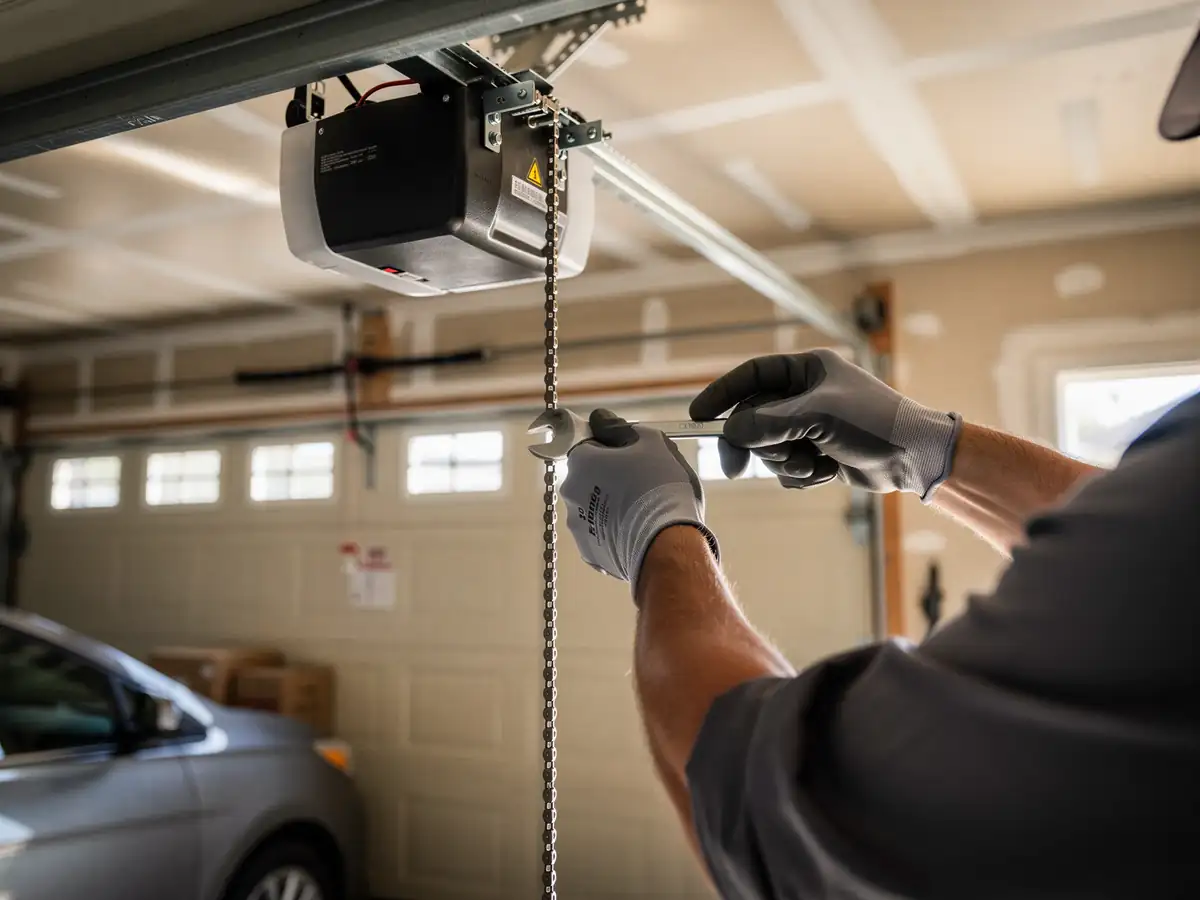
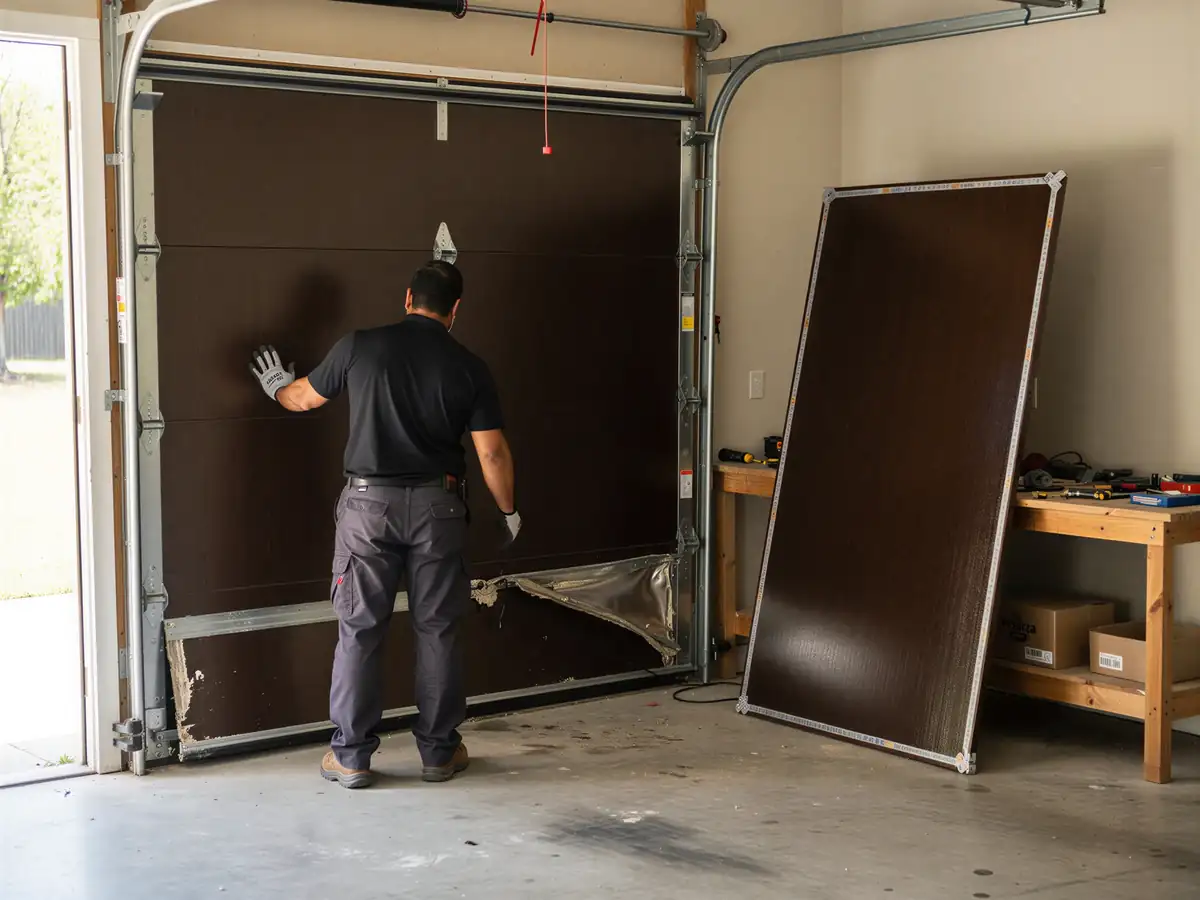
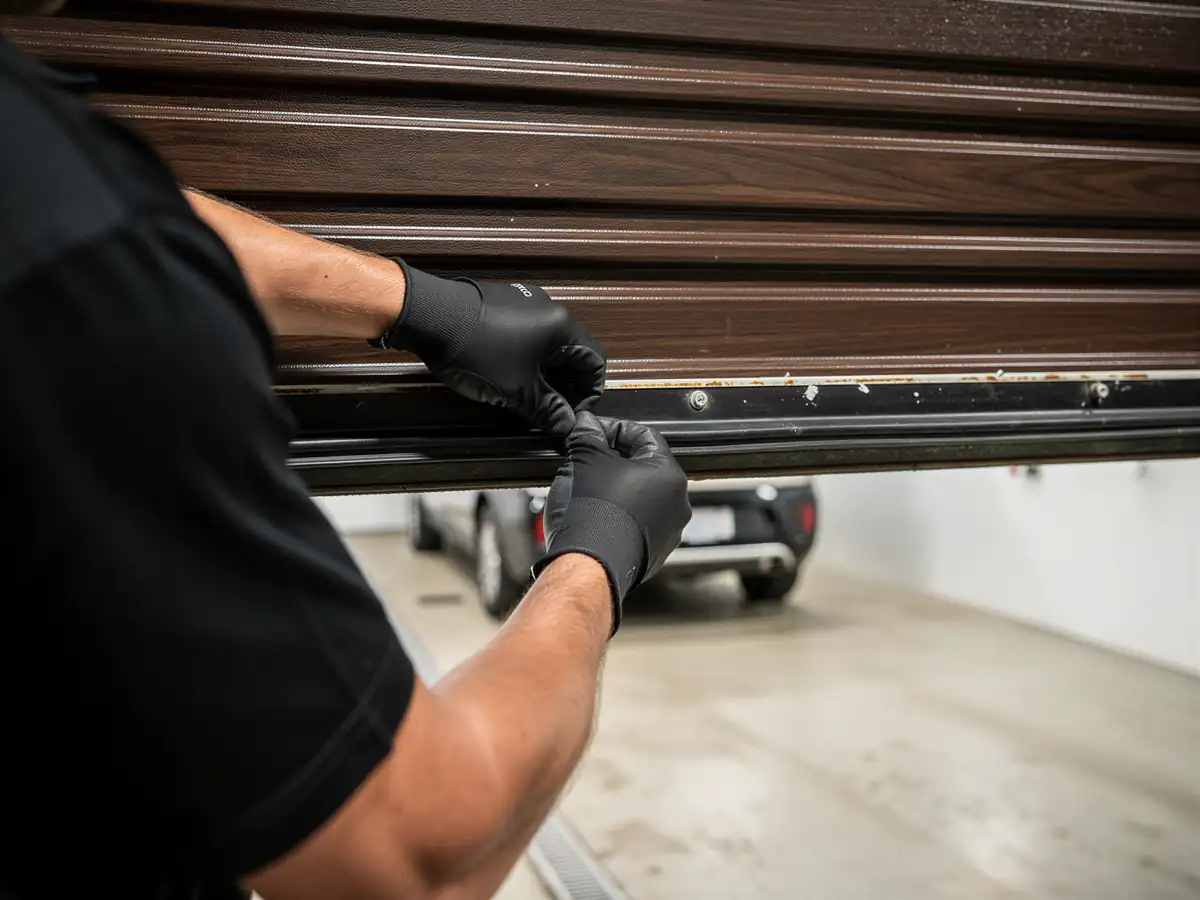
For the typical 1990s-built Unionville door, the fix is mechanical and contained: disconnect the opener, release spring tension safely, swap the torsion spring or cable, true up the track, replace worn rollers, and test the balance by hand before the opener goes back on. We don't replace a door to fix a spring, and we don't recommend a new opener because the old one is loud - if the motor runs and the gears are intact, it keeps working. Where we draw the line on repair is structural: a bent track from an impact, or a panel section rusted through at the bottom, usually costs more to patch than to replace outright, and we'll say so rather than bill for a fix that won't hold.